• Can you share a bit about yourself? Your preferred name to be known by the readers, the city/country you are currently living in, your hobbies, anything!

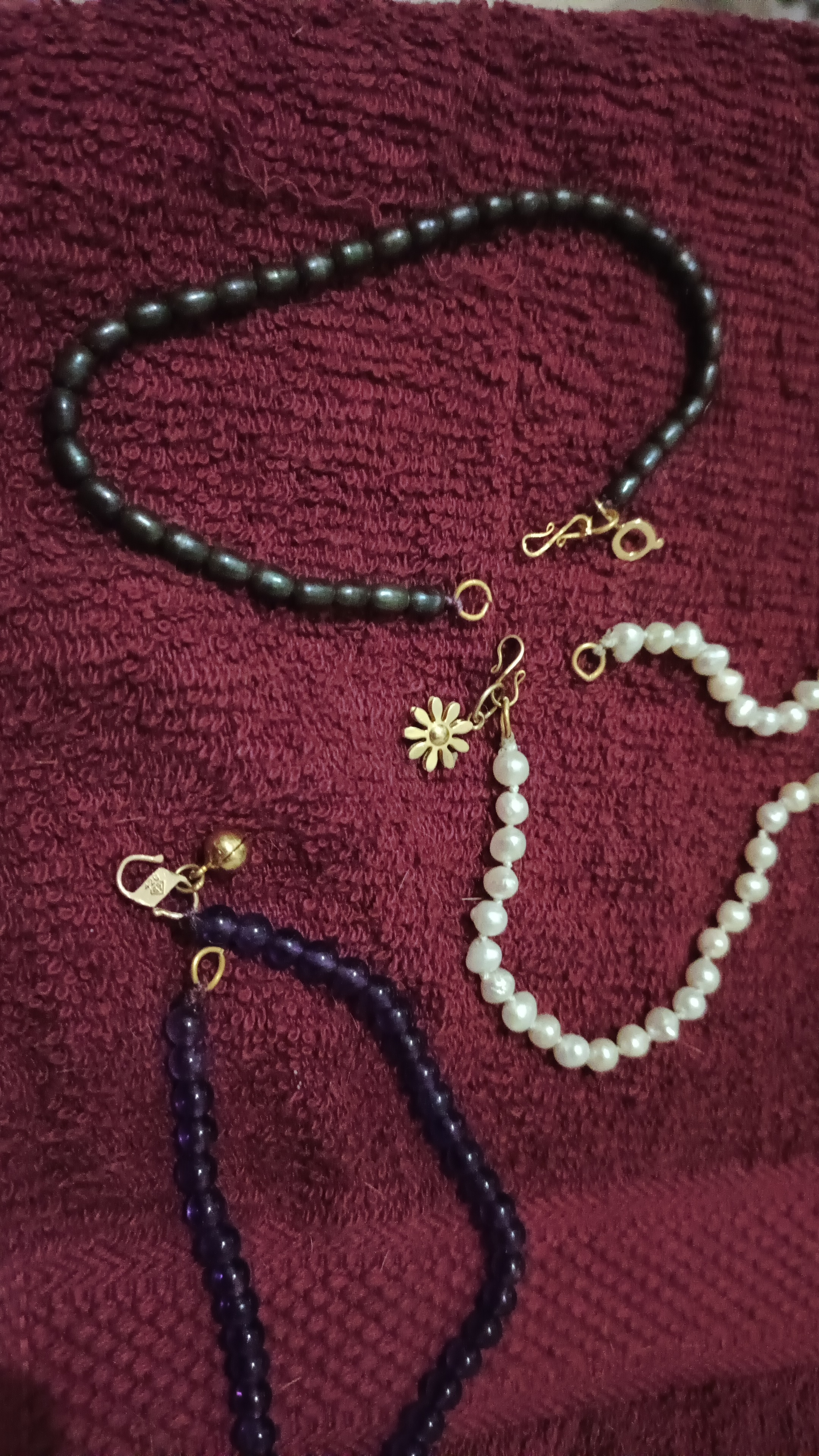
    My name is Rizky Kristianti, my students call me Miss Kiki, and you can call me Kiki. I have lived in Solo since I was almost one year old, until today in my 42 year-old age. I like to read fanfics filled with beautiful love stories about beautiful people. I also like doing craft things like making beads, jewelry, and simple sewing like altering shirts, embroidering, and many more.
    How did you start your career as an educator? 

    I was in my 7th semester studying English Major in Education and Teaching Faculty in Muhammadiyah University of Surakarta when I met a friend I know from (one of) English Speaking Clubs in Solo.

    He told me that there is a recruitment for part-time teachers in LBPP-LIA Surakarta. The process was long, and as the only candidate who hadn’t graduated from university yet, I was considered as the dark horse; but from more than 300 applicants, only 6 passed the recruitment process, and I was one of them!

    It was September 2003. The salary and the working hours were not great, but I learned how to be a teacher from the experience. They gave us back-breaking training, from 8AM to 5PM, for 5 weeks before we were allowed to meet the students in class. I learned how to teach students as young as 6 years old to the oldest student, 50 years old. 

    After 2 years of working and, well, abandoning my main duty as a college student, I took 3-months’ leave and worked on my final paper in college (skripsi) and graduated in December 2005. In January 2006, there was an opening for the Indonesian Civil Servant National Exam, and my mom suggested I apply.

    I took the exam in February, received news that I passed the exam in March, filled out all the administration papers in April, and stepped foot in the school I was assigned to in May 2006. It means I have worked in the same school for over 17 years! Time went by so fast.
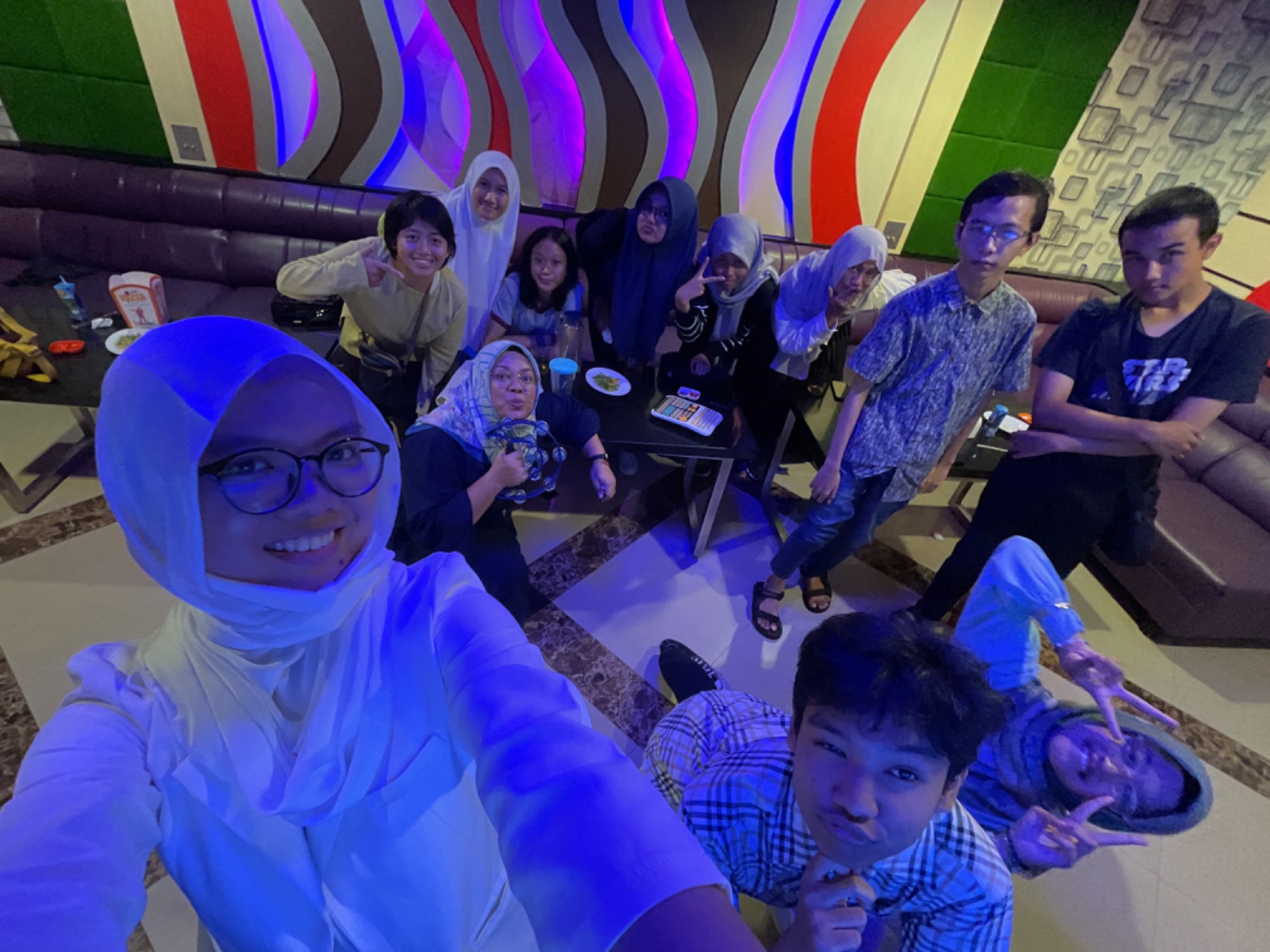
    Rizky and her students

    There is a general perception in the public that teenagers can be tricky and rebellious to deal with (their mood swings, thinking they should be considered as adults/refusing to be seen as underage, etc.) How do you, as a teacher, handle it? How do you work with your students and at the same time give them enough autonomy to them? 

    Being a teacher in high school, I always put myself in the perspective of a big sister. I try to help them find the answers to their own questions, giving them a helpful hand when they ask for it, letting them know how society works and what they can do about it. 

    Teenagers are tricky to deal with and rebellious; that is correct. They are scary, sometimes. But since I put myself in the position of a big sister, for some reason, they are more willing to open their heart to me than to their parents.

     What was the trickiest concept you ever taught to your students? 

    One of the trickiest concept I teach my student is inclusivity. 

    I have had students coming out to me. They asked me for advice on how to deal with the mockery and insult from their classmates and peers (sometimes their teachers too, which is sad). I told them that I am an ally, that they can come to me when they face problem that is caused by sexuality, that if they need I can be the ears to listen to them.

    I try to make my students understand about inclusivity by using them in the materials that I teach. The easiest way is to use it during grammar lessons. Explaining about pronouns can lead to discussions, sometimes we have arguments (not real, just a friendly banter, but we were quite loud), but no matter what I try to make a safe space for them to say whatever in my class. 

    During some lessons, I tell them stories, or they tell me stories that they find in social media. It might start with them telling me, “Miss, have you seen the new meme about this?” to end with a discussion on toxic masculinity, or how public try to demonize feminism concept. 

    Many of my students don’t have a chance to travel abroad, so they like to ask me, “Miss, when you were in this country, did you get racist treatment?” then we discuss about why people can be racist and how to deal with it. They will share what they know, I share what I know, and we learn together from it. 

    How do you align your values and thoughts with other teachers to ensure the students grow their mindset and become wholesome adults? 

    Most of my colleagues were from the older generations when I started to work there. They have the old-time concept of how teachers do their job, so I rebelled quietly. It can be tricky to change old-time thinking, but I found out that they are willing to listen if we are in the right mood for it. I treated them like I treated my students. I tell them stories, and then we have these discussions. I ask them questions, and when they struggle to give me satisfying answers, that is when they realize that their mindset is no longer working for today.

    It took 17 years for me to plant the idea that it is okay to have a girl as an OSIS (Student Council) leader. I even had a heated discussion about it with one of my colleagues. But we finally won! We have the first girl as OSIS leader. 

    We still have differrent opinions, but I believe that my colleagues only want the best things for our students. We only do what we can, and we pray for the best results. 

    If you could teach another class other than English, what would it be?

    In the new curriculum, we have a new subject, Pendidikan Ketrampilan dan Kewirausahaan, where we teach craftwork using scientific methods. Sometimes, I join the class, and I find it very interesting. I want to teach craft-making; maybe it will be less stressful than teaching English, hopefully!
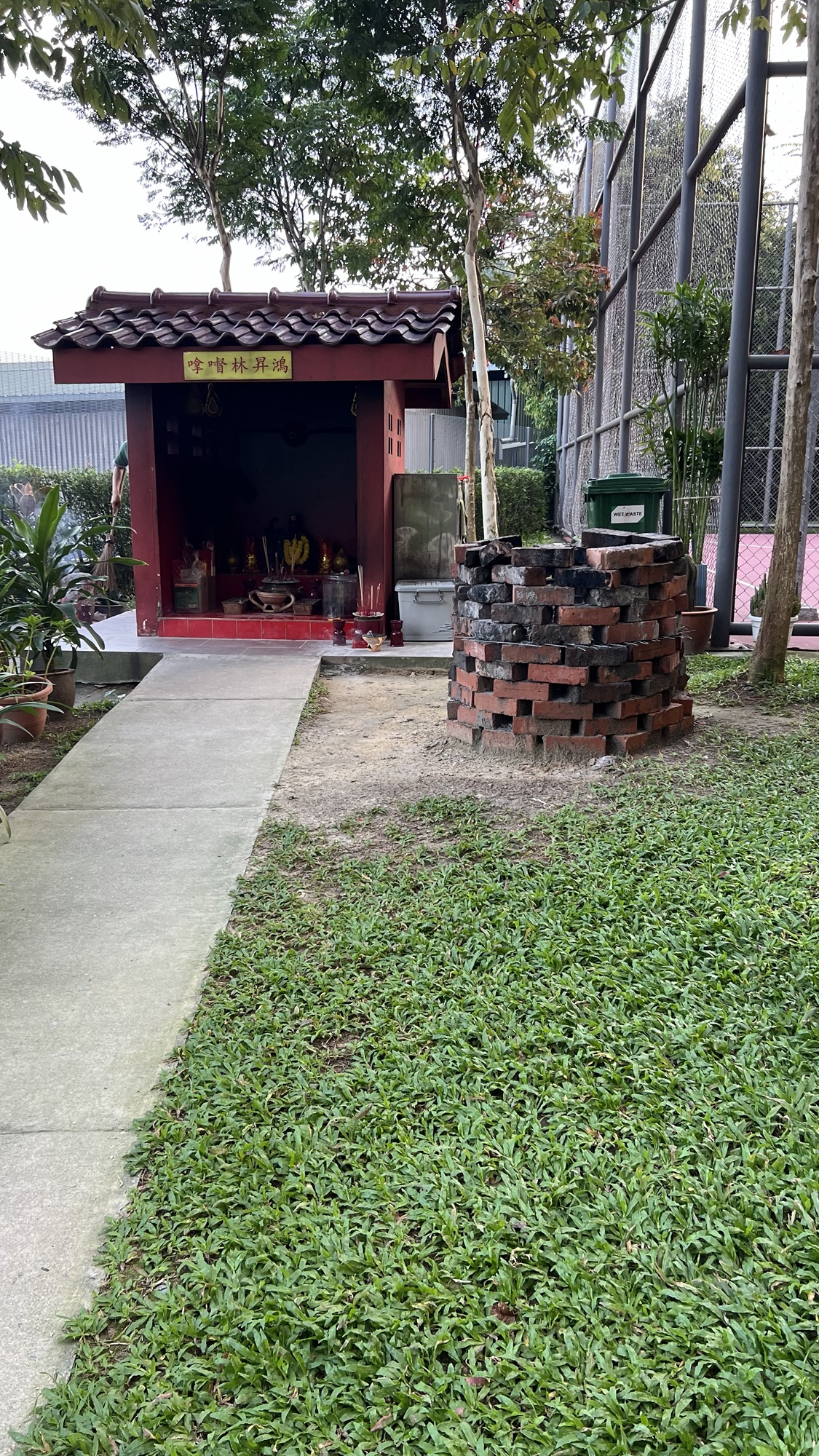
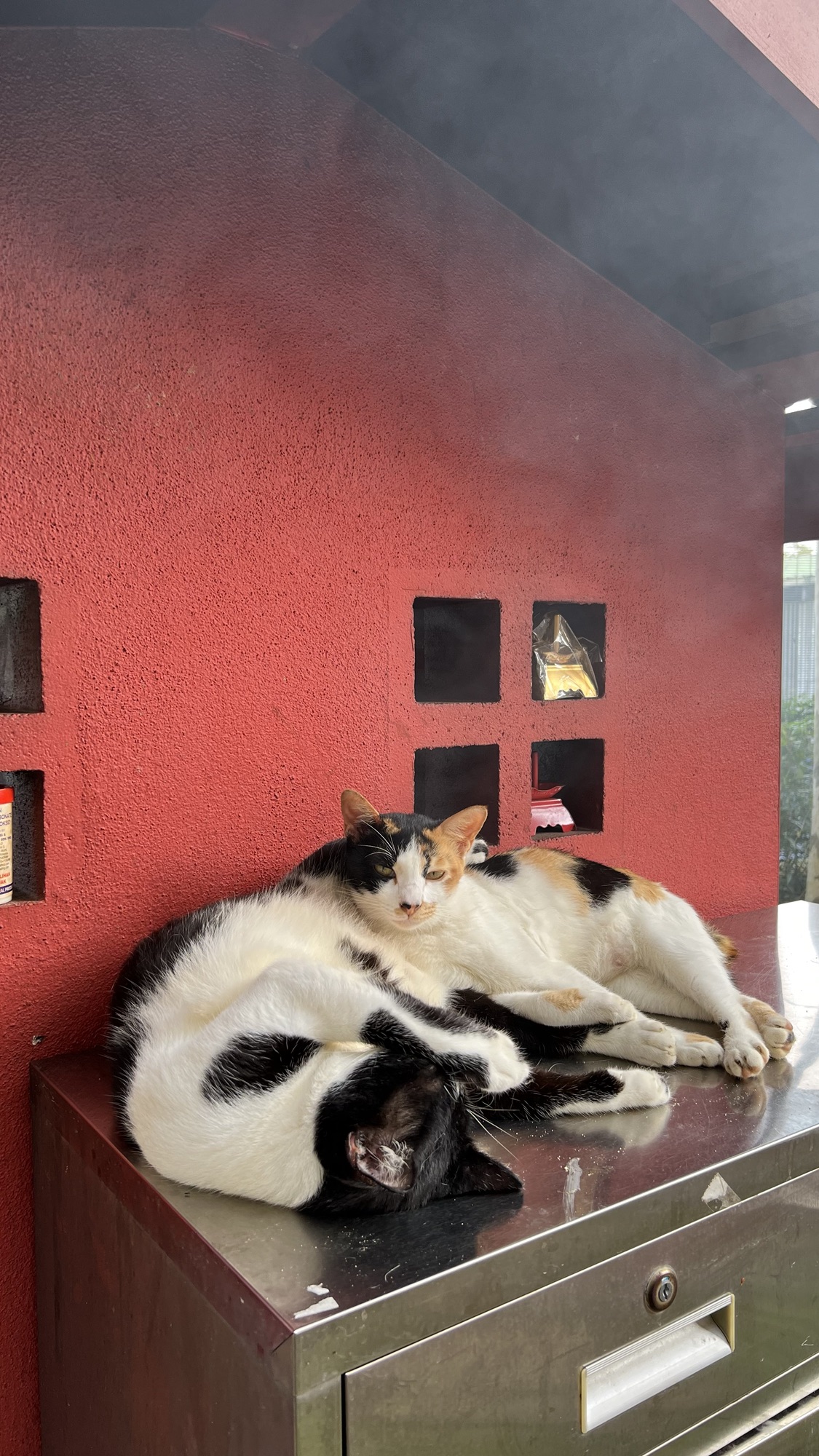
  • The temple’s guardians. Sort of.

    Just like many buildings in Malaysia, our apartment has a Datuk gong shrine for the residents to pray. This is specific to Chinese descendants in Malaysia, Singapore, and Indonesia. Datuk gong results from cultural assimilations of Chinese Taoism and Malay Islam.

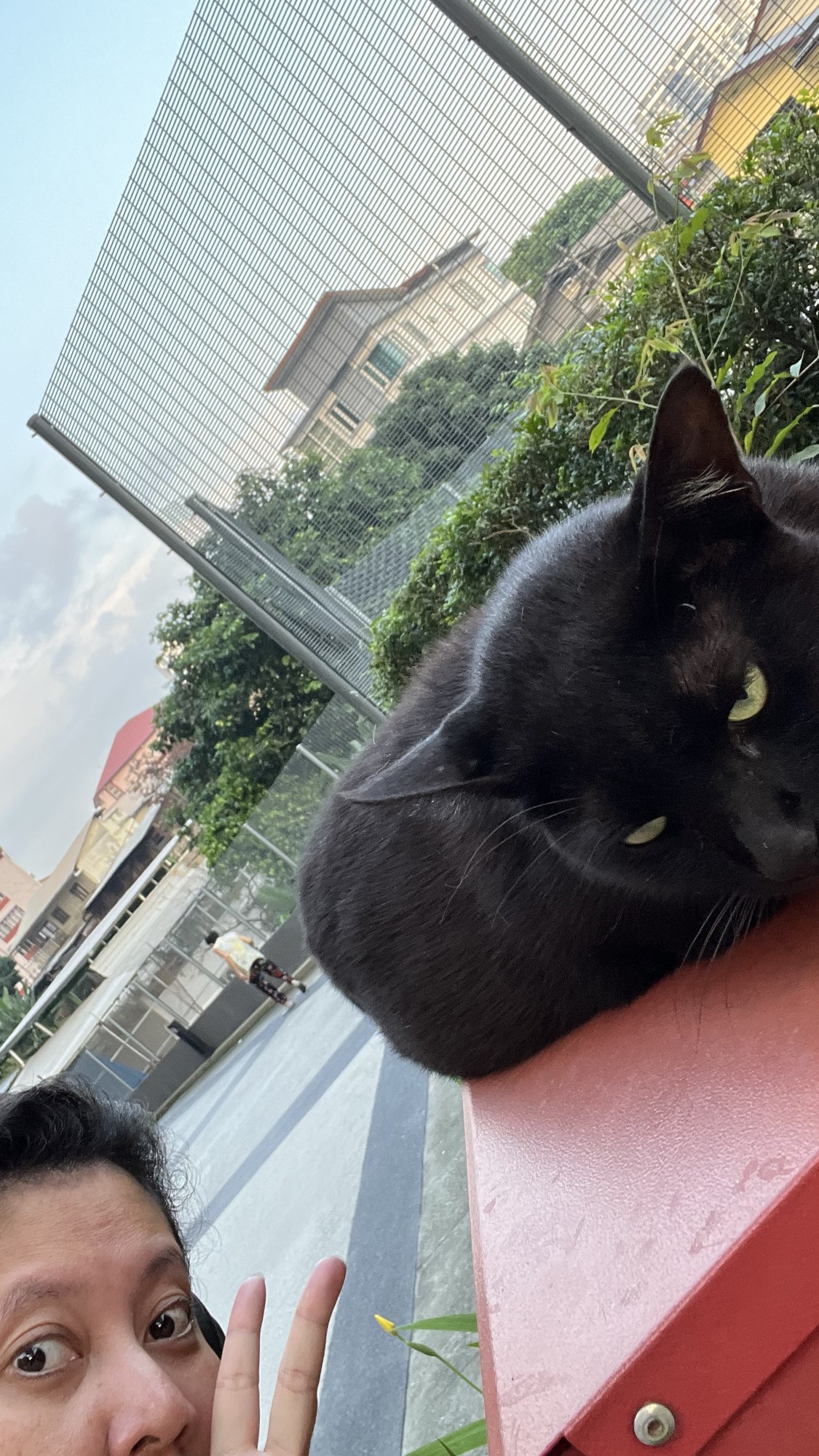
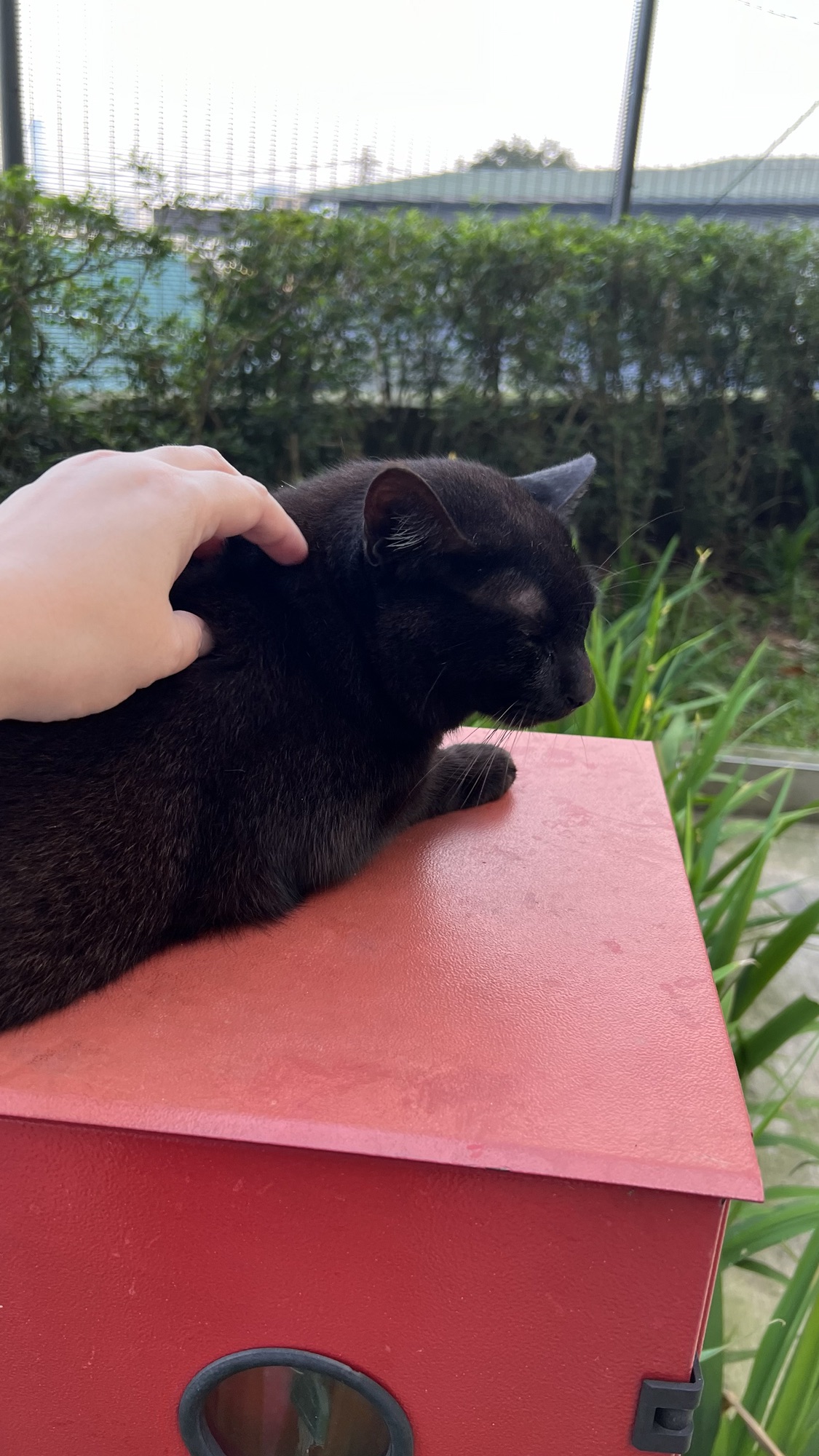
    And in front of the temple is this guardian.

    Sometimes there are a couple more chilling on top of the metal drawers.

    I named one of them “Sapi” (Cow)
    Morning annoyance
  • New project: Impromptu Journal

    Several months ago, I mused the idea of having a blog/website where I collect and publish Q&A with my friends on many things. Some people say it’s “curiosity”; some Indonesians, Malaysians, and Singaporeans will call it “kay-poh.” Nevertheless, I am (hashtag) blessed with a circle of friends who are always ready and kindly answer my questions, from “How did you make your own noodles?” to “What made you pursue yoga professionally?”

    It was like… 2-3 days ago I mentioned the idea again on my Kakao Story, and my friends responded enthusiastically, “DO IT!” I guess they are okay with me pinging and sending them emails with half a billion questions.

    That said, please welcome Impromptu Journal.

    “But you rarely blog, and now you are doing this project–” Yeah yeah, shut up ?

    I’m planning to do this Sunday biweekly. I also plan to work on my habits. Biweekly for Impromptu Journal and biweekly for drawings (this blog.)

    That said, I always want to have that kind of “serious website/blog”, you know? And I feel that I now have something to aim for, and it makes me excited.

  • Hi, Mandy! Can you share a bit about yourself? Your preferred name to be known by the readers, the city/country you live in, your hobbies, anything!

    My name is Mandy Marahimin. I’m a film producer based in Jakarta, Indonesia. I have been working as a filmmaker for more than 20 years in different capacities, and I love love love my job. Some people say working is my hobby, maybe that’s true, but that is only because I love my job so much. When I’m not working, I enjoy going to the cinema, reading a book, traveling, and eating! Food is another passion of mine, although I don’t cook.

    What prompted you to be a movie producer?

    When I went to college, I wanted to be a writer; I love reading and I want to contribute to the world. I thought writing was the only way to do it.

    Then one day in 1995, I watched a film that changed my life. Don’t get me wrong, I love films — all of them. When I was still in junior high, I walked to the cinema after school almost daily to watch whatever was available. Good films, crappy films, I watched them all. This particular film, however, changed my views on audio-visual communication. It was so powerful that I thought, “This is it! This is the perfect medium for storytelling!” The movie was “Raise the Red Lantern” (1991) by Zhang Yimou.

    From then on, I changed my mind and wanted to make films for a living. At first, though, I didn’t understand what a film producer does. I always thought producers were the people with money, and I didn’t come from a rich family or had rich friends. Naturally, I thought being a producer was not for me.

    I then thought I’d rather be a scriptwriter or director to keep pursuing my dreams in film industry — but it was challenging: There was no film industry in Indonesia then. No Indonesian films were being produced apart from a handful of titles and I didn’t really know where to start at that time.

    … How did it all started?

    A friend called me and said a film producer is making a film and is looking for a publicist. I studied Communication back in my university years, and I didn’t know what a publicist does, but hey, it’s one foot in the door! So I said yes.

    I borrowed a book from him about film publicity and learned from there. The film I worked on is titled “Ada Apa dengan Cinta?” and it was a huge hit, so much so the film’s producer, Mira Lesmana, asked me what I wanted to do in the film industry.

    I didn’t know what to answer! I only said, “I want to be involved in the creation and the creative process, not solely on the marketing side of it.” She then kindly nudged me and asked what did I enjoy doing.

    I said I enjoy writing, I enjoy working on budgets, and I enjoy scheduling. Excel is my best friend.

    She said, “Then you should be a producer.”

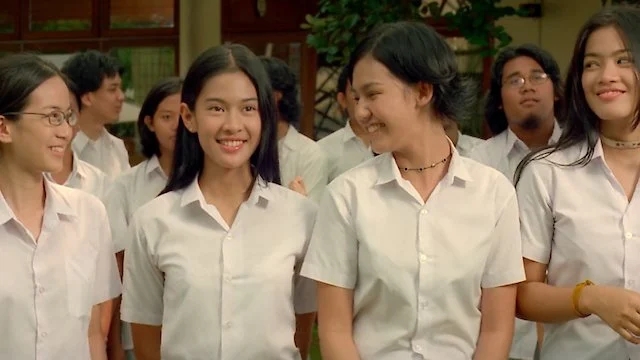
    The casts of “Ada Apa Dengan Cinta?” (2002)

    Fun fact! “Ada Apa Dengan Cinta?” garnered commercial success in Indonesia and internationally, which reached 2.5 million tickets.

    Source

    What is the job scope of a movie producer? Why so many meetings? Who hold the creative vision of a movie? 

    If making a film is a train, the producer would be the locomotive. The job scope is wide, and it needs a lot of different skills in one. That is why there are many ”titles” of producers.

    There is the executive producer. In film, they are the ones giving the money; in TV, they are the ones executing the production. There is a producer, the one who is responsible for everything that happens in a film production. There is a line producer that handles budgeting and scheduling, and many others.

    It is also common for a film to have more than one producer because we need to share the workload, considering how massive the workload is. Also, some producers are better at one skill than the other, and by working together, we each bring our own strength to the project.

    A film, by default, is a collective work. The director will find it hard to make it on his own. It is mostly made by a group of people, each with a specific job description.

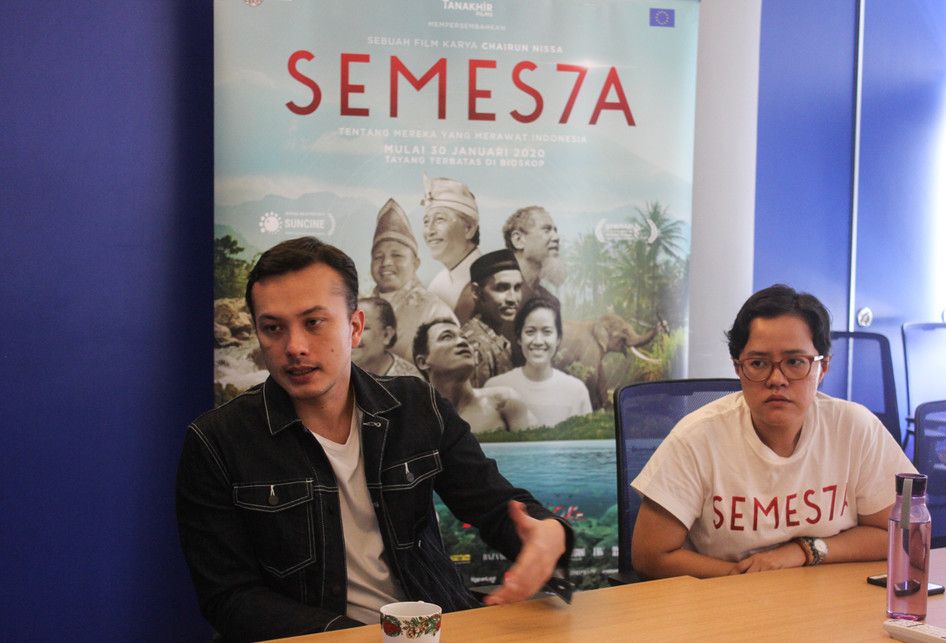
    Nicholas Saputra , Mandy Marahimin, Chairun Nissa saat Media visit film Semesta di Kantor Redaski Kompas.com, Menara Kompas, Jakarta, Selasa(28/1/2020). Film Semesta akan tayang 30 Januari 2020.

    One of the toughest jobs of a producer is trying to gather the right people for the film, and ensure the combination complements each other. There is also motivating them to always move forward despite all the problems, challenges, and egos since most of them are artists in their own right. This is exactly why we need to have many meetings to coordinate with each other.

    The producer needs to switch hats often. Sometimes creative, sometimes managerial, sometimes financial. If anything is not going how it is supposed to be, then the producer should take care of it. Sometimes, that also means the producer has to do it herself. The producer is also the director’s best friend on creative decisions. She must always be ready to be a spring board for the director to throw ideas.

    What is the most difficult part of being a movie producer? 

    Managing the different egos of the people working for you. You have to be a leader who is also a mother, manager, banker, and psychologist simultaneously. This is the most difficult part. You want to make sure people working under you have a comfortable working experience and give out their best, without straying away from the main idea or concept of the film in the director’s head.

    What is the most fun part of being a movie producer? 

    Everything! It is really a perfect job for me who get bored easily. I get to experience different people, different skill sets, and different hats.

    If a 13 year-old comes to you and said they want to be a movie producer, what advice would you share with them?

    Don’t be afraid. Being a producer is a very hard job. You have to be detailed but also always have a helicopter view of things. You must be able to appreciate people, like artists, and all the baggage and ego that comes with them. But as long as you do it with love, everything will be okay.

    If you can only pick three Indonesian movies throughout your career, what would be your favorites and why?

    Three films (in order of years):

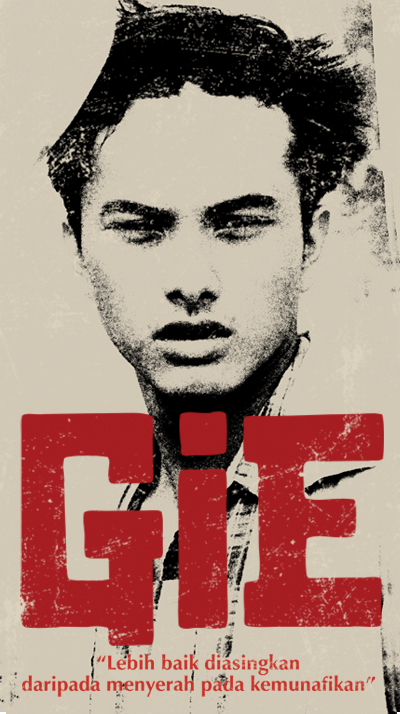
    Gie (2005)

    This, I must say, is my “film school.” I worked on the film for 3.5 years, from research to production and promotion. The level of detail needed for the film was insane, and all of us were forced to learn something. Since I joined from the very beginning, I feel I found a new understanding of how production should work. This has become the base of how I work until now.

    You can watch the film on Netflix (please check whether it’s still on Netflix, though!)

    (Image source)

    Hotline 1998 (2022)

    This is a short documentary on what happened in Indonesia in 1998 and I love this film because the topic was so important for me. A bit of fun fact: The movie was not supposed to be like this (the end result that’s available to watch); it was supposed to tell something else — about this specific character who had already passed away. When we wanted to make her story into a film, though, her mother said no; thus we want to honor that. We then made the decision to switch the focus to film the hotline volunteers of 1998.

    The “1998” here refers to the financial crisis that loomed in Southeast Asia at that time and culminated to May 1998 Indonesia riots

    Wikipedia article

    It was not easy. Not everyone wanted to be filmed, and out of four people who agreed, only one person wanted to show his face so we had to animate the whole film. We also had to be really careful of our characters’ safety; we sent them the film before the release to let them know how they are being portrayed and luckily, all of them gave us their blessings.

    You can watch the film here:

    Crocodile Tears (coming soon!)

    This is not out yet, as it is still finishing! But this one is the smoothest sailing of all the films I have managed.

    I think all the years of experience boiled down to this one film. The crews were great and everybody worked together effortlessly. Even when we had problems in the set, the problems were easily solved because everyone was so helpful and positive. This was my first experience of a production so smooth and nice; all the crews thought the same, too. When things fall into place like this, every day on the set, we only feel love and the togetherness of a family, which feels great.

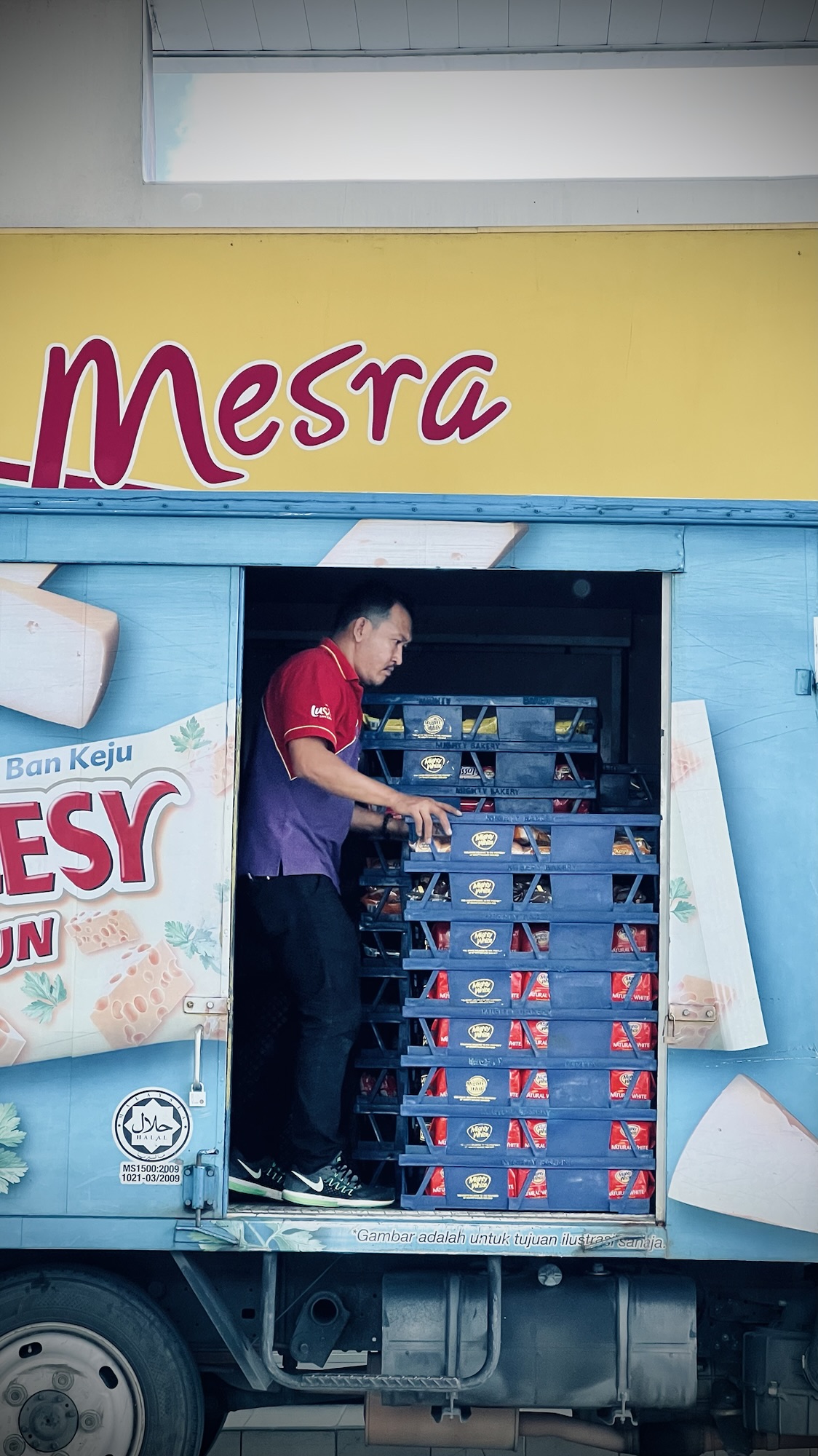
  • Morning deliveries

    One of my favorite things is seeing people preparing for their day at work. Wiping the windows, sweeping the floors, and receiving deliveries.

readme.txt

This is my personal blog, so anything goes. This blog has been around since 2014, which means you would, and could, see my past writings with different perspectives and mindsets at that time. This blog is a record-keeping of what I was, what I am, and what I will be. What I wrote in the past might not reflect who I am right now, nor me revisiting the topic.

While things here are generally PG-13, I must remind you that I’m an adult, which means some topics might be too heavy for younger readers.

Listening