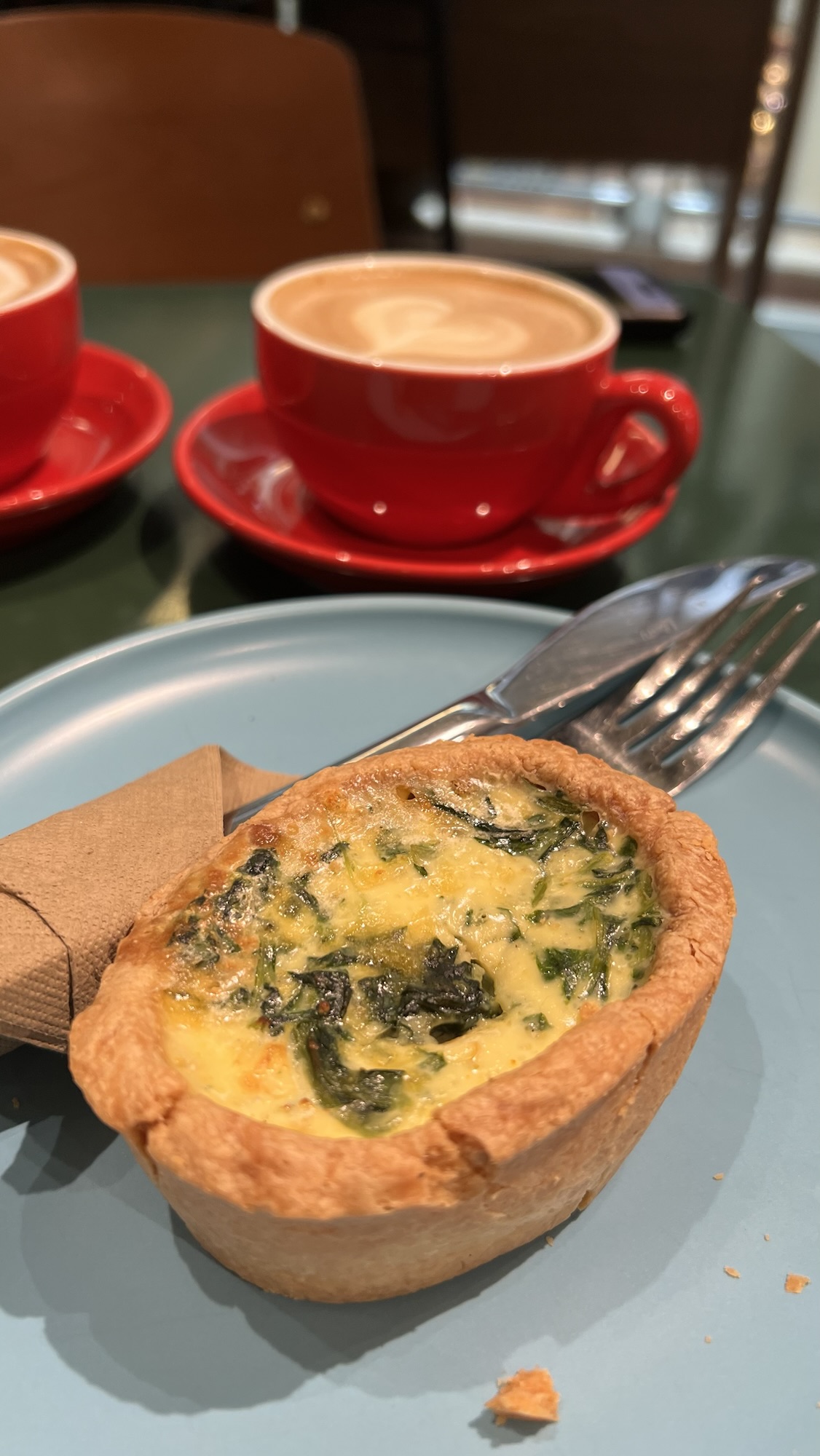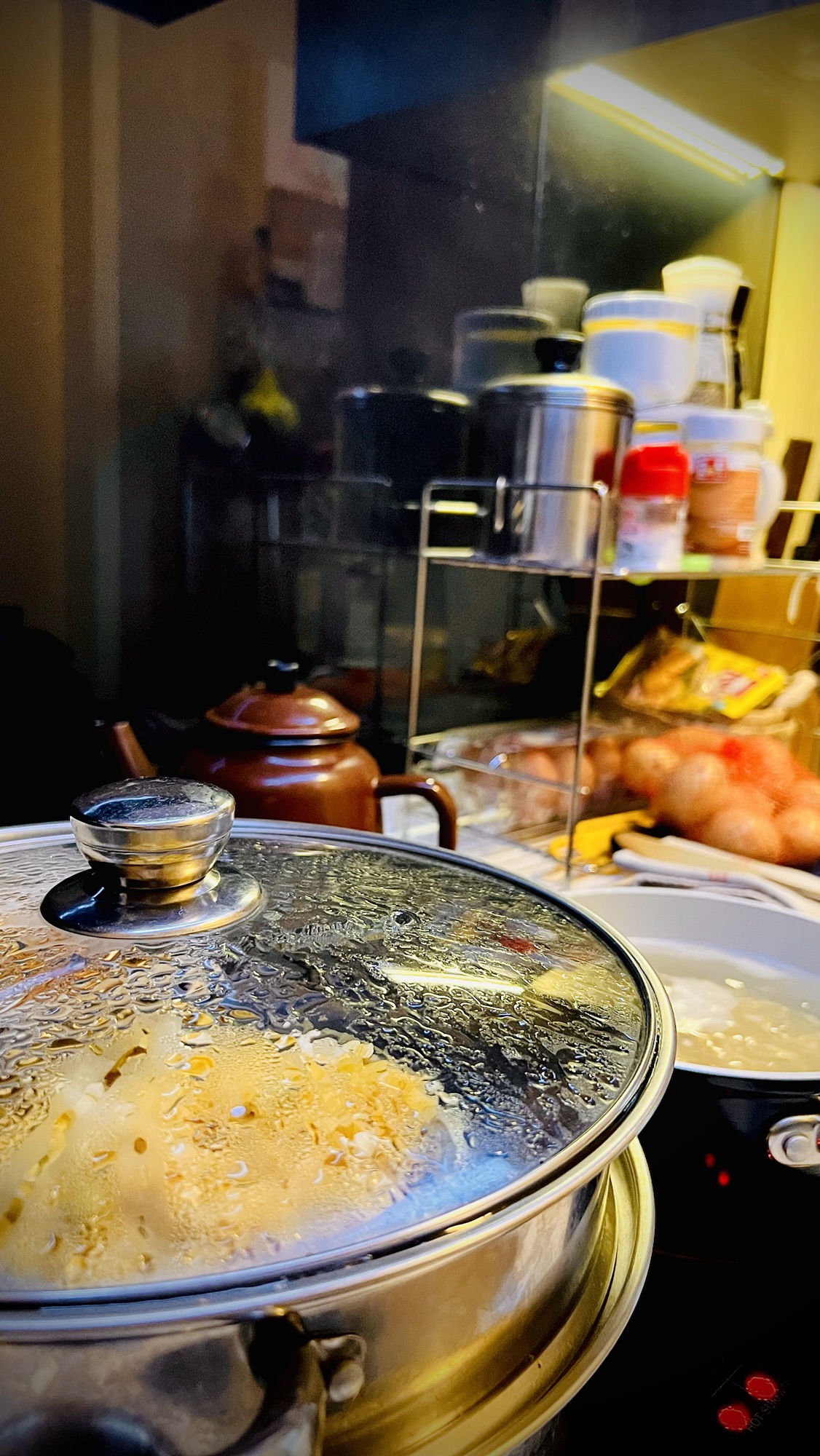
Lunch is biryani and paneer tikka masala from last night.


best viewed on your laptop or PC
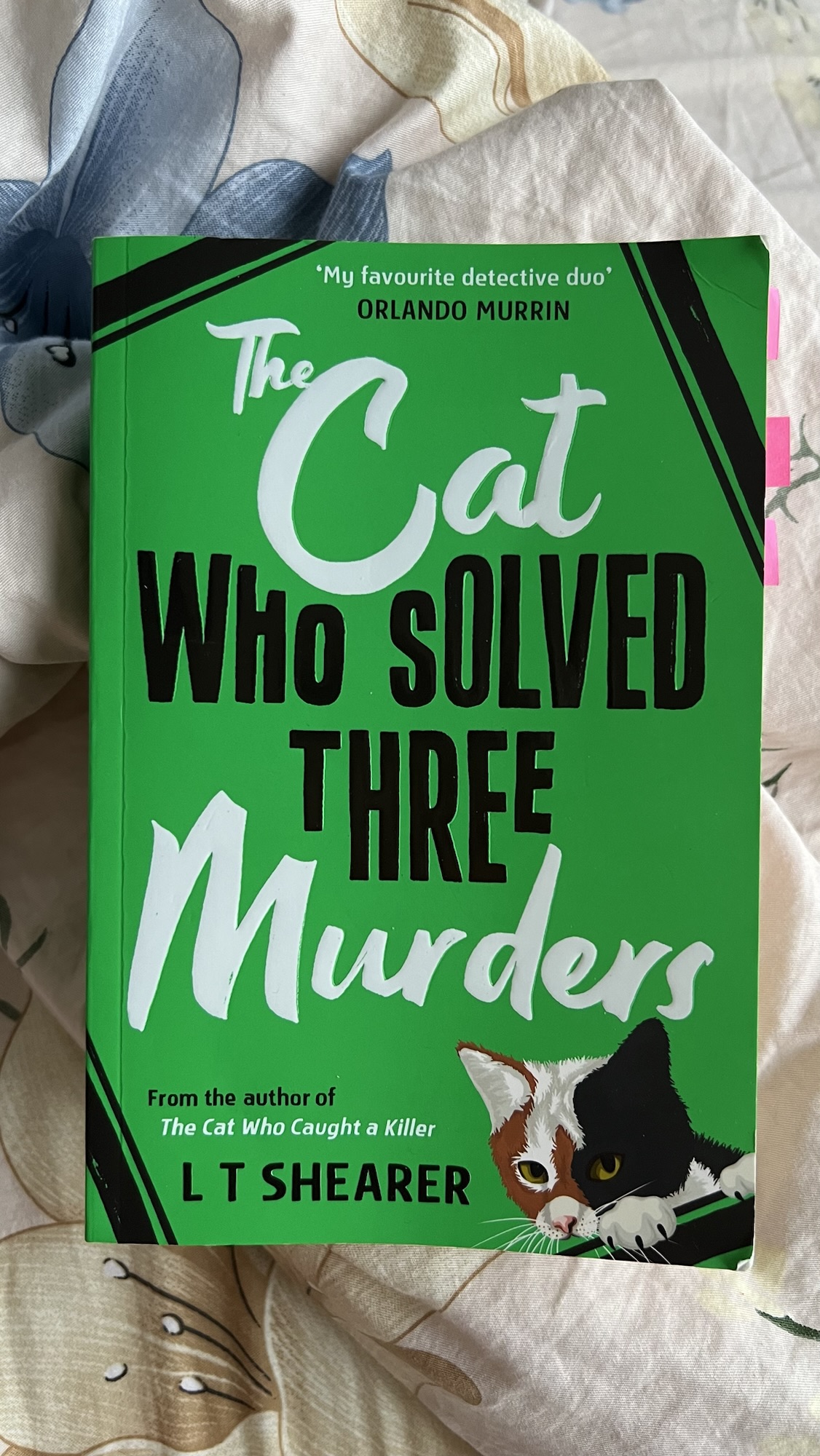
The cat’s name is Conrad and he can talk.
I admit, I was caught off-guard when the dialogue started. Yes, there were some mentions about it on the first several paragraphs, but I thought it was a figure of speech, you know? I didn’t expect of a “They’re scientists, you said.” I was, at that time, thinking, “huh, Lulu is with someone? I thought she’s only with her— OH MY GOSH THE CAT TALKS.”
The main characters are the duo: Lulu, a retired Met detective living in a boathouse named “The Lark”, and her male calico cat: Conrad.
Apparently, other than talking, Conrad can see aura. Whether it’s true or not that cats can see aura. it’s still remain debatable. One thing for sure, orangutan choose not to speak because they don’t want to pay taxes.
Anyway.
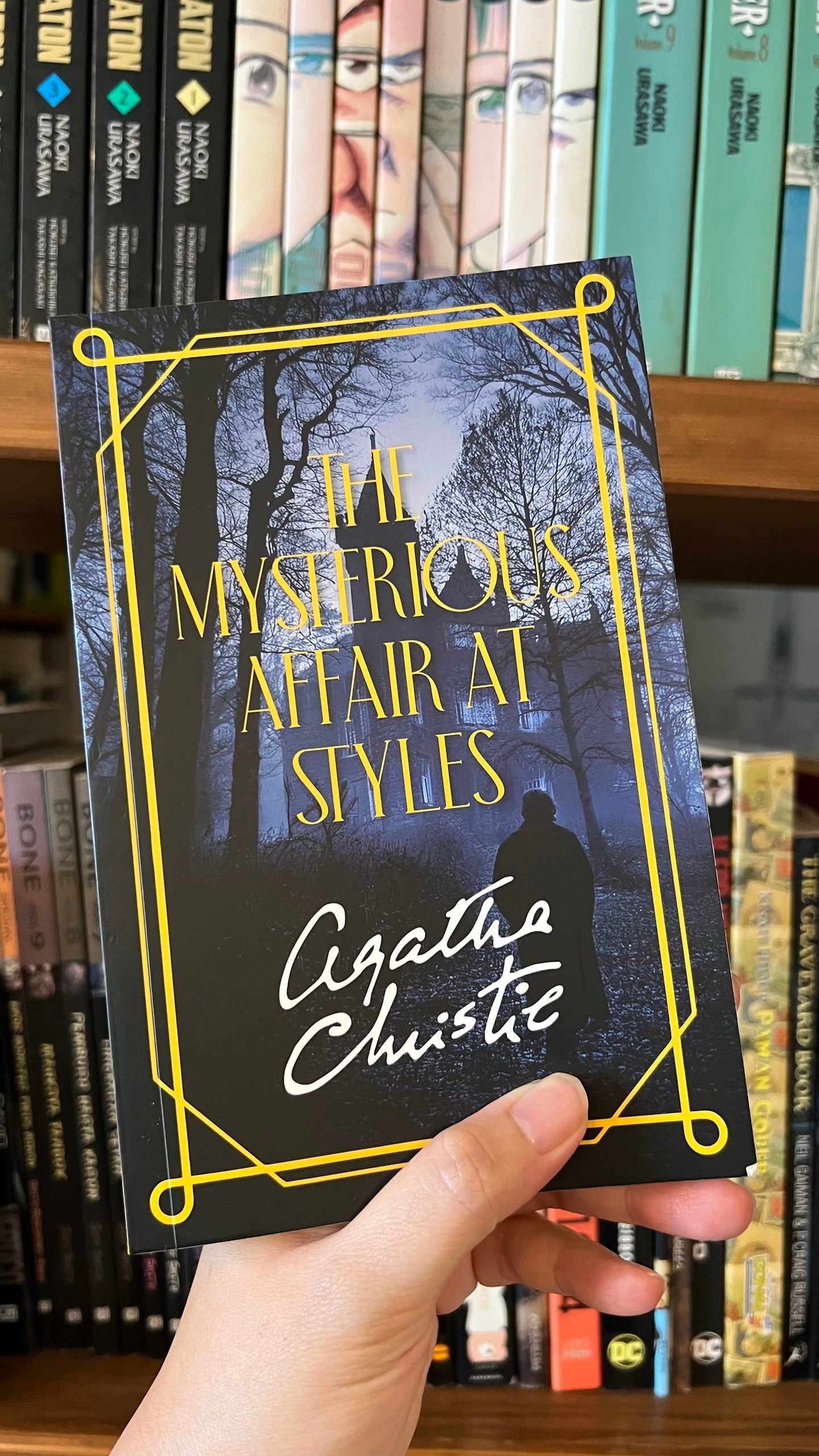
The story genre is a murder mystery, and apparently the book is part of a series, preceded by “The Cat who Caught a Killer”. That said, this novel is closer to cozy murder mystery.
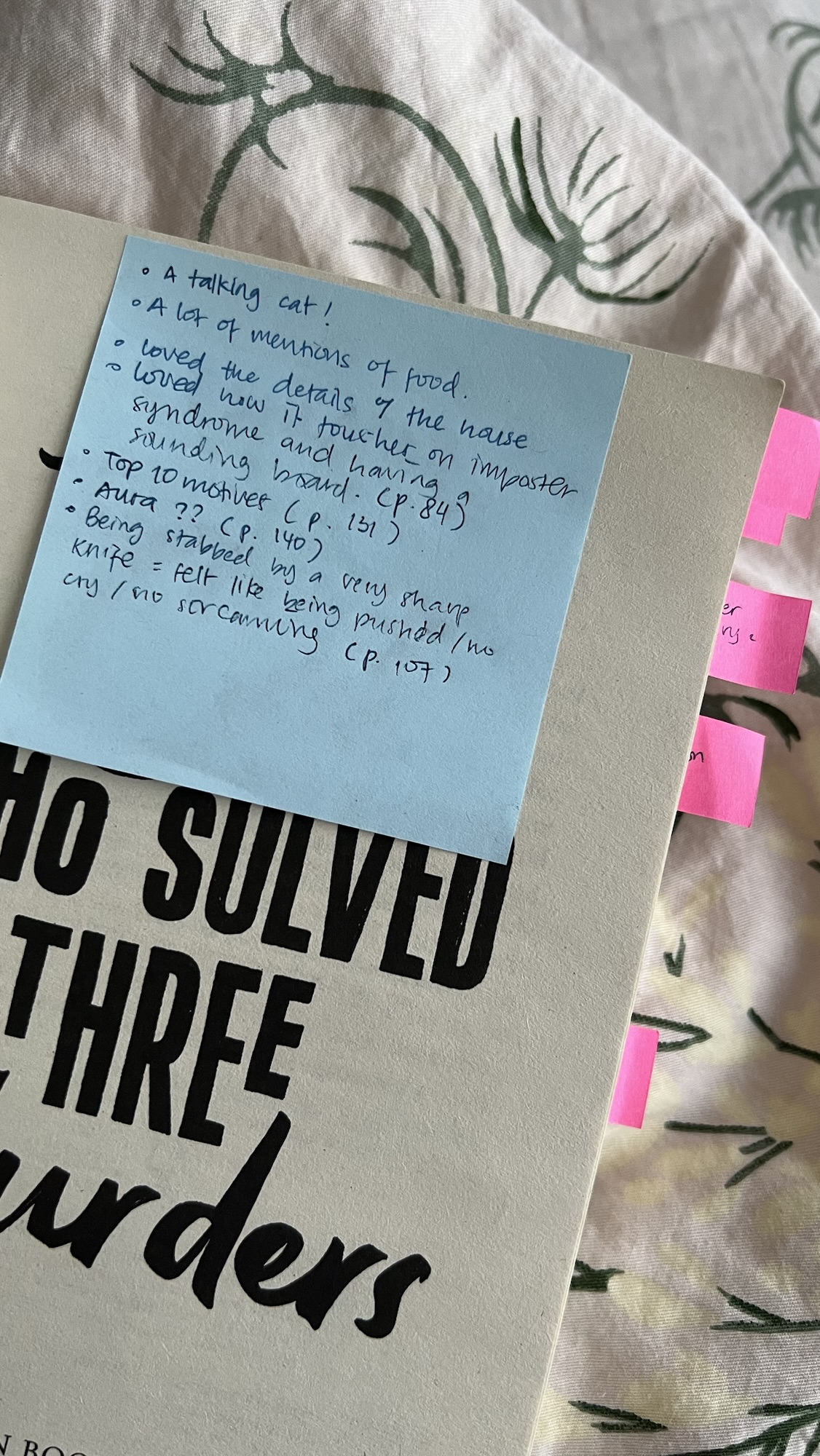
Setting-wise, I appreciate the writer’s details on explaining the house. I found it tricky to write down details, and I admire works by Umberto Eco on how, in “The Name of the Rose”, he wrote in great details the Italian abbey where the murders happened. In this case, L T Shearer would be my new favorite. The details were not as extensive and as elaborate as the late Sig. Eco, but I enjoy imagining the wooden doors, the chandeliers, and the broken French windows — that seemingly getting shattered and crashed many many times throughout the story. There was a point during reading that I was expecting the glazier (the person who fixing/installing glasses on windows) to march down the house and huff angrily, “AGAIN? IT BREAKS, AGAIN?”
Another thing that I noticed from this novel is the brand names scattered on the story. I might be wrong, and my knowledge and repertoire in literature and novels are quite limited, too, but I don’t think I ever read novels with such numbers of brand names being mentioned. I think the only time I noticed a brand name mentioned clearly was on “The Girl with the Dragon Tattoo” by Stieg Larsson when the main character, Lisbeth Salander, purchased IKEA furnitures for her apartment (and why we don’t have that, IKEA? Hmm?) The most prominent one was Marks & Spencer (M&S) food, and I found it amusing because here in Indonesia and Malaysia, M&S has been more known as a fashion store than their food selections (a fact that seemingly M&S Malaysia trying to change.) Now, while I understand that it might be the writer’s preference, I honestly wondered if it was: 1. Out of habit, or trying to make it easier to the readers to imagine and visualize a scene by putting something “familiar” (although I have to be honest: I’m not familiar with M&S Nibbles and I had to Google it), or 2. Brand placements. Nothing wrong with brand placements, though. I mean, Korean dramas and Indonesian sinetrons can be ten times worse than that. It’s just interesting to see from a novel.
Another particular thing that I noticed on this novel is the mention of food. I commented about it to my husband, “… it feels like Enid Blyton wrote a murder mystery.” I wonder if this is a British thing; to see comfort, familiarity, and the world may crash and burn as we speak, but we have a cup of nice hot tea alliswell.jpg-mentality. This also transcends to TV series. I remember I watched this movie, an adaptation of Sherlock Holmes “The Hound of the Baskervilles”, with Richard Roxburgh as Sherlock Holmes, Ian Hart as Dr. John Watson, and Richard E. Grant as Jack Stapleton. Other than Richard E. Grant’s mad talent and ability to play Jack Stapleton that made me wanted to throw a pillow to the TV screen while screaming, “CREEP!”, there was a really simple scene that burned its way into my brain: A character poured a hot tea into a teacup and steam coming up, showing how warm the tea must be in the cold crisp morning. That got stuck with me. I remember I thought, “it must be a really nice warm breakfast.” The novel “The Cat who Solved Three Murders” is not an exception either. Even a simple act of cooking a scrambled egg in a microwave (I know, I know. I was surprised, too. Don’t let my husband heard about it — he takes pride in cooking his scrambled egg just like how Gordon Ramsay taught it on Youtube) was so endearing and calming.
Story-wise, I found it amusing that the writer managed to capture such good grasp of police’s bureaucracy. The story mentioned about “bag holder”, decision log, and many things that I just learned on how policework actually works. One of my teammates used to be a police officer in the UK, and I wonder if I could ask him questions on how he used to work and the administrative tasks. Also, I wonder how investigations work in the UK. When Lulu and a detective named Tracey visited an insurance office and mentioned that they need to look every floor of the office and crosscheck the personnels, the process seemed… Smooth. I spent a good chunk of my young adult life watching “CSI: Las Vegas” series, and a question mark immediately lighten up in my brain when I read the part when the secretary, Gary, allowed Lulu and Tracey to explore the whole building: “Wait. That easy? There is no need to ask for a warrant?” Then again, two countries, two judiciary systems.
For characters, I enjoyed how humane the characters are. Including Conrad. I had this gnawing belief that the writer seemed wanting to put more women characters in the spotlight, which, heck yea. That said, my favorite part is whenever the characters fell at ease when Conrad was around. I feel that would work — and definitely worked — in the real life, you know? Having a familiar animal such as cats helps easing the tensions and stress, and it was quite evident in the novel that Conrad exploited it to the max, hahah.
Now. Let’s just rip the band-aid out. Again, this might be coming from me and my “CSI”-series and how I am used with your regular channel of murder mysteries and thriller. When we finally found out who the murderer is, it felt… anticlimatic. At least for me. Then again, perhaps the unmasking of the murderer is not the most laser-focus point on the story, so please take this with a grain of salt. I’m not going to say the whole thing is predictable, but — again, me and my “CSI”-thingy — considering the circumstances and the knowledge the characters had, the culprit should have been quite obvious since the middle of the story; and I’ve been wondering why they didn’t bring the person for interviews sooner. Then again, it might be due to a different judiciary process. Also, somehow, when the murderer finally confessed and spewed some insults and expletives to the police when they were interrogated, a lot of the dialogue reminded me of angry users on chat or emails. I think that’s part of the charm, no? The whole plot was light, so to have everything stays in the same level is a great task to tackle, and this is kudos to the writer.
The closing itself was quite good — but this, honestly, for me, came after I reread it multiple times to understand Lulu and Tracey’s motivations. That said, I want to give credits to the writer. Closure is hard. Let alone novels, closing a freaking blog post is HARD. You want to sound witty, piquing your readers’ interest, but in the end, you end up with a picture gallery (I’m guilty of that.) In this novel, I sensed the writer’s tendency to close the chapters with Conrad meowed and Lulu mentioned something like, “he (Conrad) is a so-and-so cat.” This is also evident on the last few paragraphs on the novel. Someone remarked something, and someone else replied with a quip. Nothing is wrong with it, but I wondered if we can have some kind of excitement building up for the next series. Something like, turning on the boathouse engine for the next trip — to symbolize Lulu and Conrad’s journey.
To close the review (ha!), if you enjoy hair-raising thriller murder mystery story, this novel might be not for you. This does not mean the novel is bad. Far from it. This novel might not be your cup of tea, but then again, some folks can be really open to try new type of teas, right?
Also, speaking about hair-raising, kudos to L T Shearer for writing the scene where Lulu and Conrad looked out their room after hearing something in the house in a pitch-dark night at 2 AM. It was so vivid, I could imagine I was there.
If you enjoy cozy murder mysteries, though, and usually read it while curling on your bed or your sofa with a nice warm tea or chocolate in a mug, you would find this novel has its charm.
One thing that I despise most after pocket-less dresses is a planned obsolescence.
As we use things around us, it’s expected to have them in a wear-and-tear condition. In the old times, a lot of equipments and belongings are manufactured and produced in such a way that they can withstand prolonged usage and stay in a good shape even after years.
Enter, the age of peace and communication, which brings forth: consumerism. Corporates started to find ways for the public to consume more and more. While consumption itself is, inherently, a good thing to boost economy, overconsumption is not. Unfortunately, overconsumption seems like a road that a lot of corporates are taking into. This birthed the idea of “Planned Obsolescence” — Purposely frail design, or make it “out of fashion/trend” by playing to the customers’ insecurity, so the customers have “no other choices” but to buy.
I started realized it when my Dyson vacuum “broke down.” I was in the middle of cleaning the vacuum’s dust container as people usually do, when I realized the seal no longer on its place. This caused the dust container unable to stay on its place, essentially making the vacuum as “useless.”
Mind you, the vacuum motor is still in a tip-top shape, and it still works well. It was the dust container that no longer work.
I checked Dyson Malaysia website, looking for spare parts, and imagine my confusion seeing none of them. I grew up with Electrolux vacuum cleaner, a behemoth of 5-7 kilograms, witnessed generations growing up, and I remember my parents got spare parts from the store when something broke, so naturally, I thought the same principal applied.
I then Googled it, and I found that the website USED TO sell spare parts, but not anymore. Instead, I got greeted by a promotional banner of the newest Dyson vacuum. Forget about your old, outdated vacuum! Get a new one! A shinier model!
“Pissed” was an understatement. I refused to believe that I need to buy a brand new vacuum just because a dust container breaks. I then entered another realm: Online marketplace. Surely someone sell it, right? Right?
And right yes they did.
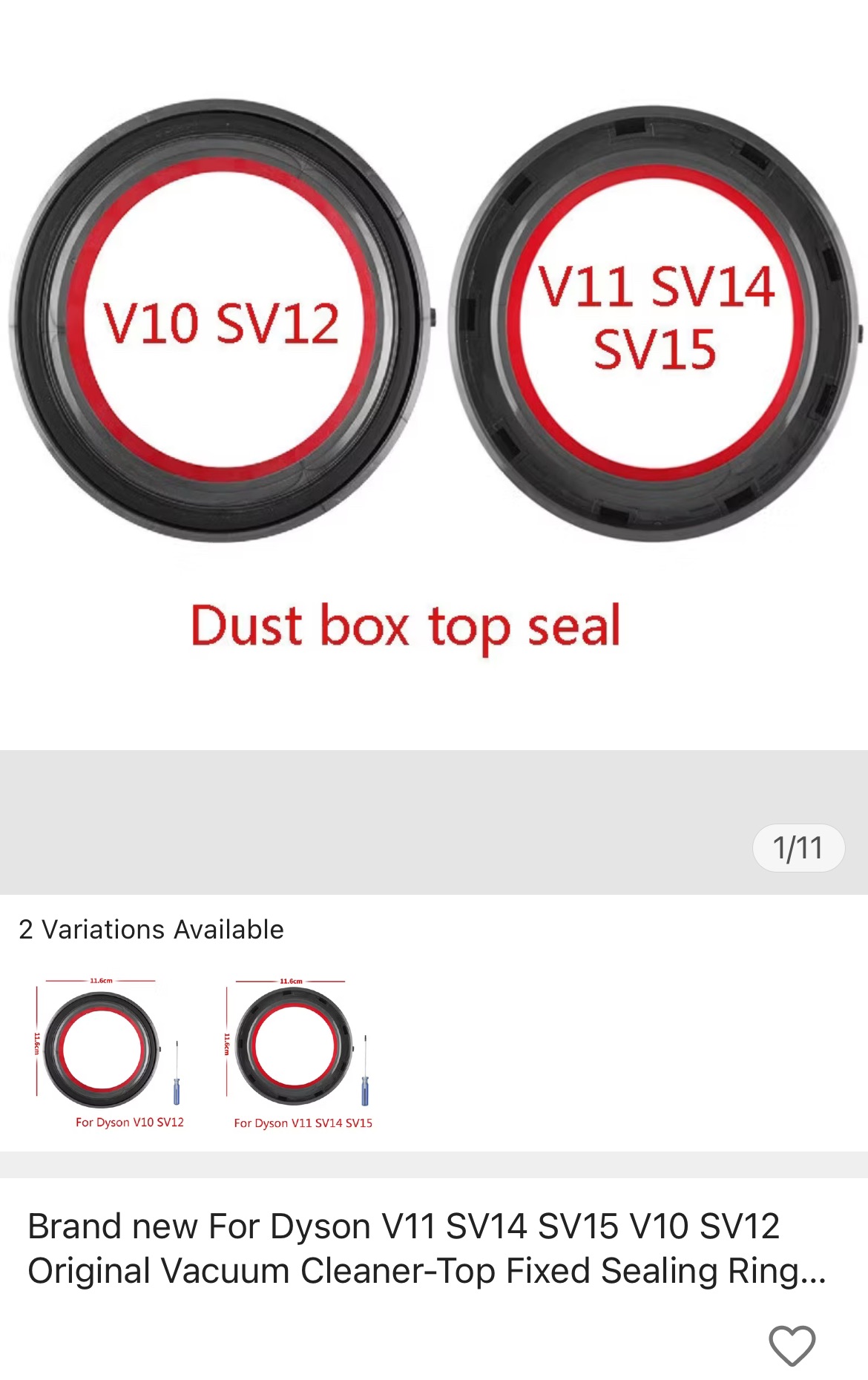
They even have variations for different models. Okay, granted, it’s from China and the cost of international shipping might offset the whole spirit of “rejecting planned obsolescence and overconsumption”, but at the same time, HAH, TAKE THAT, YOU CORPORATE GREED.
The price was ~US$14, including shipping fee, and after 2 minutes of following a Youtube instruction, this one:
My Dyson vacuum (V11, BTW) felt like new again.
Another one that just recently happened is my Sony WH-1000XM3 headphones. The headphones still work perfectly, chef’s kiss, won’t trade it for the world. But the ear pads, as you who are using headphones know, displayed signs of wear-and-tear. It was so bad, I found black fallings on my ears area, my neck, and my shoulders.
With such an ugly situation, what we gotta do? Of course replacing the pads only.
I’m so proud of myself.
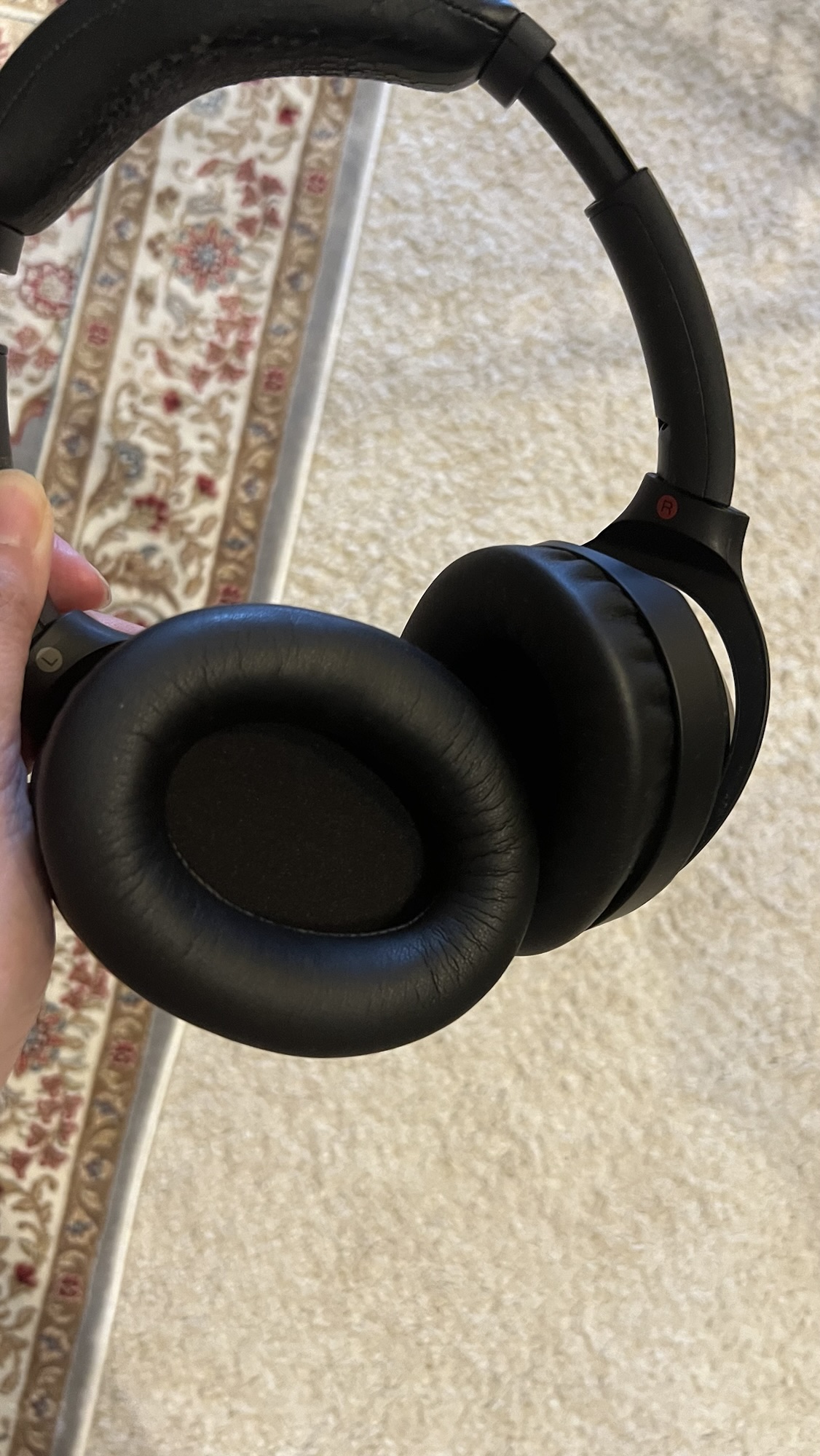
Looking good and fresh, right?
Also, I found out from a comment on the marketplace that while Sony Malaysia offers the pad replacements service, the headphones need to be left on the service center for a week and we need to pay the repair fee for ~US$50, whereas the pad sold on the marketplace only cost folks half of the price and 5 minutes to install.
At this point, honestly, I don’t care about “BUT THE ORIGINALITY—“ I started to believe that the concept of “original” is created and built by these corporates to keep us in the cage, and they make the replacements/fixing process even harder — and any attempt to fix/replace the spare parts from any place that outside their “official store” will create some kind of a nonexistent witch hunt. Their strategy is to make the fixing/repairing really scarce and difficult (or so, they want us to think) so the “only option” left is to buy a newer model. Yes, original spare parts are important, but only when the company provides it in the first place and make it easier for their customers to purchase.
Look, I’m not against in buying new products. At some points, we should. Newer products with newer technologies are safer and eco-friendlier. Some products might actually no longer have spare parts available in the market! With that in mind, it’s worth to gauge our needs — and differentiate them from our wants.
Also, when it’s time for you to buy new products, do take care of how you dispose of the old ones. They have been helping you, anyway! Check where you can process e-waste or recycle them.
Some eagle-eyed folks might already realized that this blog looked quite different, and it is. I moved my blog’s hosts to Hostinger — along with my photoblog (https://photos.corianderinpho.com/), and, currently thinking, the Impromptu Journal (https://impromptujournal.com/) — BTW, Impromptu Journal has been on hiatus for months, now. I’m thinking of reviving it along with a new URL/subdomain name to streamline everything, hahah.
Right now, I’m in the middle of tidying things up. This is my first time having self-hosted WordPress website(s) after so many years, and I’m excited. I’m actually amazed remembering how I used to be so at ease with self-host, and now it feels like I’m relearning new things! Anyway, kudos to the Hostinger Support staff for answering my newbie questions patiently, hahah.
Anyway. Yeah, I made a new website for my photos because I’ve been thinking of moving out from social media. I will still be around on social media to stay in touch with families and friends, but it would be mostly lurking or firing off memes on Instagram Stories. I know my photography skill is a whack compared to, say, National Geographics level, but please let a girl dream.
Speaking about photography, I just came back from Sydney, Australia for a team meetup. During a team meetup, we usually have learnups and workshops, and they can range from technical skills to hobbies. One of my teammates, Yuki, shared his tips for taking pictures. Yuki has always been interested in photography, and he’s the kind of person that you would call “he took blurry pictures and it looks professional, whereas if it was me, it would look like pictures taken by a drunkard.”
One of his tips is: Try to work with B/W. Sometimes, colored pictures can feel “meh” while B/W pics can evoke more mood and “vibes”. His words stuck with me ever since, so I decided to give B/W a try. So, yeah, pictures incoming — along with some ramblings about Sydney.
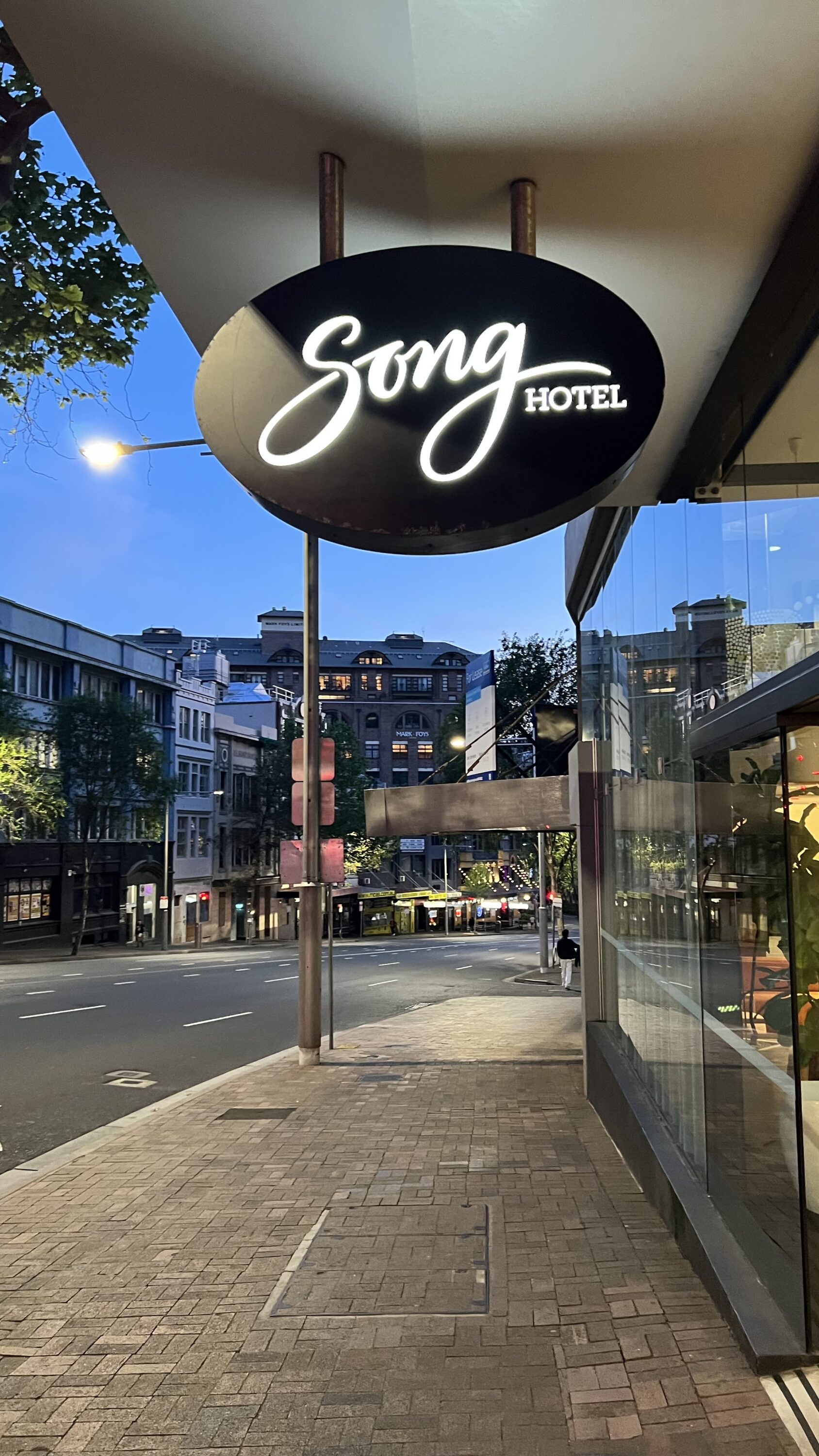
We stayed in the Song Hotel, right in the middle of the Central Business District. This was proven as a great choice because it’s really near Hyde Park and the Chinatown area. When our Australian colleagues heard that we were staying at the Song Hotel, their immediate comment was, “Ah, you won’t have to go far to find food.” The area was busy, mostly by international students, and you can find an amazing array of food, from your regular cafés to Korean restaurant specializing in selling Korean street snacks such as tteokbokki. Considering the name, Chinatown, you can expect to see different types of Asian food. I was pleasantly surprised to see nasi campur place (mixed rice) brought to you by Malaysian-Thailand.
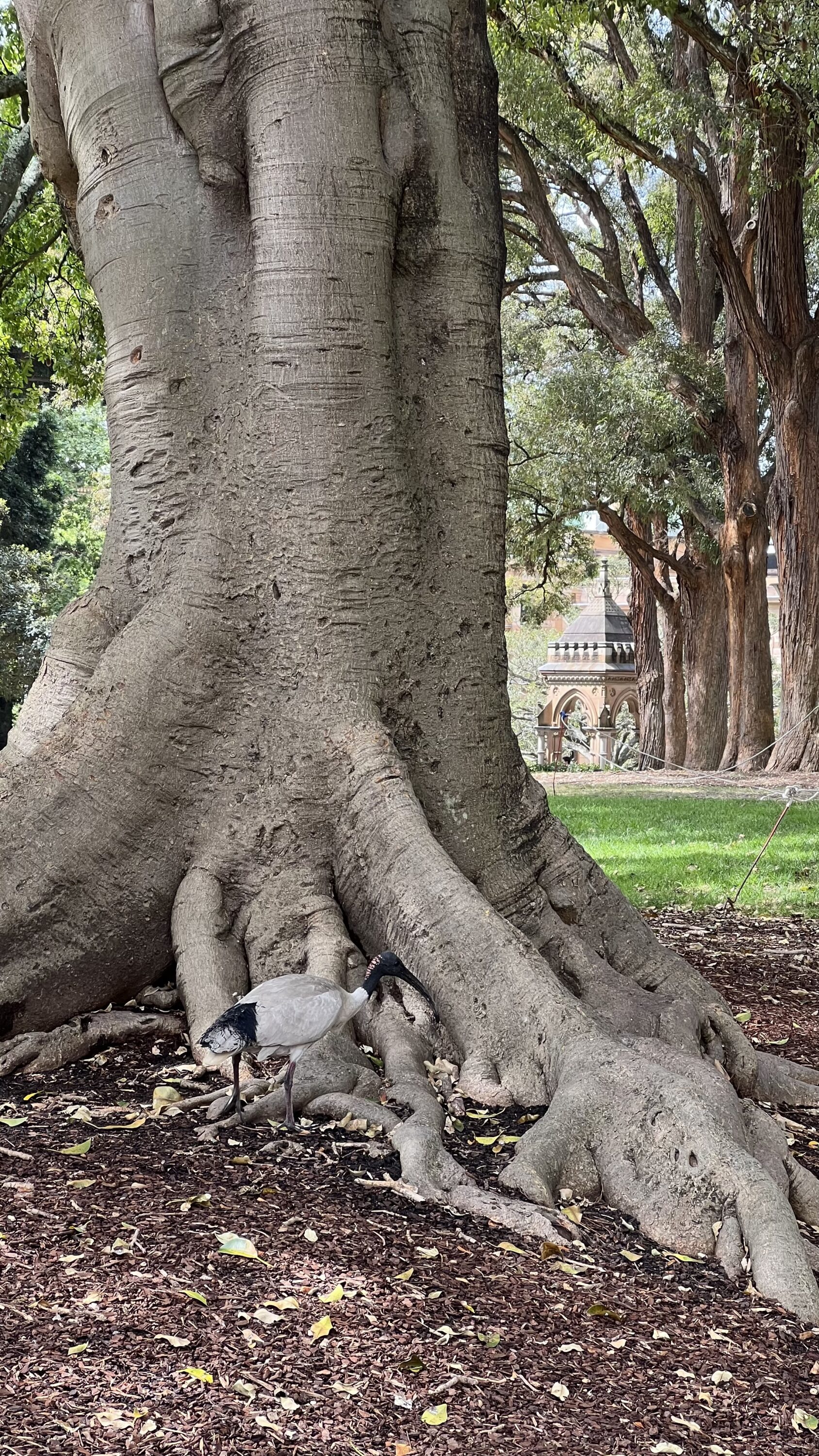

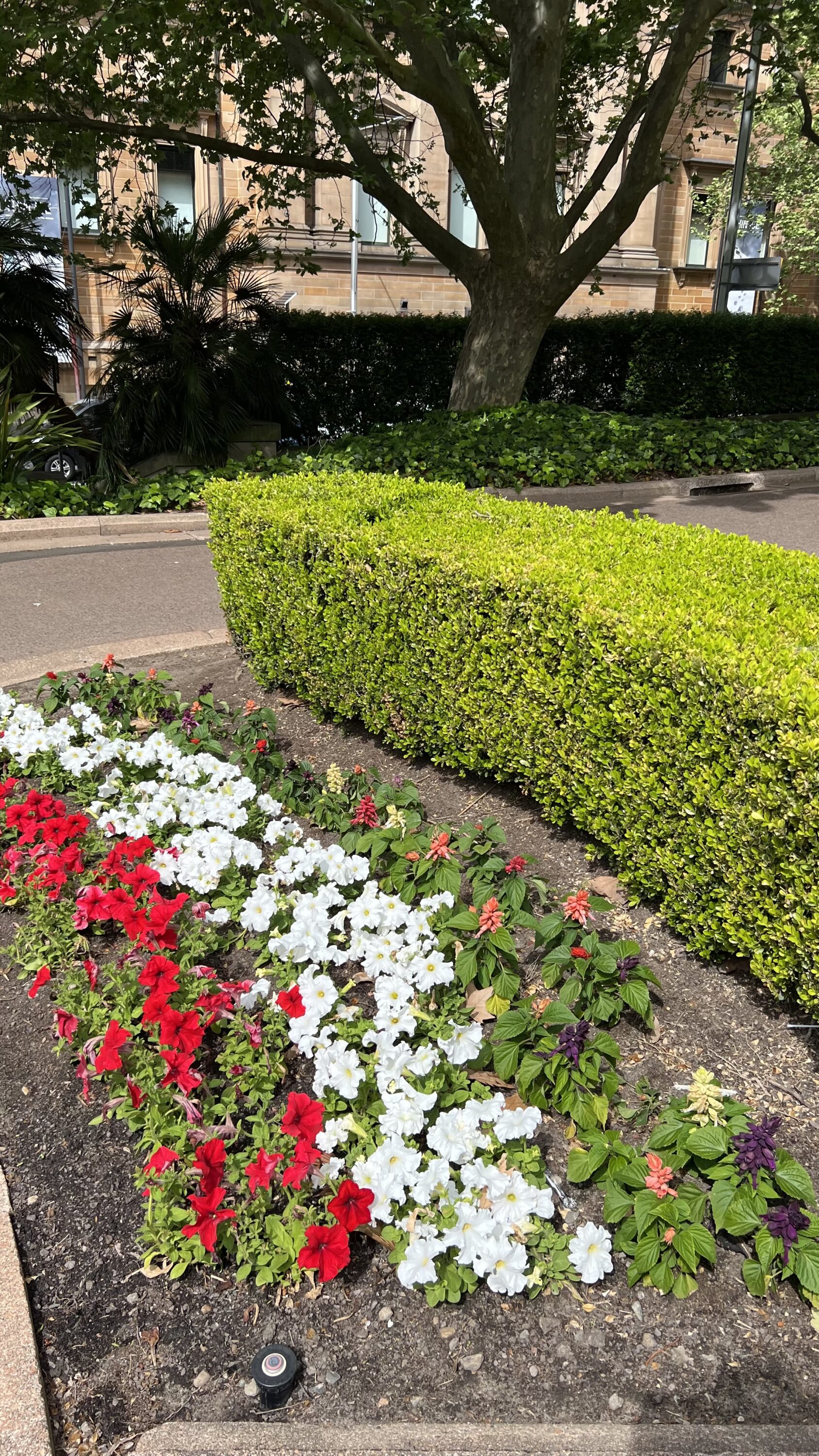
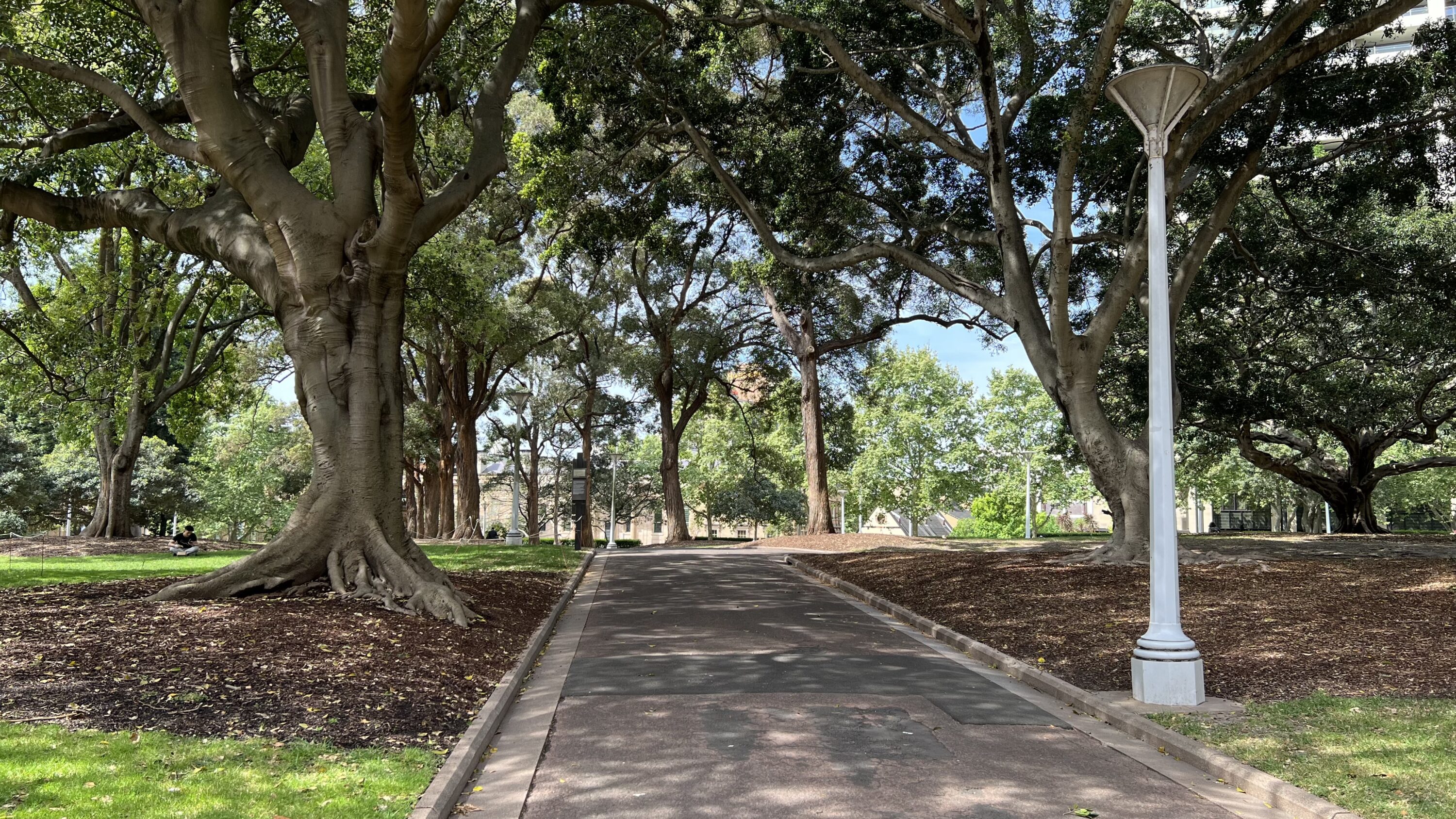
I have to be honest here: I found it… Slightly conflicted to see James Cook’s statue. While I admit that he has been one of the best explorers in history, his impact on the natives in the continent was not something that people usually remember fondly. That said, I was really happy to see a lot of Acknowledgment of Traditional Owners during my stay in Sydney.
Another aspect of Sydney that I find really amusing is the seagull.
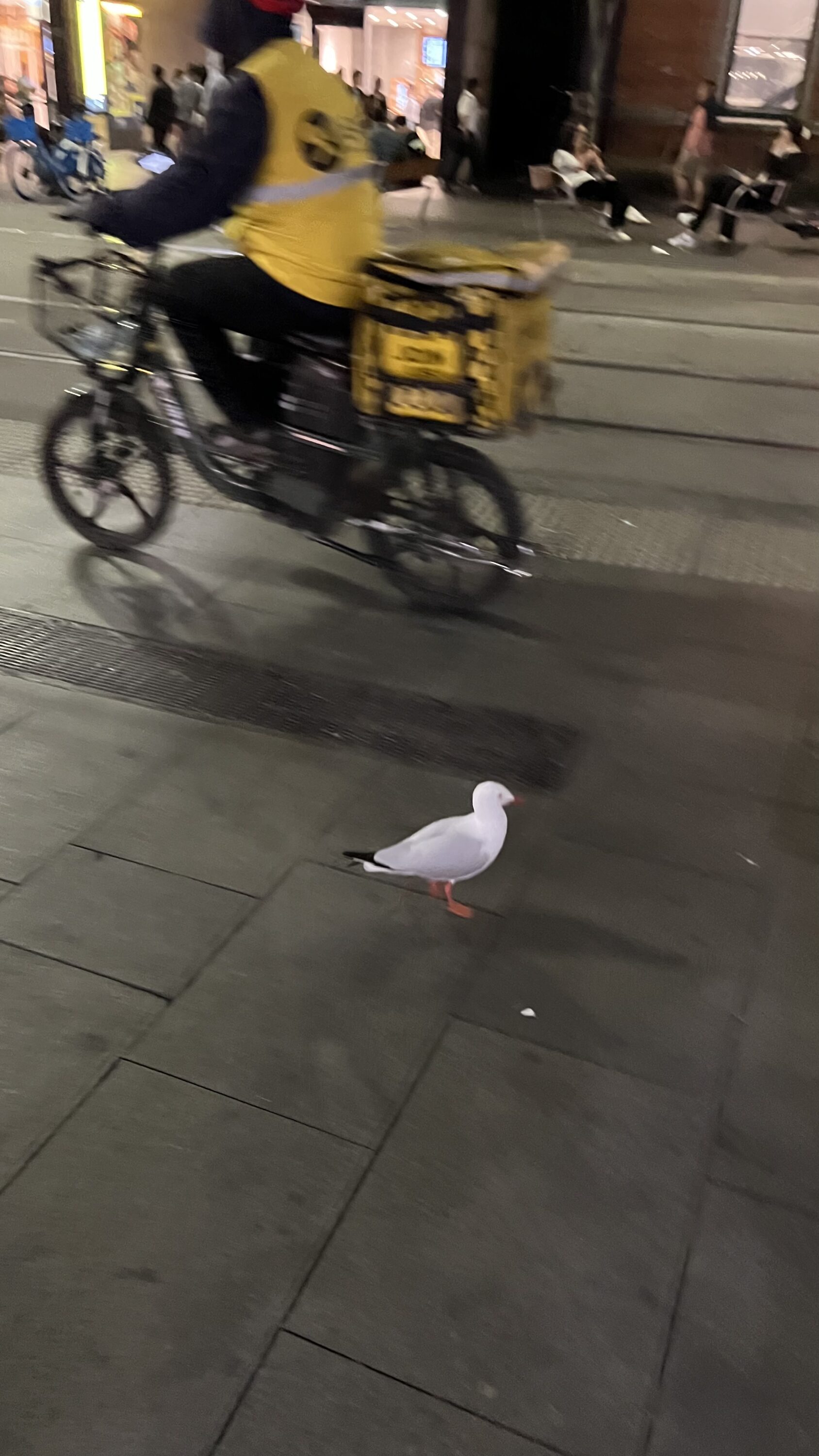
Growing up with “Finding Nemo”, I always thought seagulls would sound like “mine, mine, mine.” I was wrong. They sounded more like a screech with such respite, hatred, and their strong intent to snatch your chips.
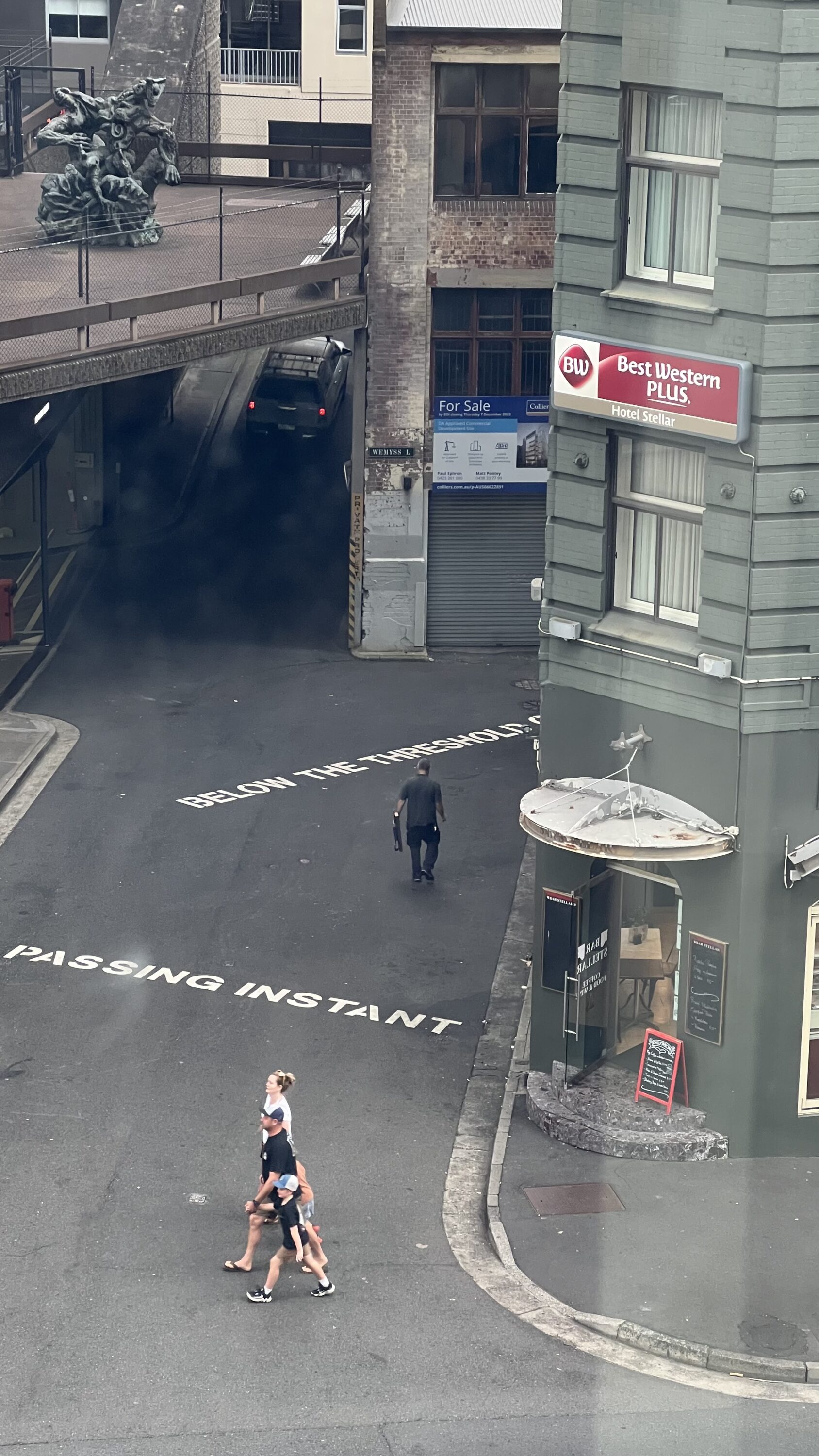
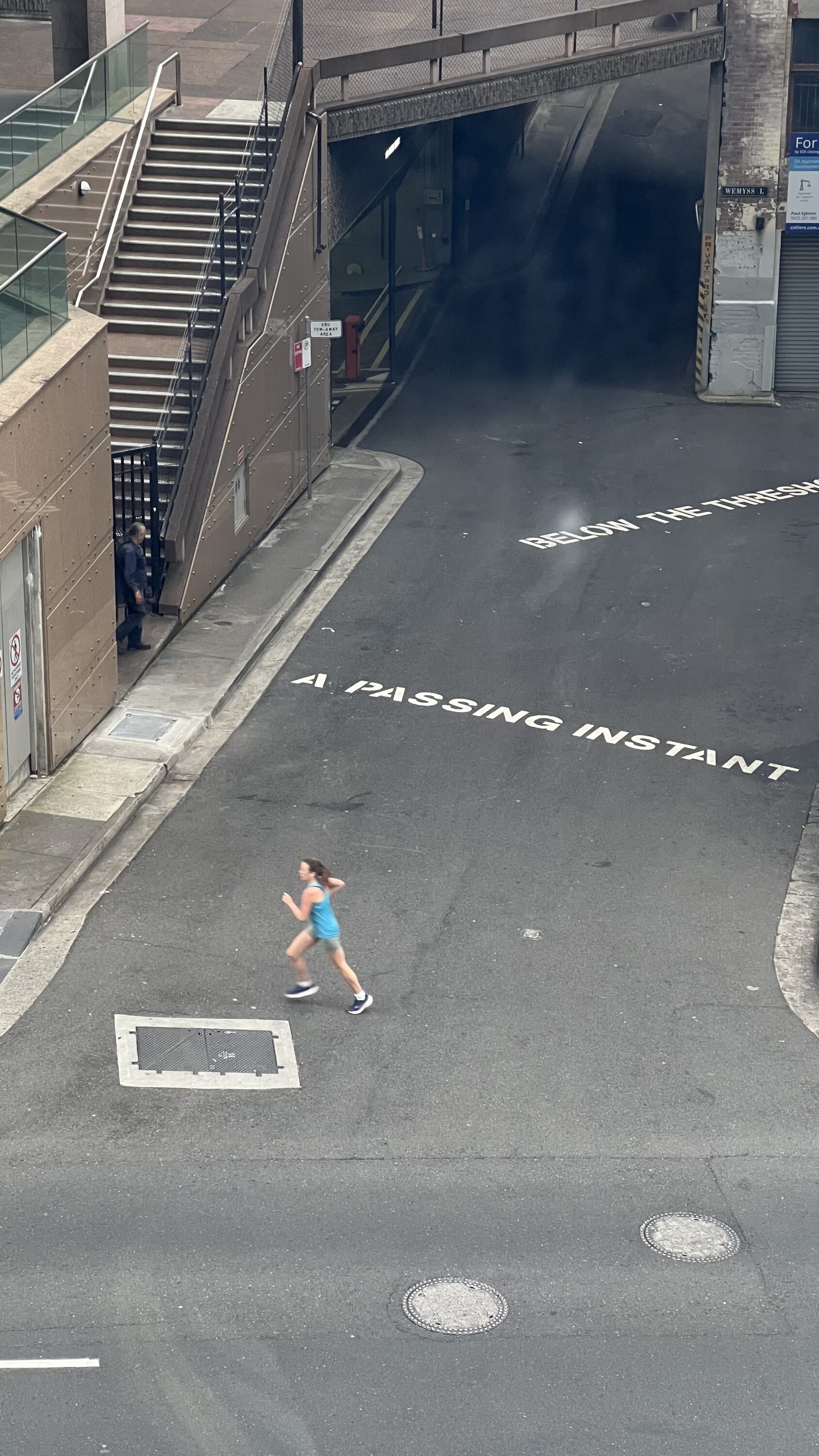
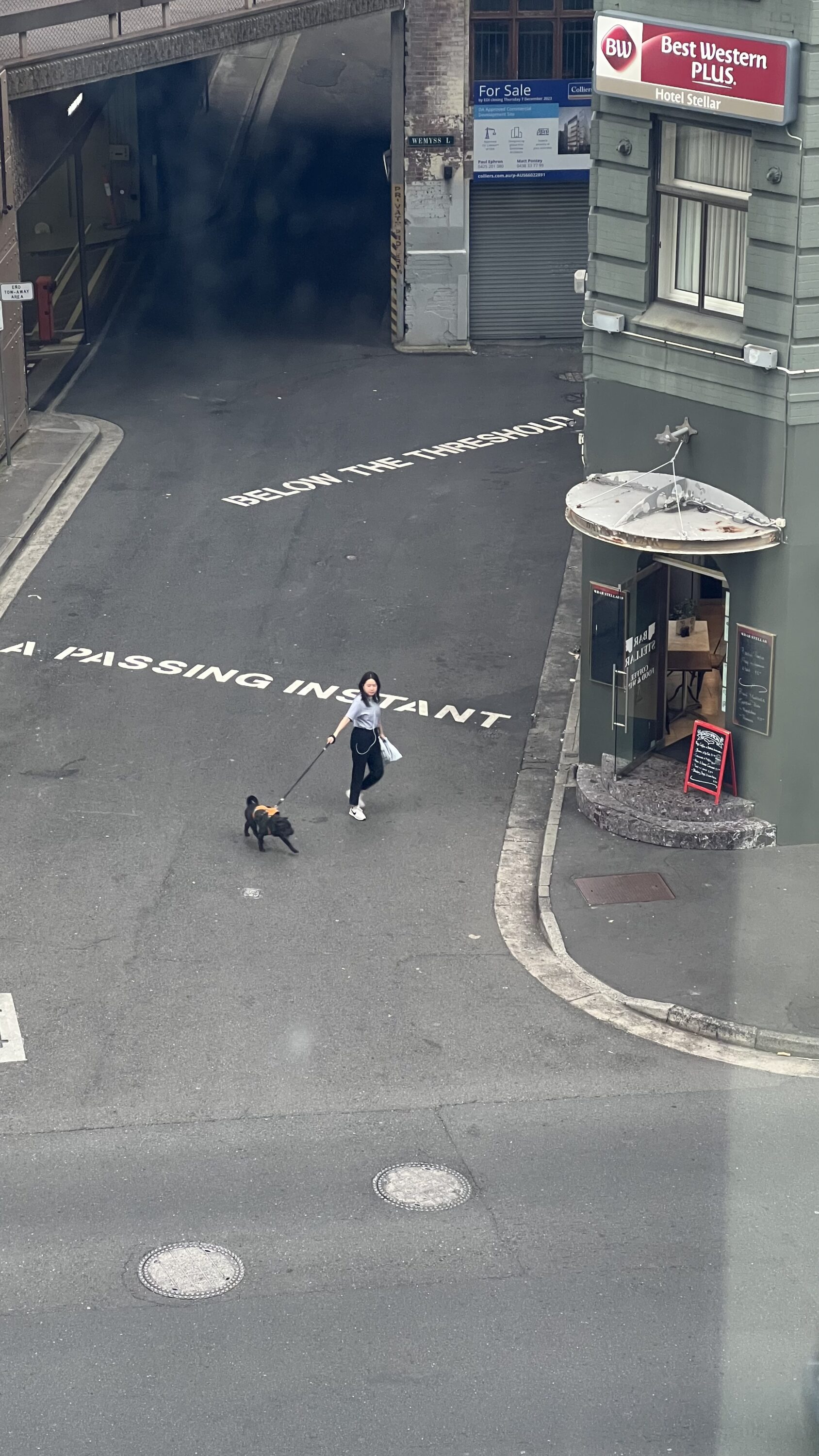
This was my first time in Sydney, and I quick realized that seagulls and the city come as a package. While the seagulls in the City Center was relatively “okay” (I know Sydneysiders will kick me for this), those in the Sydney Harbor and Opera House are vicious. We were on the square nearby the Harbour, enjoying muffins and coffee, along with this tourist couple. They walked to a nearby seat while holding the oh-so-familiar Hungry Jack’s paper bag (in case you are not familiar; Hungry Jack’s is the Australian franchise of the Burger King) and deep down, I have this tingling sense that these seagulls are trained to recognize the paperbag and what it entails.
They swooped down, and this couple — bless them — blissfully unaware of what would come, took out the burgers and the chips (since we are in Australia, I will defer to “chips” instead of “french fries”). As if under one inaudible command, the seagulls started to jump and hover around them, all while screaming and grabbing the chips. A man ran from the corner of the square while yelling, “HEY! HEY! NO! HEYYYY!” and waving his hands. The Good Samaritan shooed the birds, much to the birds’ protests (loudly). He tapped one of the tourist’s shoulder and asked, “you alright?” The tourist, visibly shocked because Getting Attacked by Seagulls might not be on his Bingo card, nodded while shared a nervous smile. The stranger nodded and walked past, as quick as his arrival. Not all heroes wear capes. Some of them wearing brown Billabong jacket and sneakers.
We were lucky because our snack was muffins, and I think seagulls dislike muffins. And no, I don’t have any intention to test my hypothesis. Ever.
Below are some pics that I took. Click for the original resolution display.


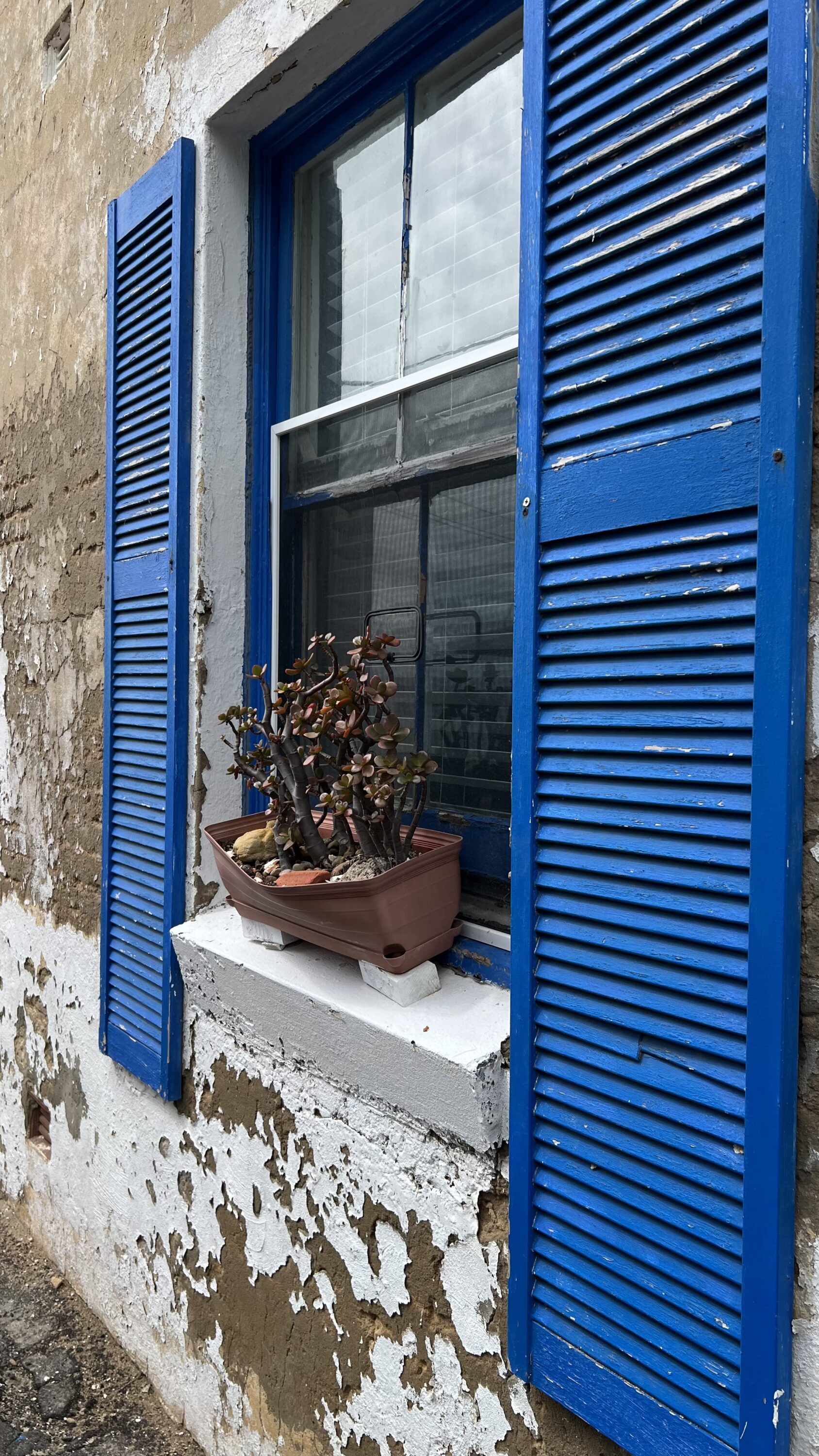



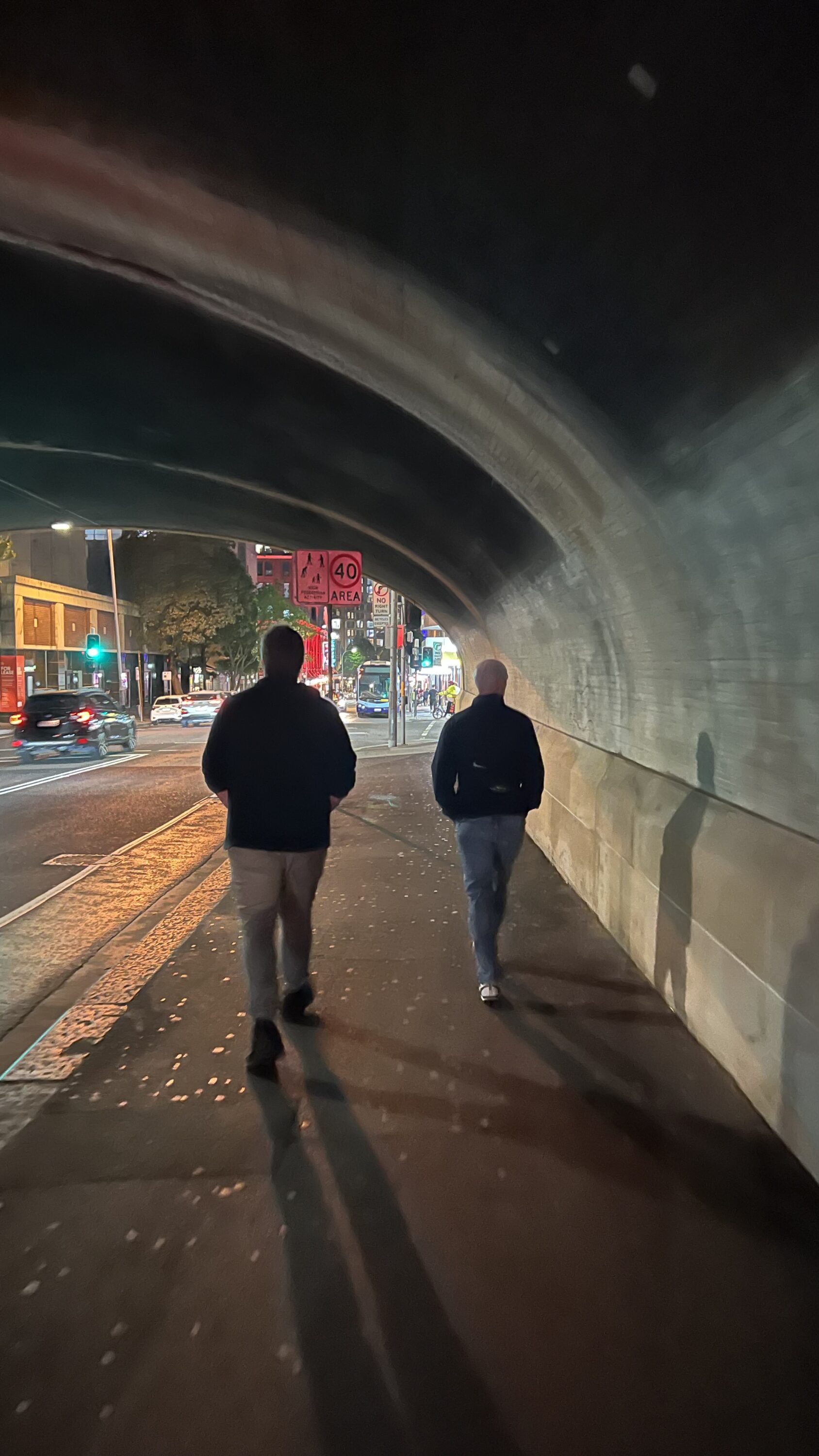
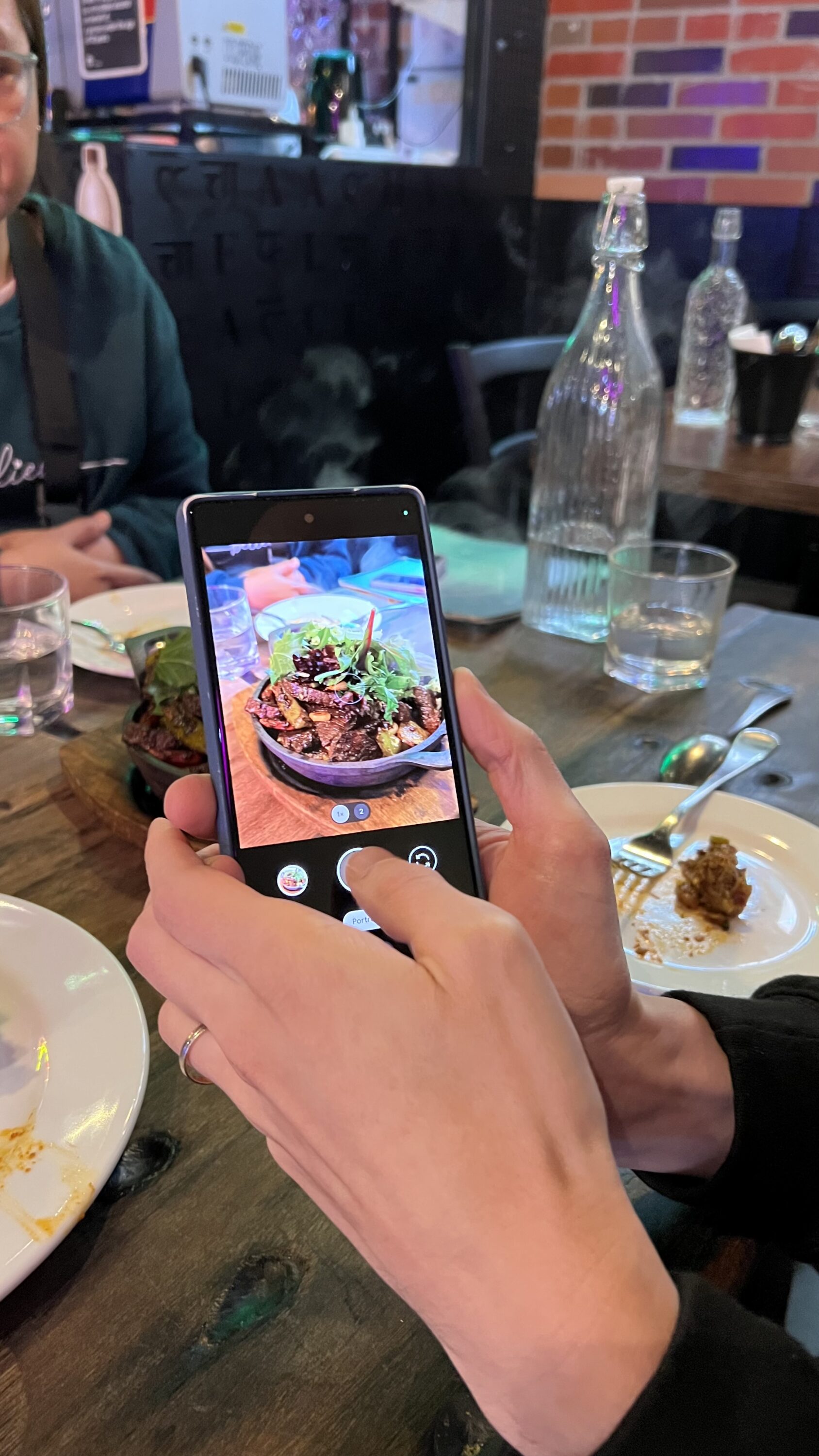
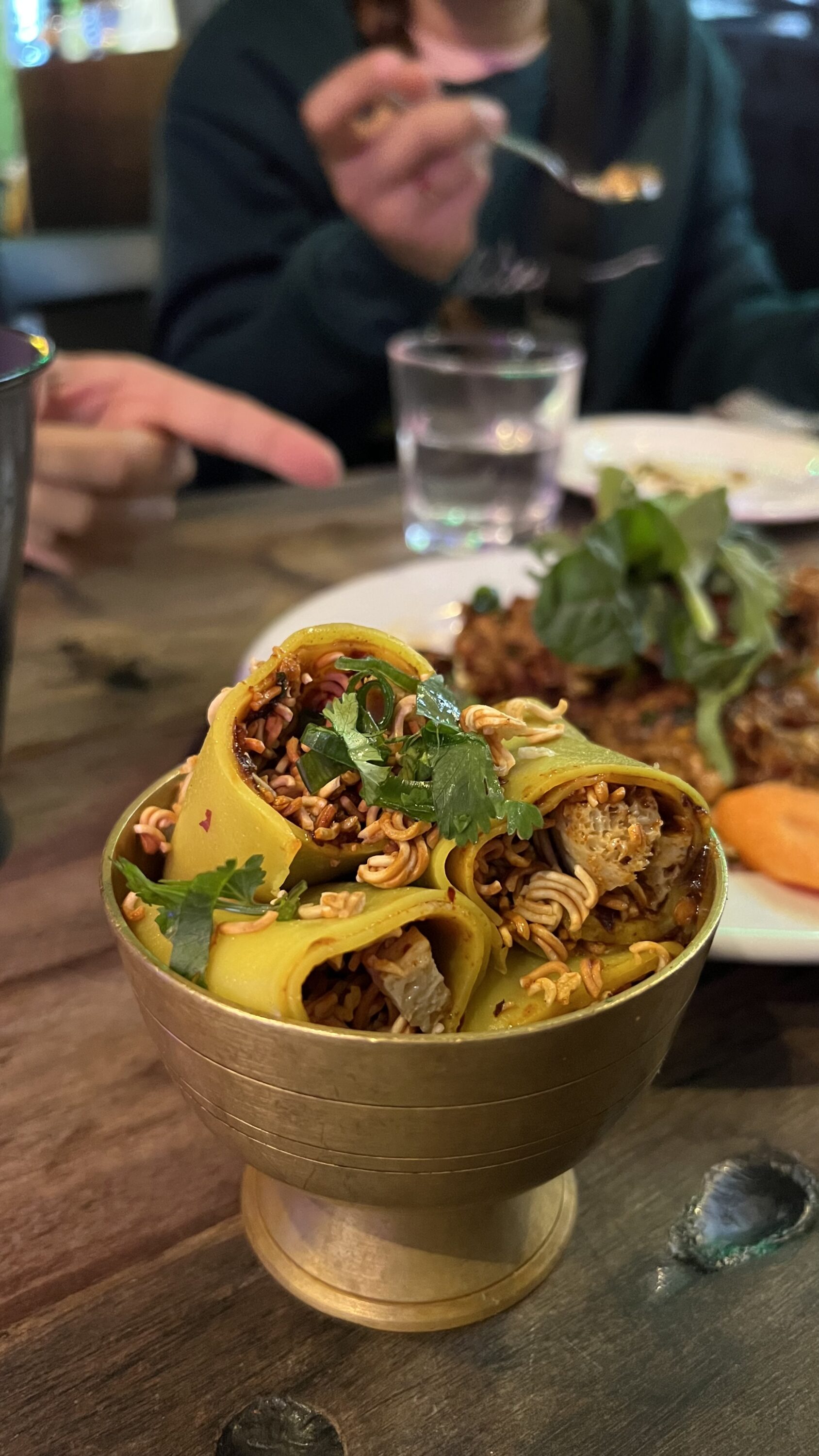

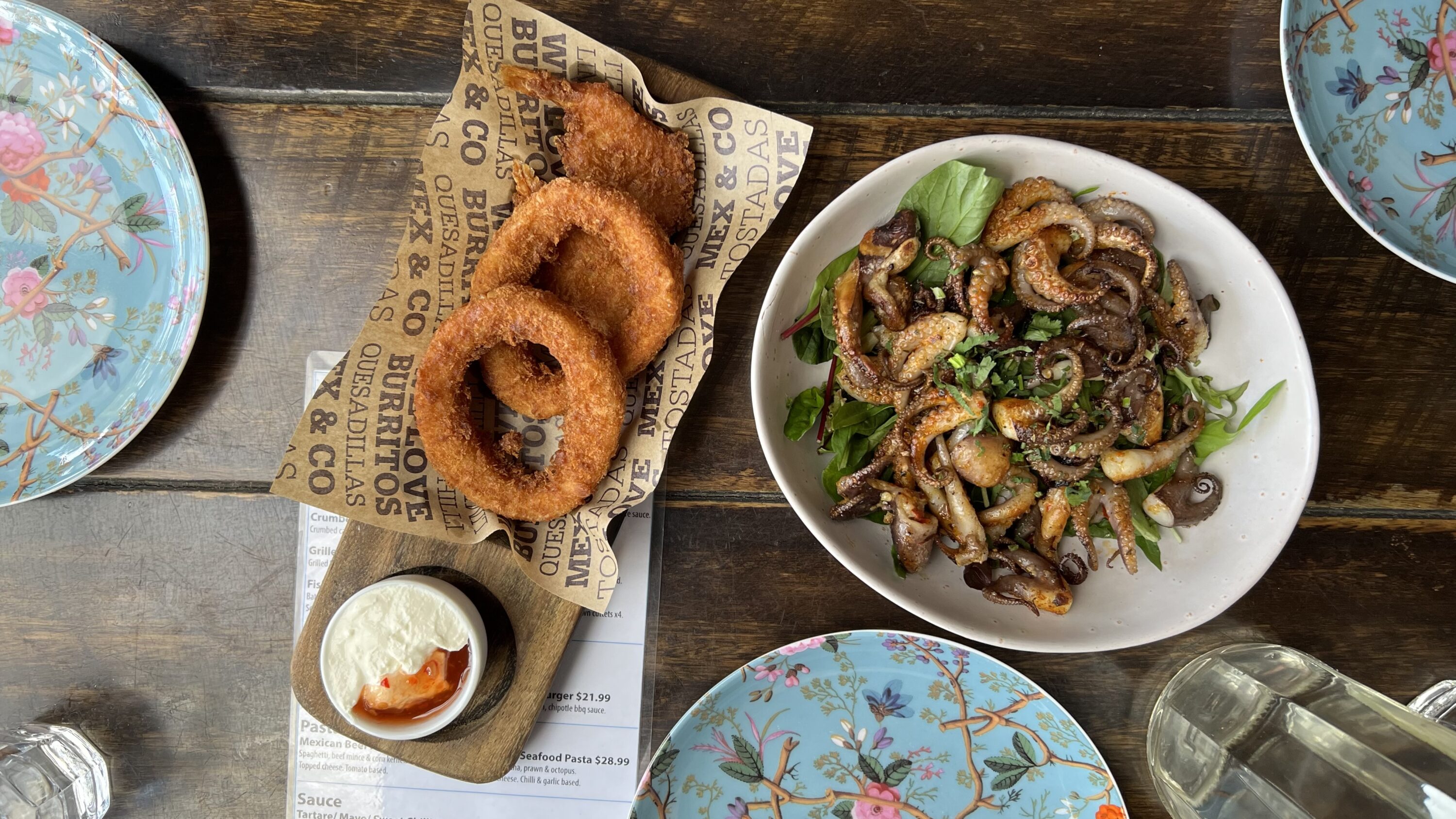
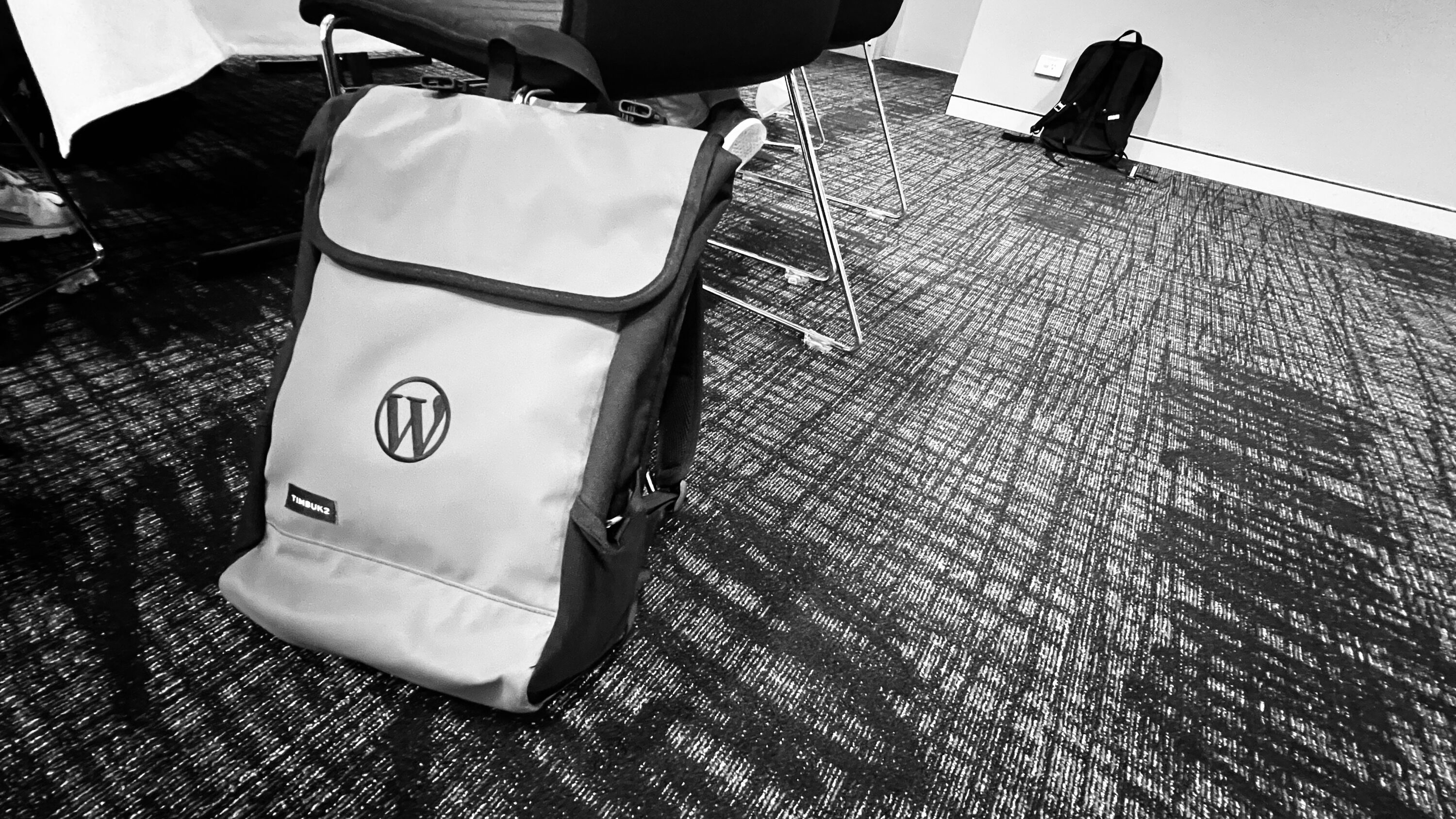
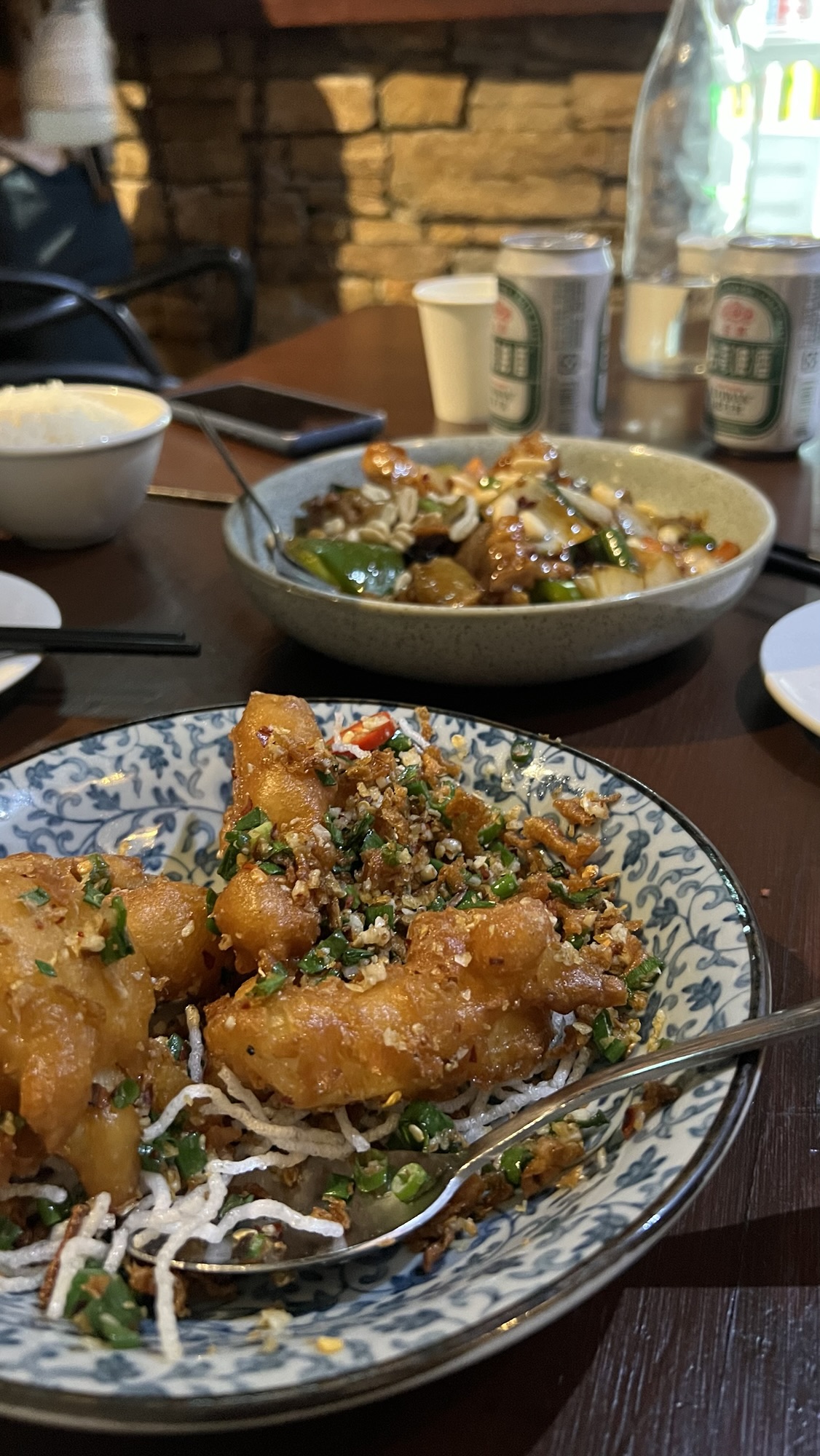
I know that the pictures I took are kind of a mish-mash. My focus has been unclear: Landscape? Urban? Food? That said, I hope you enjoy this post, though! ❤️
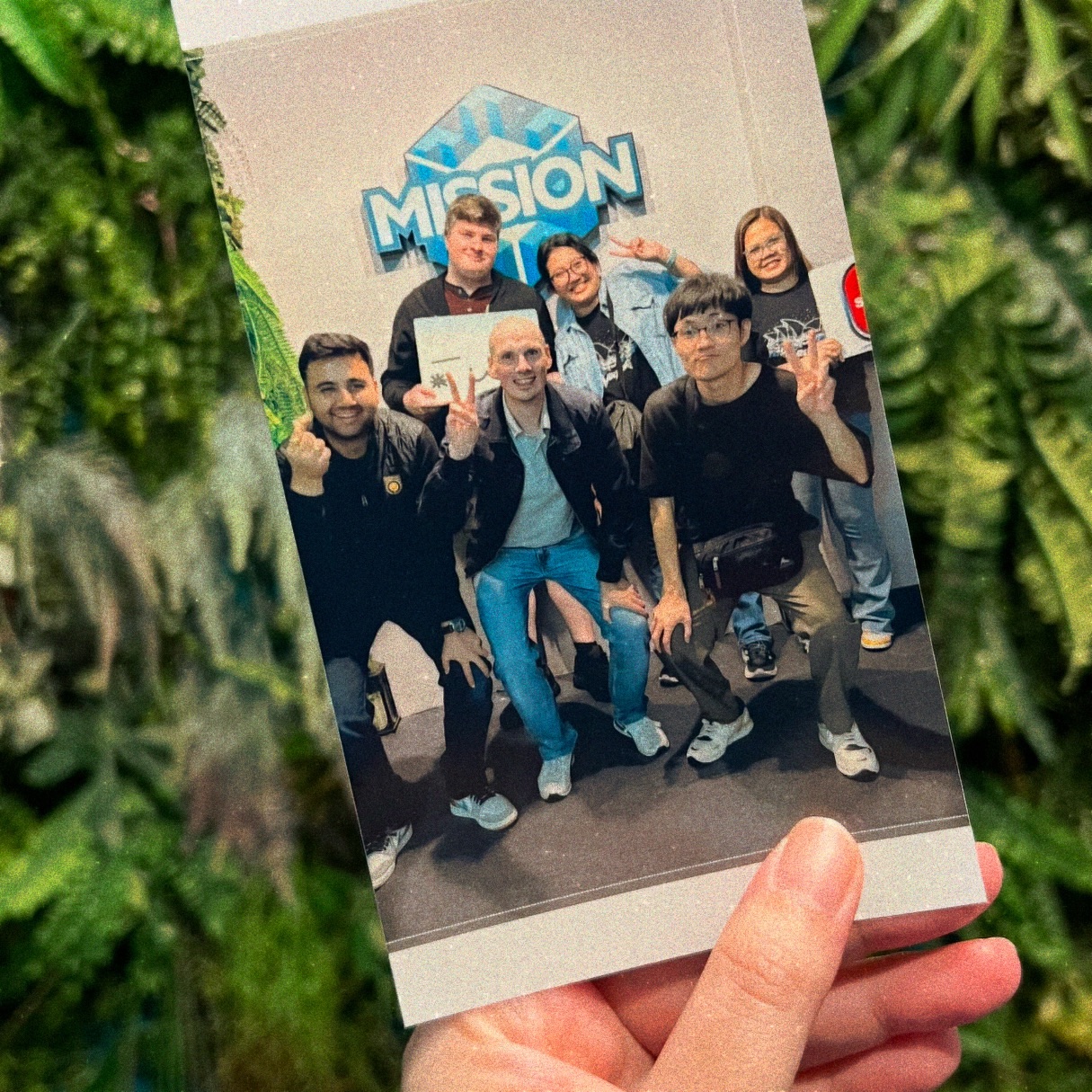

Nindya. Kapkap. she/her. Indonesian in Malaysia. Millennial. Lo-fi. Post-Rock. Gregorian. Animal Crossing: New Horizons. Murder mystery genre. “Love is Love“.
Read more about me here.
This is my personal blog, so anything goes. This blog has been around since 2014, which means you would, and could, see my past writings with different perspectives and mindsets at that time. This blog is a record-keeping of what I was, what I am, and what I will be. What I wrote in the past might not reflect who I am right now, nor me revisiting the topic.
While things here are generally PG-13, I must remind you that I’m an adult, which means some topics might be too heavy for younger readers.
Unless stated otherwise, posts mentioning brand names or places here are not ads/paid content.