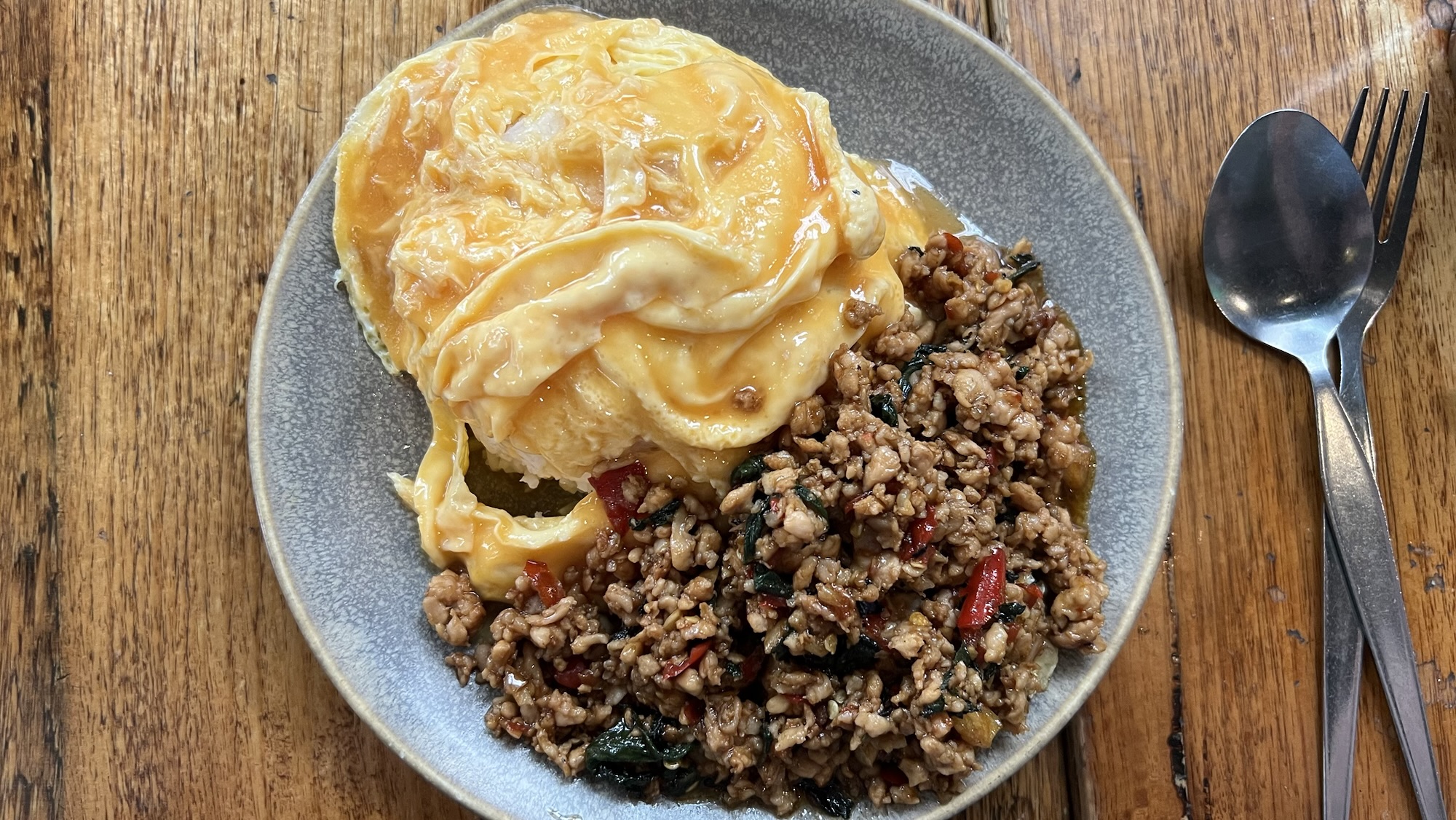
Restaurant: Yok Yor, Sydney


best viewed on your laptop or PC
I started my day today with a phone call from a scammer.
The good news is that I had my coffee, so I was not really bothered by it—plus, I was already aware that the person on the other side was a scammer. The bad news is that it was a morning call by a scammer. Really? What happened with receiving legitimate news of a multi-billion inheritance so I could just retire and spend my life enjoying the world’s luxuries, such as traveling around the world with Emirates Airlines’ A380 first class and Orient Express?
The number was unknown, as expected, and I thought it was a cold call from TV cable companies offering their Internet or streaming service or ISPs — and in a mildly amusing irony, perhaps I would respond better had those were true — so I picked it up and greeted them. “Hello?”
It was a man’s voice, introducing himself as whatever-it-is and whoever-it-is, and they said: “I’m from Communications Ministry.”
Gotcha.
I let out a really exasperated and disappointed sigh. Loud enough for the person on the other side of the line to pick it up. Damn these scammers. 8 AM? Really?
“UGHHHHH… Hm. Okay. What is it?”
“I’m calling you because we received public complaints about your phone number.”
“I see. What are the complaints?”
“Uhhh…–”
Ha. You even need time to come up with a legit “complaint”?
“Well?”
“– Uhhh, the complaint was this phone number has been sending out spammy links.”
“Huh. I see. And why do Communications Ministry contacting me about it?”
Spammy links? Really? I have been steering myself away from social media for the sake of my mental health, and you think I would voluntarily jump into those multiple circles of Hell again?
“Because we are from Communications Ministry?”
“No. Issues like this usually are taken care by the police force. For something as important as this, I expect a printed letter from the ministry completed with the ministry seal, not through a phone call where I cannot verify your identity. So why this phone call?”
“Oh, this is a hotline number–“
“No. I know full well this is a handphone number. And you are a scammer.”
Are you familiar with Scooby Doo-ish villain unmask? Whenever Fred or the Mystery Inc. gang pulled out the monster’s mask, only to reveal the villain’s true identity beneath it? And you know how the villain usually gets so angry, yeah? That what was happened.
That guy suddenly called me a “moron” out of anger.
“Hey! You are a moron, you accuse me. No, no. You must be a foreigner, you should go back to your country. The police will go to you!”
“I would like to see you try.”
Then I disconnected the call with an annoyed huff.
After the call, I got slightly curious because I wondered if this type of scam just started/trending. As an Indonesian, I’m used to scam phone calls like this — for better or worse. As kind, generous, and open as Indonesians are, you might notice a bit of a “self-guard”-sense in every Indonesian precisely because of this, so I could pick it up pretty quickly.
I once received a similar scam call years ago, and the scammer introduced themselves as someone from Lembaga Hasil Dalam Negeri Malaysia (Inland Revenue Board Malaysia). They said my overseas shopping order got stuck in Customs due to some outstanding payments. Jokes on them because I avoid overseas stores like the plague, and I always try to purchase from local stores in Malaysia. Hence, when they mentioned “overseas stores,” my radar picked up. When they asked what my last purchase was, I replied, “Hm, my last purchase? A pack of nasi lemak in front of my apartment building. Does Customs want that, too?” (to be fair, I was honest. It was for my breakfast.) The phone call ended abruptly, and I could sense their annoyance 😛
I have a few suggestions/tips for all of you, friends who have been in Malaysia recently or for years, or perhaps pretty new to this scammer business: Always, always, always suspect phone calls that say they are from government institutions. Any legitimate government institutions/bodies would always send you a printed/physical letter, never a phone call, at least that’s how it is in Malaysia. I know how confusing and worrying it is to hear that your ID/phone number/so-and-so got affected or possibly blacklisted, and that’s what the scammers are aiming for: You panicking so they can lead you to give out your personal information and, most likely, transfer money to them. This is also the reason why they are trying to rile you up by being rude or racist. The scammer called me with degrading words and told me to go back to my country because I’m a foreigner precisely for that.
When this happens, stay calm. Remember that if you have issues/points of interest with government institutions, they will send you a mail with their legitimate seal on it, not a phone call — especially NOT from a handphone number. Then, when in doubt, close/disconnect the call immediately and contact any available hotlink numbers to be sure/for confirmation. For example, for LHDN, you can find their numbers here: https://www.hasil.gov.my/hubungi-kami/
(While we are at it, shout out to our awesome WordPress.com users contacting us for a gut check/double check on potentially spammy emails. No, you never take too much of our time. I always appreciate users reaching out for a gut check, running suspicious emails they received, and checking whether it’s from WordPress.com. Thank you so much for staying alert and on guard!)
This scam with the Communications Ministry, though, has been around for at least 2-3 years since 2021/2022. This honestly got me thinking about whether these scammers routinely read the news. I mean, doing the same modus operandi that spanned for years? Really? (although to be fair, there are still risks of having people falling victims.) Luckily, I found an article on what to do when you got a phone call from scammers: Beware of phone scammers posing as Communications Ministry officers. The article recommends folks to contact the National Scam Response Centre at 997 to report the number, and that’s what I did.
I noted down the scammer’s phone number and called 997. I was nervous because Truecaller listed the number as “Ambulance,” and the LAST thing I would want is to contact the service by mistake and have medics and an ambulance in front of my house. So, when a lady picked up my phone call, I asked her immediately:
“Hello, good morning. How may I help?”
“Hello. I’m so sorry to bother you. Is this the number, 997, where we can report scammer phone calls?”
“Oh, yes! You are on the right place!”
PHEW. NO AMBULANCE. ALL IS GOOD, PEOPLE.
“Oh, thank you! I would like to report a phone call by a scammer posing as someone from Communications Ministry!”
I gave her the number, and the lady advised me to block the scammer’s number immediately.
Also, this might be a good idea: Having AI to respond to the scammer. The video is in Indonesian, dang, the conversation is so hilarious.
So, there you go. That was my morning.
I was not a fan of the word “productivity”. While the word itself is innocent enough, thanks to the media and how society has progressed lately, I got to associate “productivity” with “hustle” and value an individual with a mere number of outputs.
It took me quite some time to reframe my perspective and thoughts about what “being productive” is all about, and while, yes, “productivity” is still associated with the rate of output per unit of input (thanks, Industry Revolution), it means — simply — the amount of work an individual or a group accomplishes within a certain amount of time. For me, productivity means my accomplishment in a given time. It’s that feeling of, “Yes, I did something,” no matter how small it might look, at the end of the day.
Reading this, you might think that I’m a productive person. I am not.
Just recently, I told my team lead, “My focus level is like a cup of coffee that is overflowing everywhere.” My ability to control my focus is equivalent to that of a goldfish. Shiny things intrigued me, and it has been so easy for me to drop everything and run off to That Shiny Thing or That Button I Can Click.
Suffice it to say that I took this book while feeling desperate. I need to know how to stay focused—no, scratch that. I just need to know how to get things done.
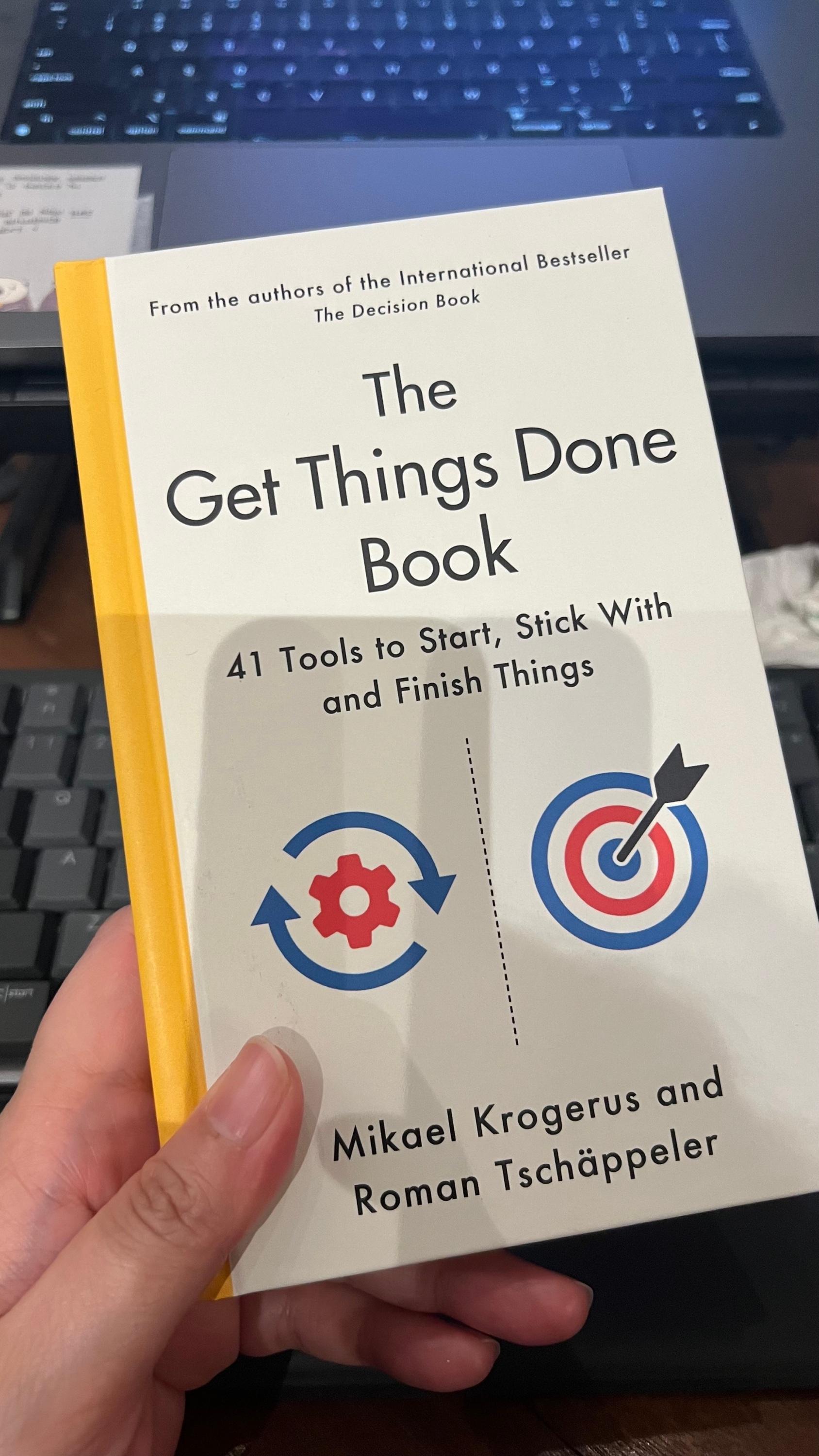
“The Get Things Done Book: 41 Tools to Start, Stick With and Finish Things” is an insightful and practical guide for anyone looking to improve their productivity and efficiency. Many productivity, self-help, and management books that I know and have read usually worked like an inverted pyramid. Such books typically start with a bigger vision/perspective, then narrow it down into smaller areas and actionable tasks or ideas. However, this book ” simply ” shares 41 tools/ways you can try. Each “chapter” is different; for example, one chapter talks about a tool, and the following talks about a different tool. It’s more like a Field Guide, even.
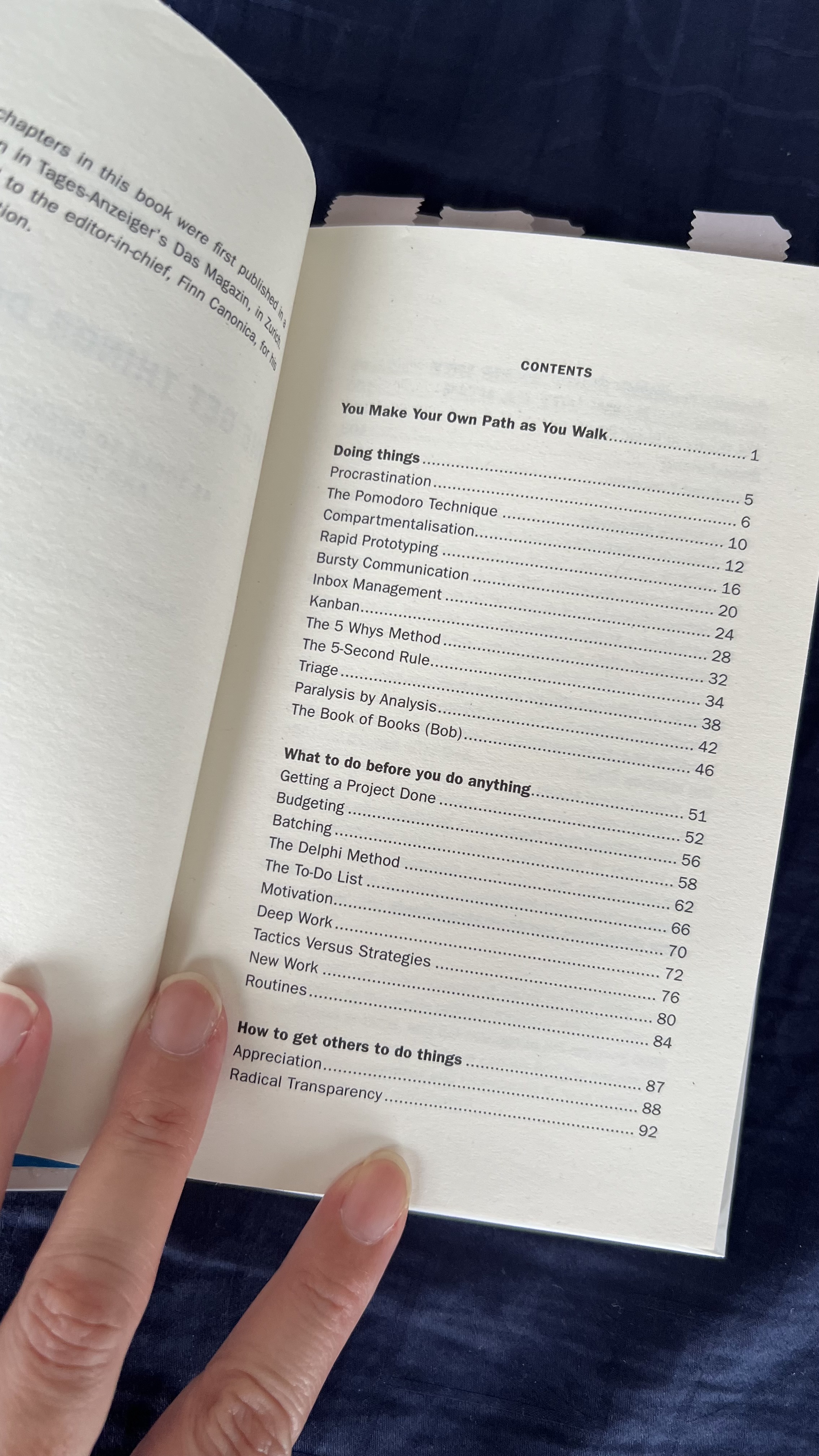
There are five main areas in the book:
Each area has its own “chapters”/tools. For example, under “Doing things,” we can read about the Pomodoro technique, Kanban, and Inbox Management. While it’s easy to see each tool as a separate item, the author also makes cross-references and suggests using multiple tools. For example, in the chapter about Kanban under “Doing Things,” the author also mentioned and referenced the method “The To-Do List” under “What to do before you do anything.” This shows that each process and tool can work together, and we can adjust the tools to suit our workstyle/lifestyle and needs. One of the standout features of the book is its actionable advice. Each chapter ends with a summary and practical exercises, encouraging folks to apply what they’ve learned immediately. This hands-on approach ensures that the concepts are theoretical and can be practically integrated into one’s routine.
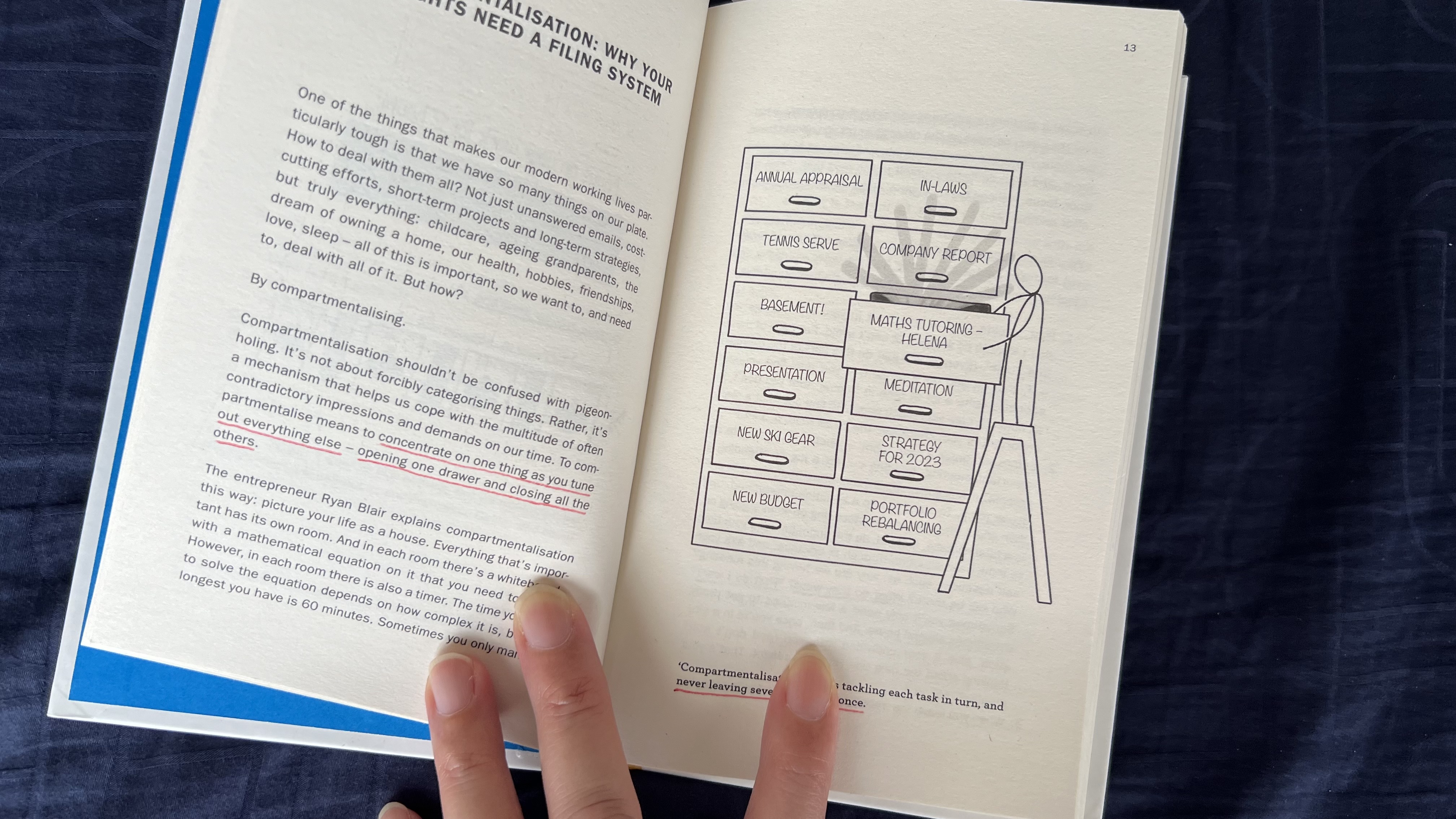
My favorite tool/chapter in this book is “Compartmentalisation.” I mentioned before that I always get attracted to Shiny Things like a moth to a flame, and reading the chapter about “Compartmentalisation” gives me an idea of how to focus when working or doing things.
The entrepreneur Ryan Blair explains compartmentalisation this way: Picture your life as a house. Everything that’s important has its own room. And in each room there’s a whiteboard, with a mathematical equation on it that you need to solve. However, in each room there is also a timer. The timer you have to solve the equation depends on how complex it is, but the longest you have is 60 minutes. Sometimes you only manage to solve it partially, sometimes you solve it completely. Whatever the case, as soon as the time goes off you should leave the room, close the door behind you and proceed to the next room, and then dedicate yourself to the next task.
Open the door, focus, work on the task, stop, close the door — one room after another.
My least favorite tool/chapter is “Sandwich Feedback,” haha. I immediately wrote “NO” on the book after seeing the chapter title. I always use the Situation-Behavior-Impact method when delivering feedback, and I feel the Sandwich Feedback method could come across as unclear and potentially confusing for the feedback receiver and might even unintentionally make light of the issue instead of the expected understanding from both sides on how the issue affects both parties.
That said, that’s the point of this book. Not everything in this book should be applied by us — in fact, it might be impossible to do so. The best way to approach this book is to read every tool mentioned first and then pick what suits you and your style. For me, I use:
The tools above helped me with focus (Compartmentalisation), energy management (Triage and The Circle of Influence), and self-confidence (Paralysis by Analysis), which, like a full circle, returned me to hold my focus.
I’m still working with Compartmentalisation. I found I worked best when I assigned myself to a task on Google Calendar. While this might seem a no-brainer for some folks, this is something that I still working on. To put myself in “the room with the whiteboard,” I specifically assigned the task/created a time block on my calendar, and reminded myself when the hour was near.
Mentally, I also prepared myself. The book recommends that the reader ask several questions to prepare themselves: What do I want? What output/result do I want from this room? How do I want to feel when I’m exiting this room?
Personally, I find this book really helpful in helping me get back on track and look for available tools and methods that I can try. That said, this book is perfect for those who are busy with projects and work, especially office work, and might also be suitable for students as they manage their time to study. However, this book is not the right one if you are looking for motivation and encouragement.
Book rating (don’t take this seriously, hahah. It’s from my personal opinion): 4/5

“Why do you like me?”
“We do not complement each other. We amplify each other.
When you are not around, I’m not less than who and what I am because I am still me. But when I’m with you, I become so much more. I don’t have to turn into someone else that I am not when I’m with you — that’s why I said that you do not complement me because I’m never “less than” without you.
With you, I can just be… Me. And so much more.”
Happy anniversary, dear.
So. I know I was mightily late for this, but to be fair, I was on sabbatical: 3-month of paid leave (sabbatical) from April to June. A perk given to Automatticians when they have worked with the company for 5 years. Trust me, I avoided opening wordpress.com during those three months, because that’s what you get when you are working for a product that you also using in personal life, hahah. I really don’t want to be reminded of work.
(I did peek several times and pleasantly surprised seeing the editor UX/UI changes. Good job, team!)
So! The trip. Back in March, my sister-in-law married in London, and due to time and fee constraints, only Ari visited. That said, we (Ari, me, and the kids) visited them on the next month: April.
One thing for sure: Never trust the weather in the UK — This is something that my fellow UKmatticians have warned me about, but I never thought about it seriously because:
And these, friends, are two reasons why you don’t trust Q1 of the year. You know what? Don’t trust the seasons. Climate change is real.
Manchester is located in the northern part of the island, and gosh dangit, it feels like the wind is cackling as it breezes through my ears. I never thought I could curse the weather even more than the ones in Denver (IT WAS OCTOBER. IN DENVER. LIKE. WHY.). To remind you all here, I hissed at the hotel’s automatic door as it opened, bringing inside a gust of Denver’s icy cold wind into the lobby, when a USmattician who happened to be a local Colorado walked up and said hi to me while wearing baggy knee-length shorts.
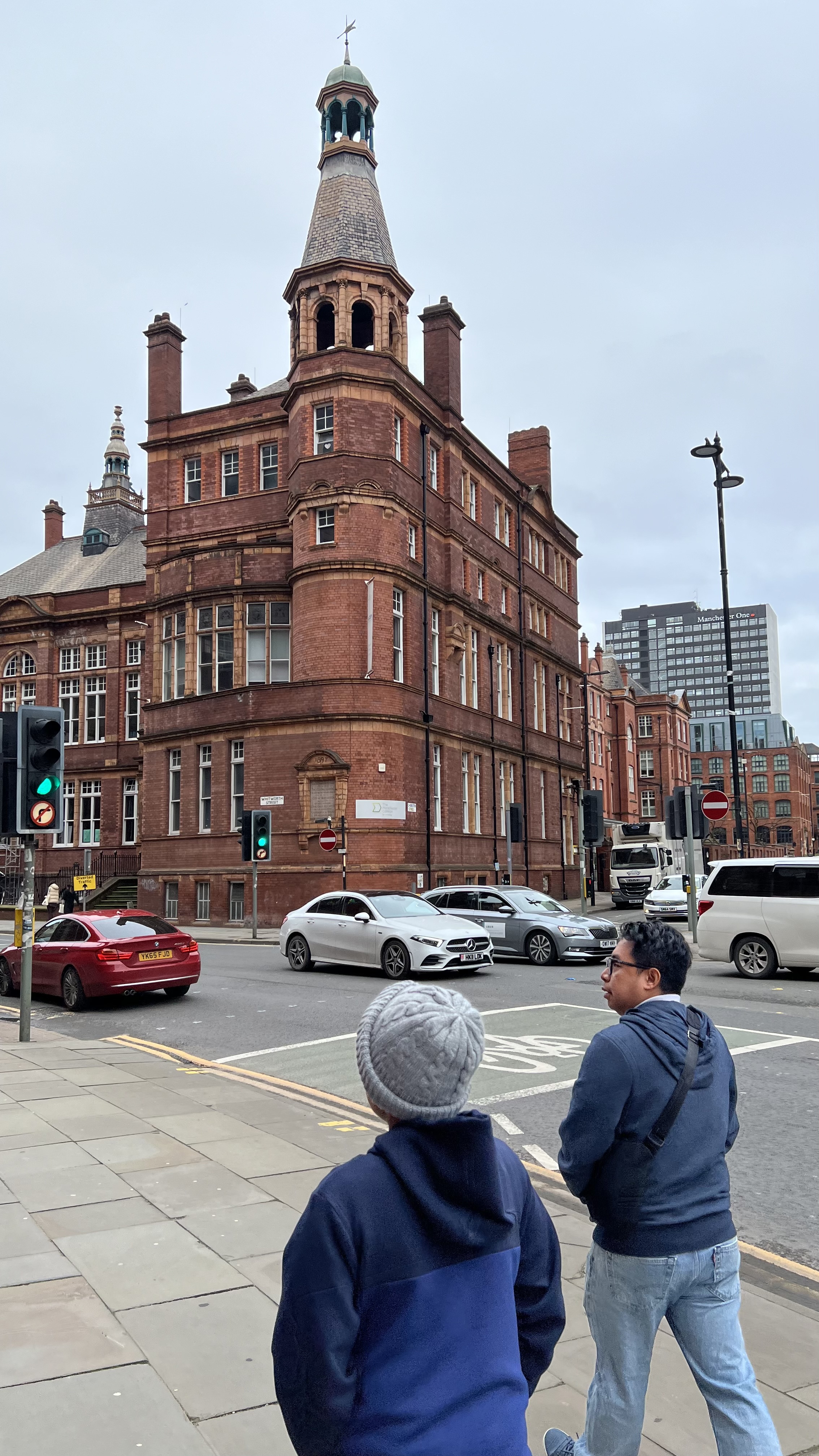
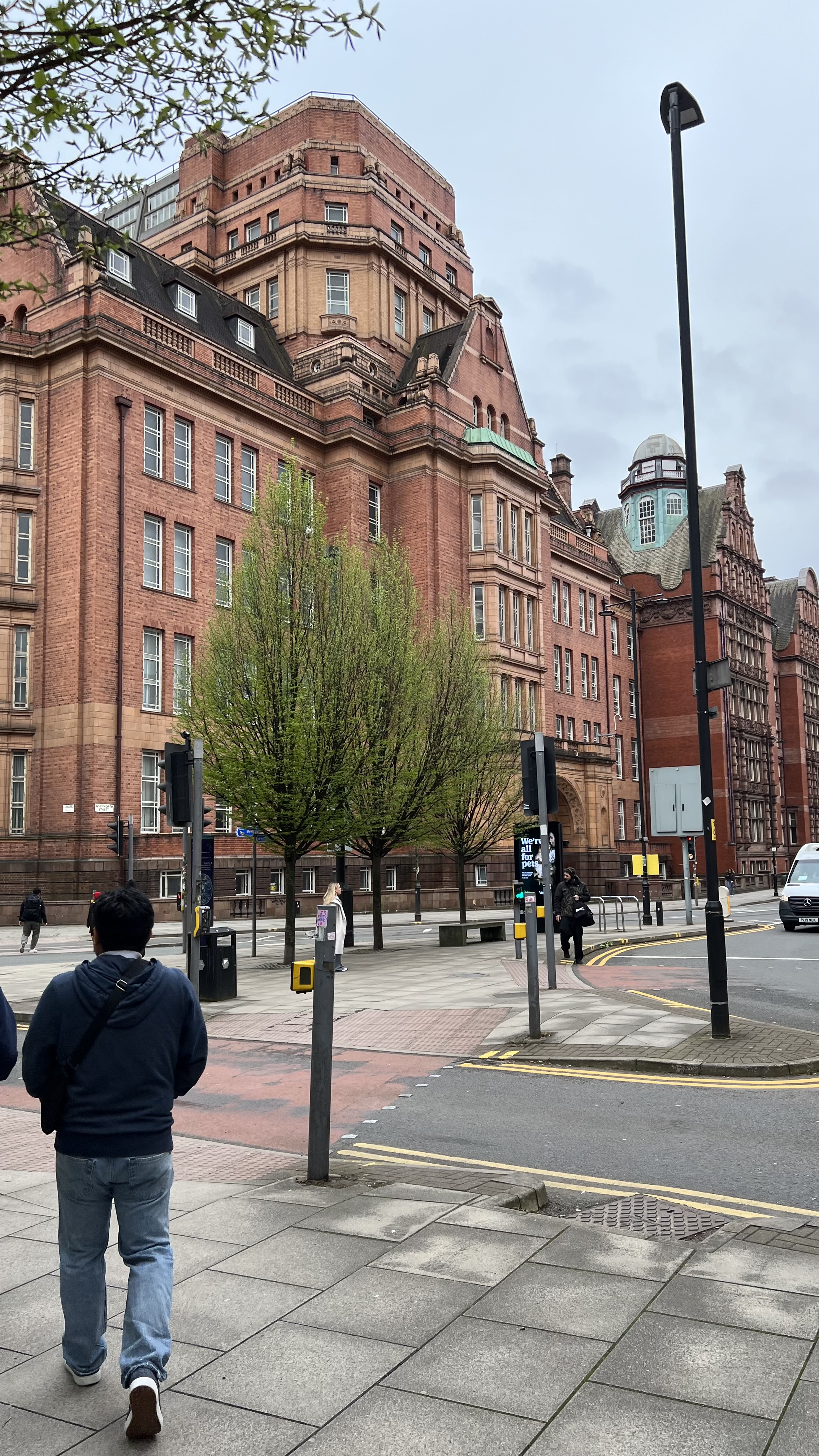
Despite the wind, I freaking love Manchester. The city is vibrant, thanks to dozens of universities and colleges there, with international students and people bringing their cultures and colors. Thanks to that, the city is not lost in having some of the best traditional food, lovingly brought by people coming to the UK. Go to The Piccadilly Street Food Market, and you can find one of the best palak paneer there. I really love seeing the red brick buildings (I also noticed the same thing in Denver) — and I love how it seems like it has become a “norm” in cold cities to have red brick buildings. The warm color of red gives such a beautiful contrast and warmth to the surroundings.
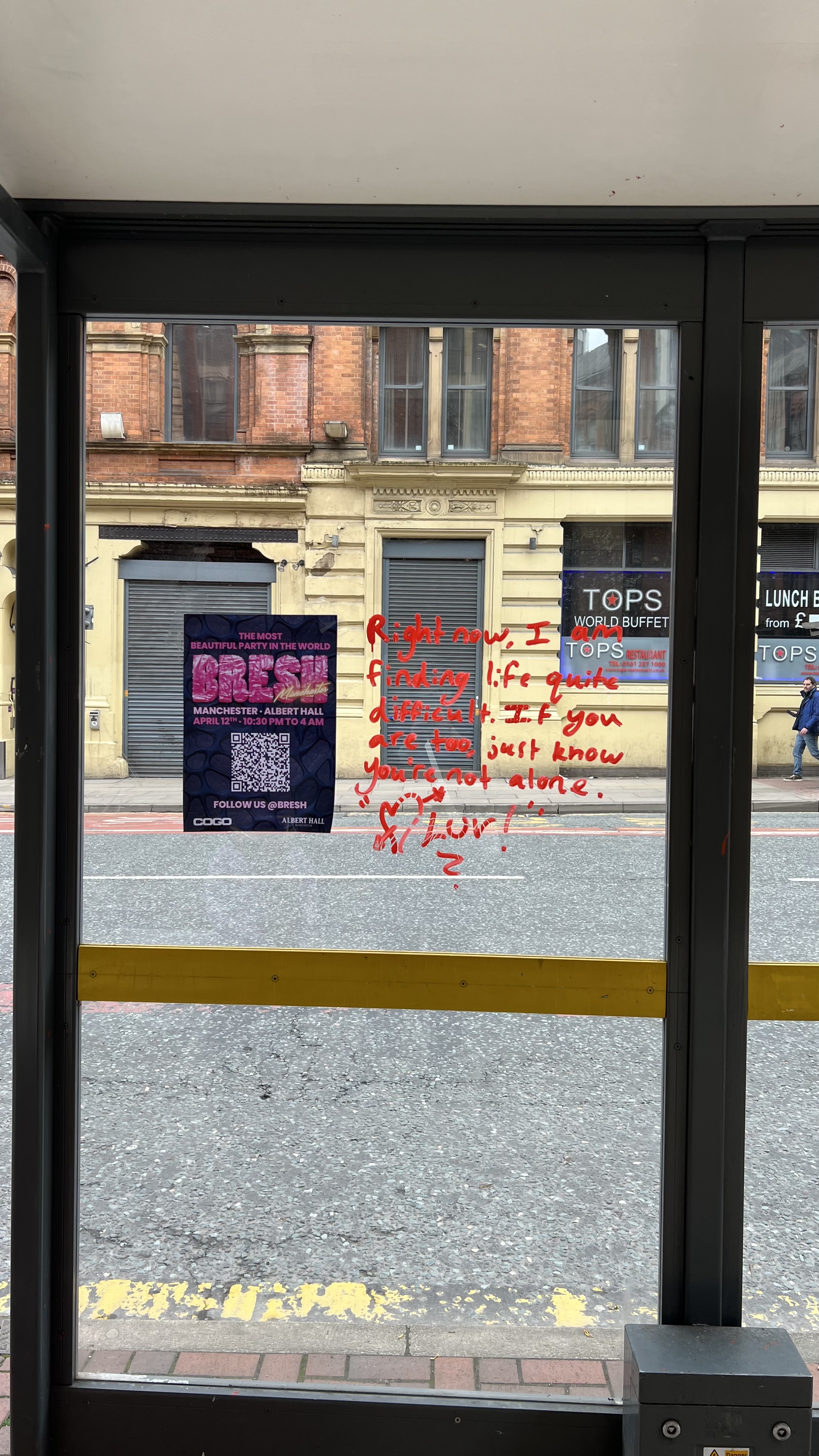
Another favorite part of Manchester is their city mascot: WORKER BEES! I love bees, and at first, I thought the bee was the mascot of our hotel because I kept seeing the bees around the hotel (we stayed in the Holiday Inn), but my confusion and curiosity grew as I saw the bees even far from the hotel. A quick Google search informed me that Manchester has set bees as their mascot since 1842.
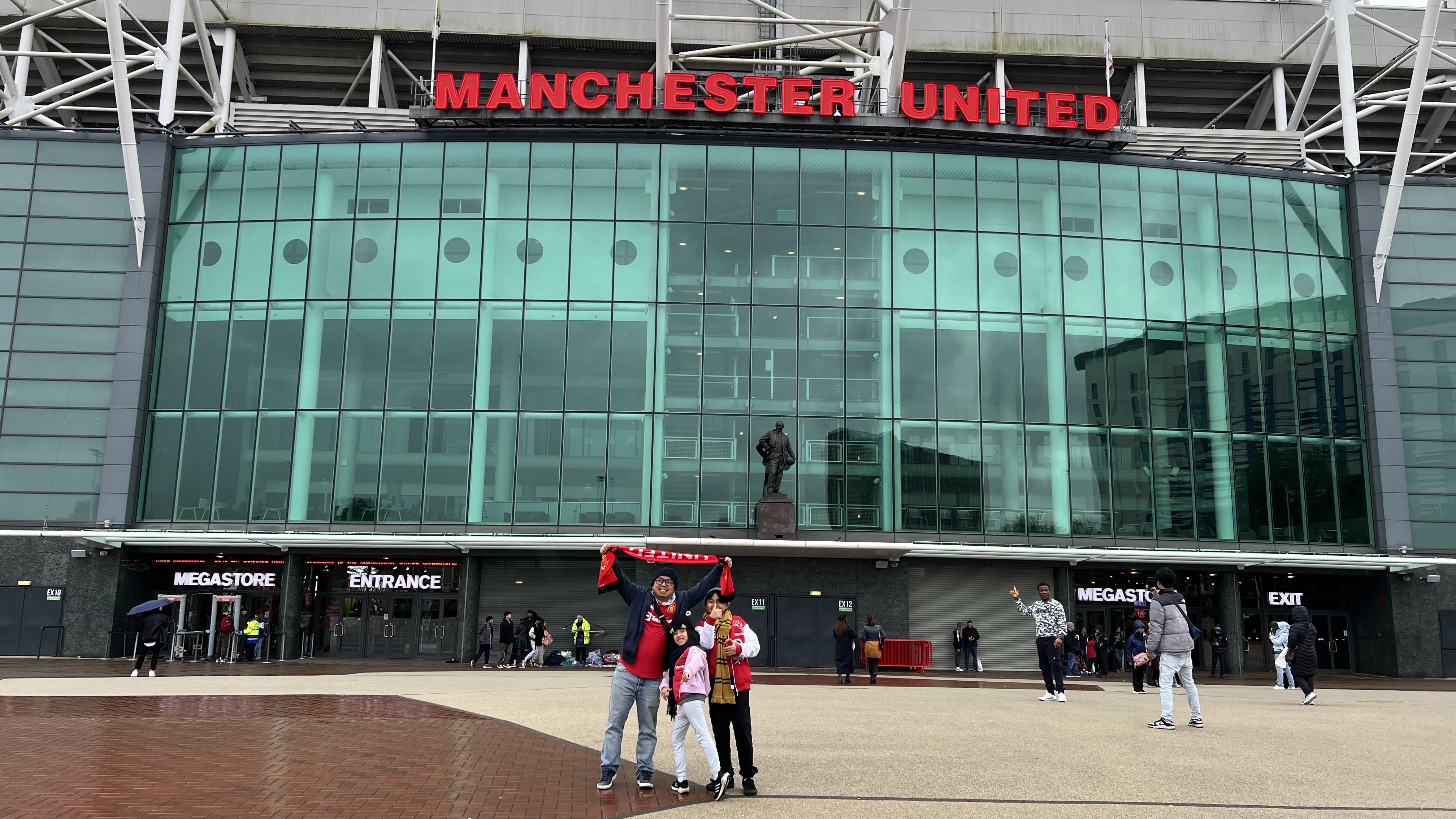
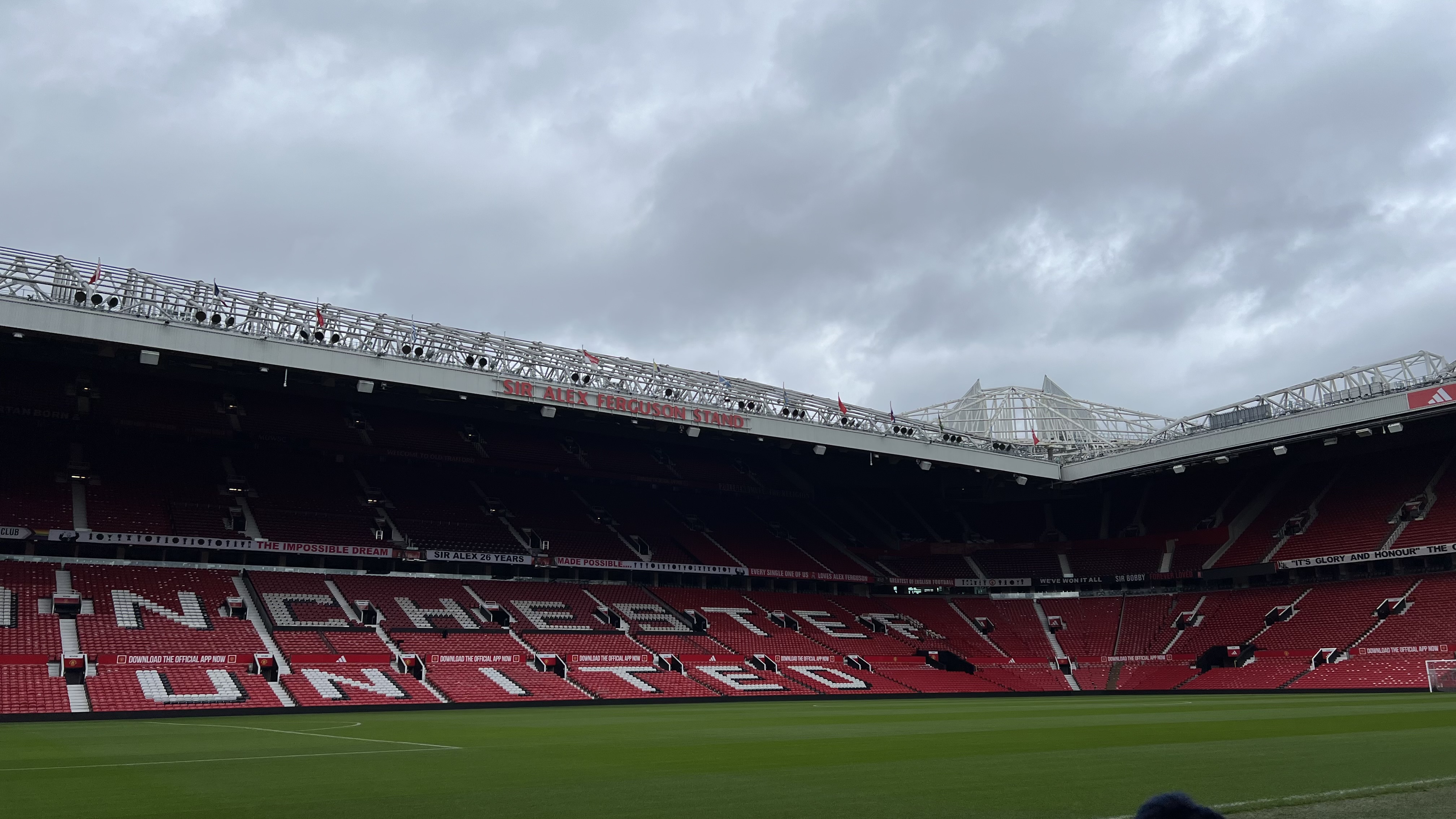
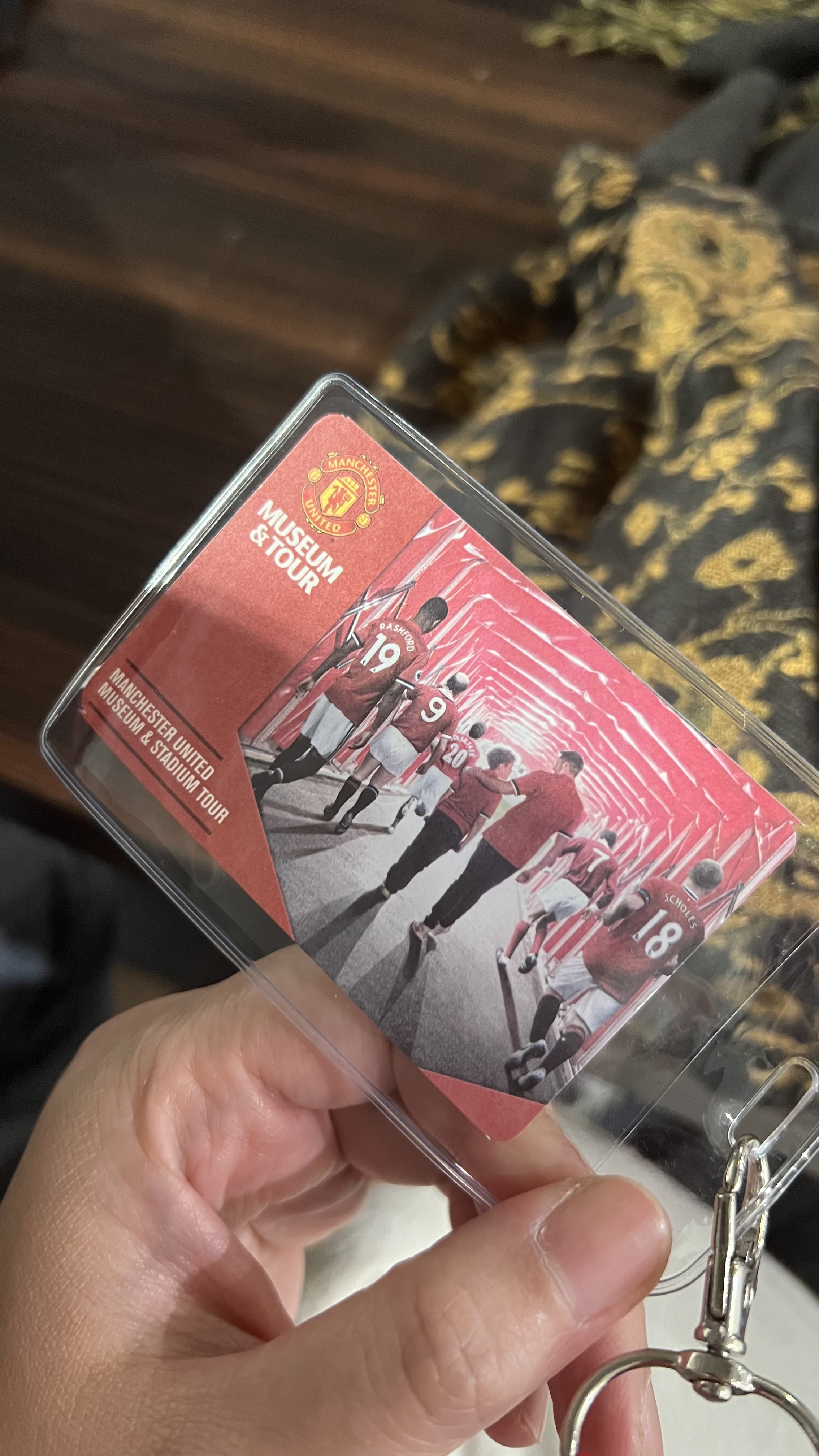
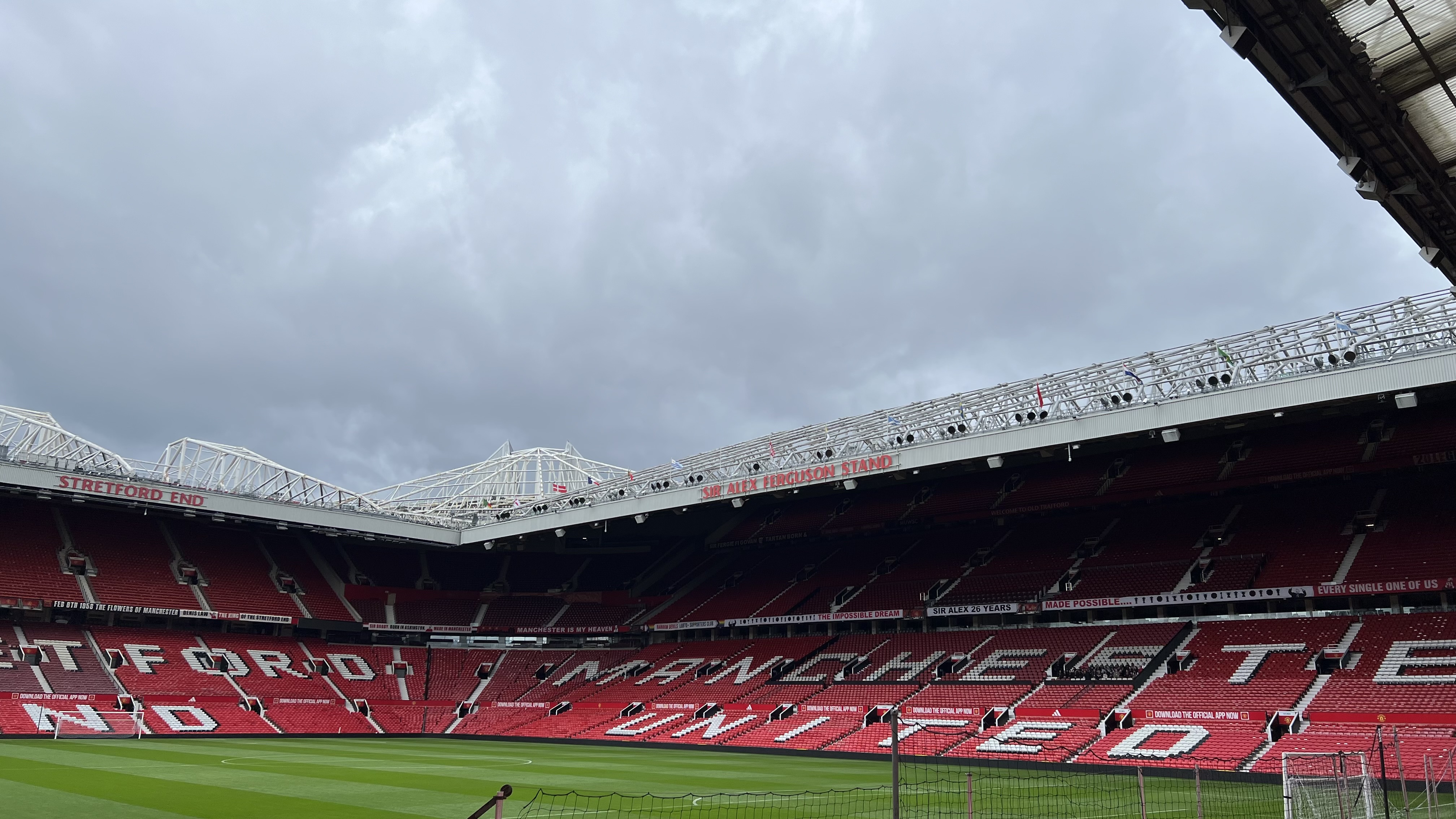
During our time in Manchester, we visited Old Trafford and took a stadium tour. Even as a non-Manchester United fan (cue my husband gasping in horror here), I found the tour really fun and educational.



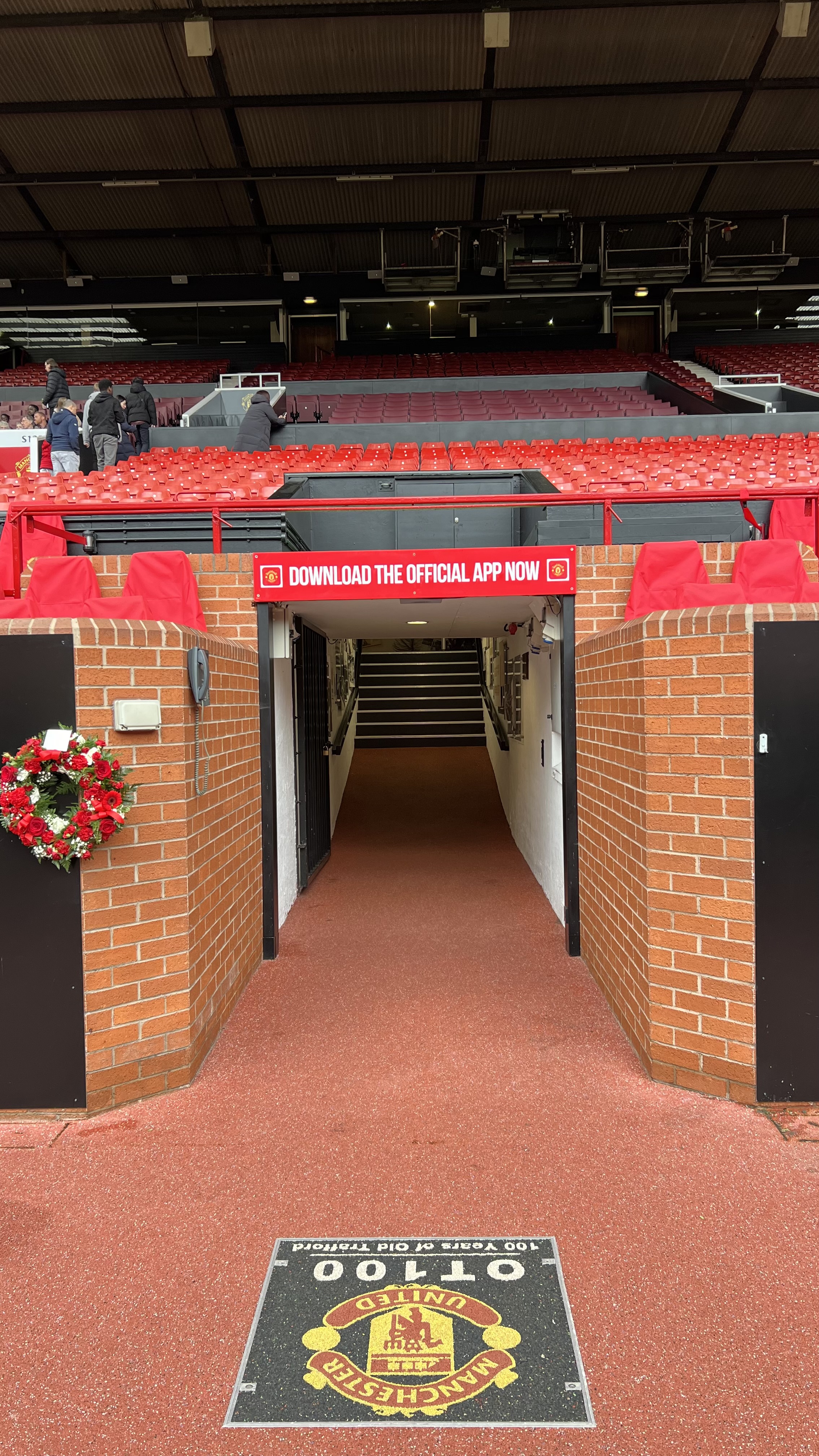
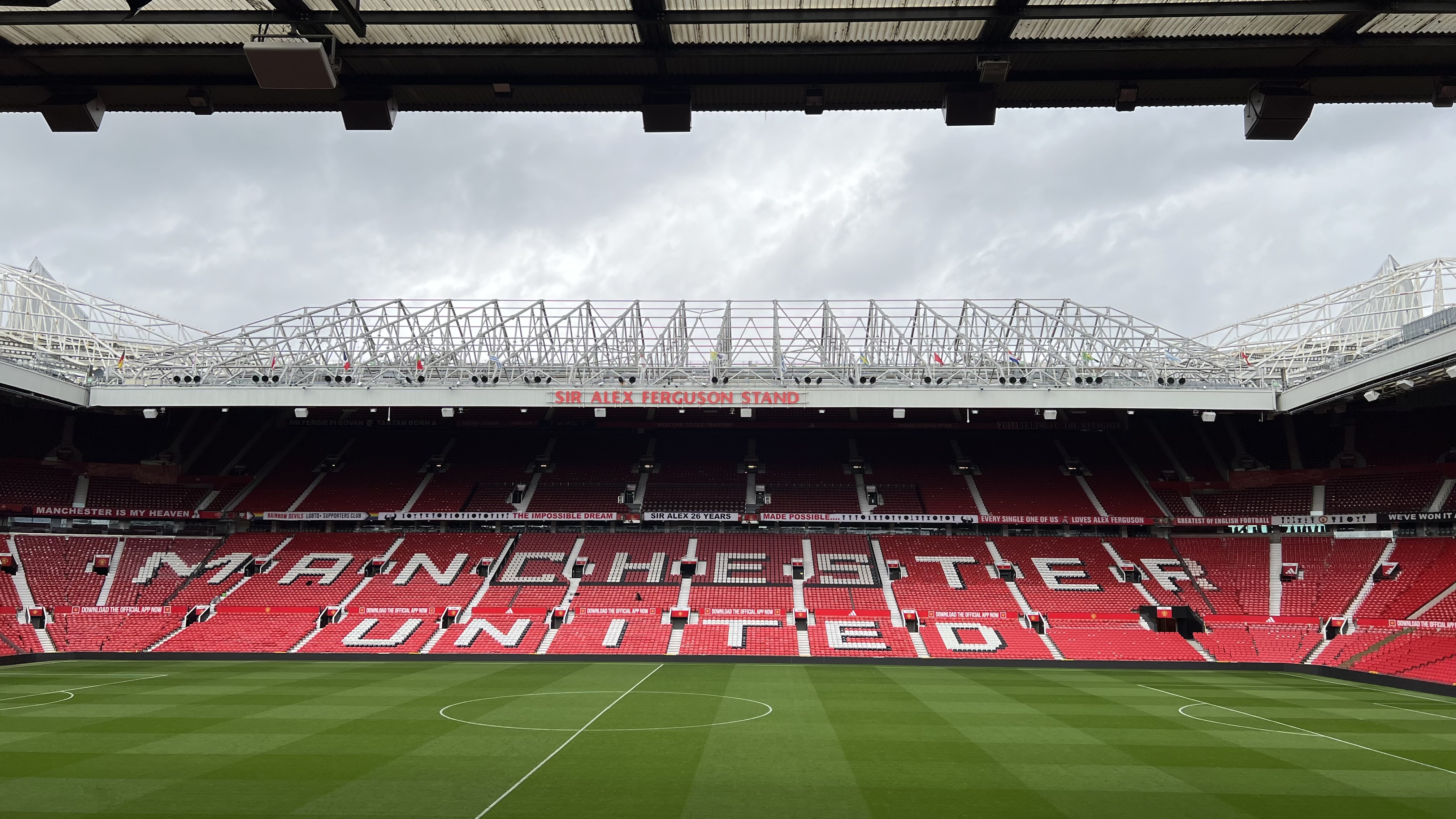
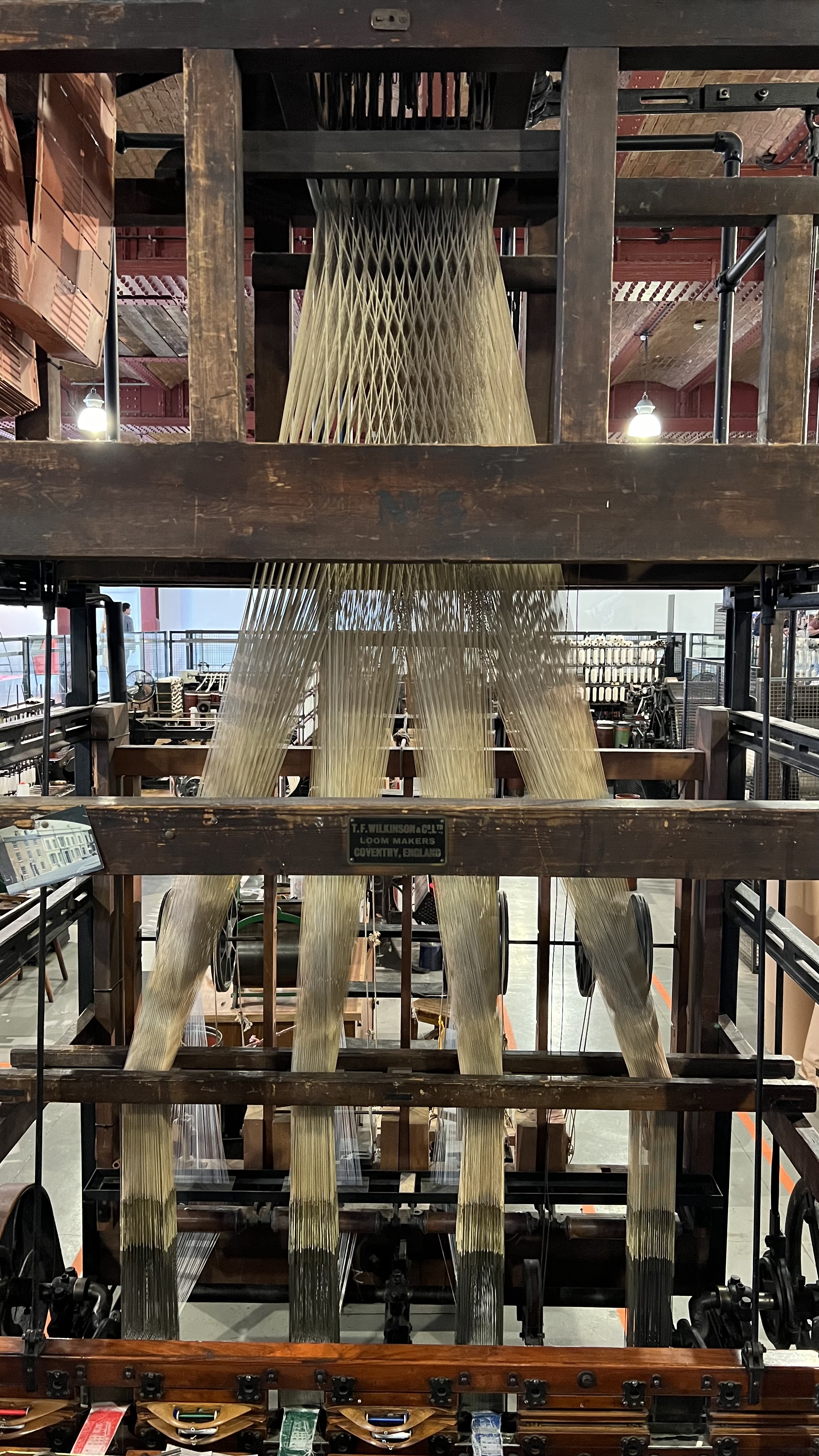
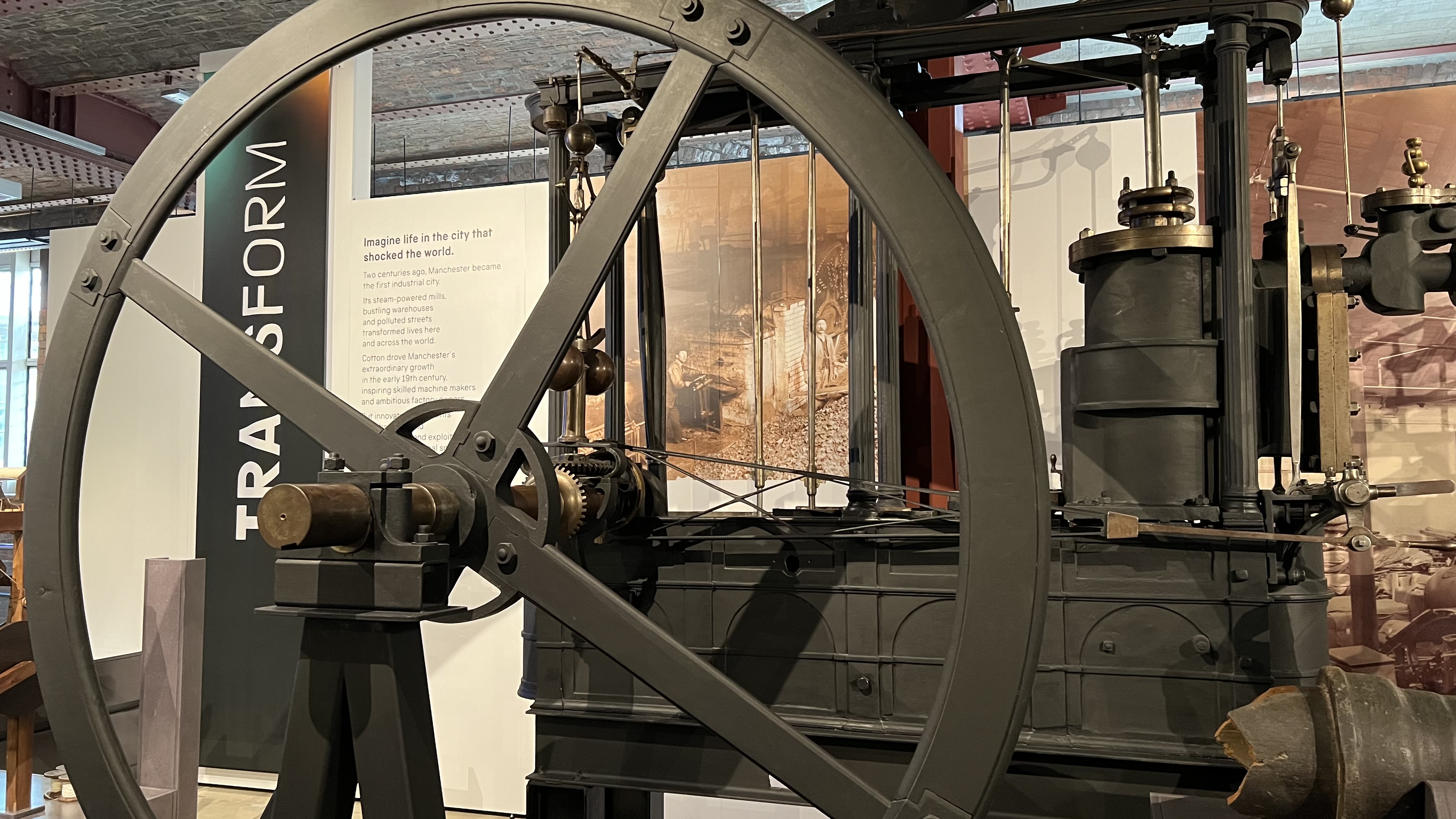
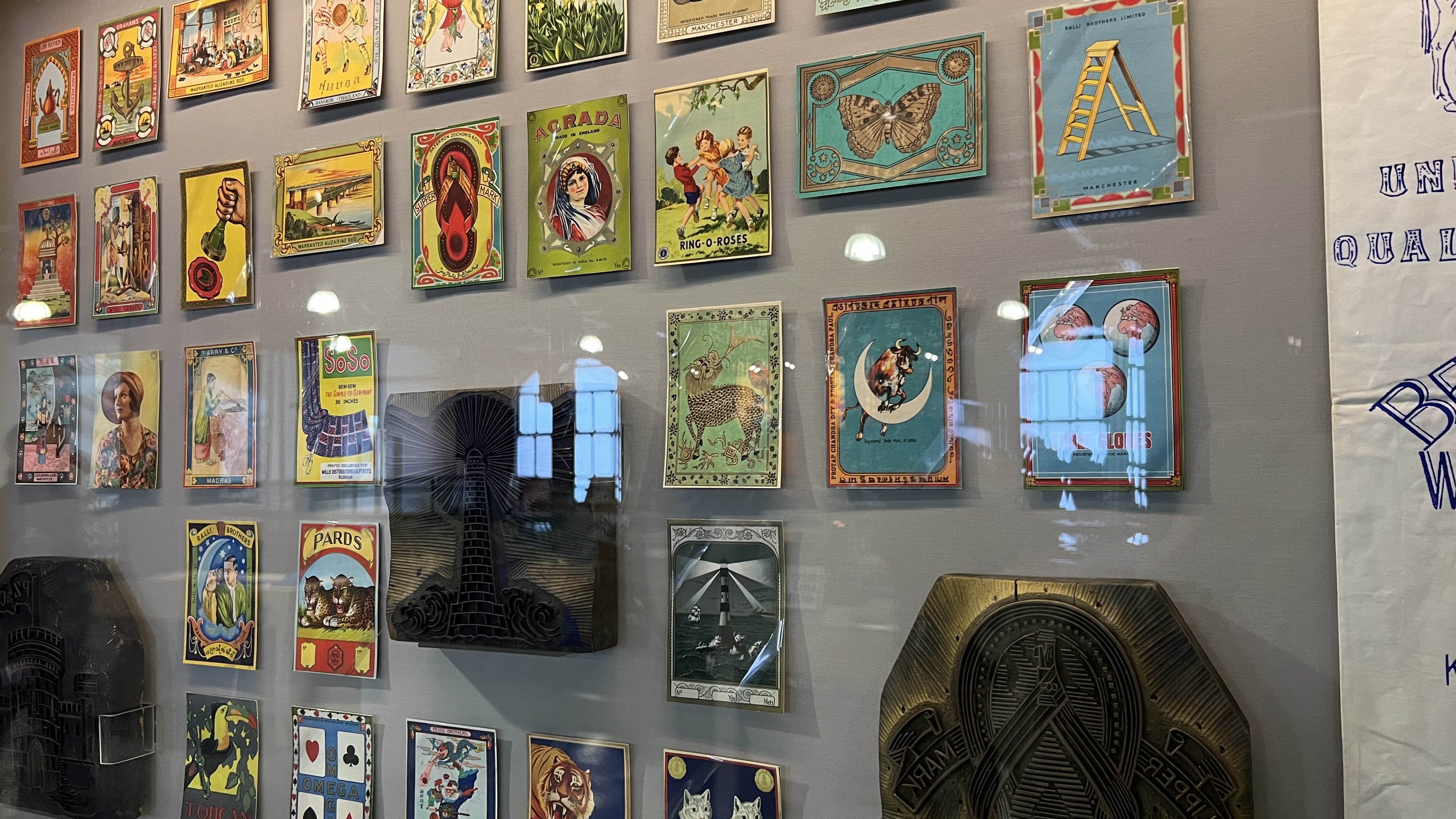
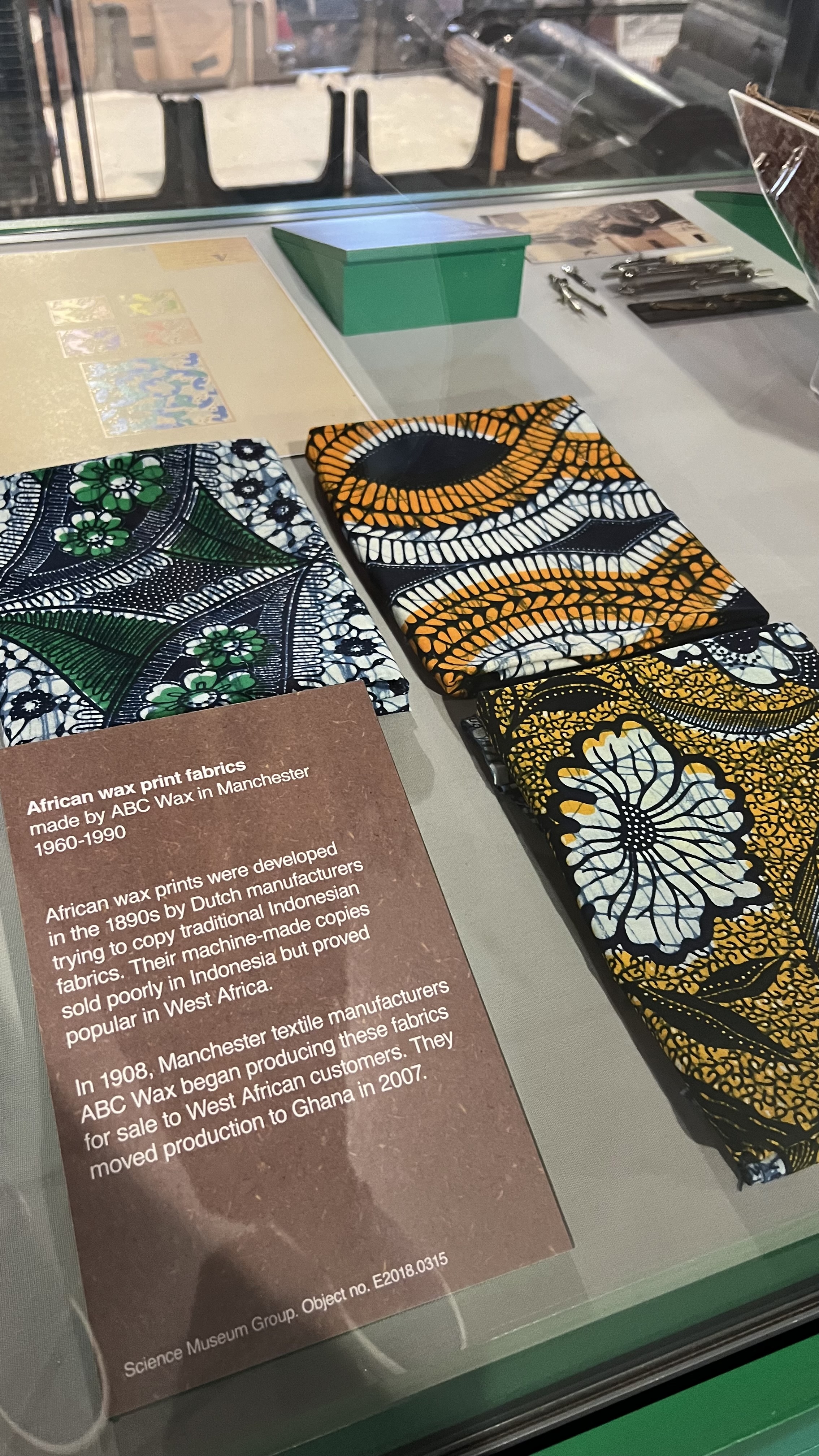
After Old Trafford, we also visited Manchester’s Science & Industry Museum. Manchester was one of the forerunners of the Industrial Revolution, and I love how the city simultaneously felt the pride and acknowledged the effect of the Industrial Revolution on places outside the UK and colonialization. In fact, I think Manchester deeply felt that — the richness and advancements they had and enjoyed were at the cost of other nations and tribes, and they took great care and pride in acknowledging it and put the credits where it’s due.
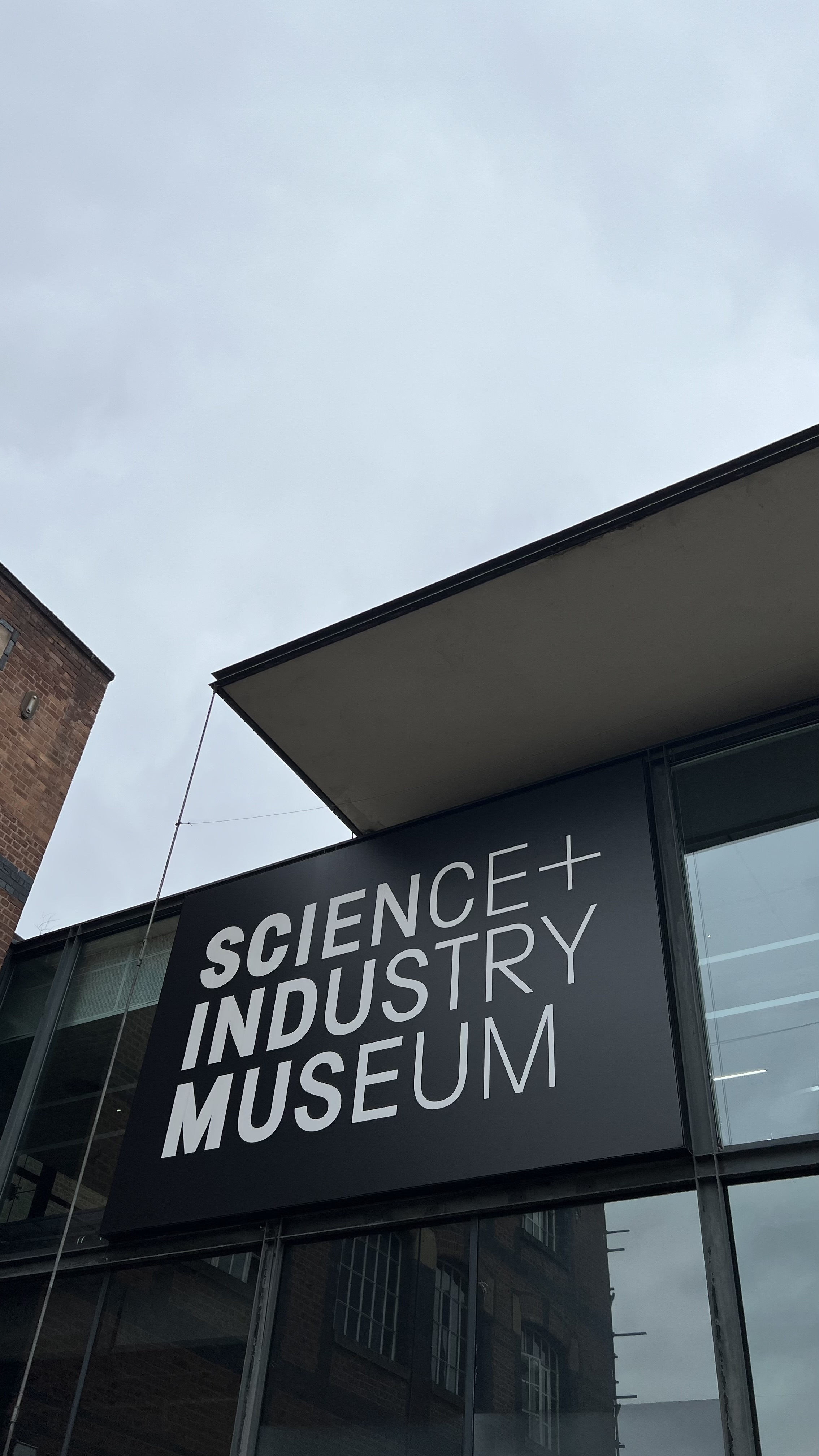
Like, how many museums do you think would be so openly talk about slavery, how it affected their country’s wealth, and at the same time, causing pain to others?

Next to that sign was this exhibit, and on the paper displayed there, you can see the list of cotton plantation slaves to sell at that time (1855.) Yes, you read it right. It’s as if the museum wanted everyone to take a hard look at themselves, technological advancement, and its cost to humanity and nations across the globe. I remember a couple of girls standing next to me in front of this exhibit, and as they read the list, they gasped and exclaimed, “It’s as if these people were cattle! This is so wrong!”

We need more museums like Science Museums group ✨
We also made an impromptu visit to Manchester Art Gallery. Like the Science & Industry Museum, the Manchester Art Gallery has been vocal in voicing out displaced people’s fight to live, people of color, women, and minorities’ rights.

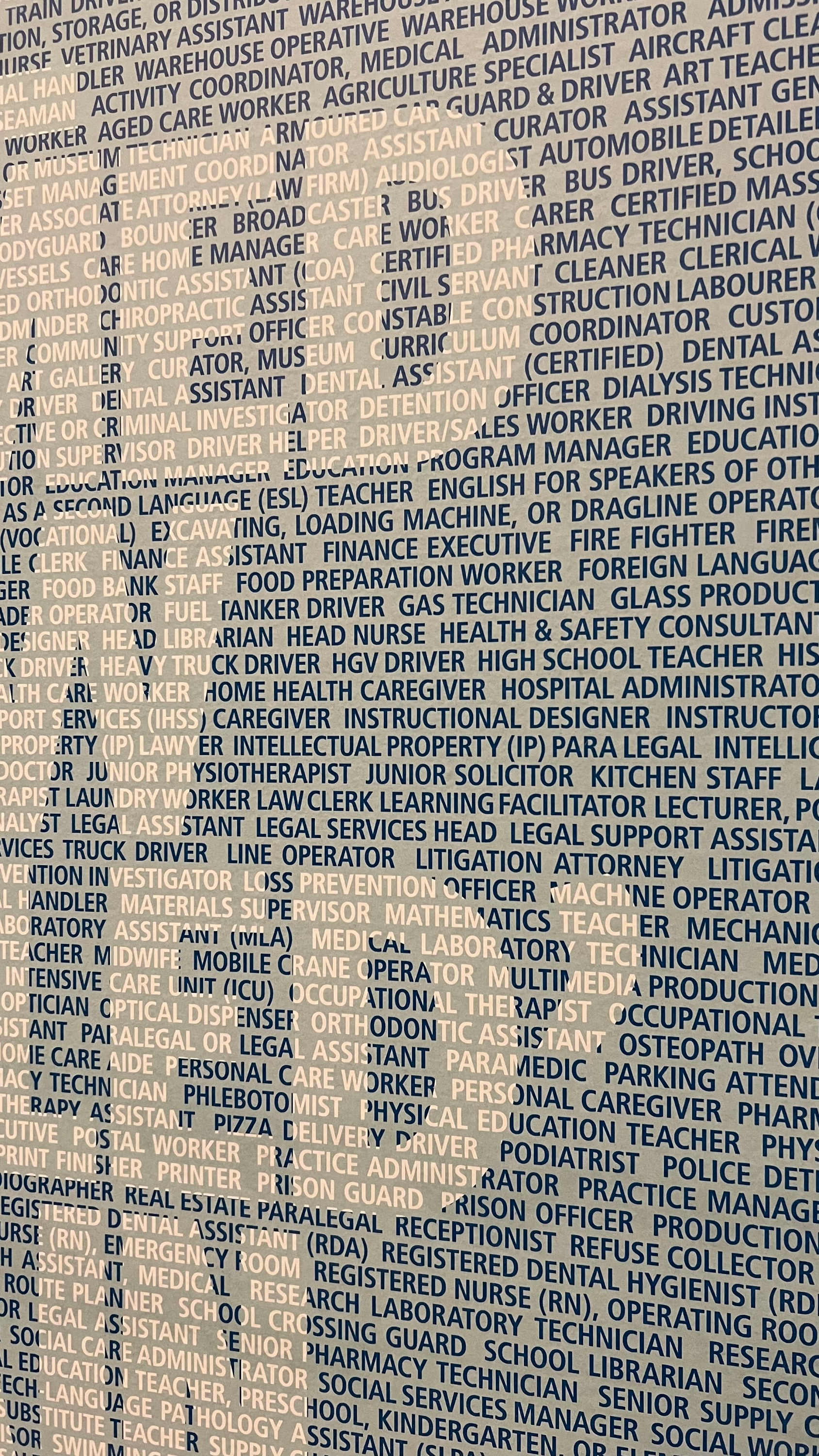
It was only in February that those now hailed as “key workers” were labelled as “low skilled” or “unskilled” by Home Secretary Priti Patel – something that Manchester designer Craig Oldham has highlighted in a new poster that celebrates their contribution to society, not just during the Covid-19 crisis but in future, too. — Designer Craig Oldham creates a typographic poster to show solidarity with ‘key workers’
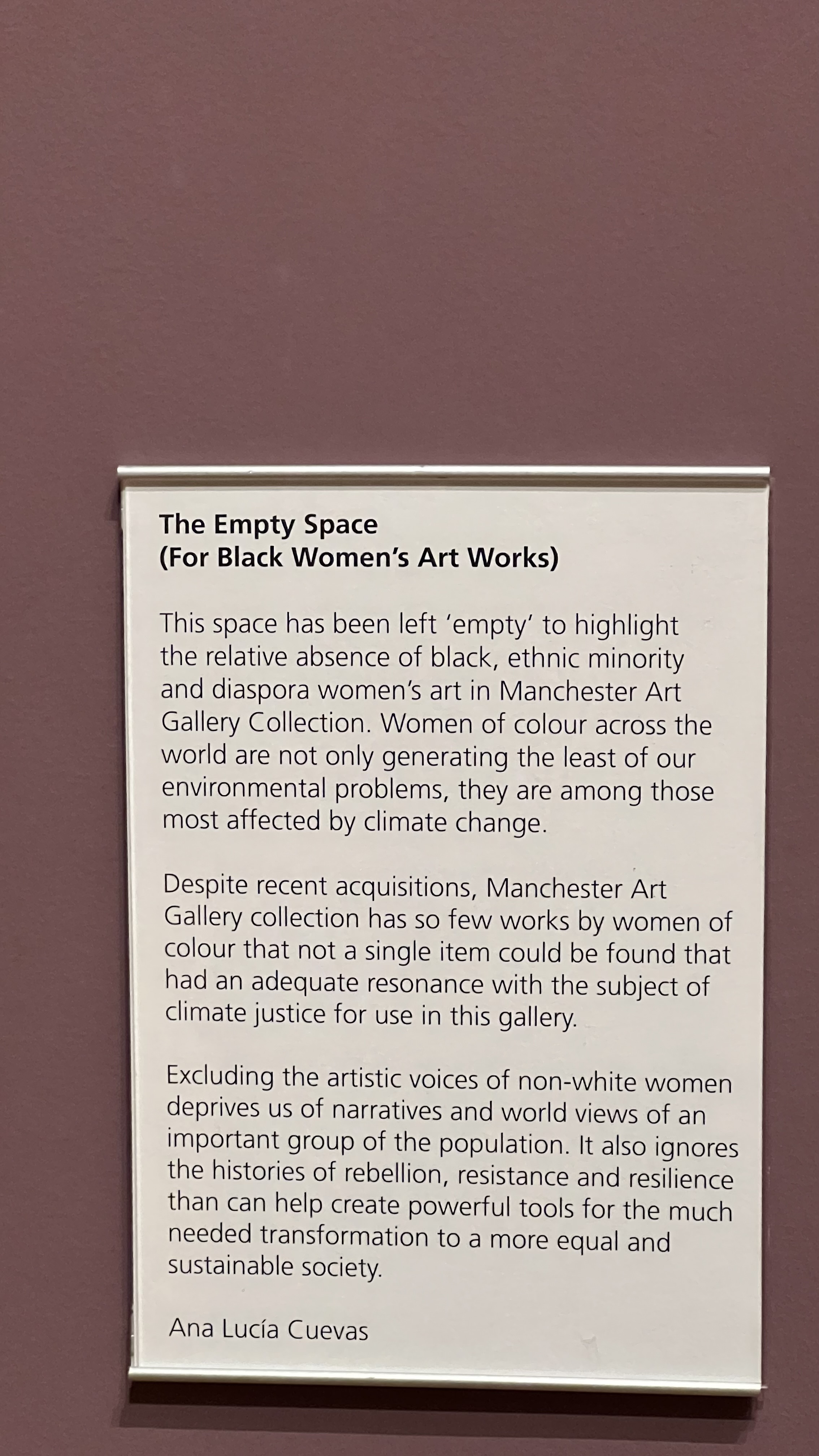

The gallery also holds some classic works, and one of my favorites is this:
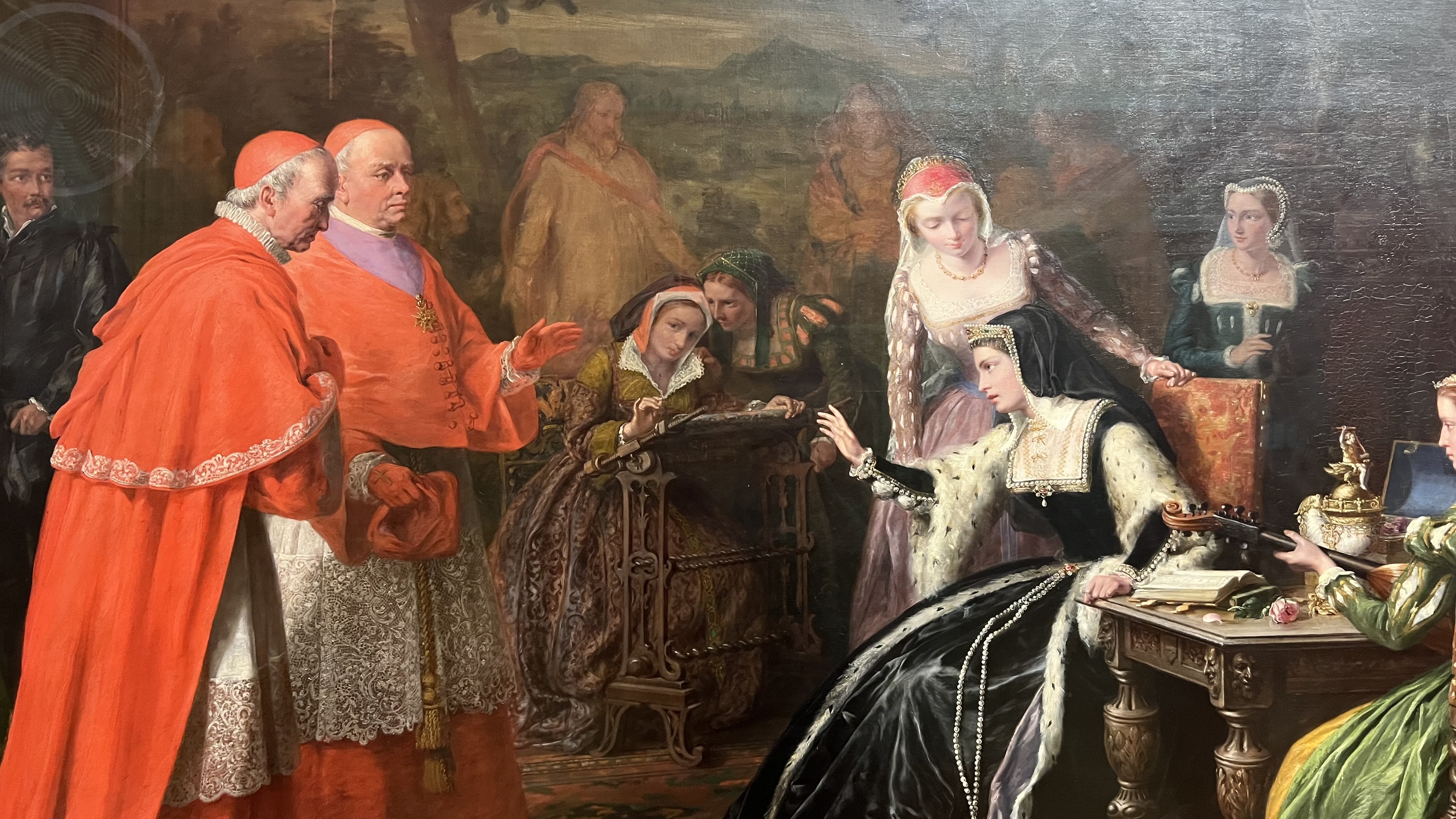
On the exhibit information card:
Here we see the English and Papal Cardinals threatening her with the disgrace of a public trial if she did not consent to a divorce. Katherine was a staunch Catholic and would not agree. In order for Henry to get his way and remarry, the Protestant Church of England was established, causing centuries of religious turbulence.
I just love Katherine’s face here, like, ugh, you go girl.

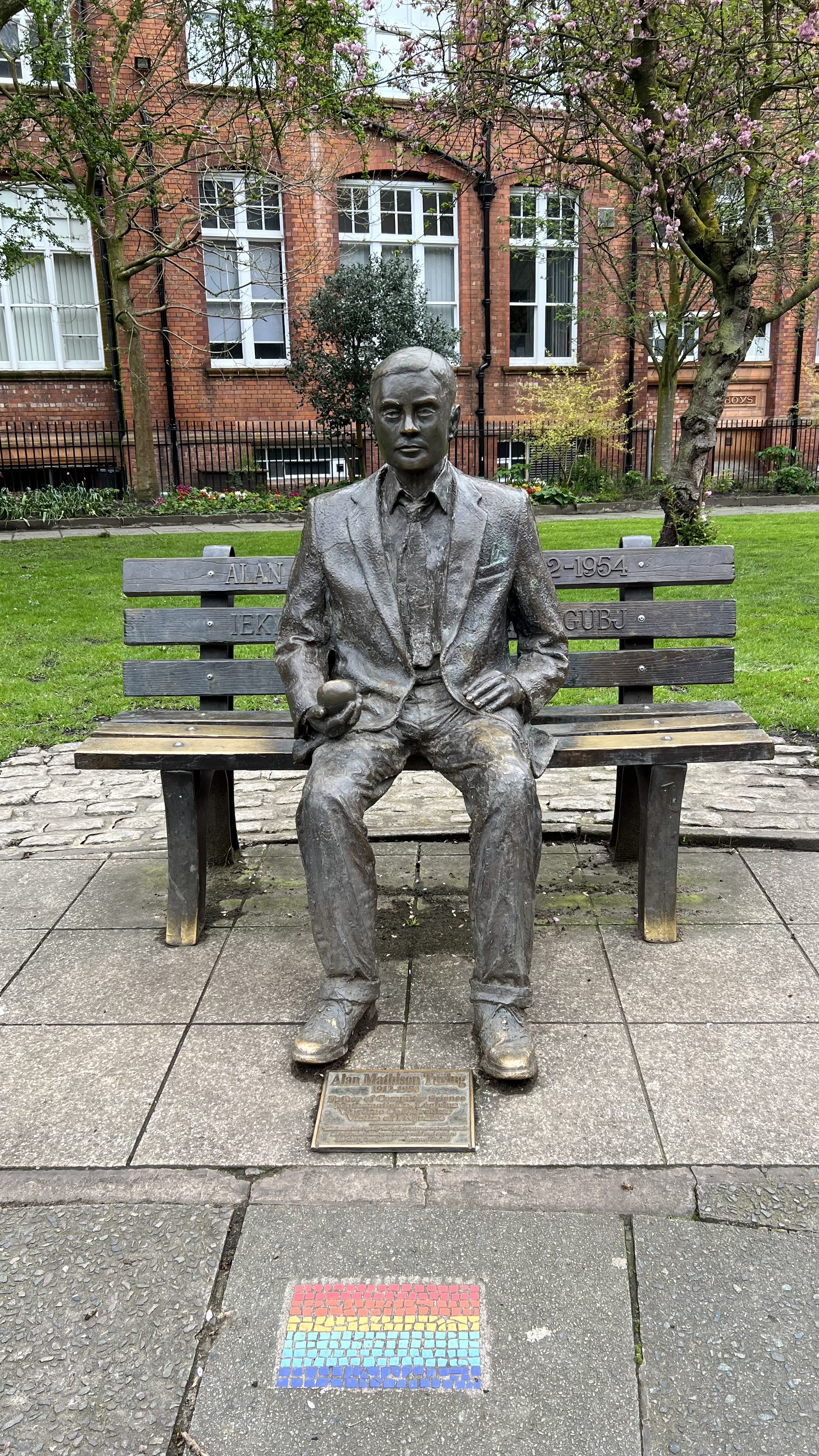
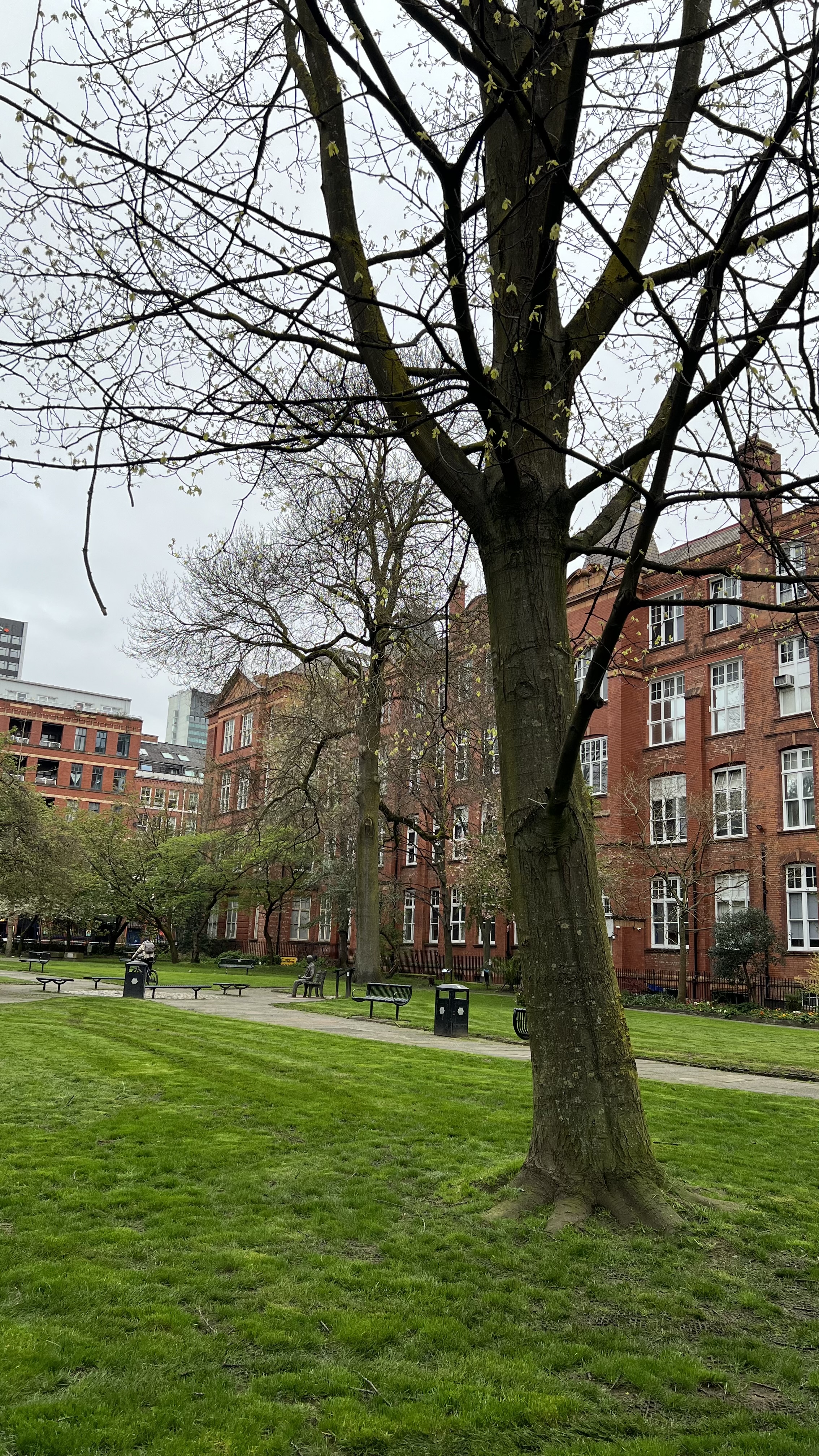
Speaking about Manchester, who could forget Alan Turing Memorial? I found it really poignant to have the statue of Alan Turing sitting in the middle of a quiet small park in the Gay Village. You would love it, Alan Turing, sir.
After Manchester, we headed to London by train. It was a 2-hour train ride, and I was in awe seeing the landscapes changed from cities to villages to green pastures, then back to cities.

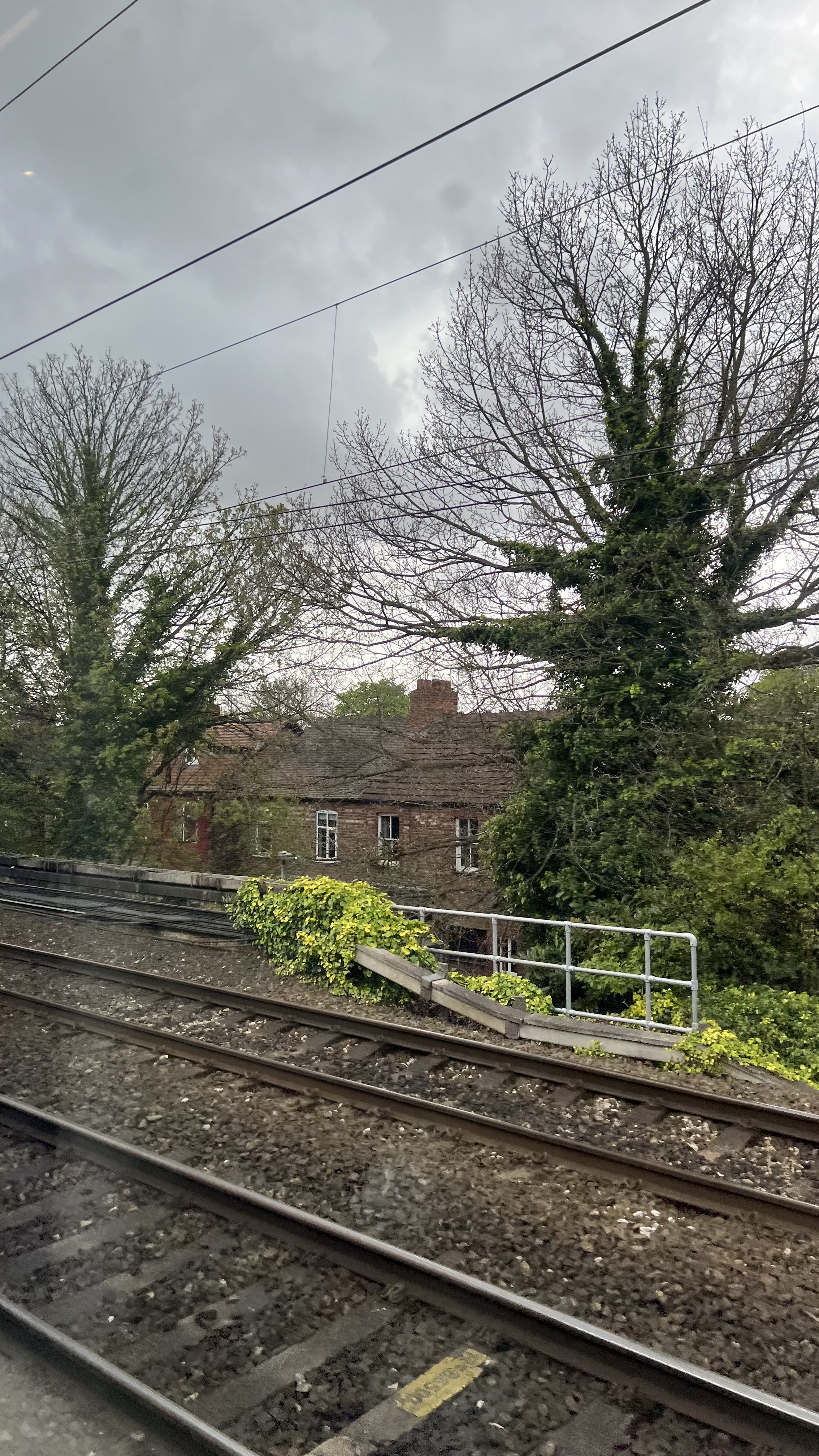
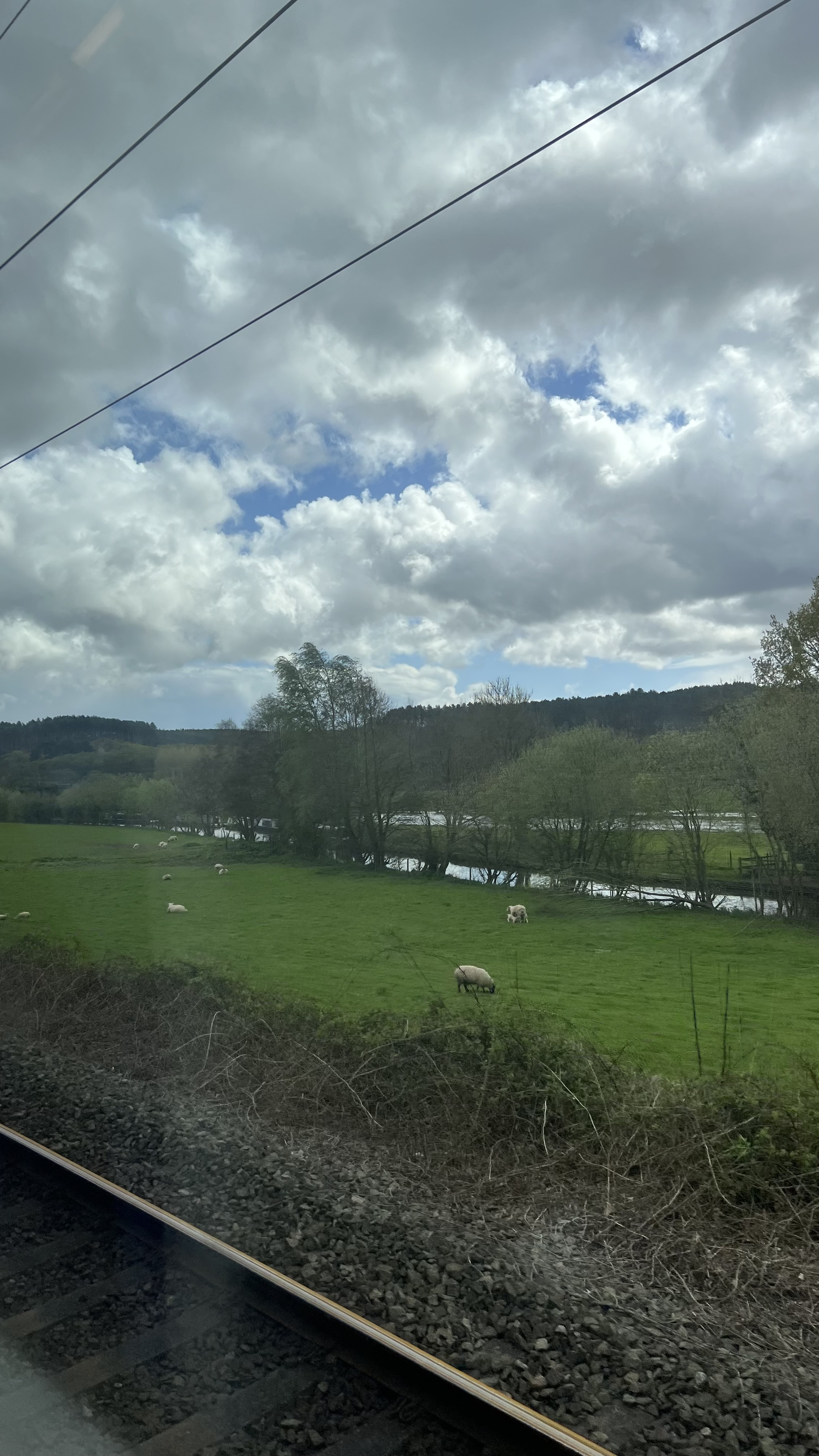
Remember what I said about unpredictable weather? Yes, Manchester was pretty moody — in a sense that yes, we did have some sunny days, but expect rain and drizzles at 4 PM.
London? London was that emotional friend with a pint of ice cream, Netflix, and a rant how their ex is horrible.
It was a glorious day when we visited the Big Ben and the Thames.
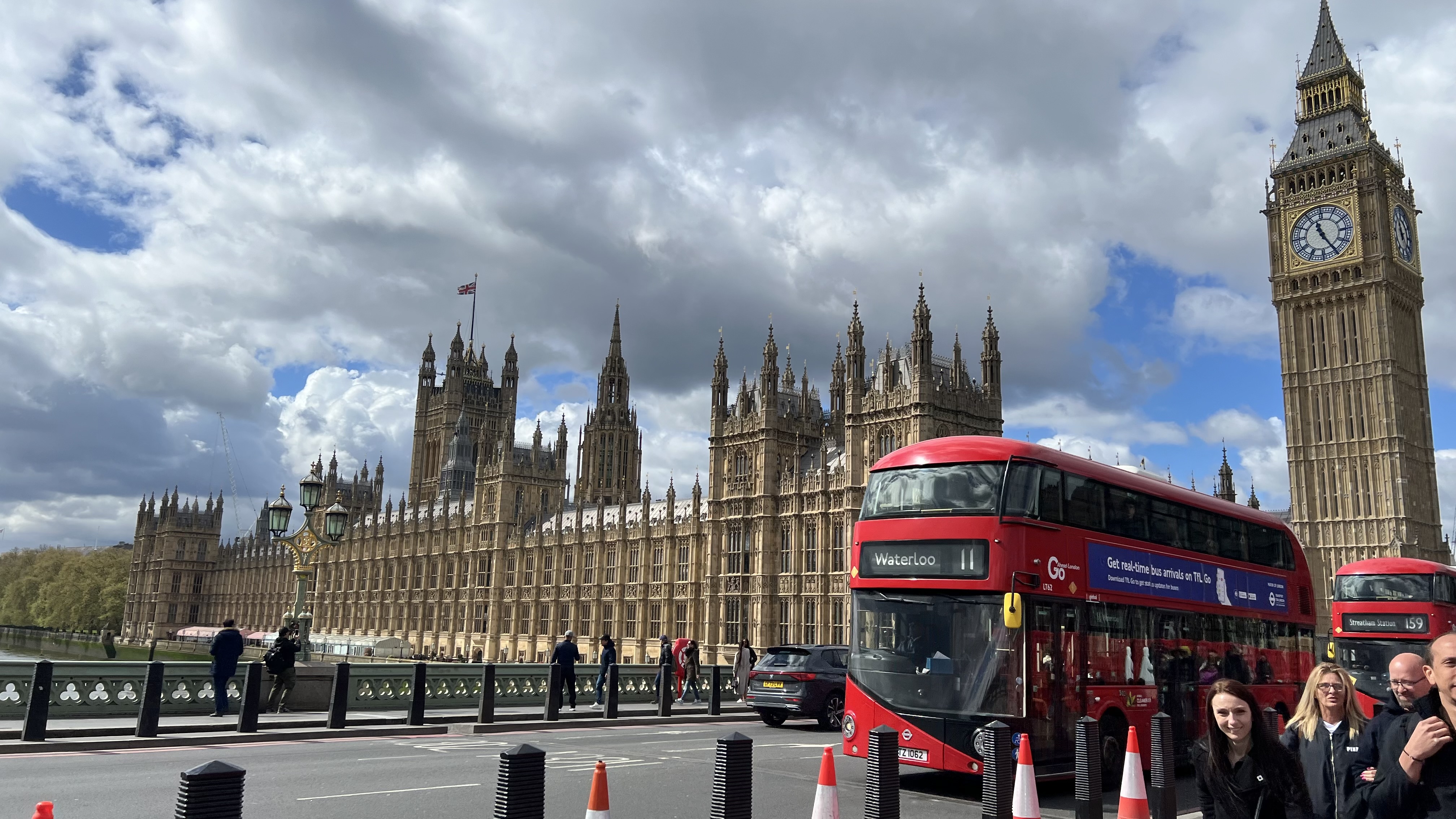
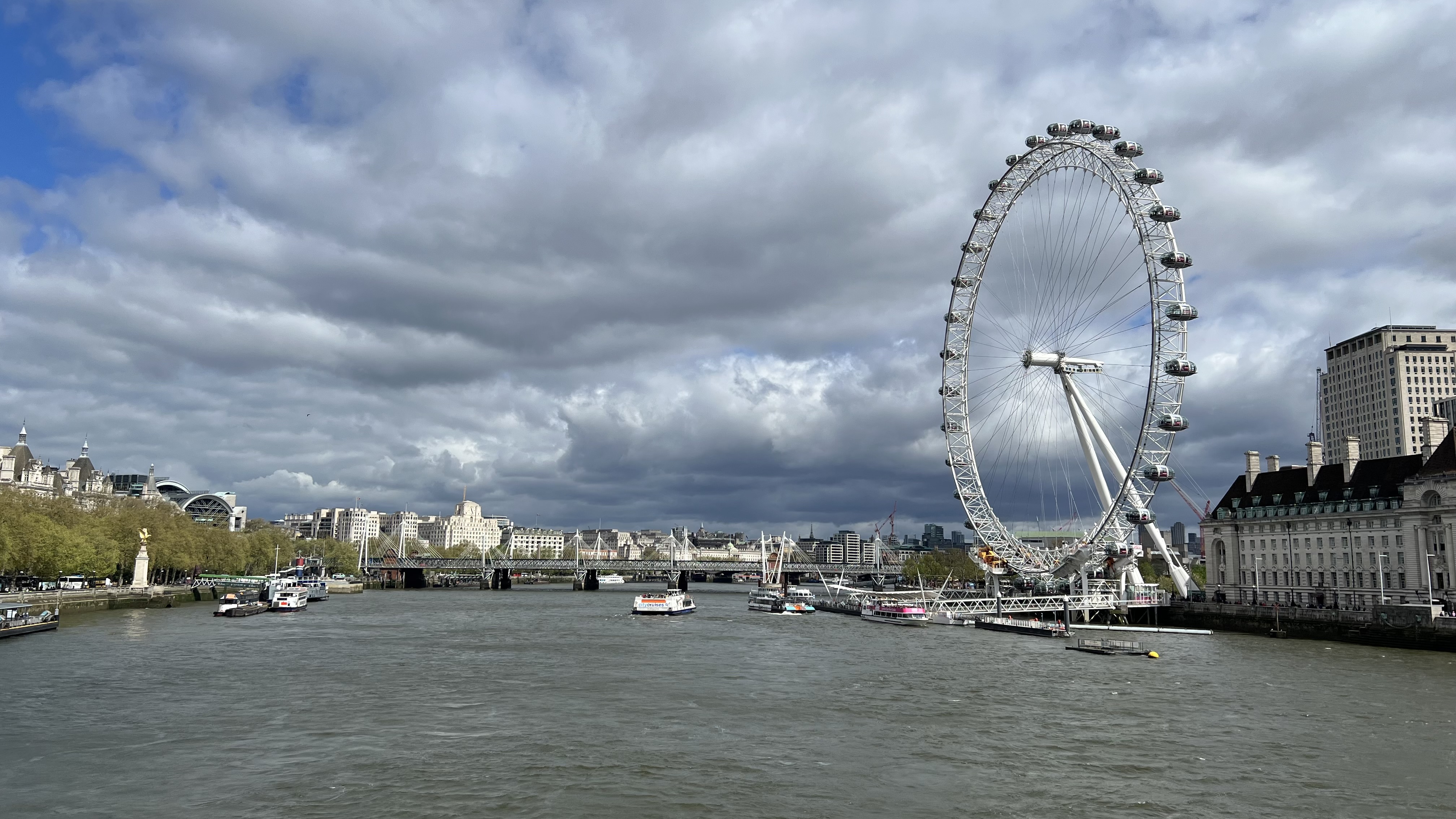
Then, as we walked, Rey quipped, “mom, is that… Ice?”
“Huh?”
Plink.
Plonk.
Plonk.
It was a hail. I know what hail is, I even heard stories on how some cities in Indonesia got hail despite our location as a tropical country. But dang it, a hail? In April? In London?
We ran to shelter ourselves from the hail, and as if it never happened, in just mere minutes, the hail stopped and the sun came back out.

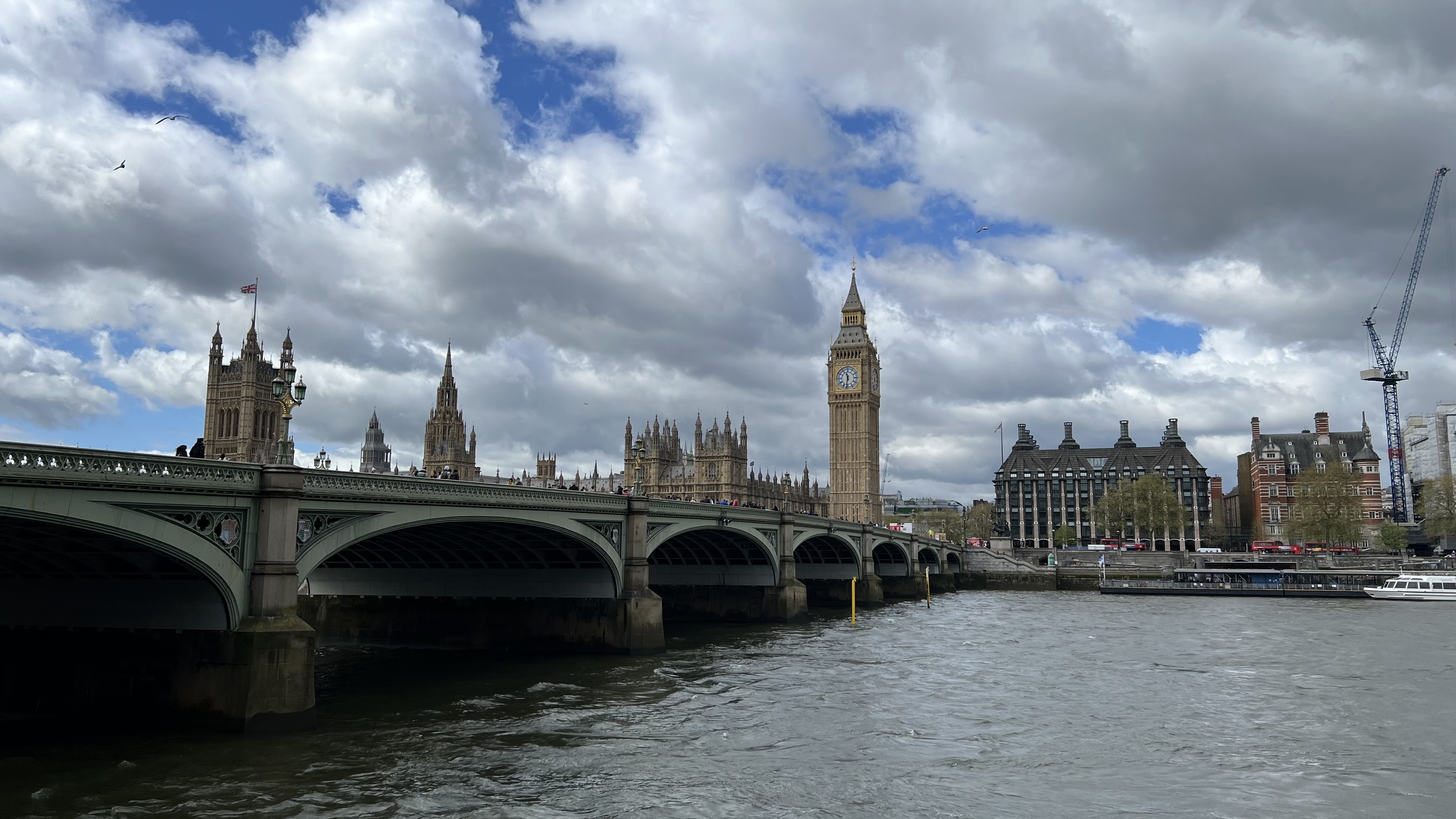
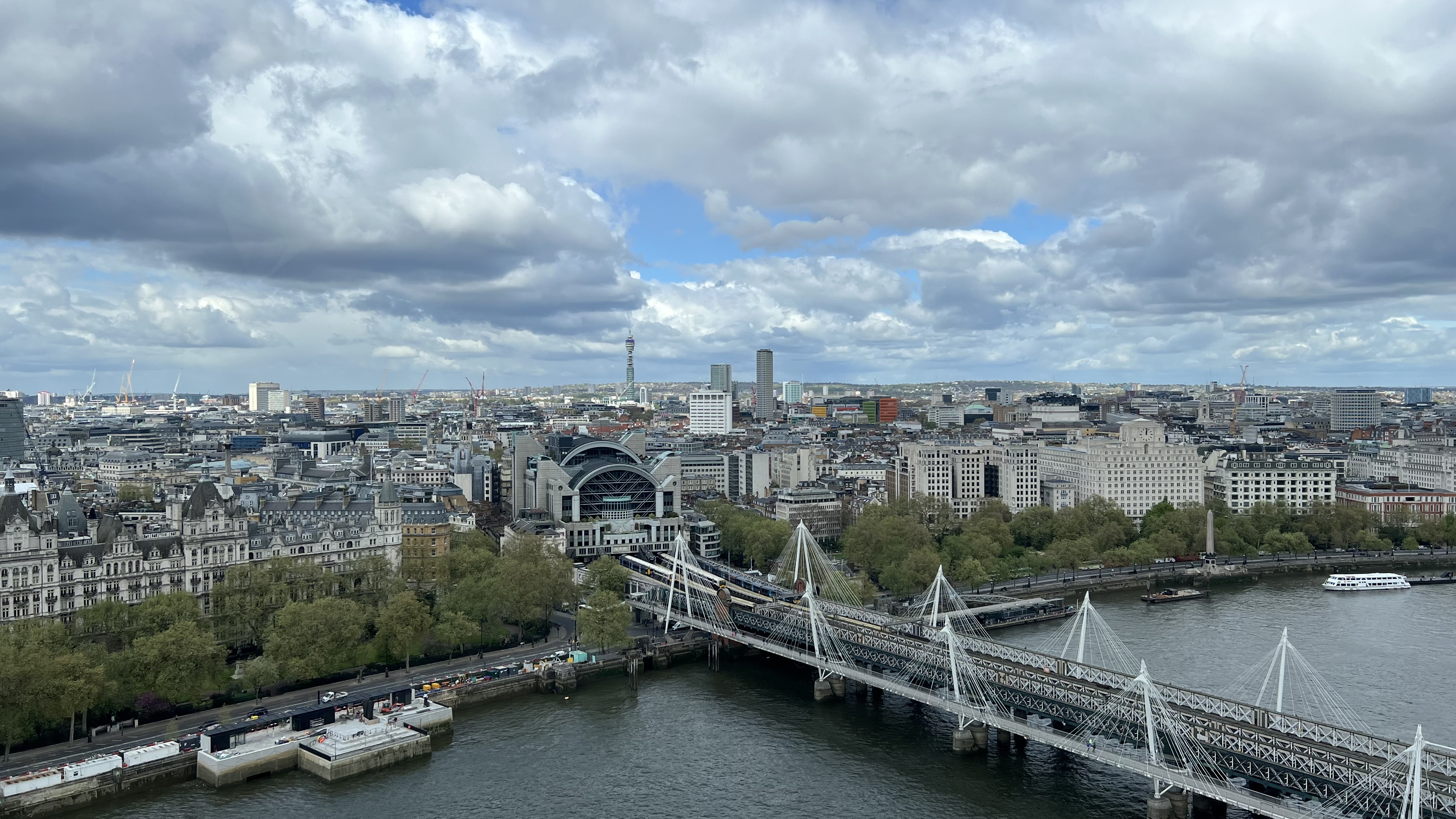
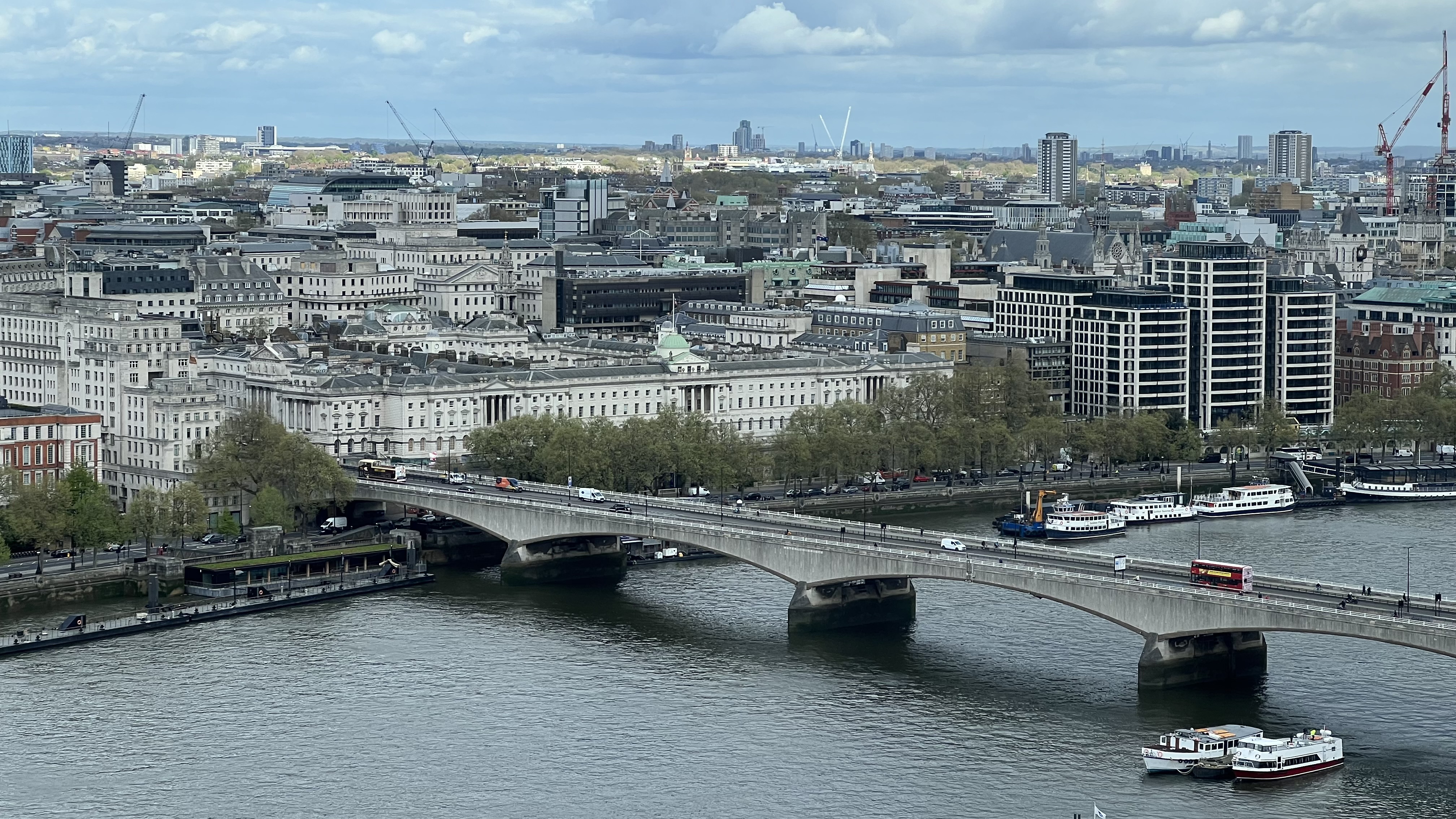
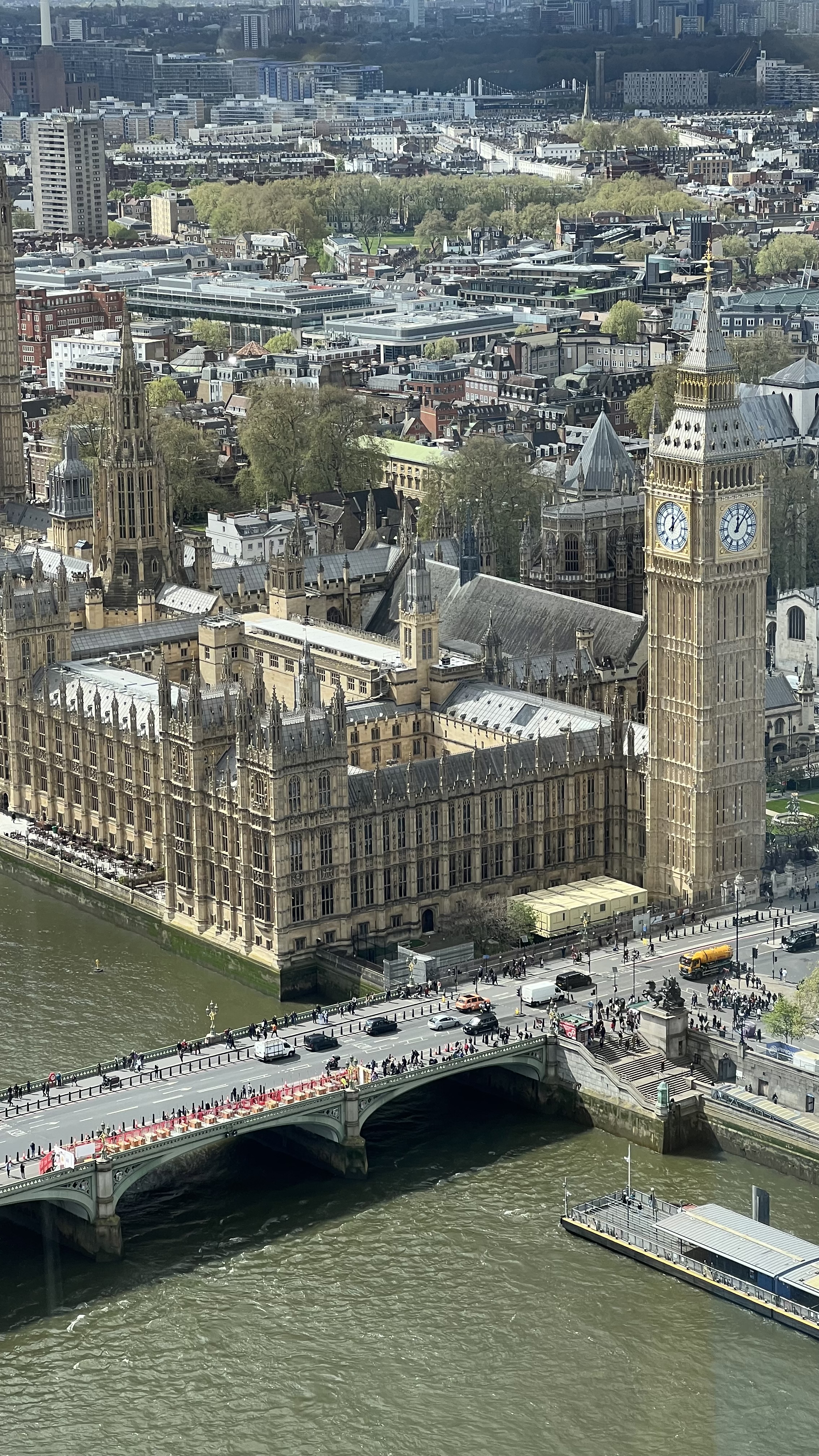
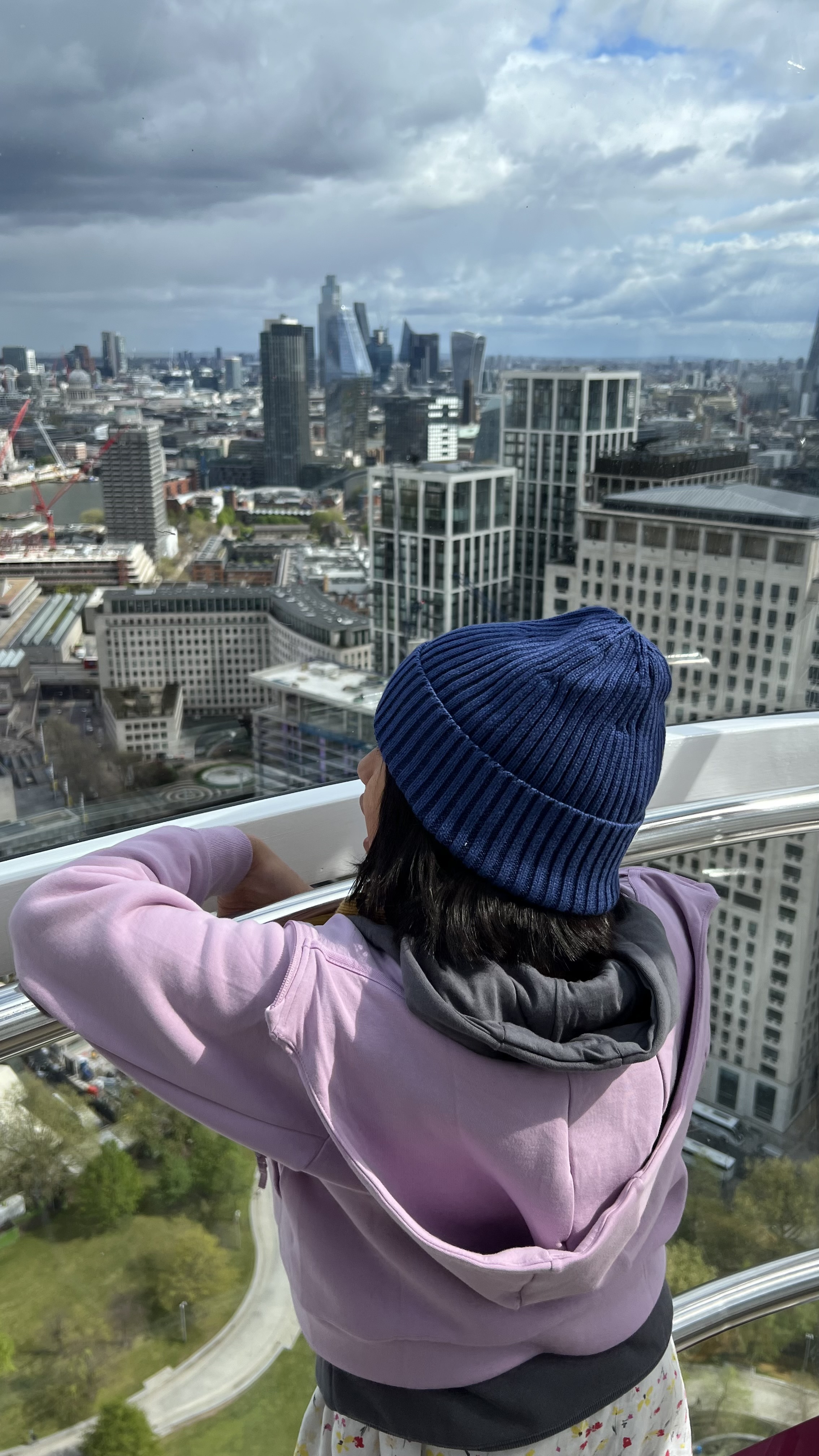
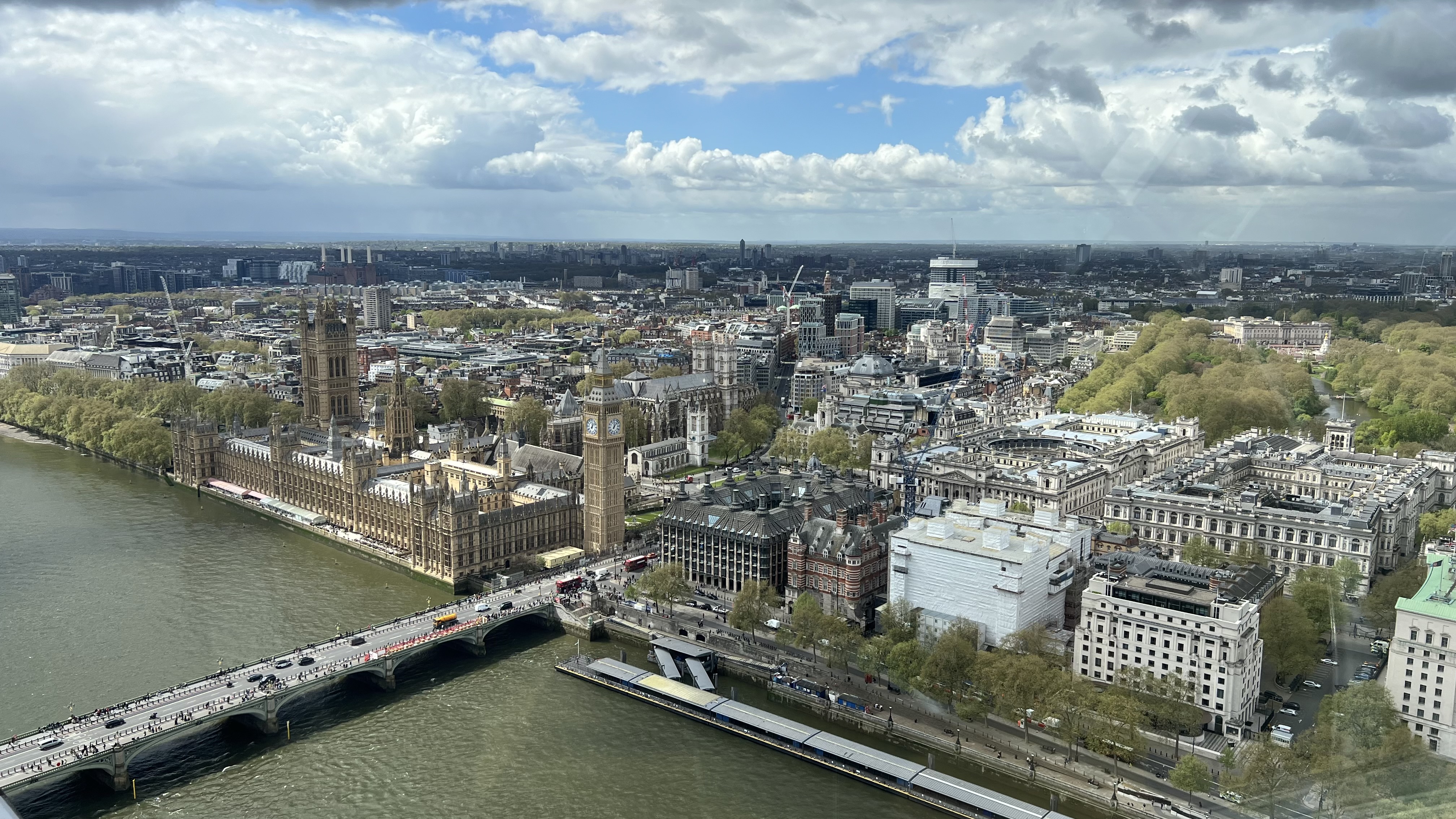
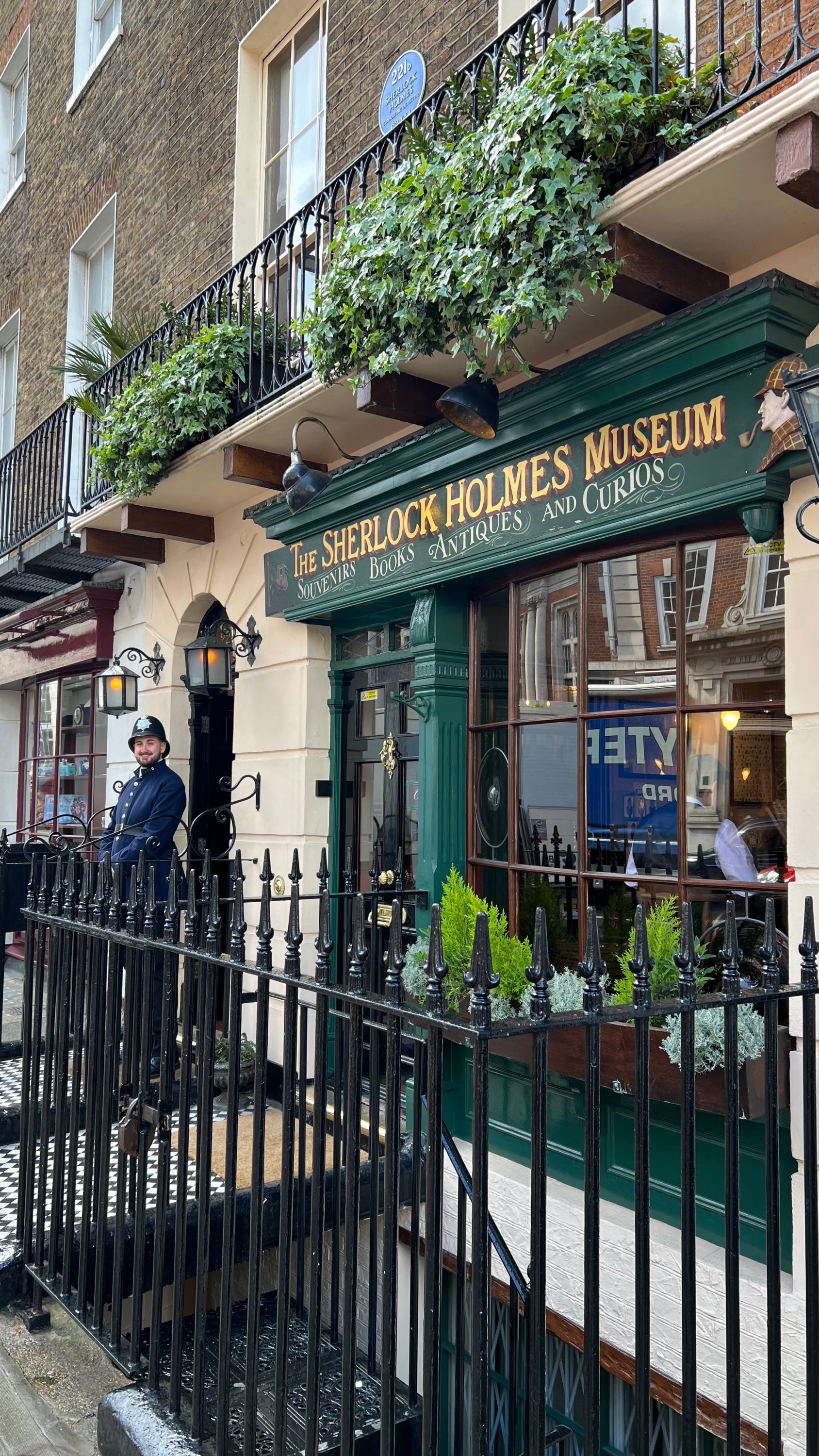
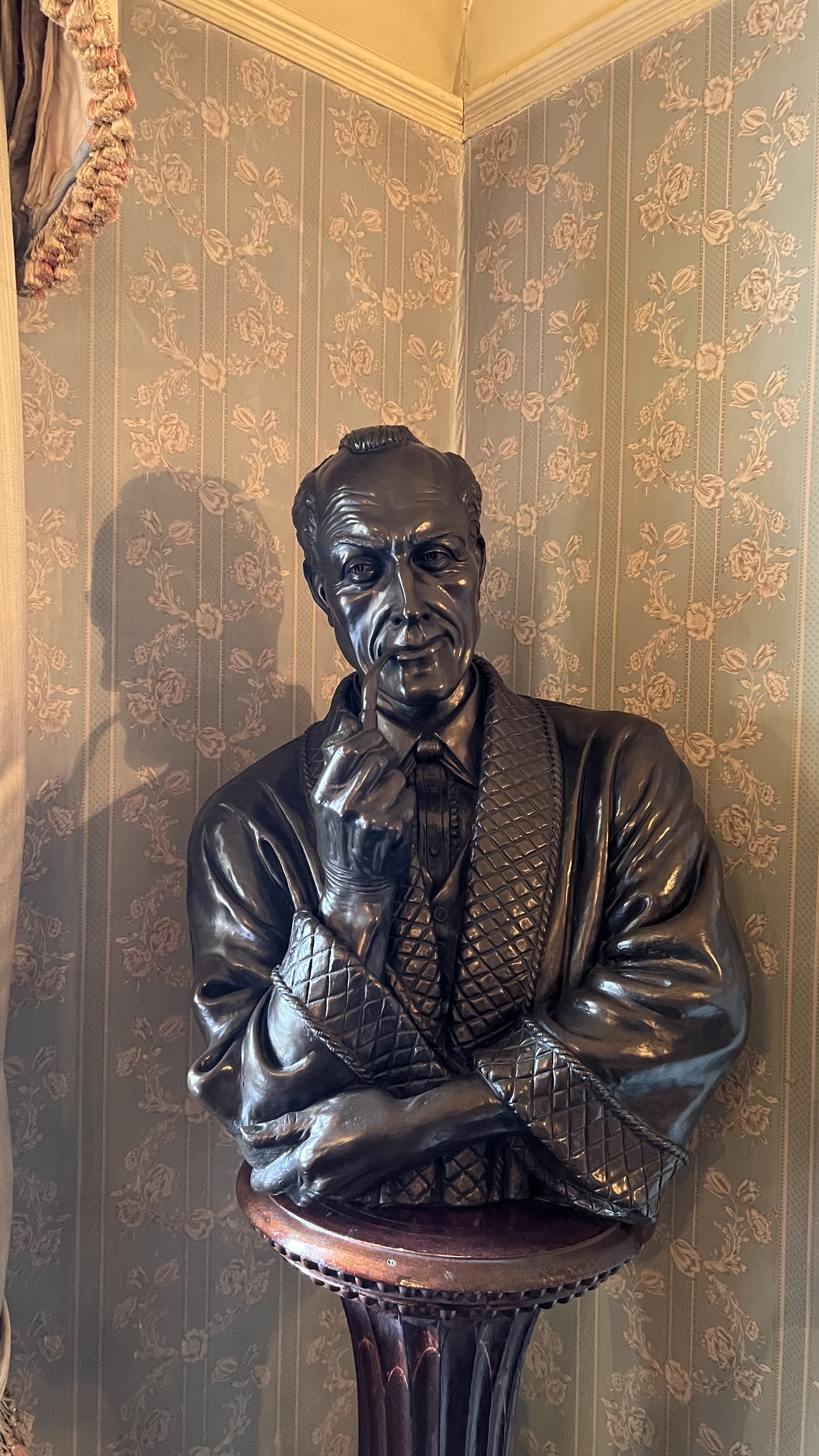
As Ari crossed “Old Trafford” from his bucket list, I, too, crossed an item from my list.
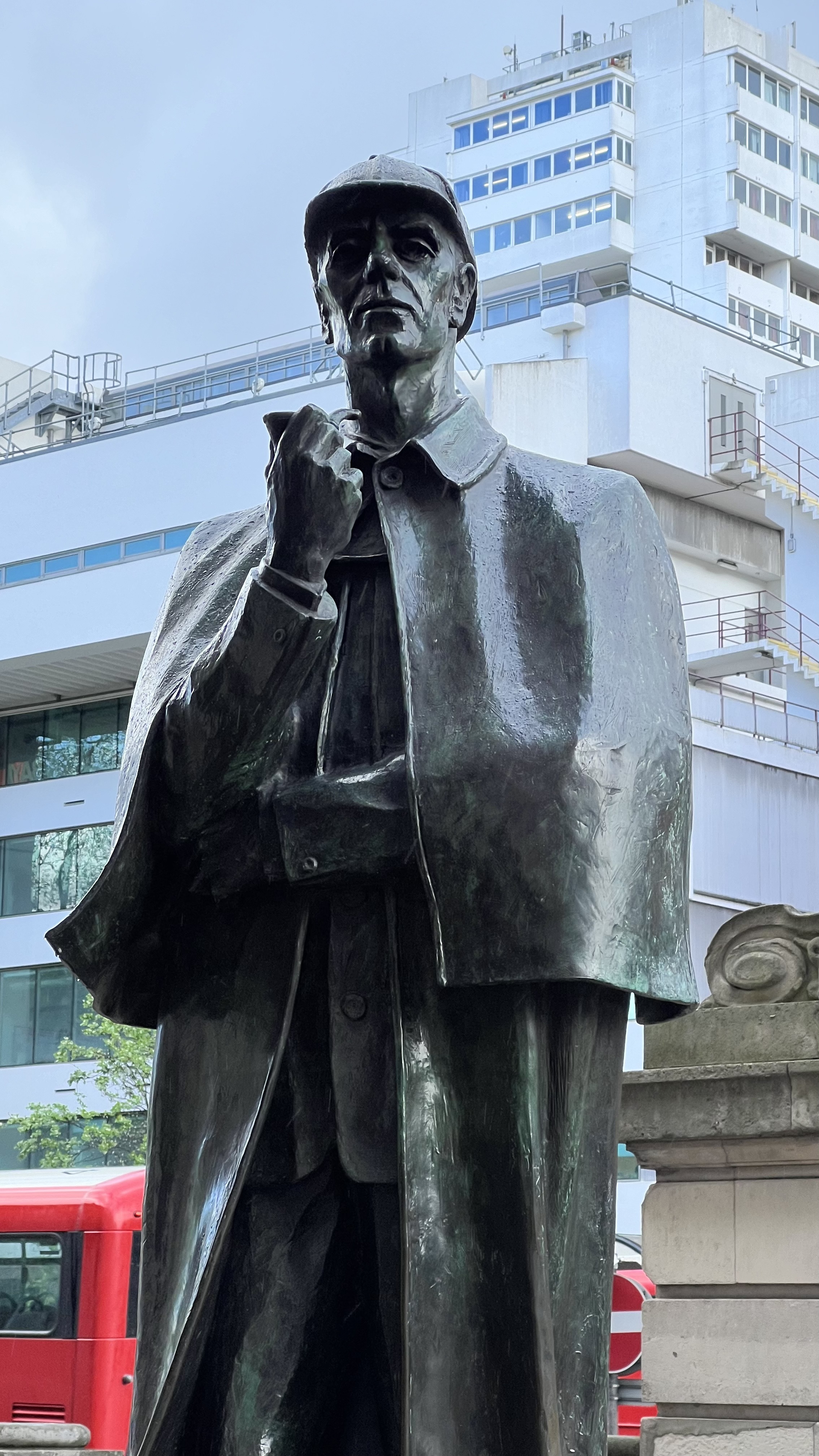
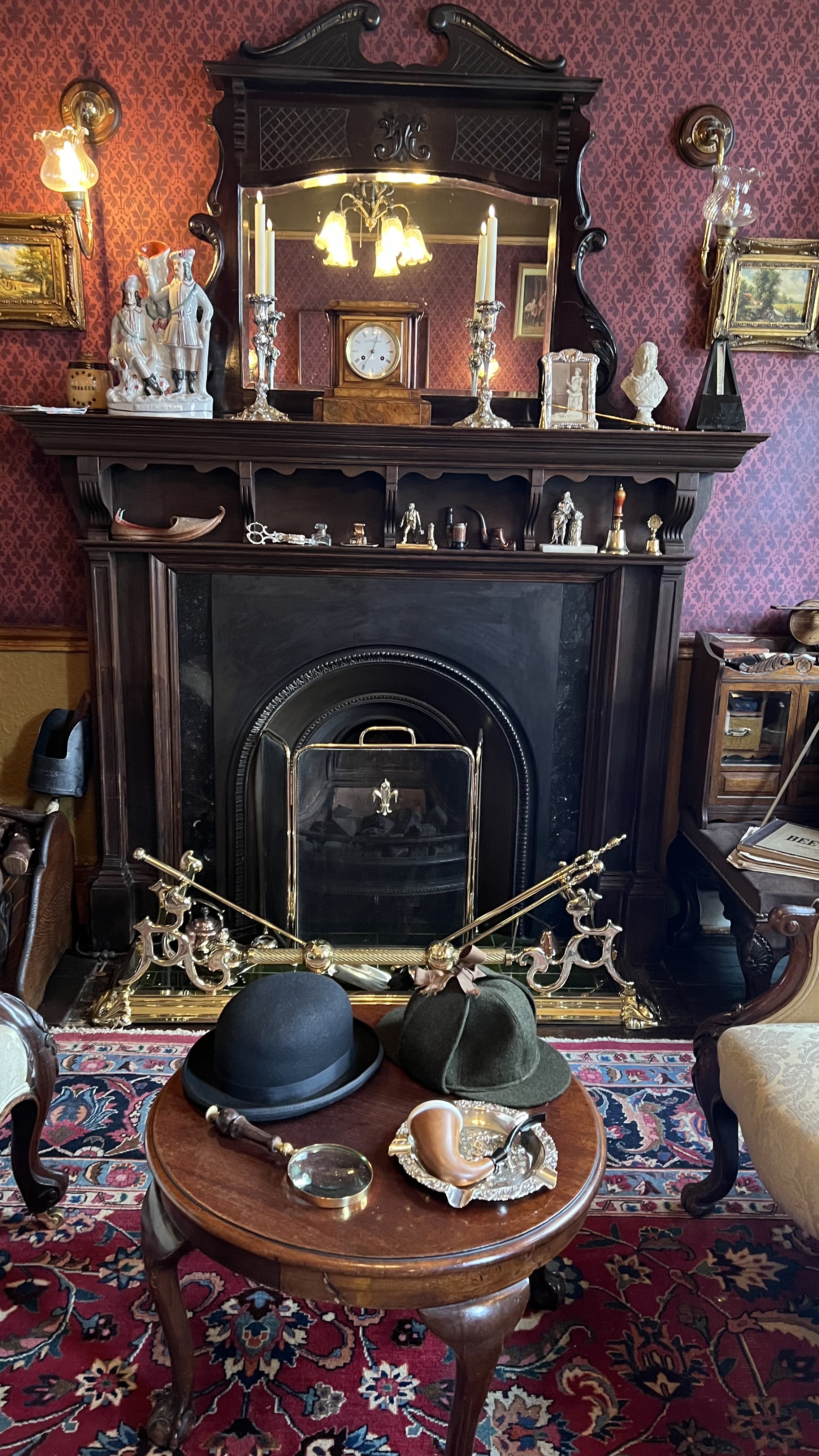
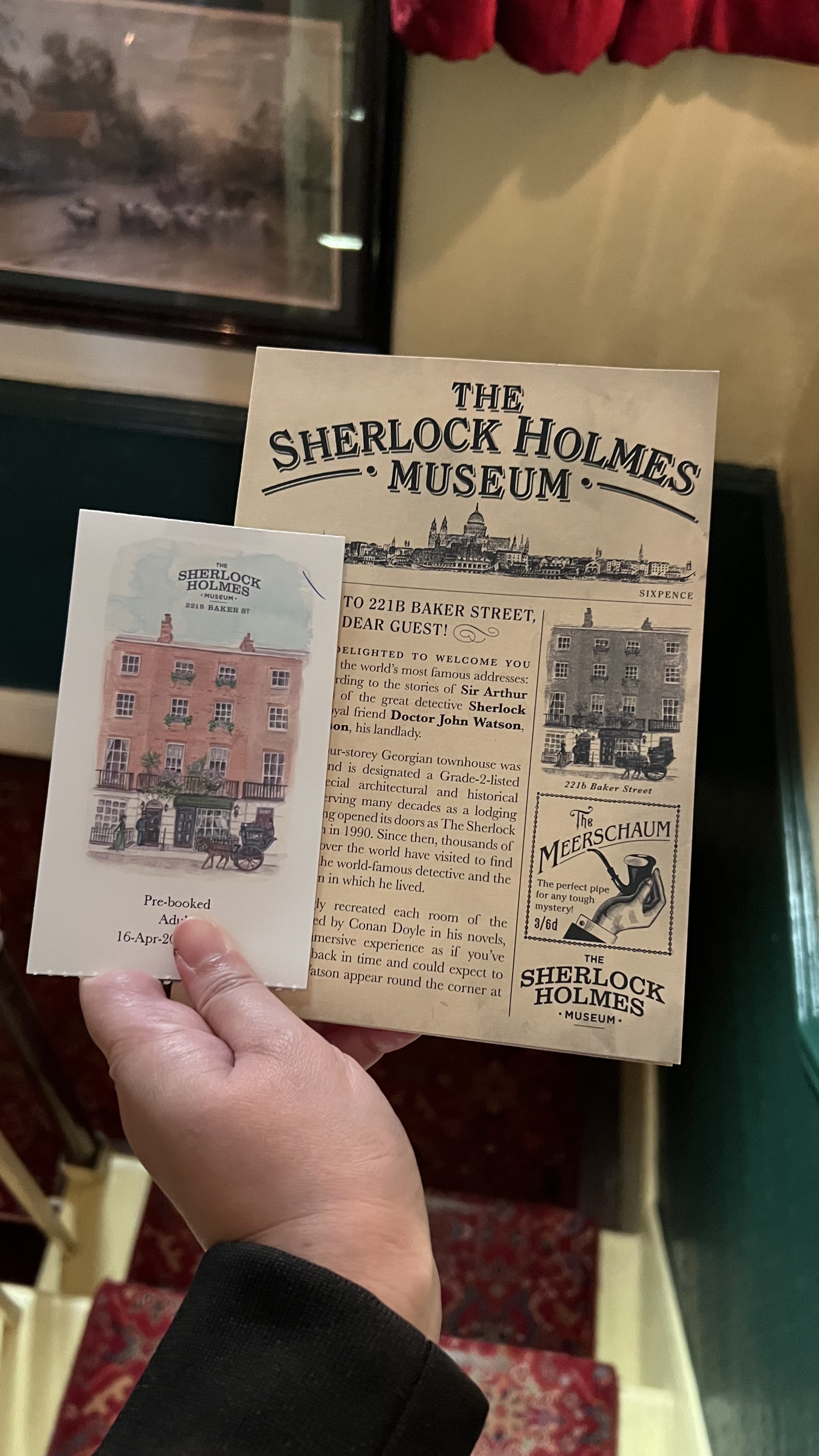
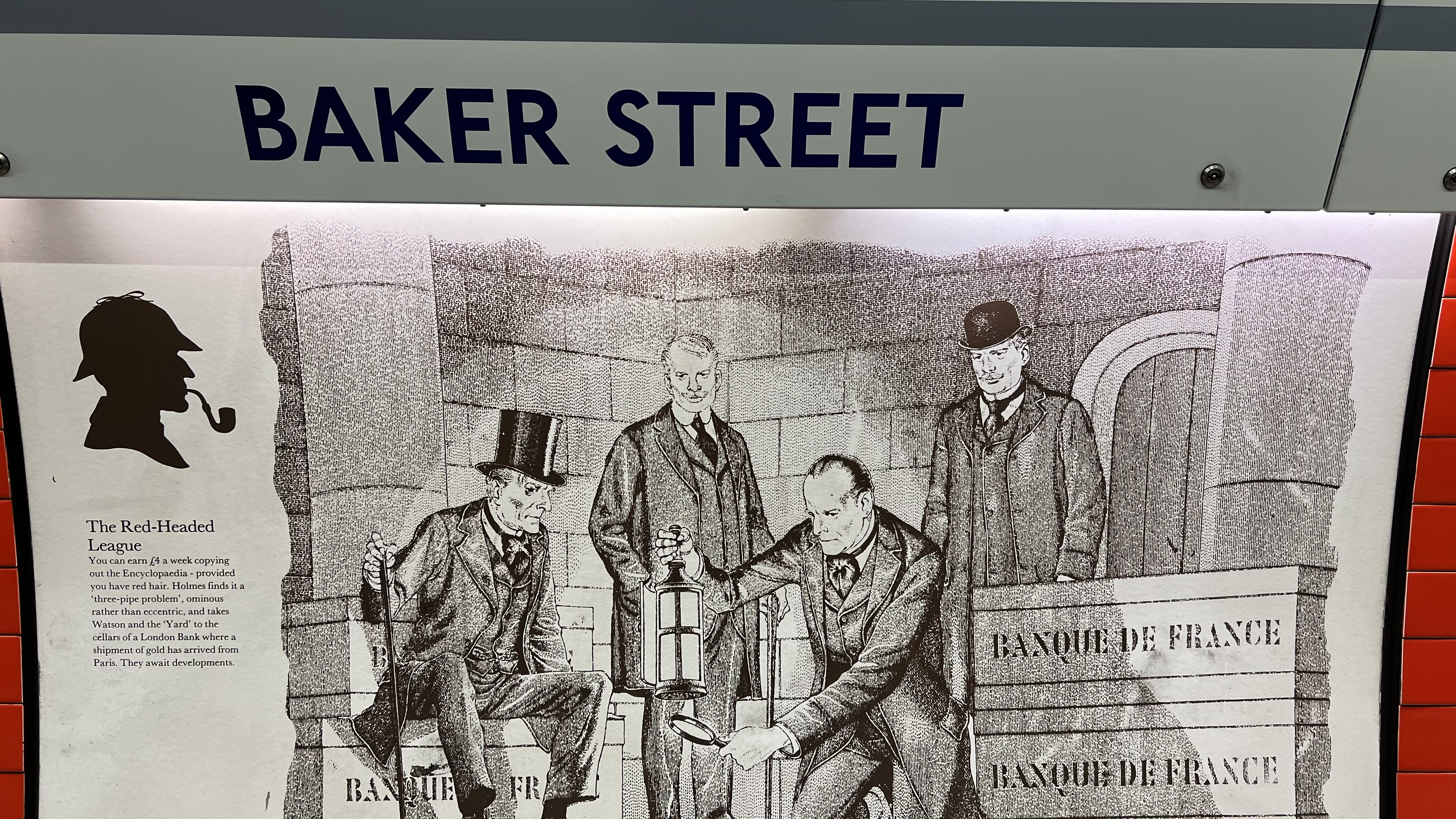
Sherlock Holmes Museum.
I won’t say much on this. Let’s just say it was 29 years of dream. Sobbing and crying in the corner.
(Yes, I set the image to be wide width, with border AND shadow just because. If I could add confetti and sparkles that pop off and glitter whenever you scroll this image, I would.)

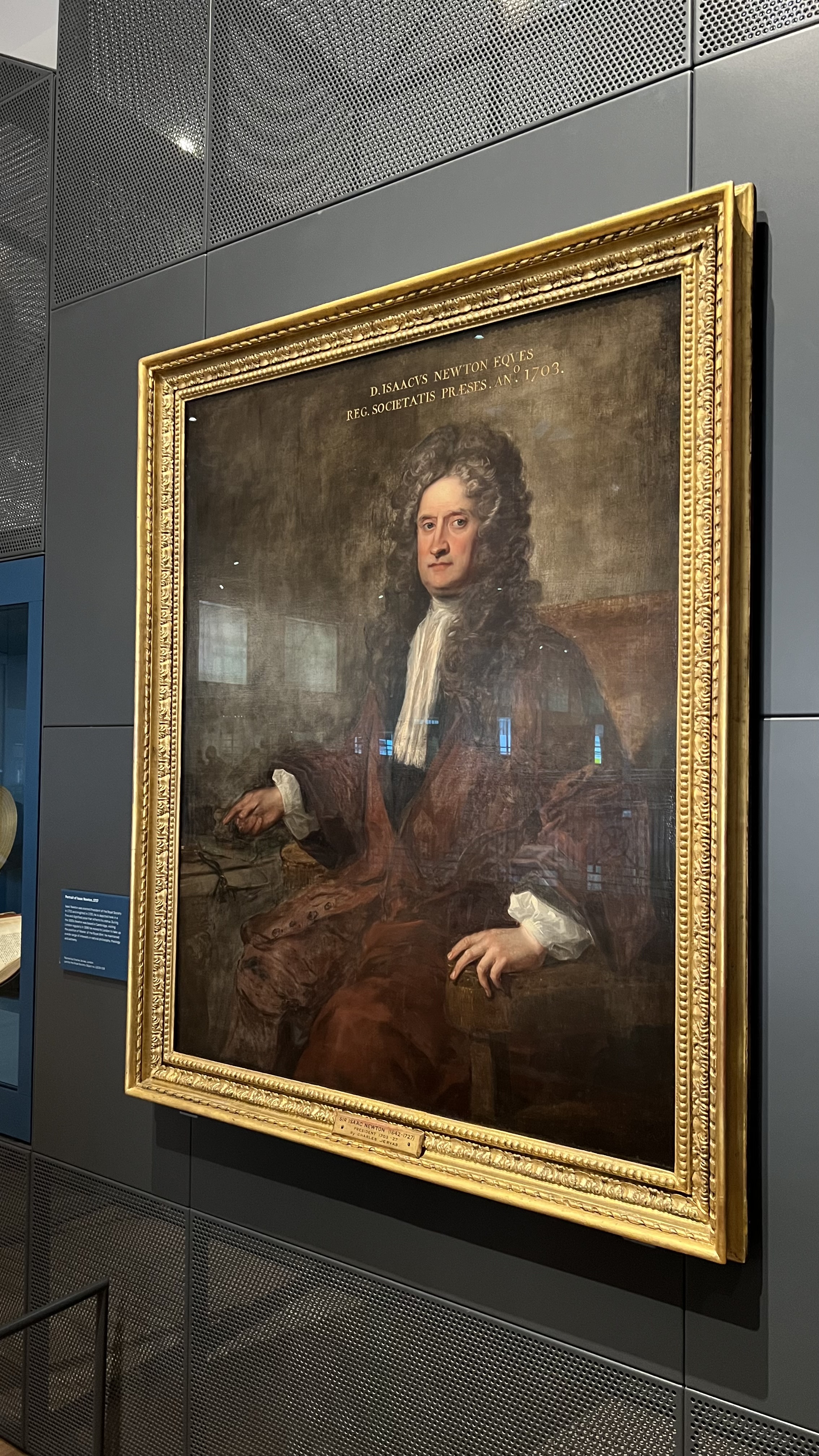
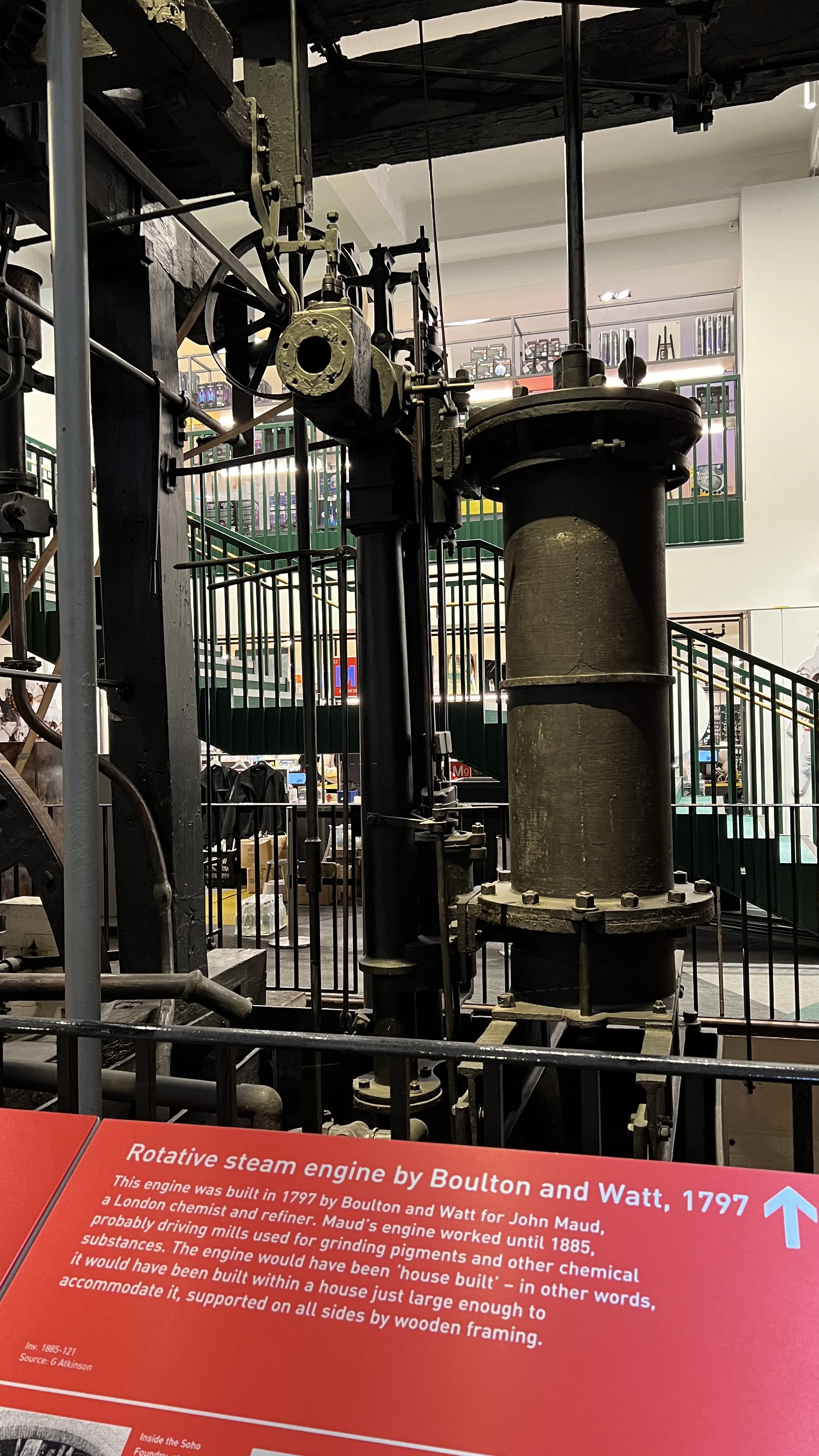
We also visited Science Museum in London, and just like its counterpart in Manchester, Science Museum in London showcase the importance of diversity, inclusivity, and knowing where we came from and how we achieve things up to this point.


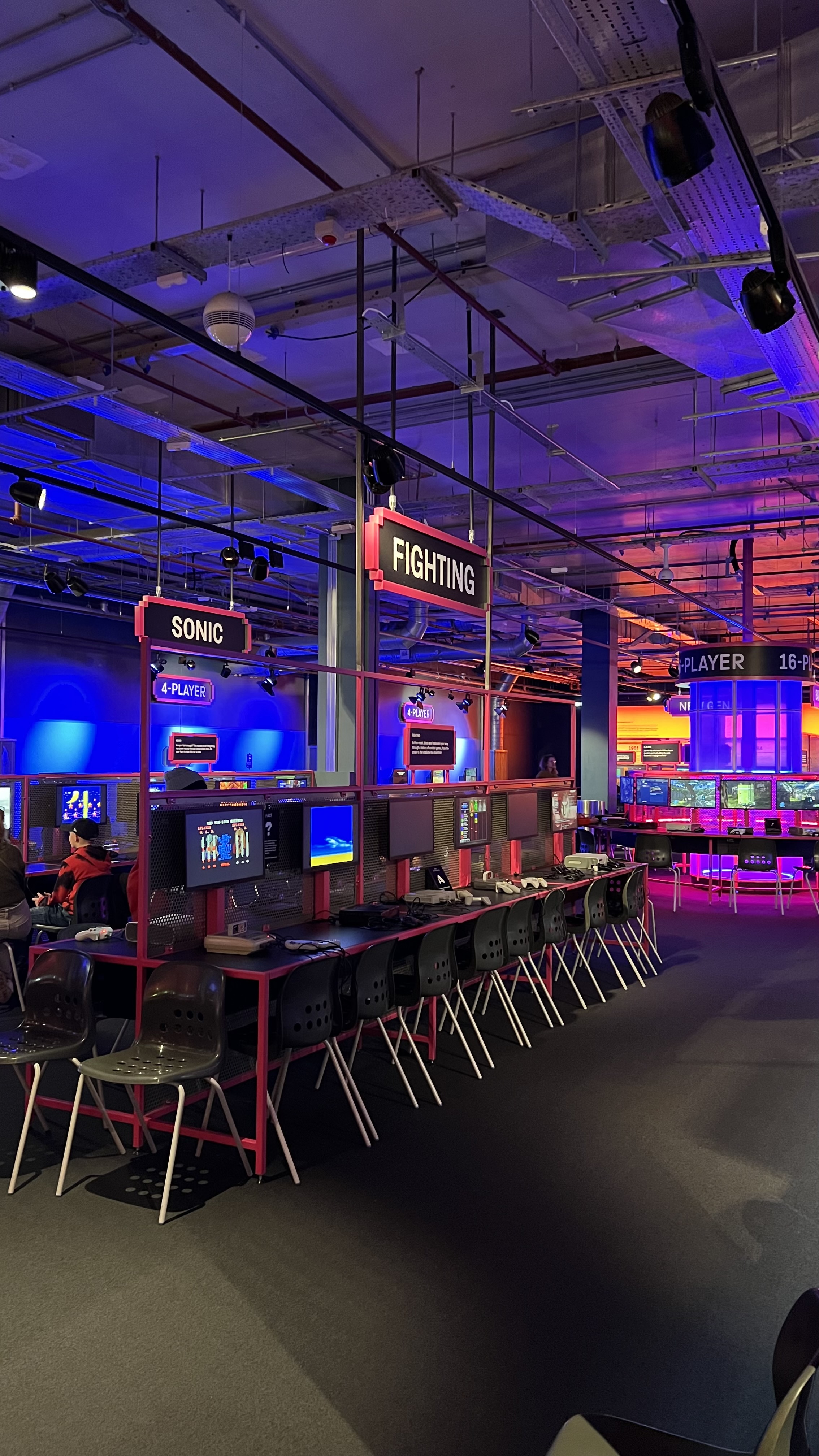
The museum also had a special exhibition dedicated to the development of game industry: Power Up! In it, we can see how game consoles developed, even playing it!
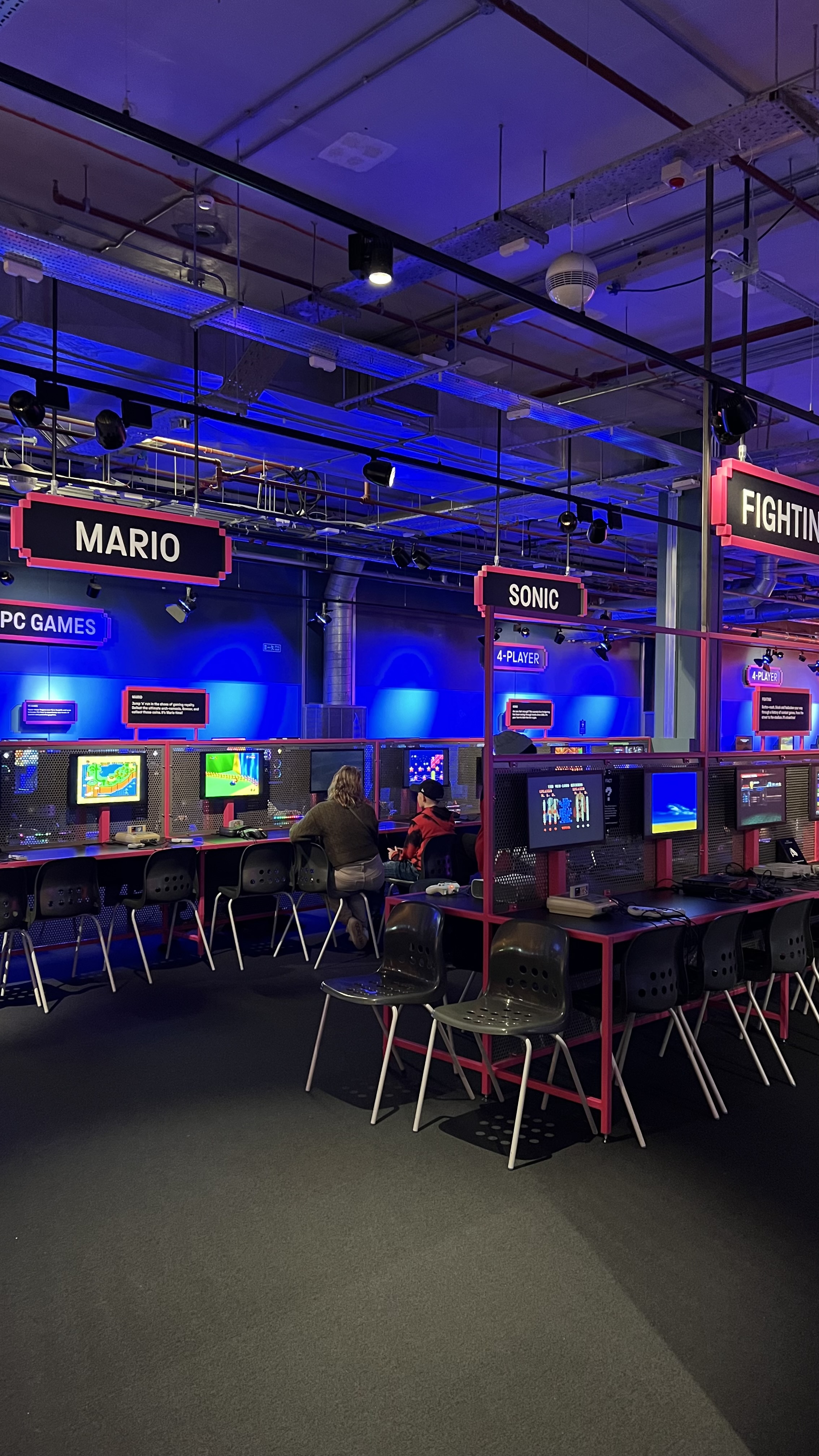

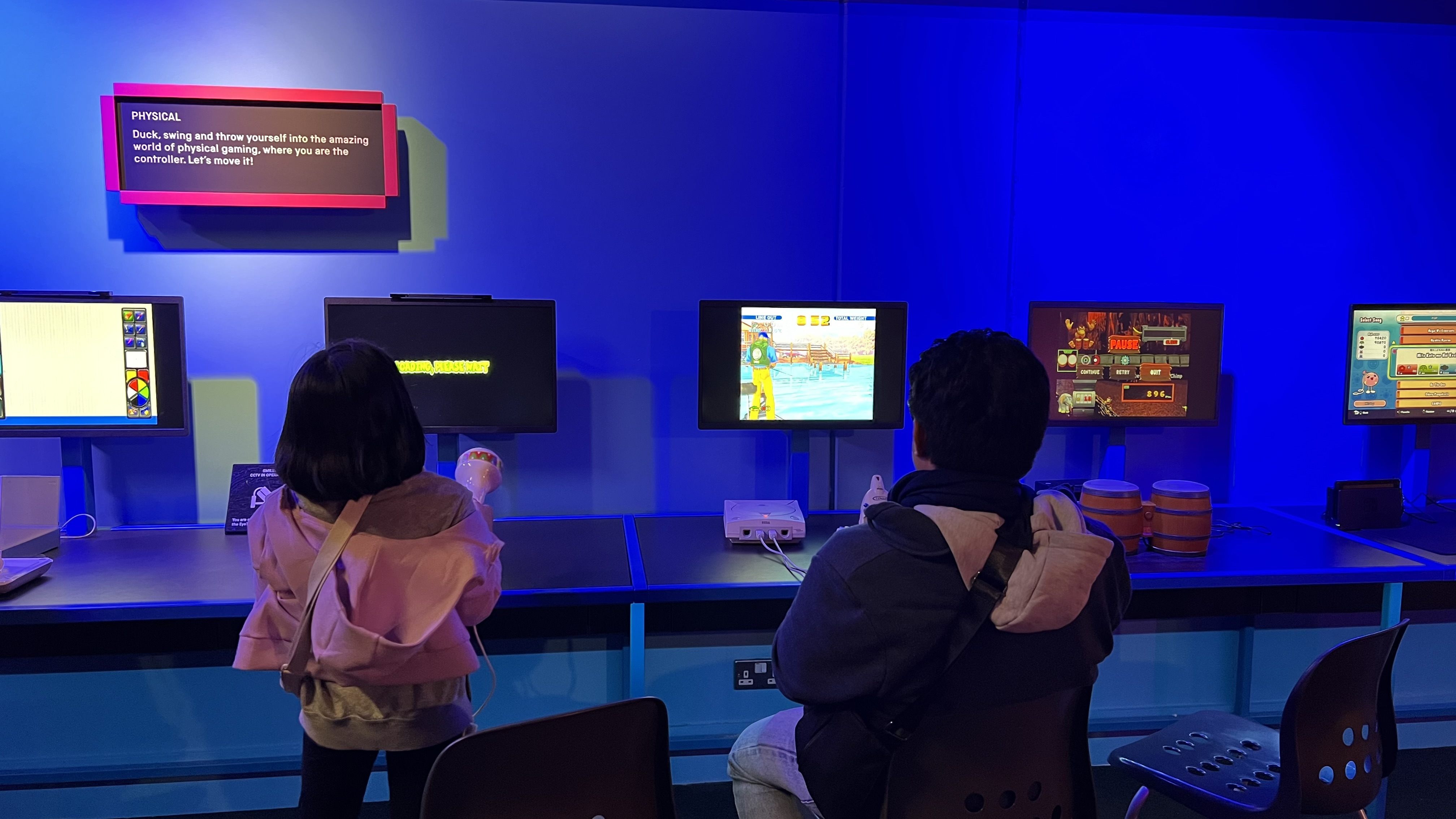

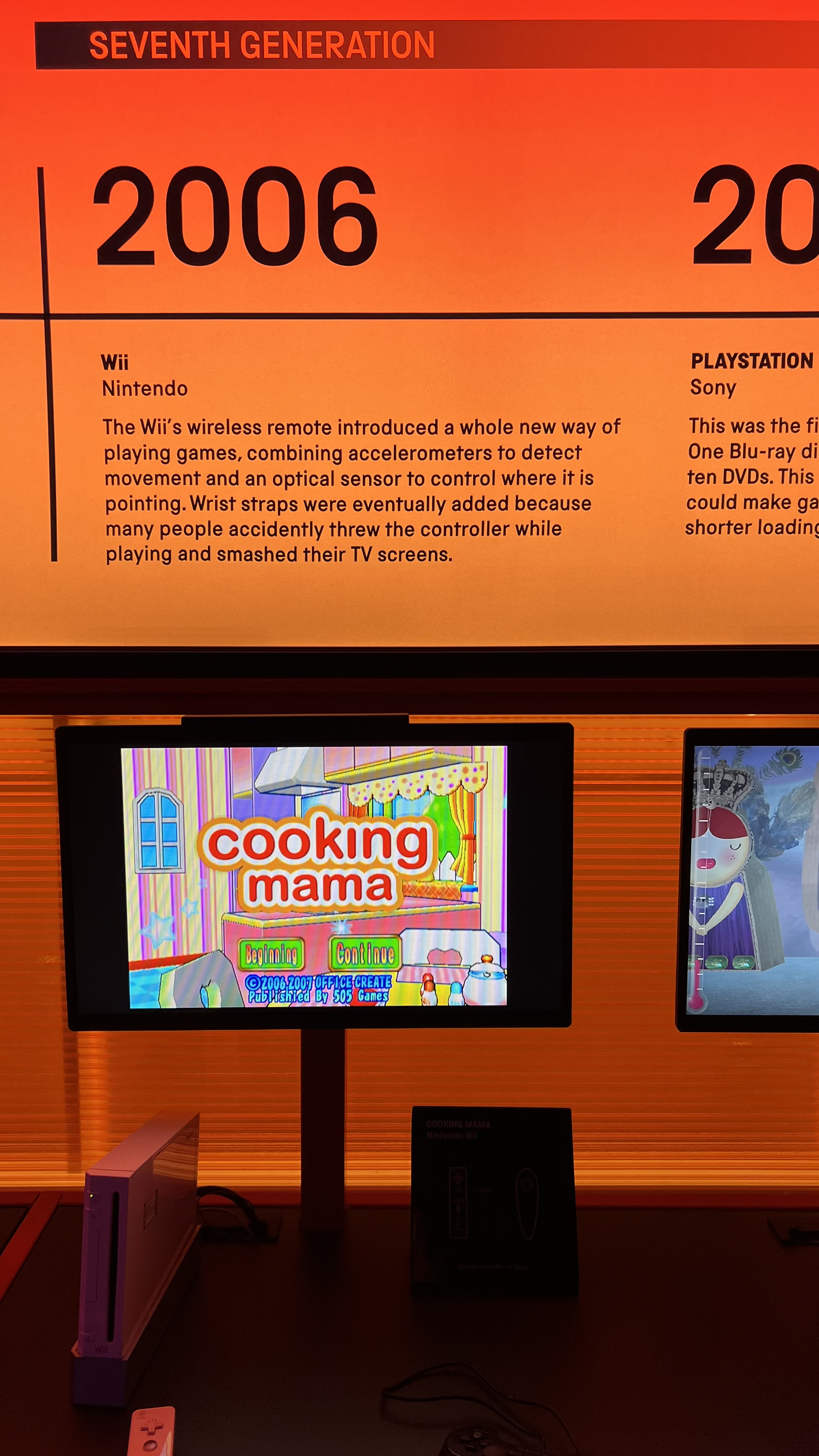
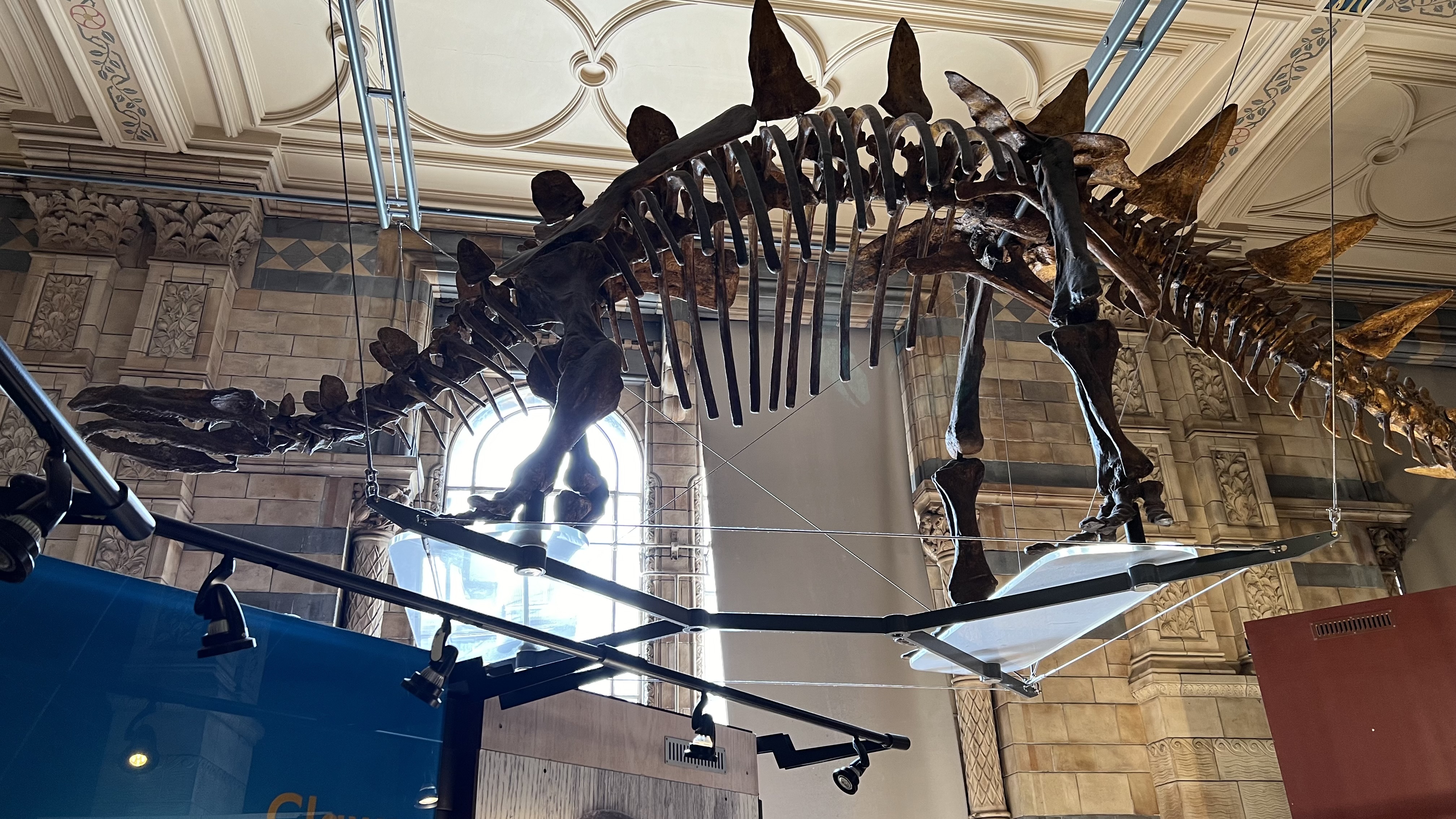
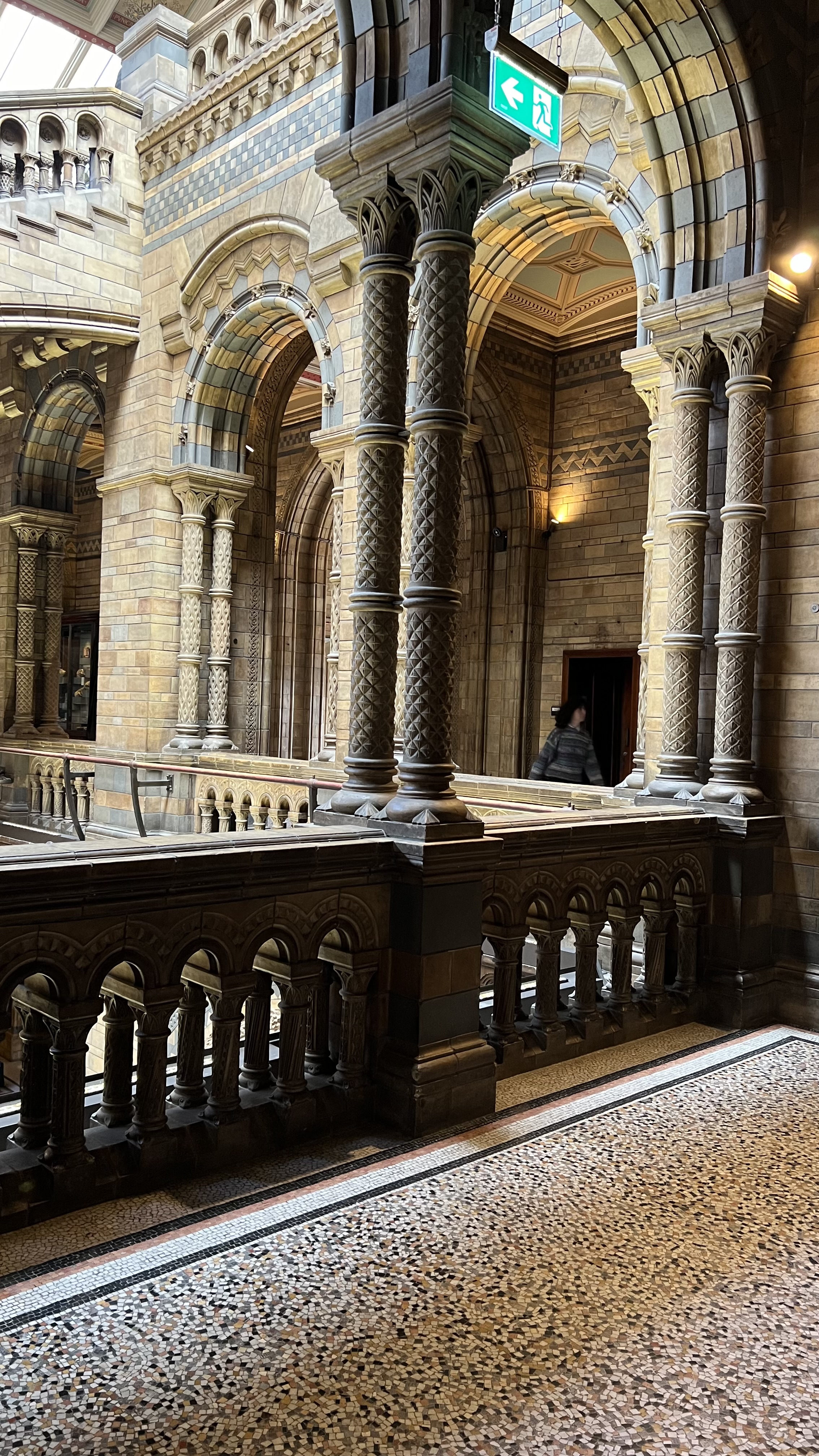
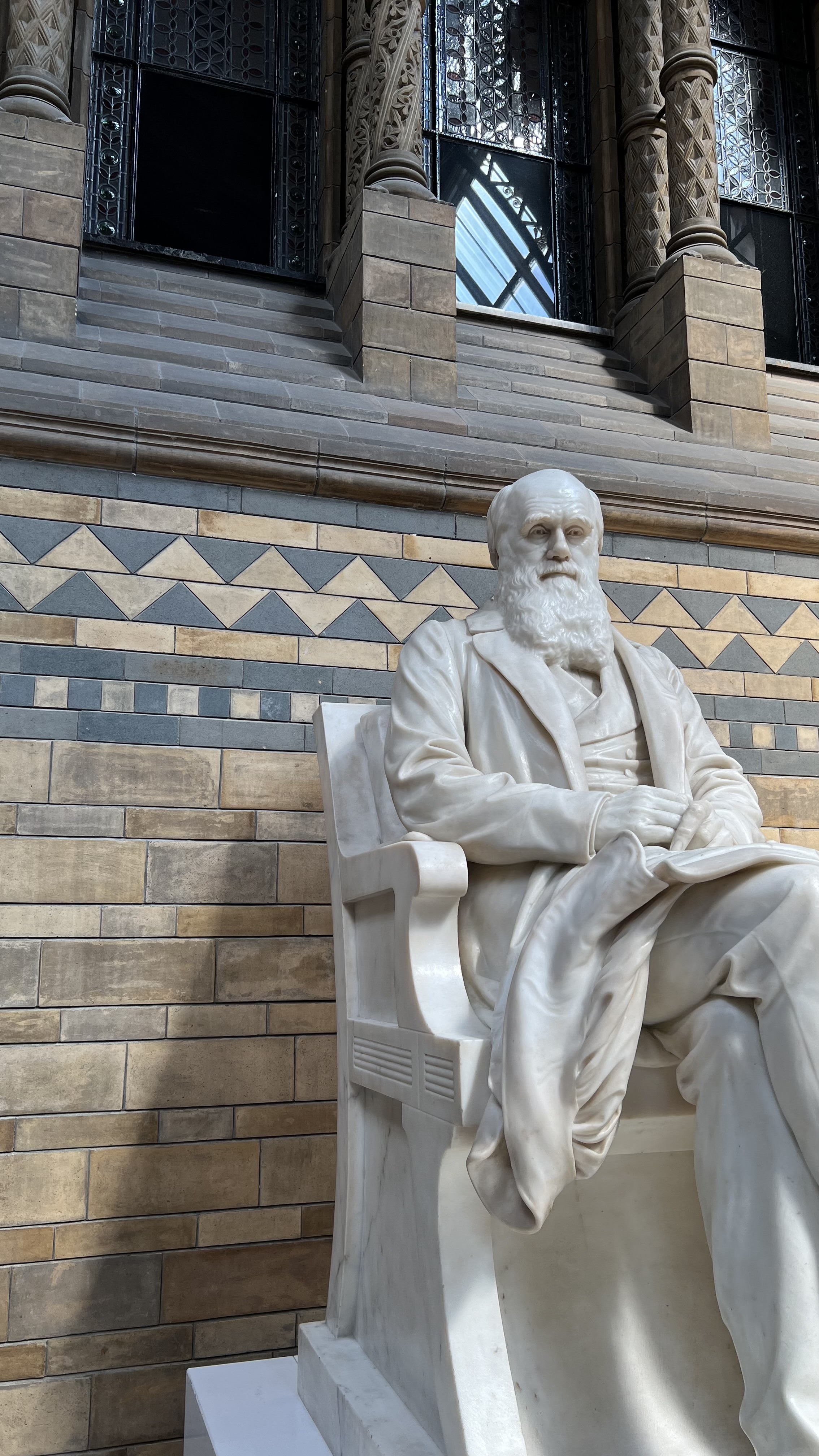
Since the museum is located in the Exhibition Road where there are multiple galleries and museums located, we also took the chance to visit Natural History Museum. You can see a statue of Darwin on the top of the staircase, welcoming the visitors.
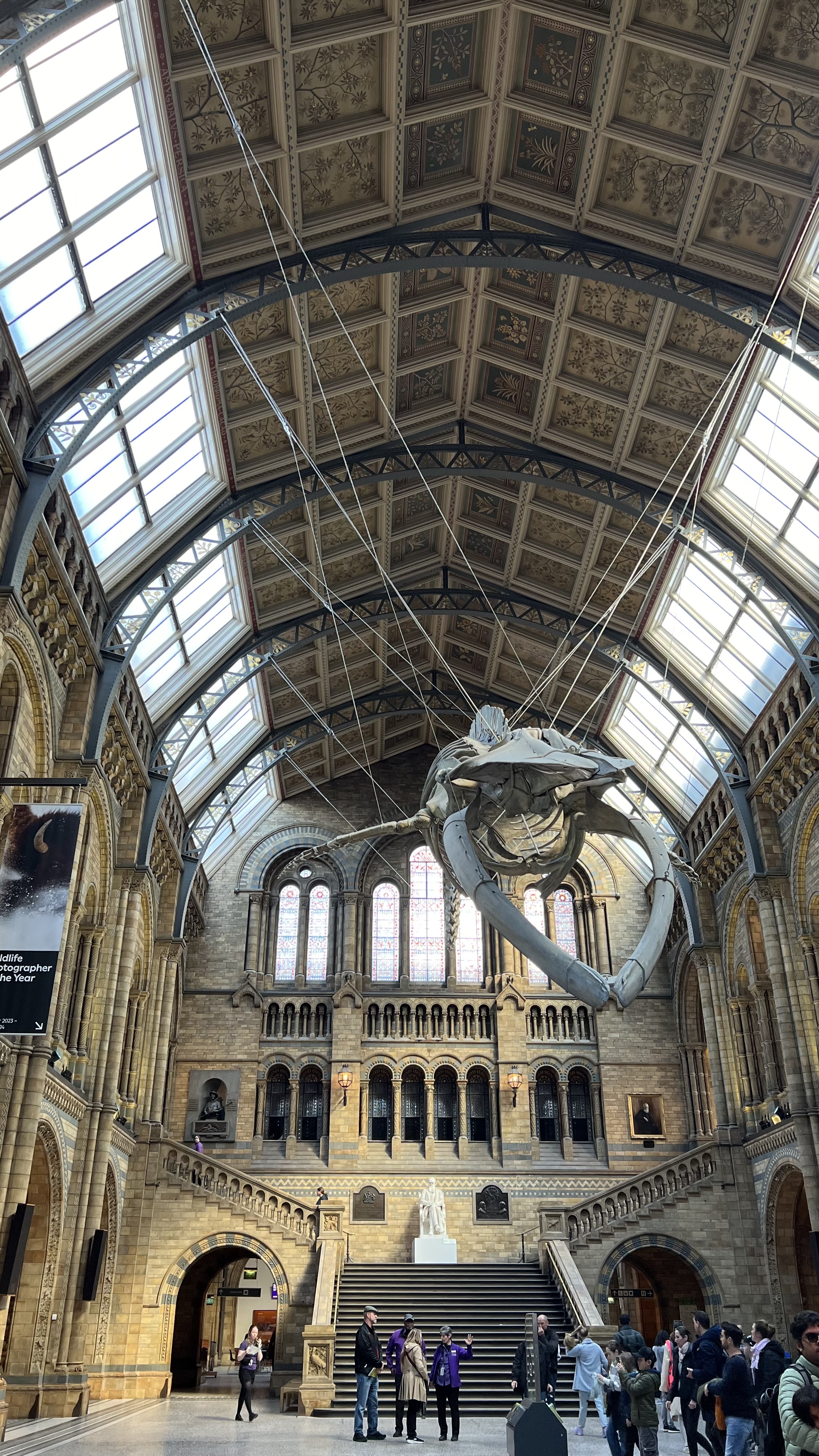


I also visited Victoria & Albert (V&A) Gallery nearby. I said “I” because the kids and Ari went back to Science Museum since Wira wanted to buy some stuff from the museum store. Museum store is our Achilles’ heel.
In the gallery, I was so surprised to see an old friend of mine.
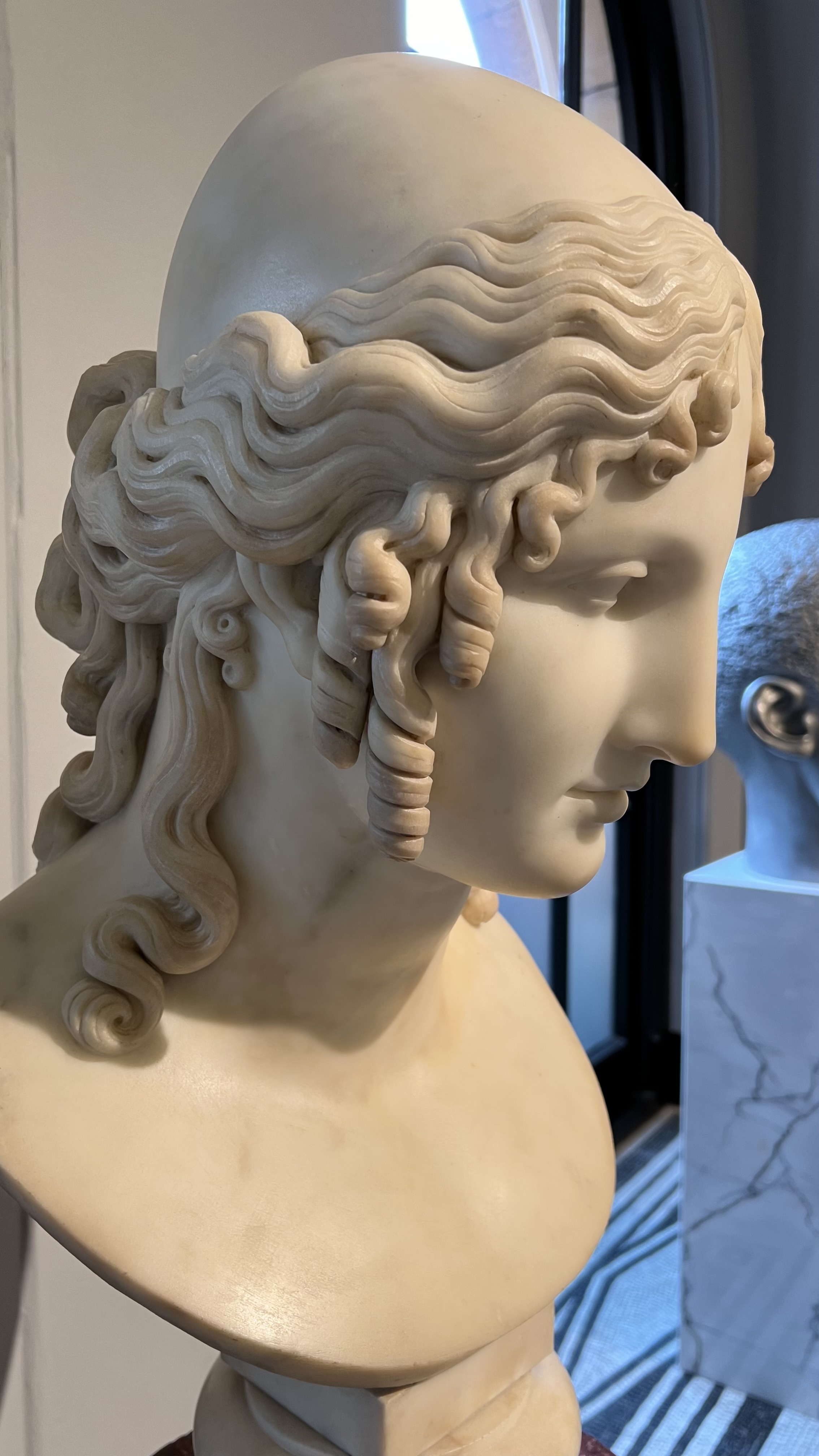
I’m familiar with the bust of Helen of Troy above. When I was a child, I had this encyclopedia book on legends and myths, and there was this picture of Helen of Troy, this exact same bust, with a caption: “The face that launched a thousand ships”. I remember I looked at the picture and thought she looked so pretty, especially with the nose, and wondered how she felt during the Trojan War.
When I saw her on the gallery, I abruptly went, “hey girl!” It feels weird, to feel so familiar yet so strange of something.
Some of my favorites too:
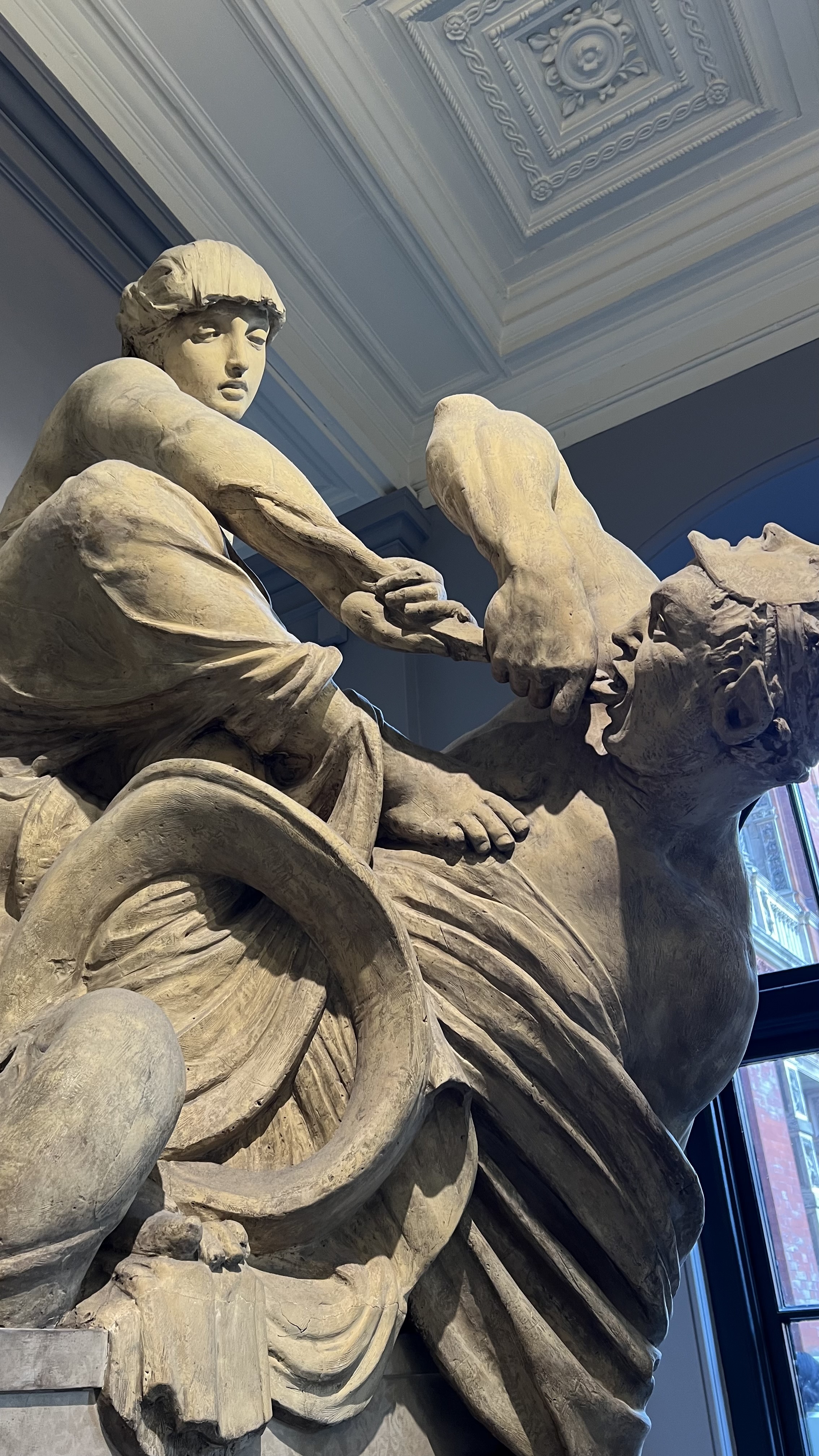

On the left, “Truth and Falsehood”.
Here, Truth tears out the double tongue of Falsehood and pushes aside the mask concealing his grotesque features. His serpent-like tails are exposed beneath the drapery.
On the right, “Valour and Cowardice”. Both of them are a set, made by Alfred Stevens (1817-75), for the Duke of Wellington. As the info card mentioned, “… Stevens devoted much of his career to this monument but sadly did not live to see it installed.”
Another one here might be familiar to fans of Greek mythology.
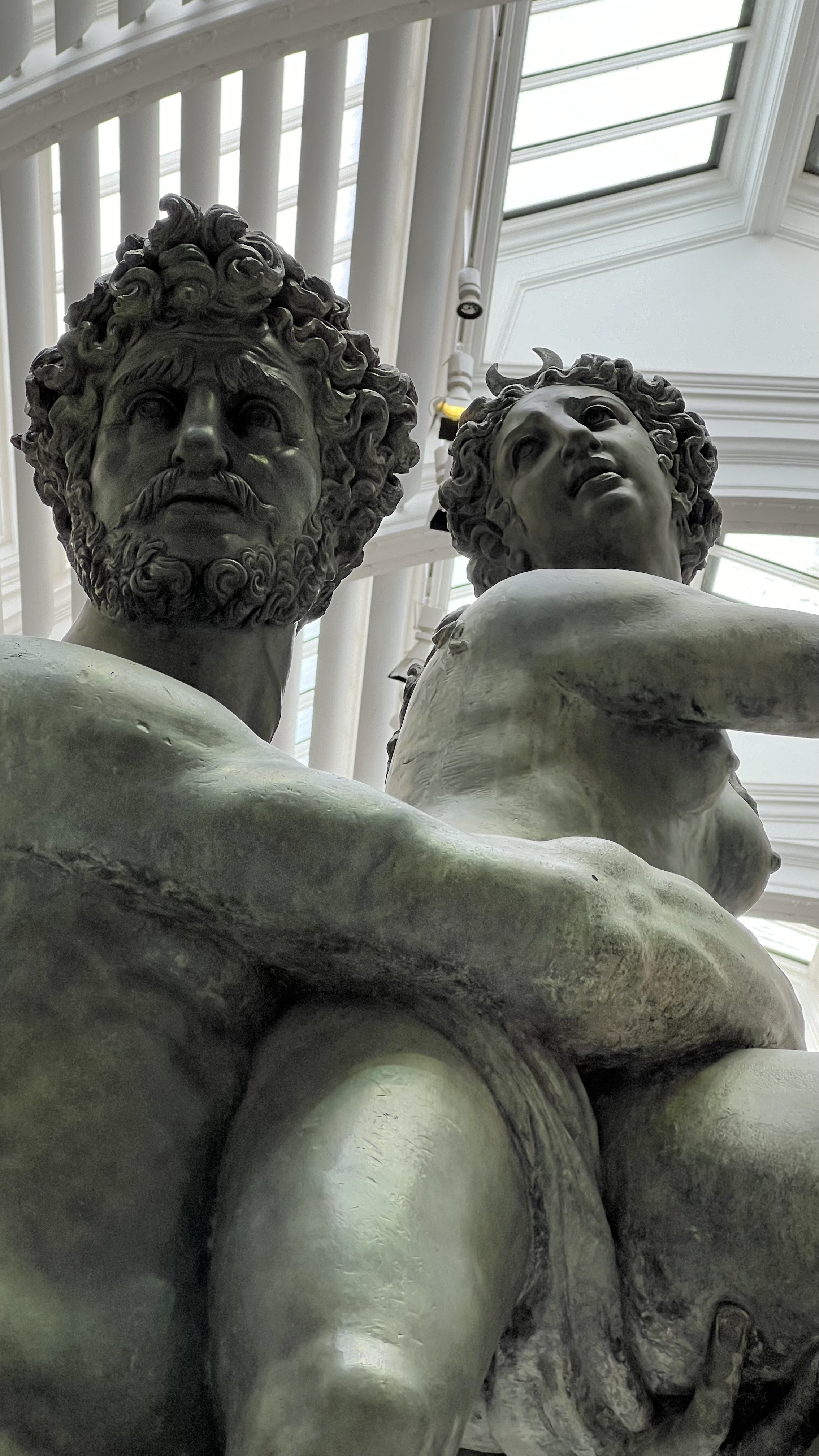
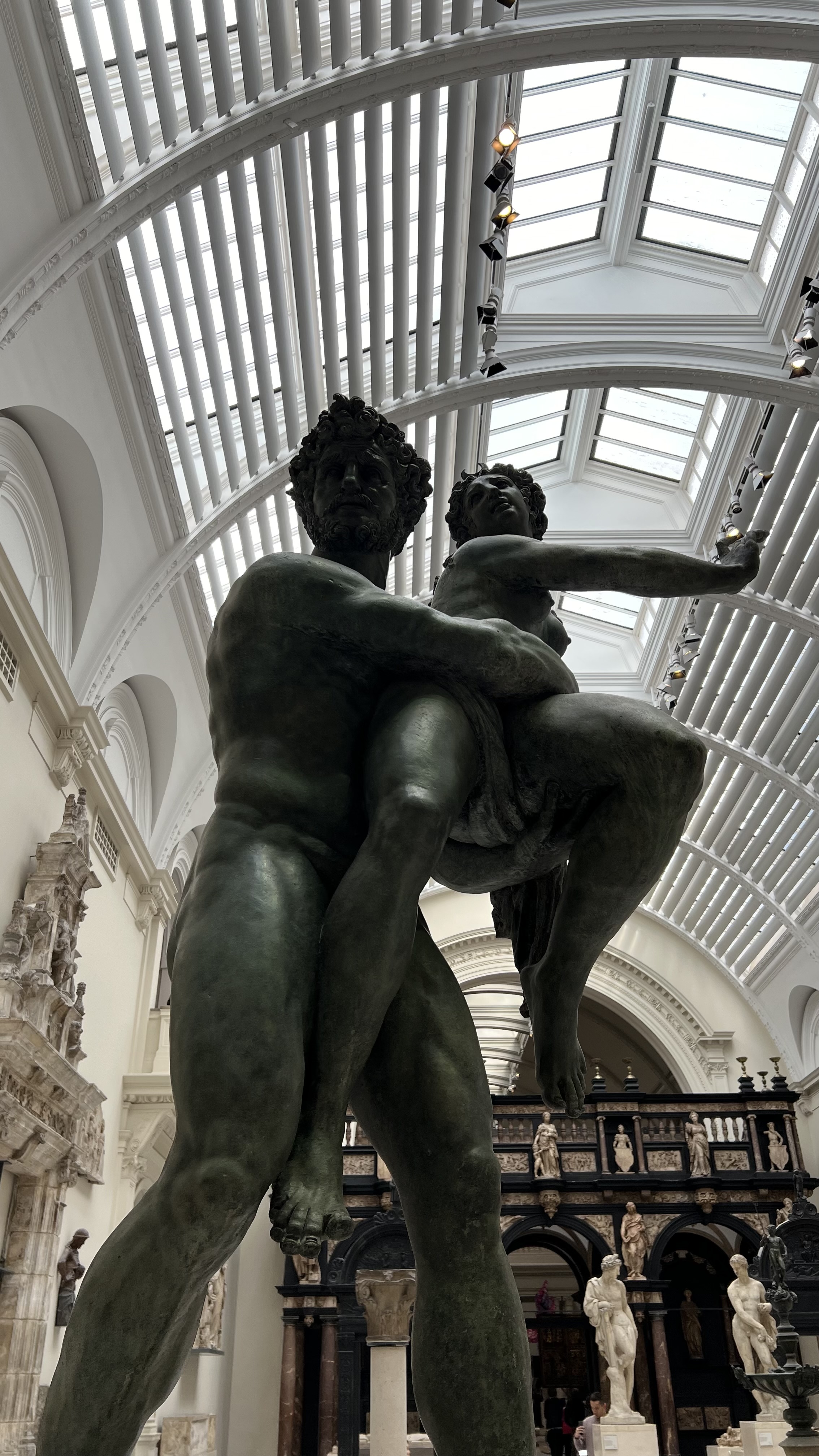
“The Rape of Proserpina” (a.k.a. Persephone). On the info card, the names mentioned are Pluto and Proserpina since the reference is Roman mythology — while in the Greek mythology, it’s Hades and Persephone.
I also found an exhibit that, for me, super interesting as it shows how an artist is affected by their current culture and background (and there was no Google at that time! It was hard to find out what happened on the other side of the world, let alone hundred of years ago!)
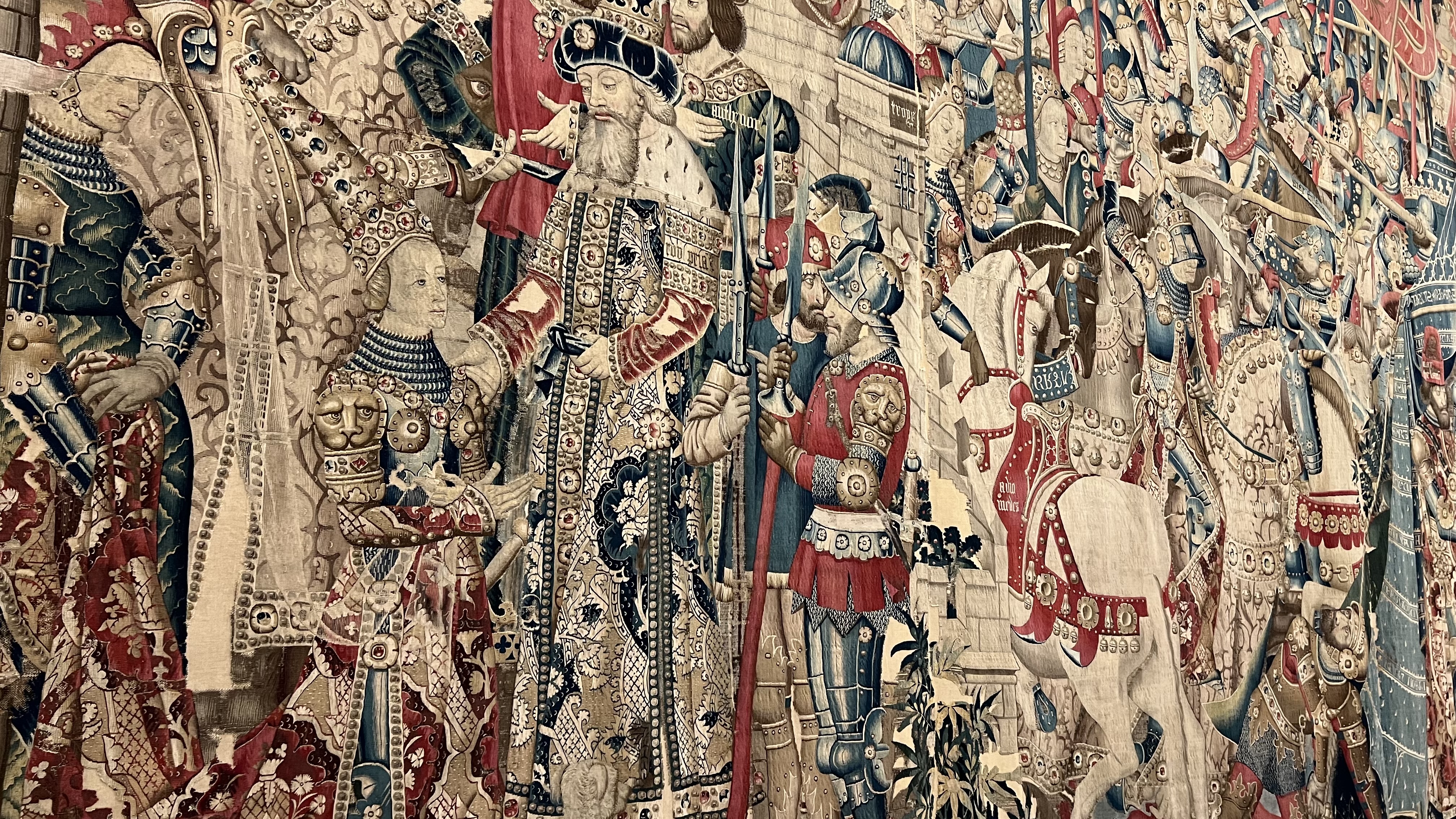
This is a part, yes, a part, because the actual exhibit/trapestry is HUGE. The exhibit is titled “Tapestry from a set of showing the Trojan War”. Now, with our current knowledge of Greece and Trojan at that time, we might able to say, “oh wow, the people in the tapestry looked so European!” That said, it’s also interesting to note that, as the info card mentioned:
The popularity of the story is largely because rulers and noblemen saw the characters and their deeds as models for their own behaviour. The sumptuous 15th-century costumes worn by the figures in the tapestry emphasise this sense of identification.
(Although honestly, had three ladies came to me and asked, “Who’s the fairest?” I would nope-ed the hell out of it ASAP.)
Other than museums, we also took a stroll in parks. We checked the weather app closely during our trip to ensure we visited the parks when the weather was great, hahah. Just like how I got the honor of seeing the season change when I was in Sapporo in autumn, I, too, had the honor of seeing spring flowers blooming to welcome the Spring.
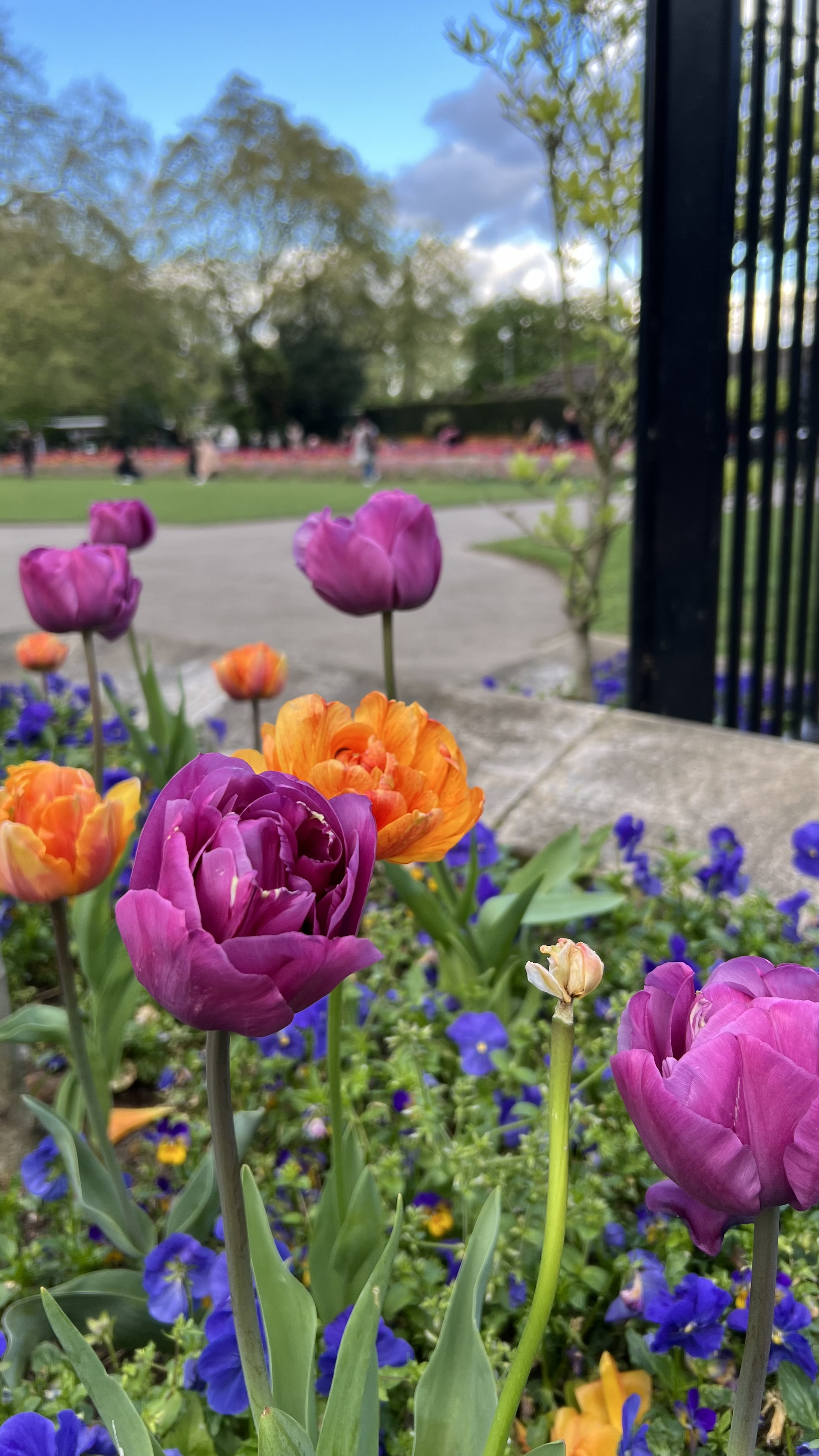
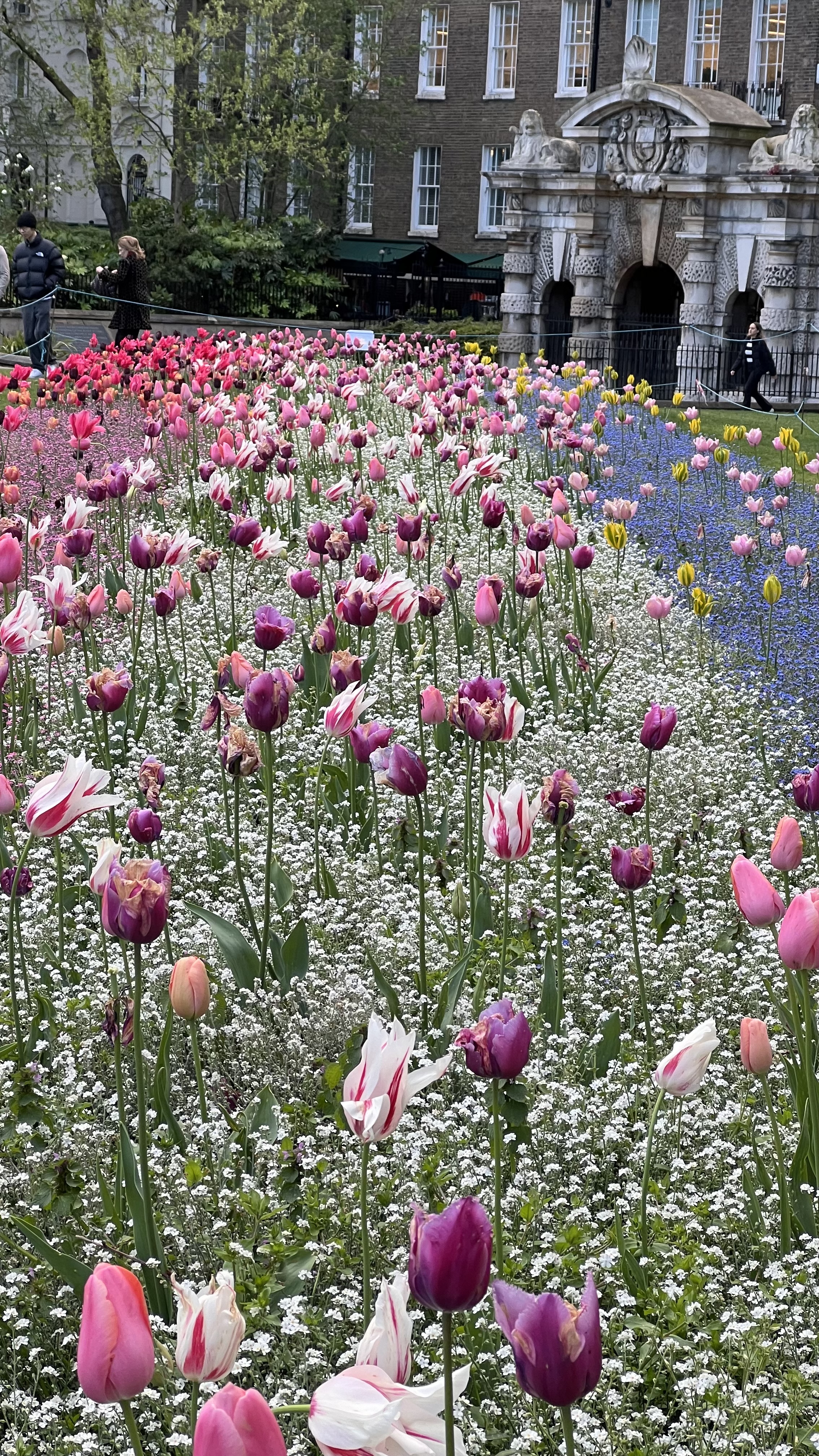

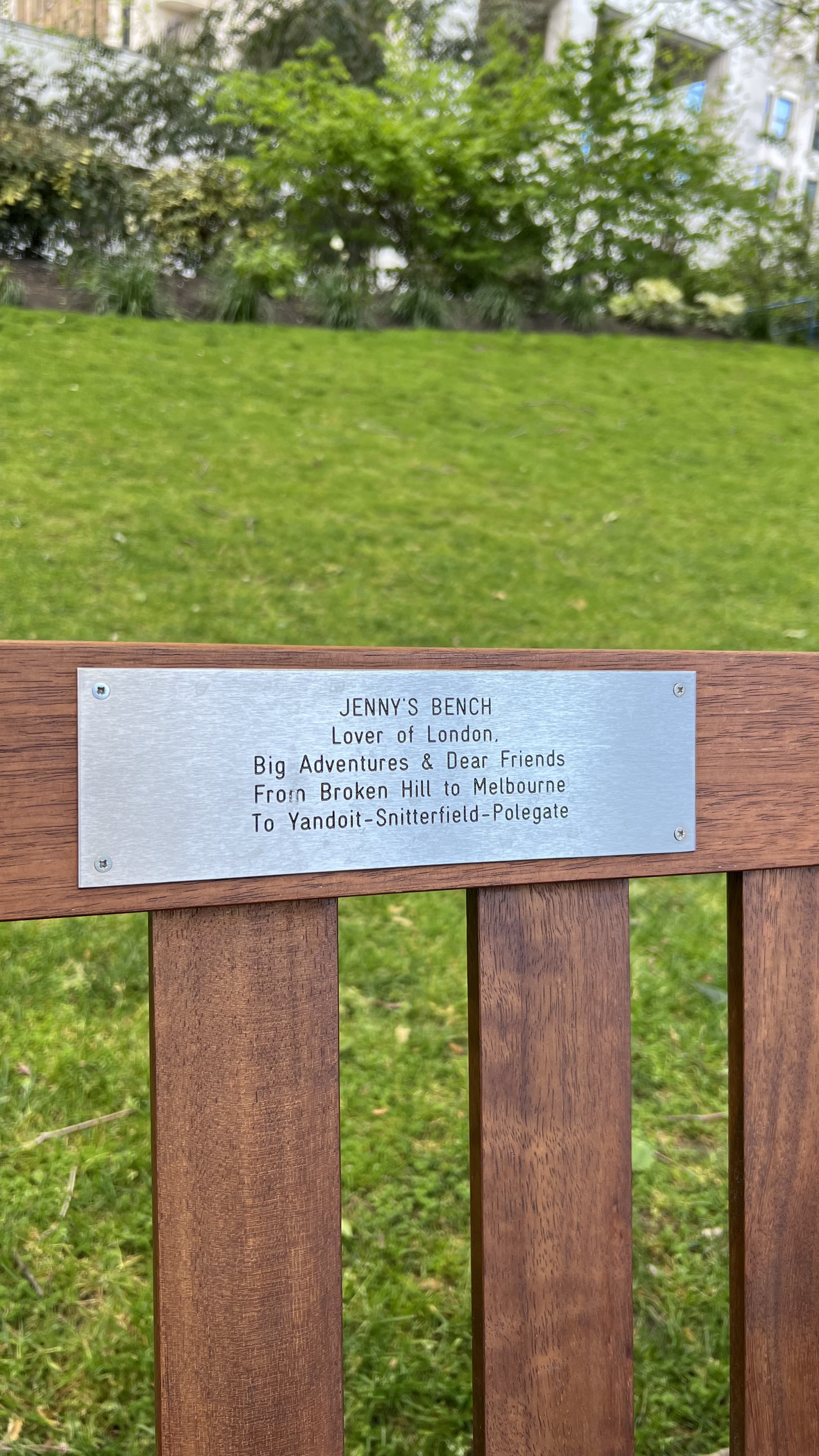
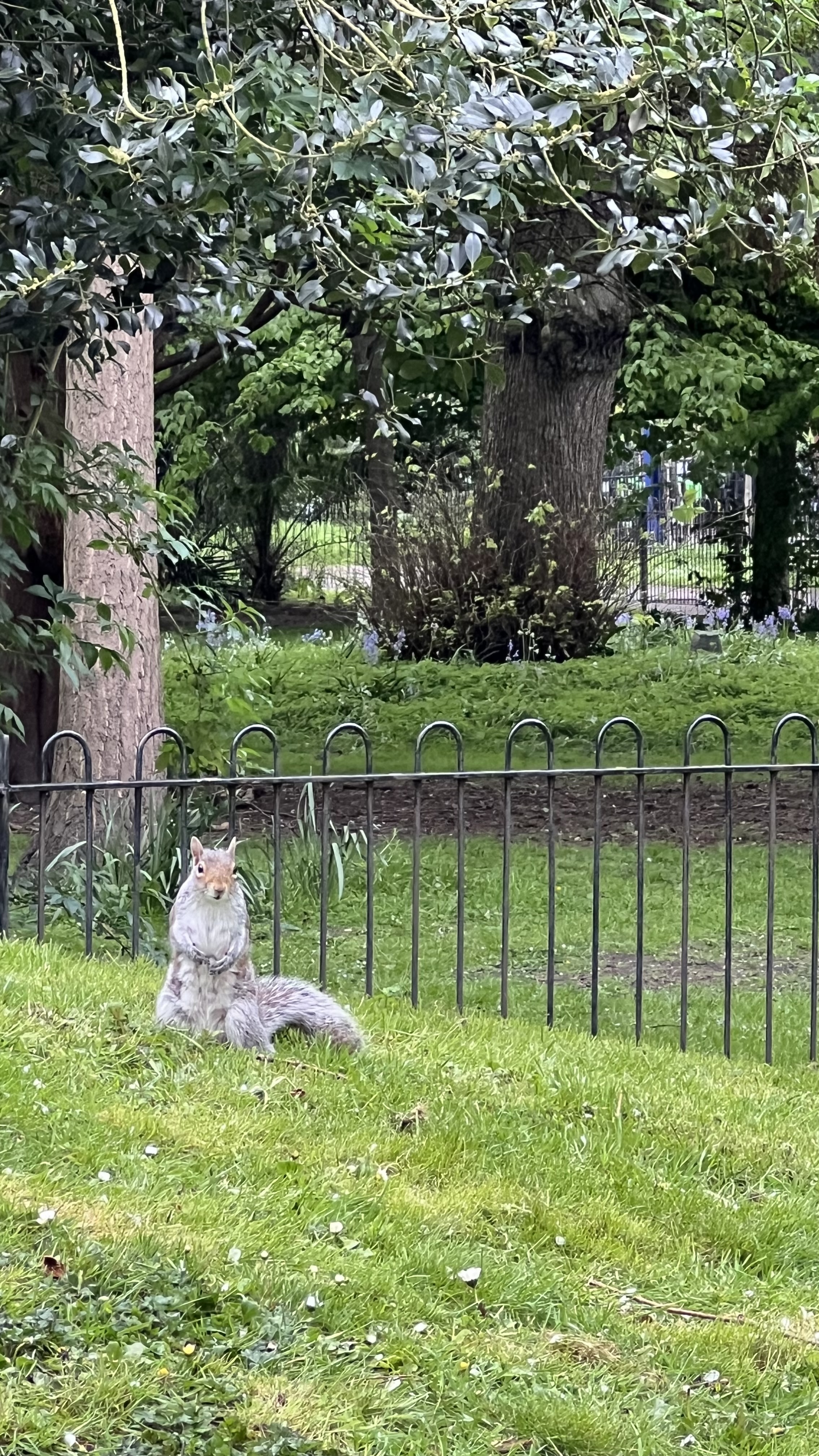
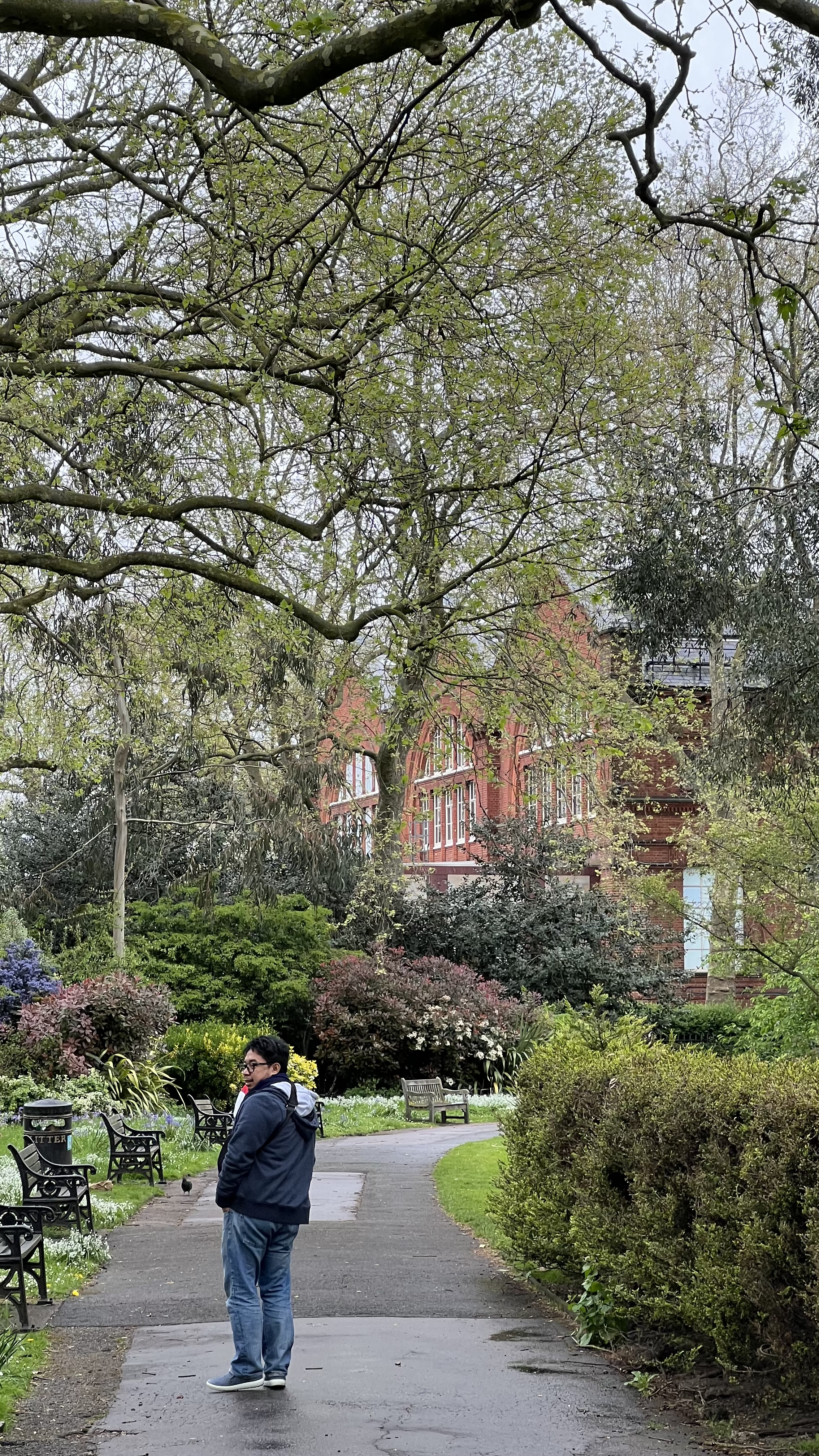
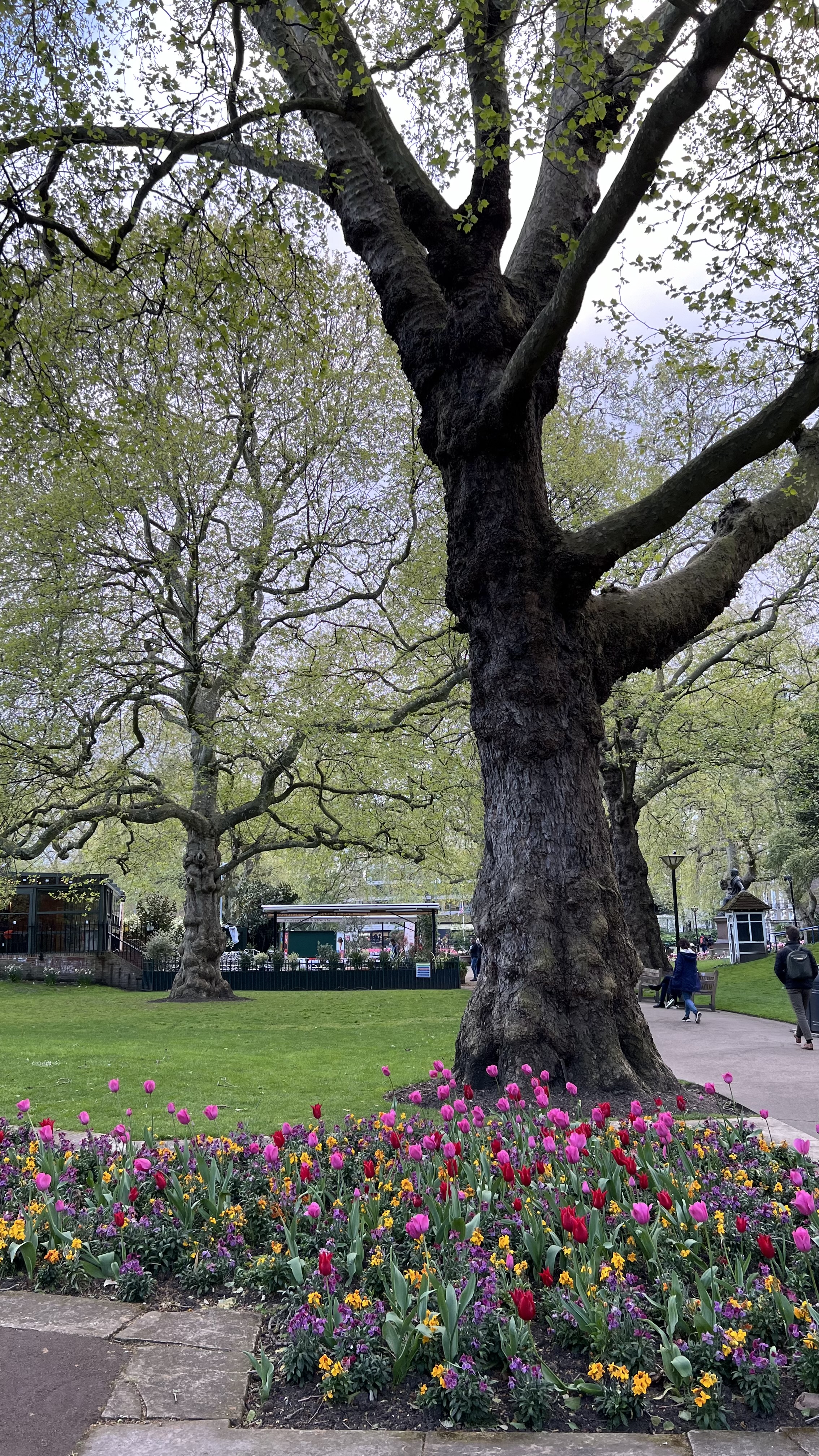
We also took a stroll in the Covent Garden and the Theatre District.
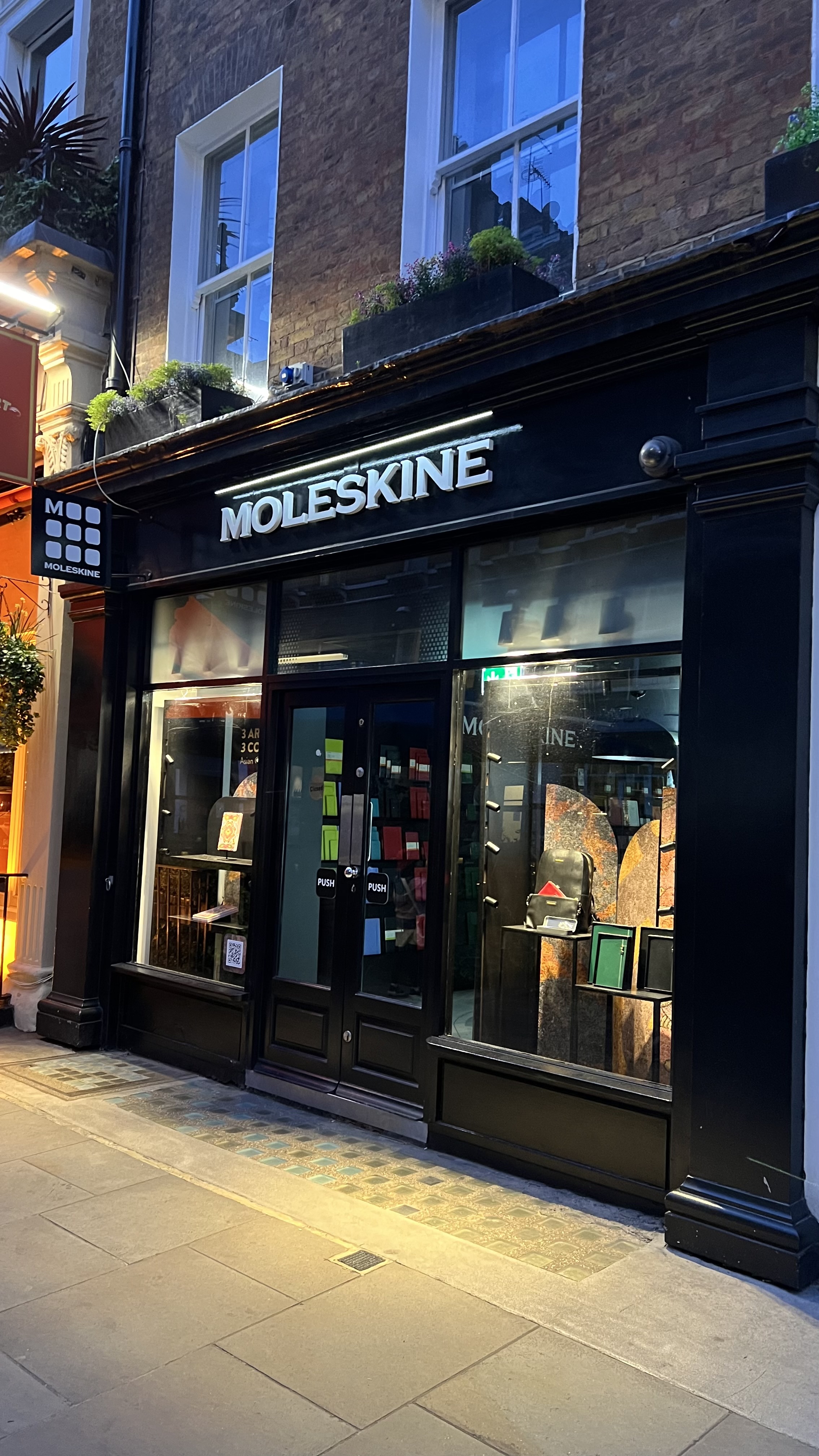
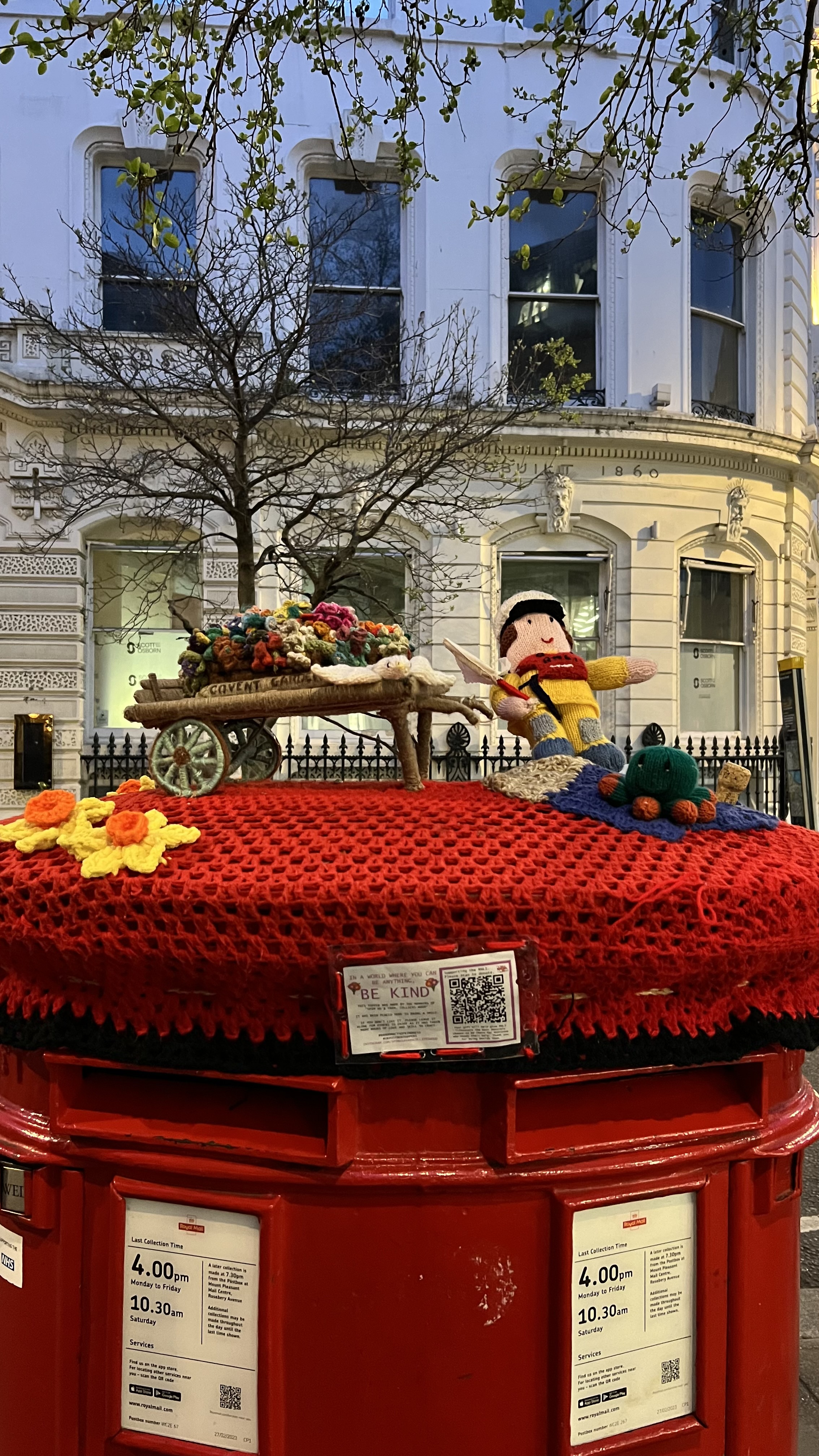
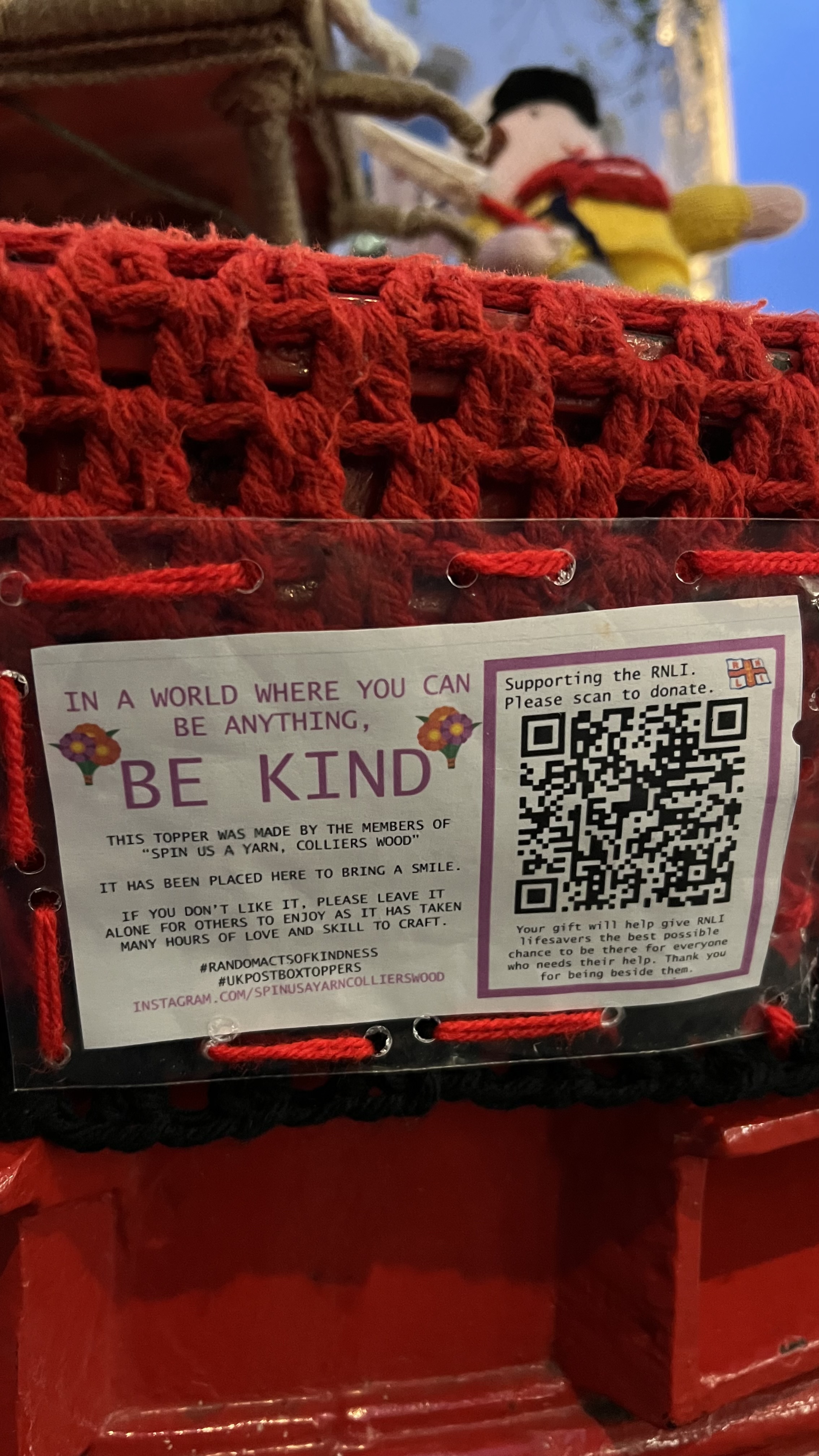
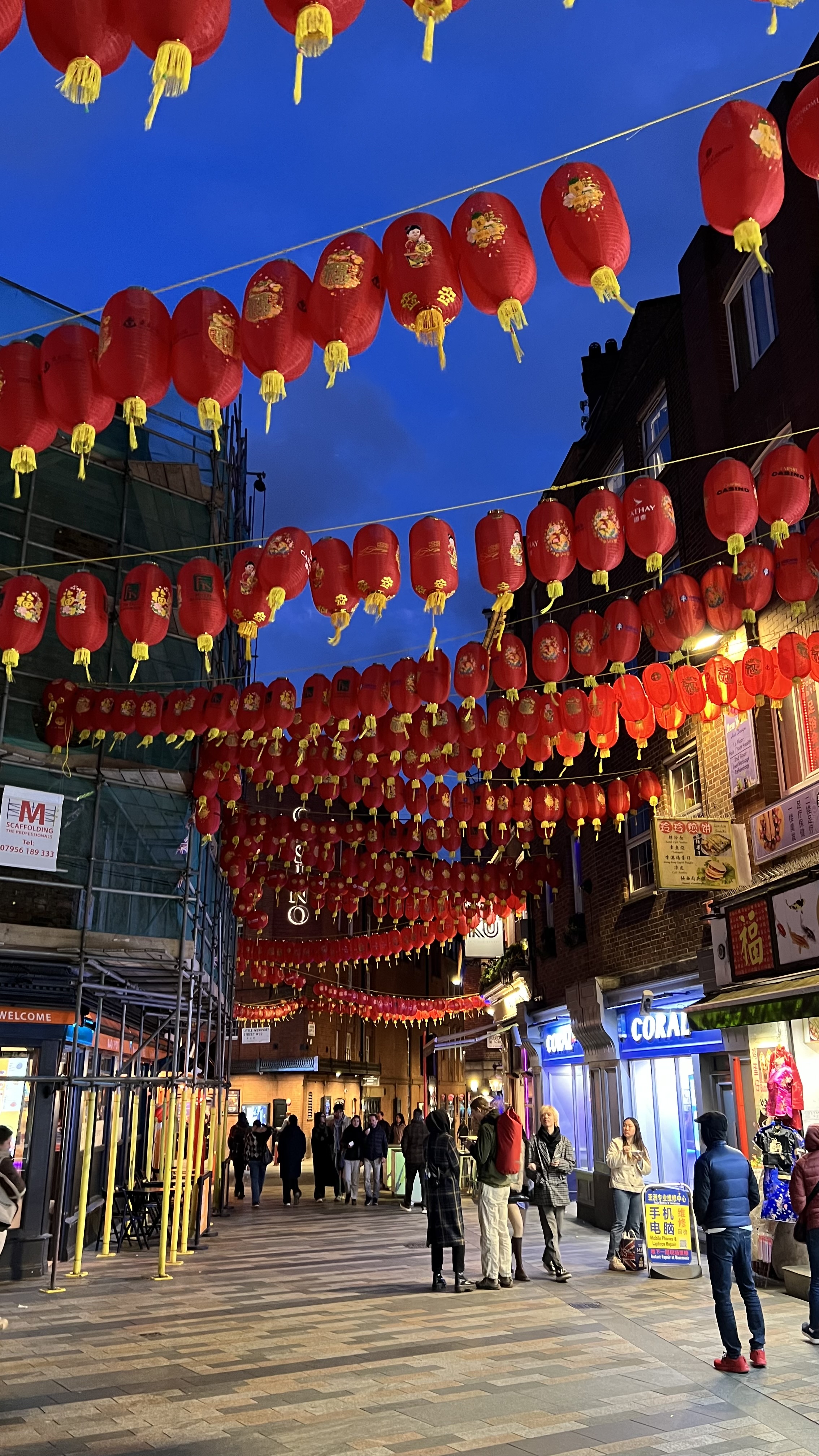

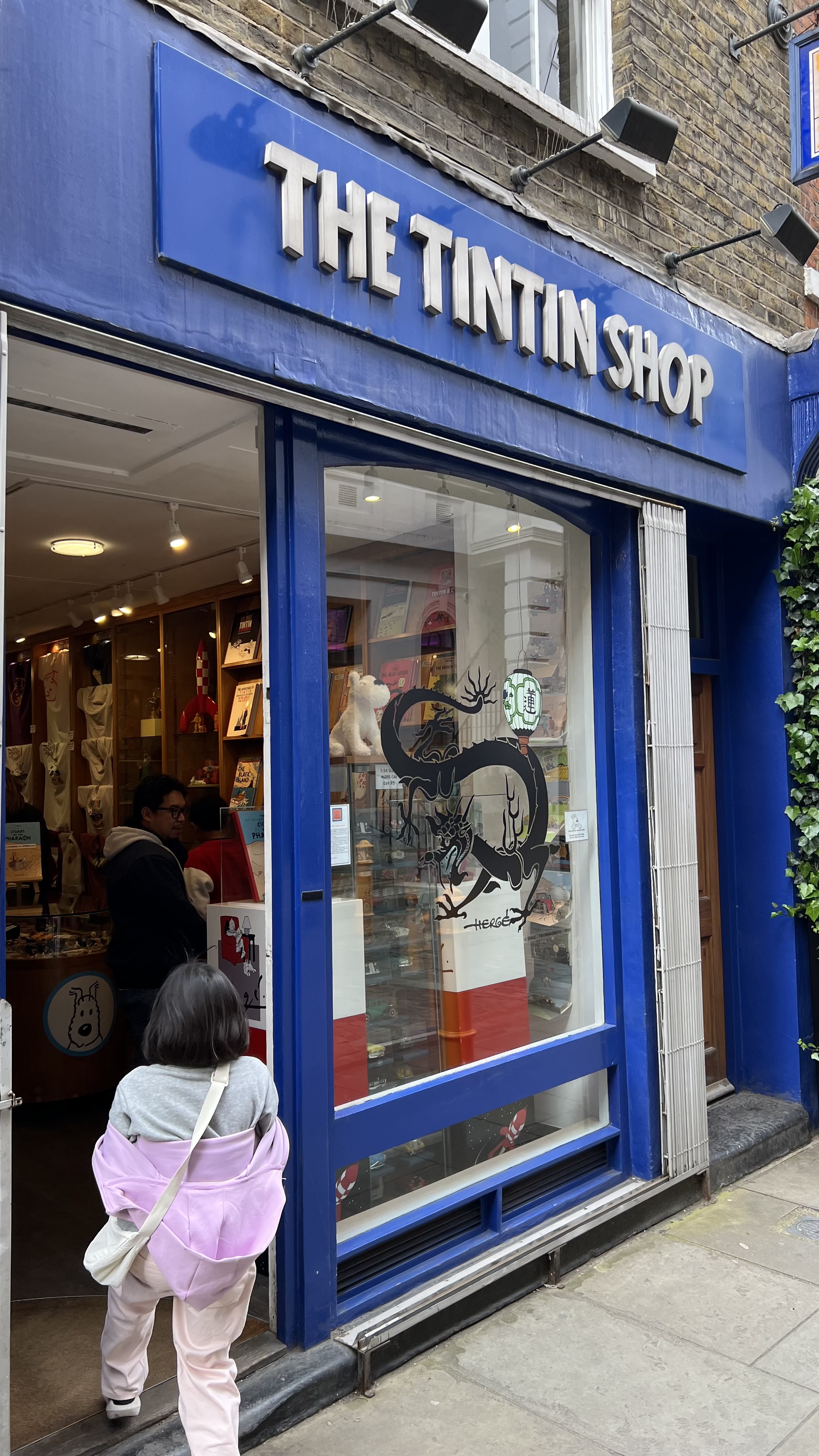
We closed the trip to another visit to Hyde Park (yes, we visited this park multiple times. This park is so pretty!)

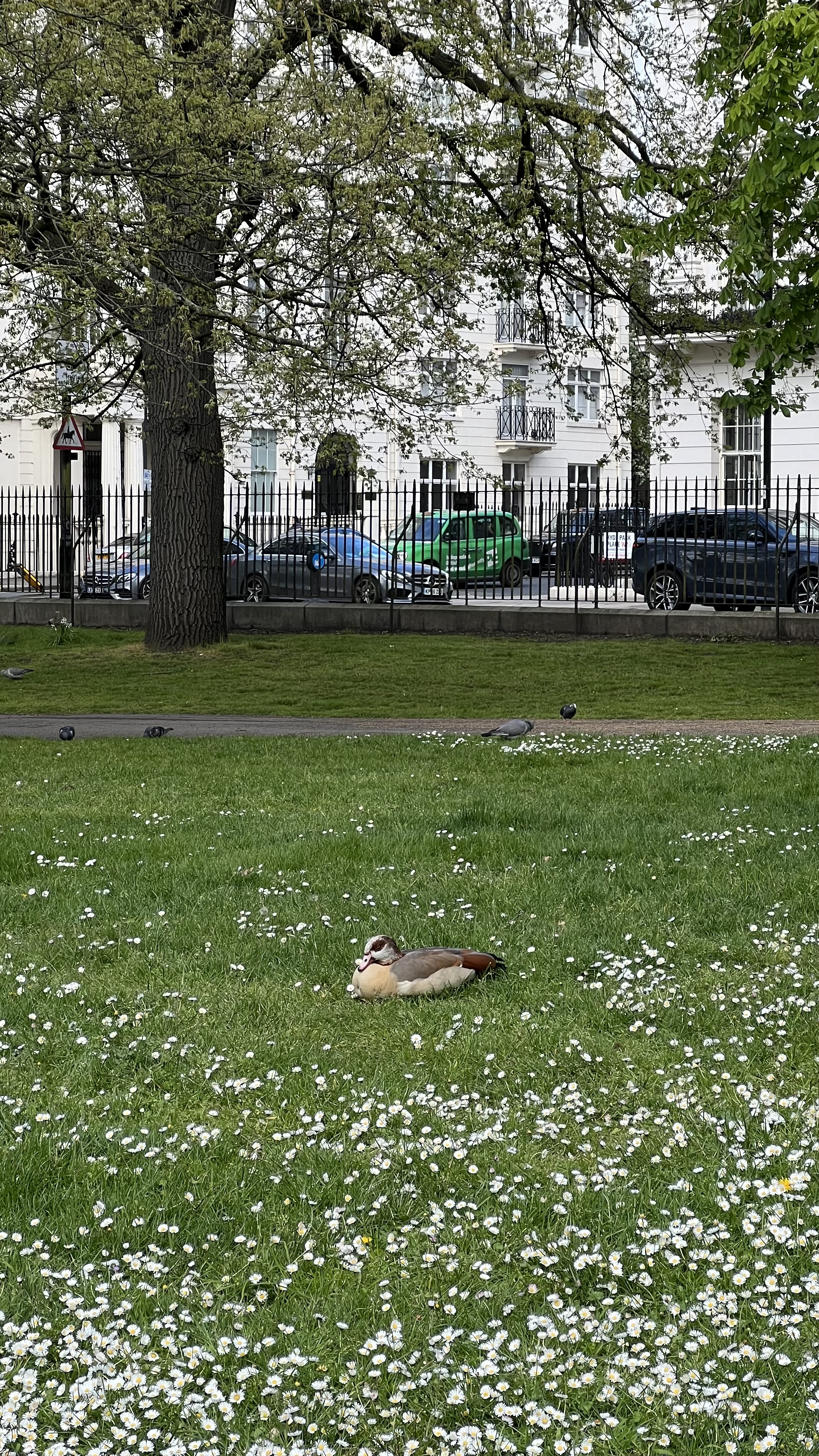
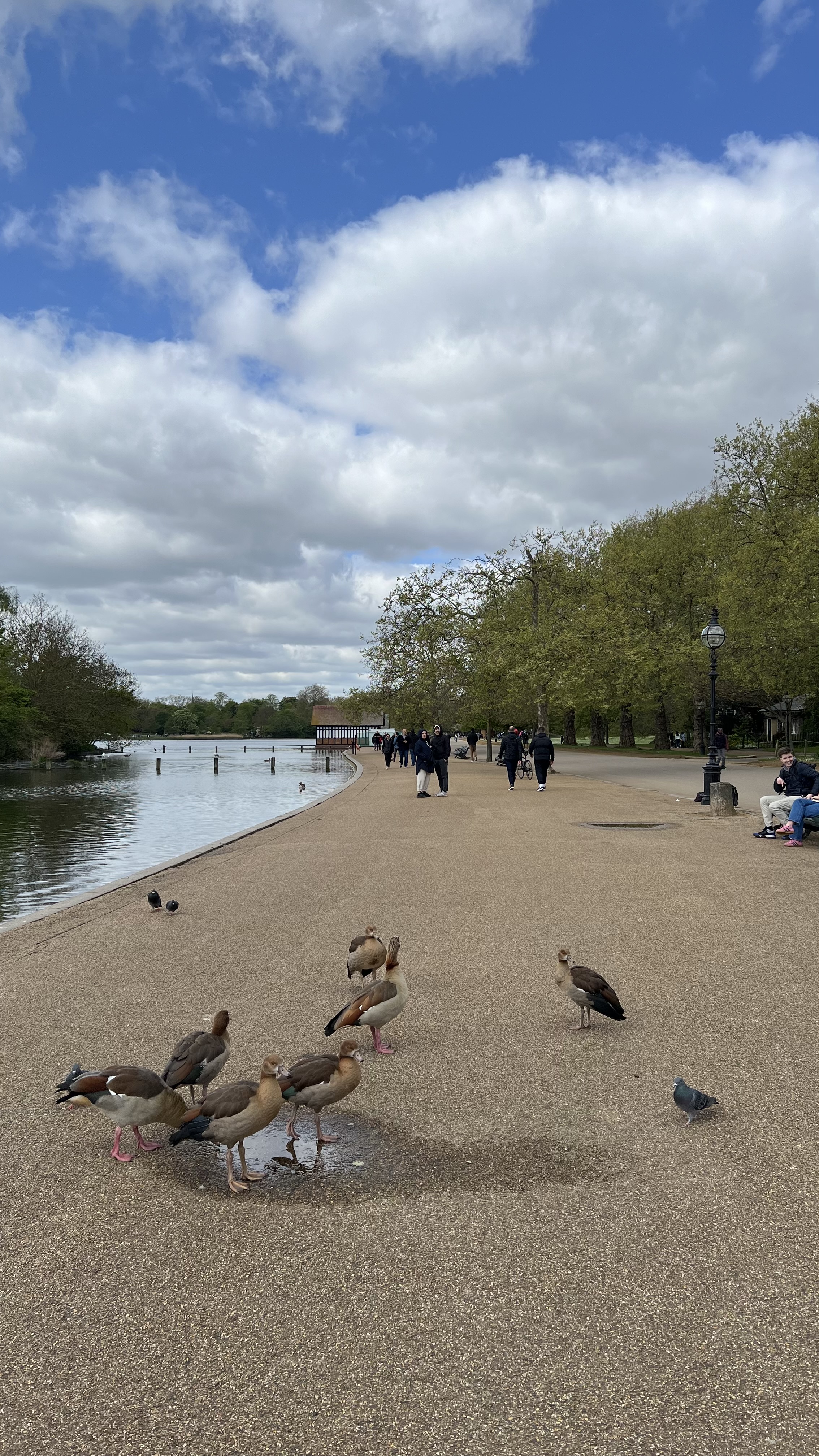




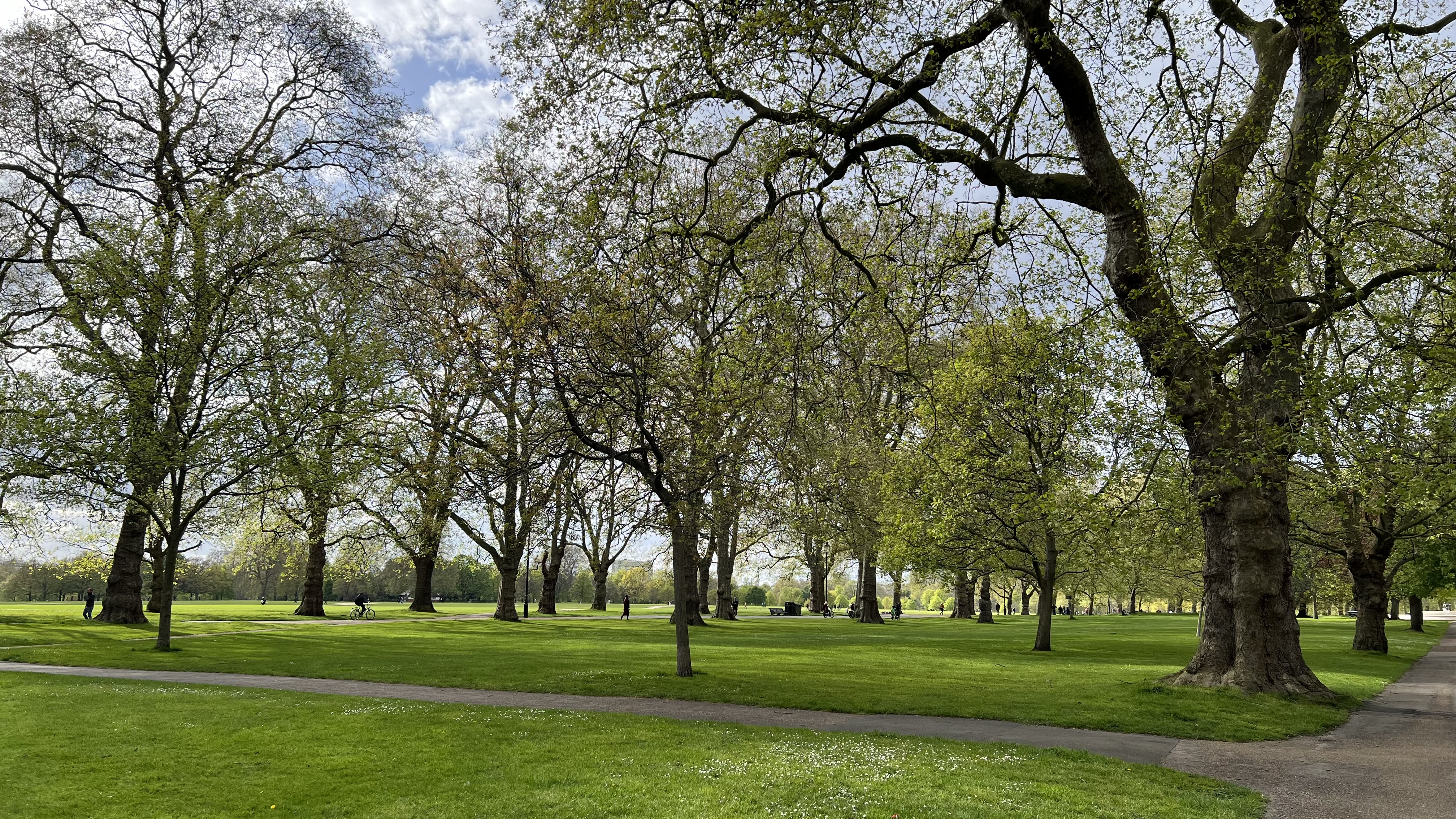
Thank you, Manchester and London. Also, please follow Dean Franklin on Instagram (deanfranklinmusic), he sang Coldplay’s “Yellow” here.

Nindya. Kapkap. she/her. Indonesian in Malaysia. Millennial. Lo-fi. Post-Rock. Gregorian. Animal Crossing: New Horizons. Murder mystery genre. “Love is Love“.
Read more about me here.
This is my personal blog, so anything goes. This blog has been around since 2014, which means you would, and could, see my past writings with different perspectives and mindsets at that time. This blog is a record-keeping of what I was, what I am, and what I will be. What I wrote in the past might not reflect who I am right now, nor me revisiting the topic.
While things here are generally PG-13, I must remind you that I’m an adult, which means some topics might be too heavy for younger readers.
Unless stated otherwise, posts mentioning brand names or places here are not ads/paid content.