I just realized I haven’t blogged for quite some time and I have been wallowing in some kind of unhealthy-type of doomscrolling (isn’t doomscrolling always been unhealthy?) and putting myself in inexplicable rage on… everything. Mostly because of the haze caused by Indonesia’s forest fires (which, I believe, is not accidental. In Indonesian, we say it “dibakar, bukan terbakar”.)
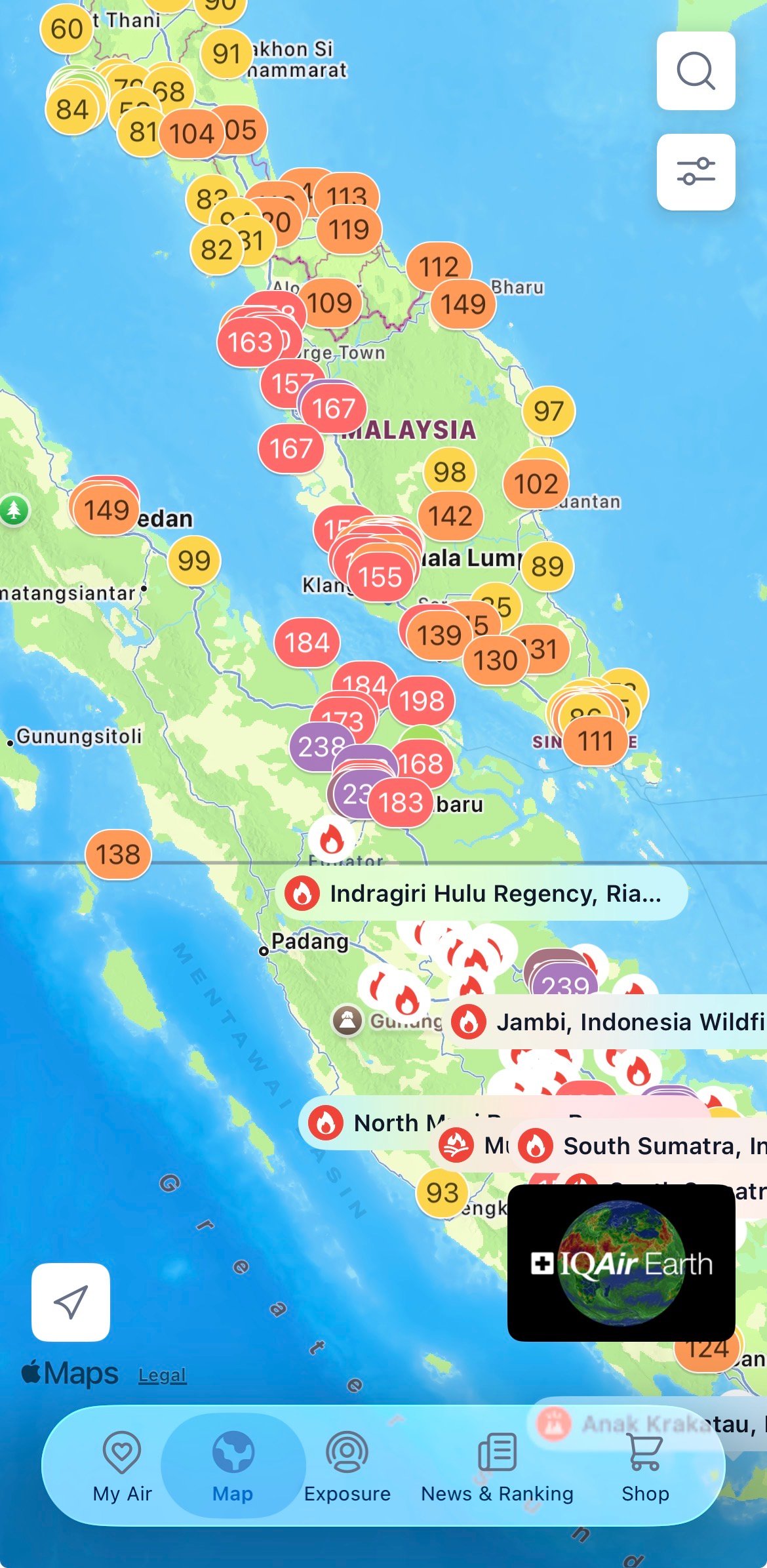
AirVisual screenshot
Ugh.
Because of the haze, we have been having a really limited time to do outdoor activities. Even going outside for work, school, or simply sightseeing the city became a health hazard. The demand for mask is increasing again, and I never imagined that I would pull out my LG Puricare mask, that obnoxious electrical gadget mask with literal air purifier on your face, for Ari to use on his way to the office. Bonus, that mask makes you sound like Darth Vader.
Also, it’s scored 168 on AQI at my place, and it’s bad already. Imagine how it feels like at places where it’s nearby, or even at, the hotspots located. Some even hits >1000 AQI points. Screw this current Indonesia administration.
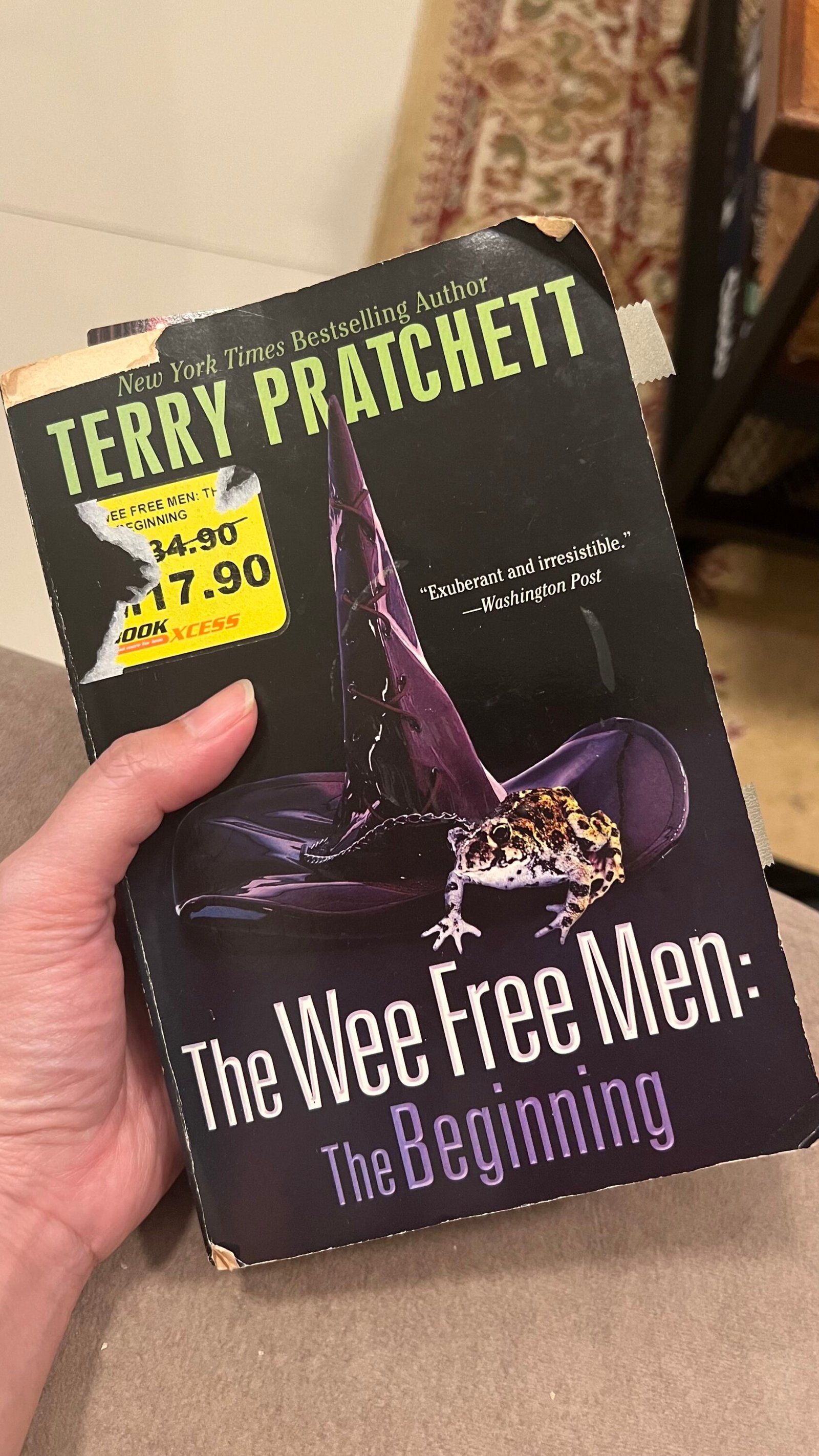
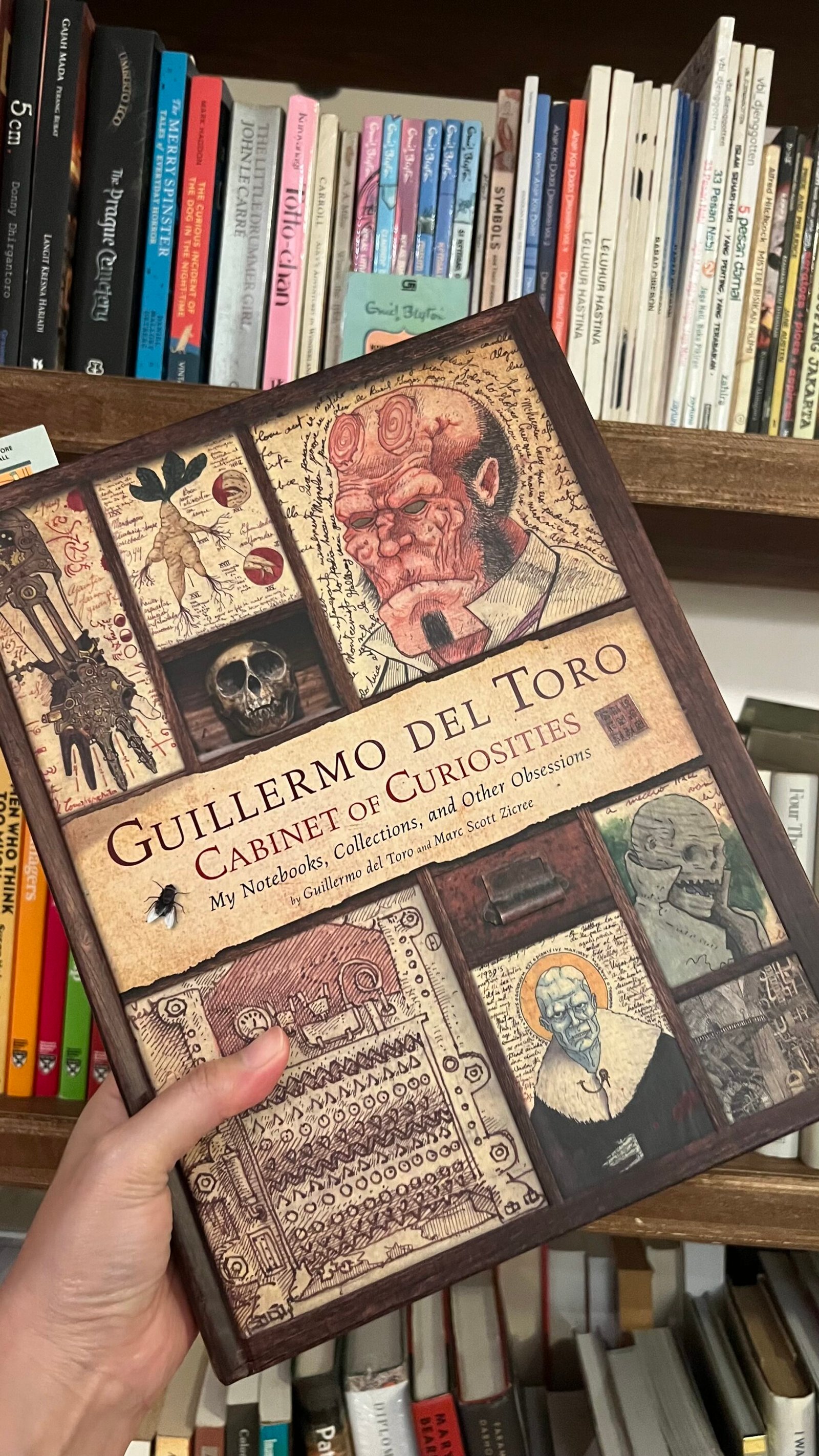
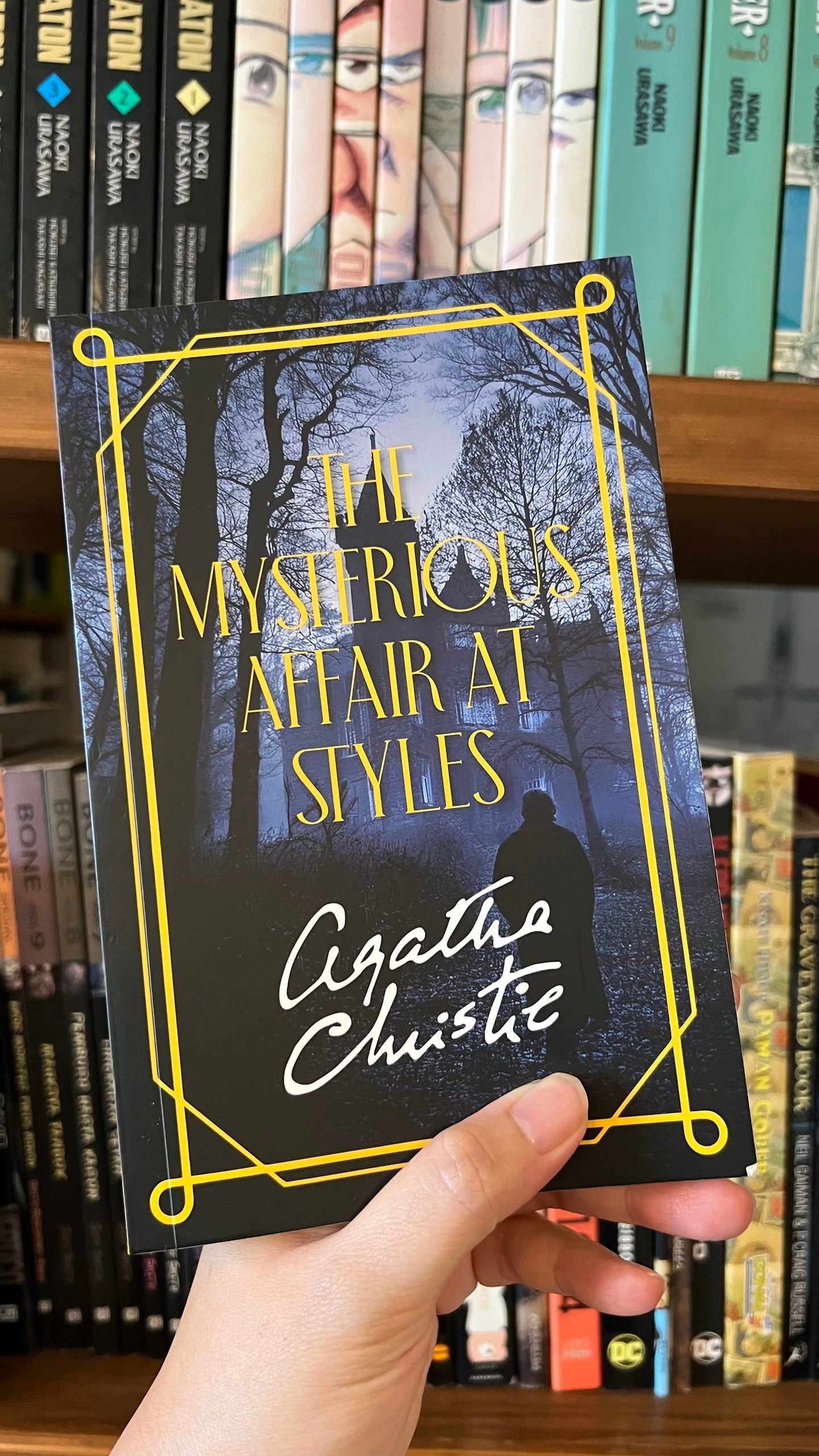
In some ways, the despair feels like the pandemic all over again. That kind of “I’m so powerless”-feeling. You see the forest fires blazing for days, even weeks, then at the next scroll, you see that disgustingly stupid “1980s trend using genAI” trash. Right now, my consolation is reading this book:
I got this book years ago, at a BookXcess store, and I just got my hands on it recently. I’m familiar with Terry Pratchett by name and some of his quotes, but I was in a… bad time when I first learned about him, as in, he was introduced to me by someone that I would rather not remember fondly. It took years until I finally made peace with it and opened this book, which I’m so glad I did that.
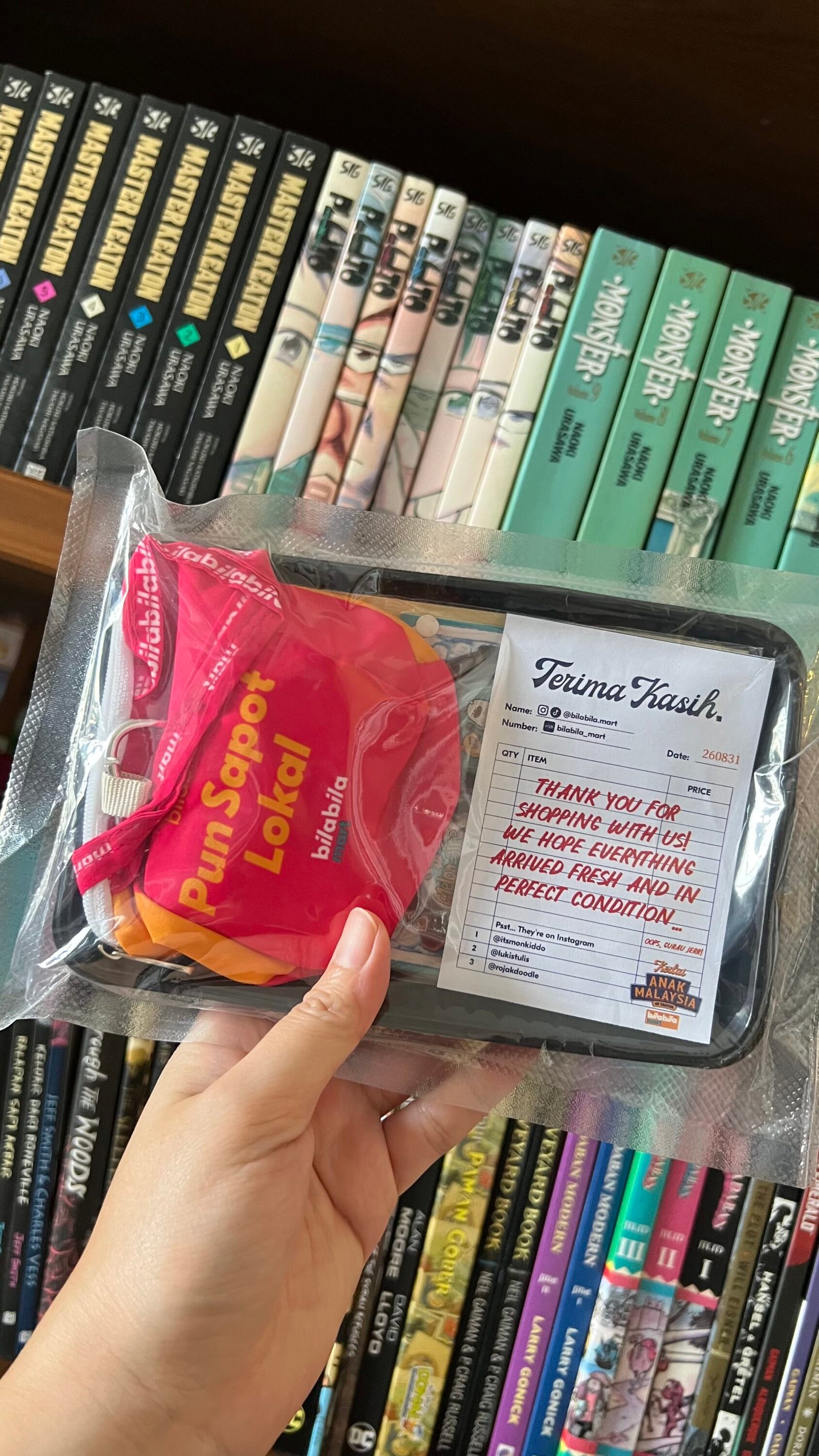
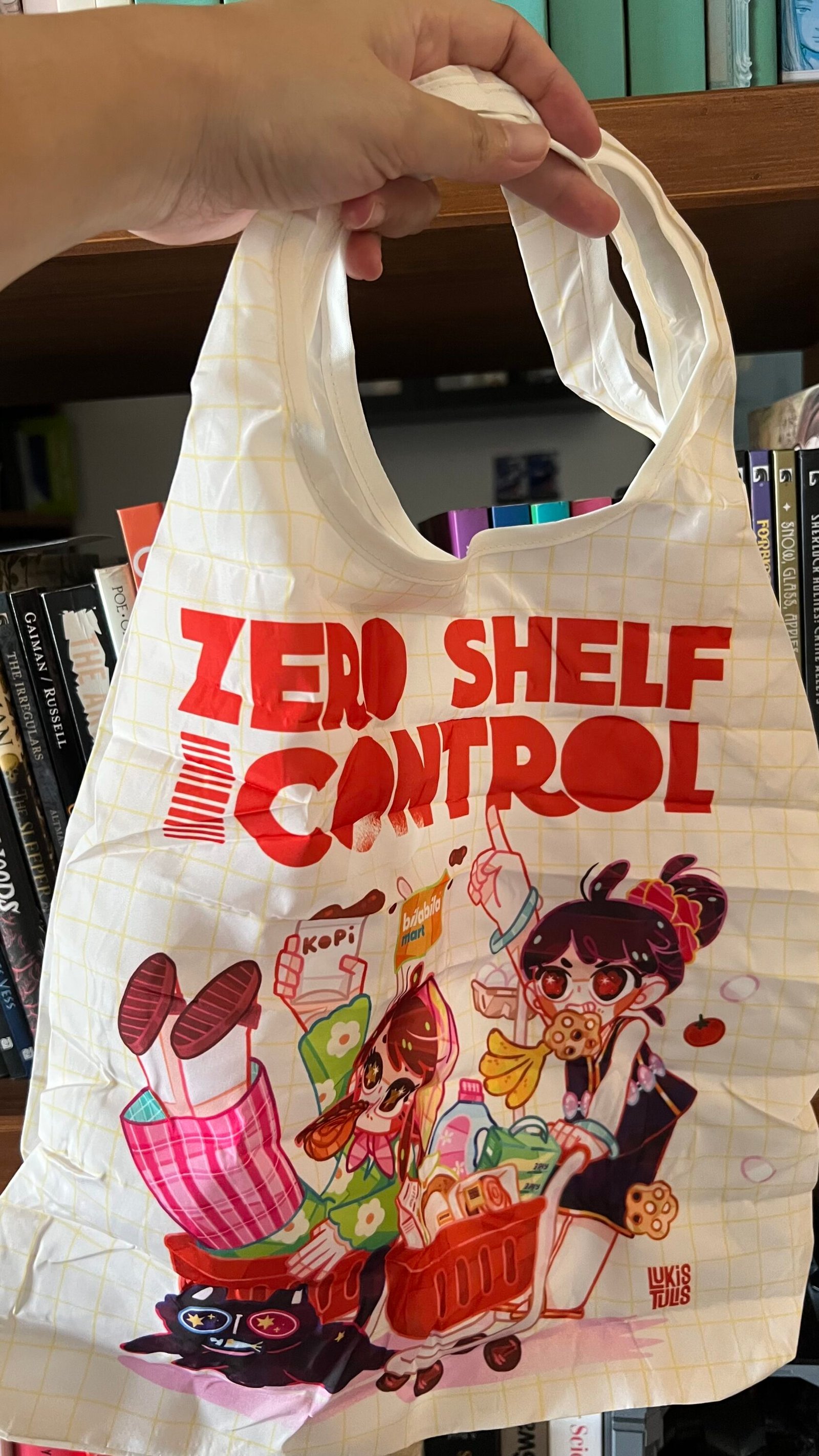
A bit of disclaimer: This package arrived last week, but I wanted to open it today, right on the date of Malaysia’s independence day.
Also, another disclaimer: Just like the previous merch boxes from Bilabila, this is something they did out of their goodwill and I’m not being paid for this. They don’t even asked me to post or publish anything at all and our DMs always started with “I’m not an influencer or Key Opinion Leader (KOL), why would you even sending goodie box to meeeeeeeee” and a back-and-forth replies of “this is our thanks for your support!” and “what do you mean “thank you for your support”, HOW ELSE AM I GOING TO GET MY HERBAL TEA AND RICE CRACKERS FIX?”
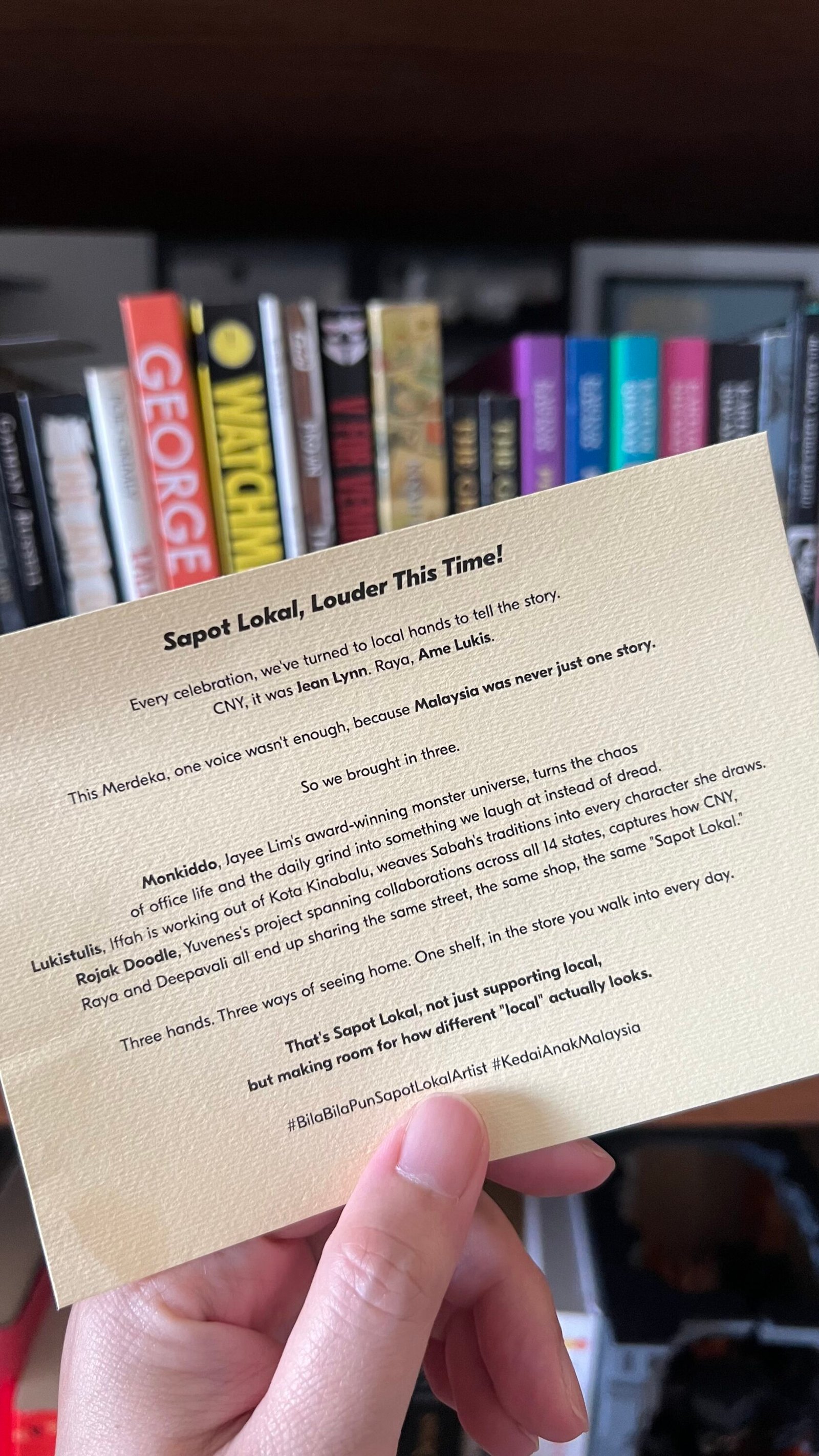
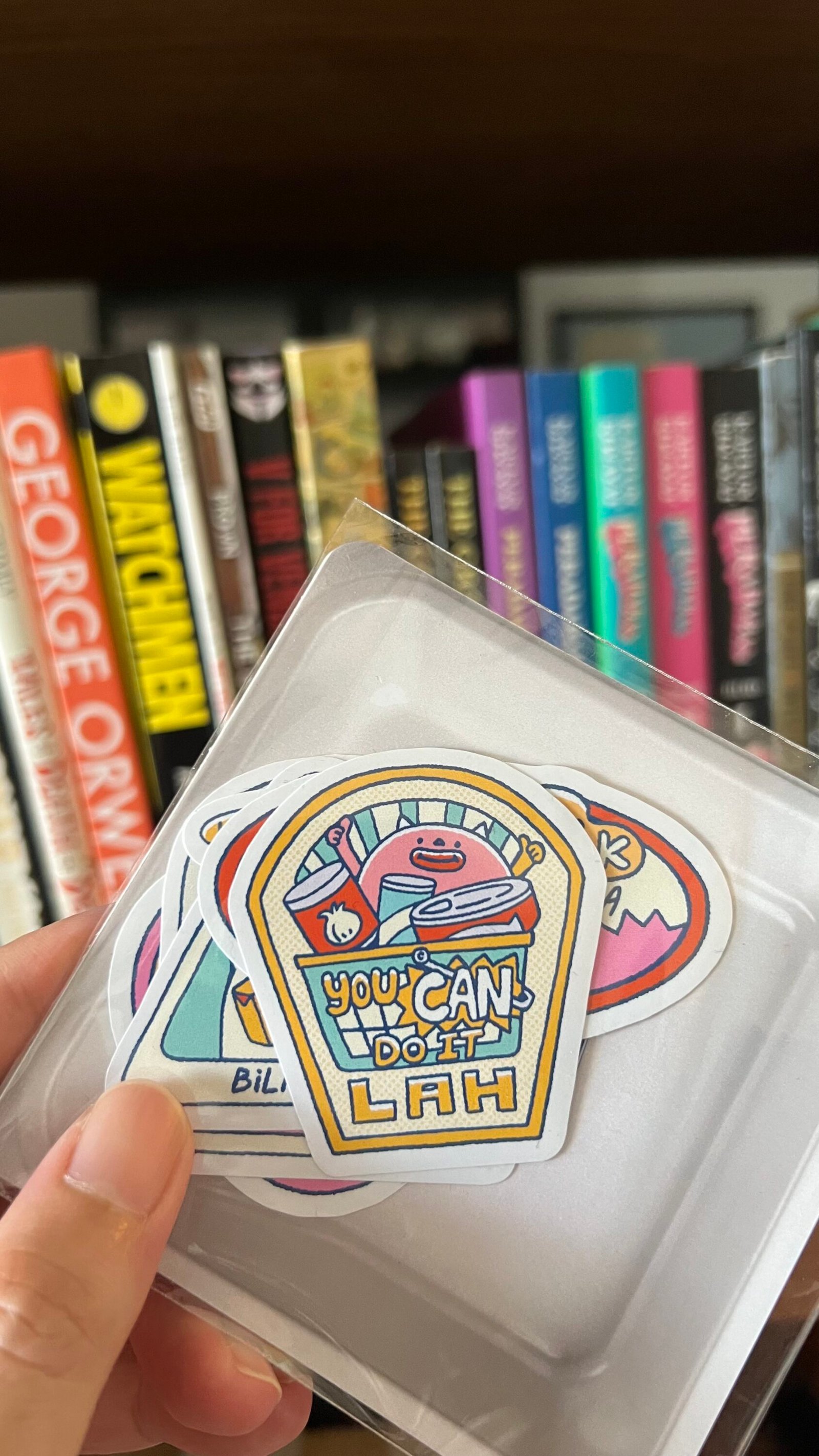
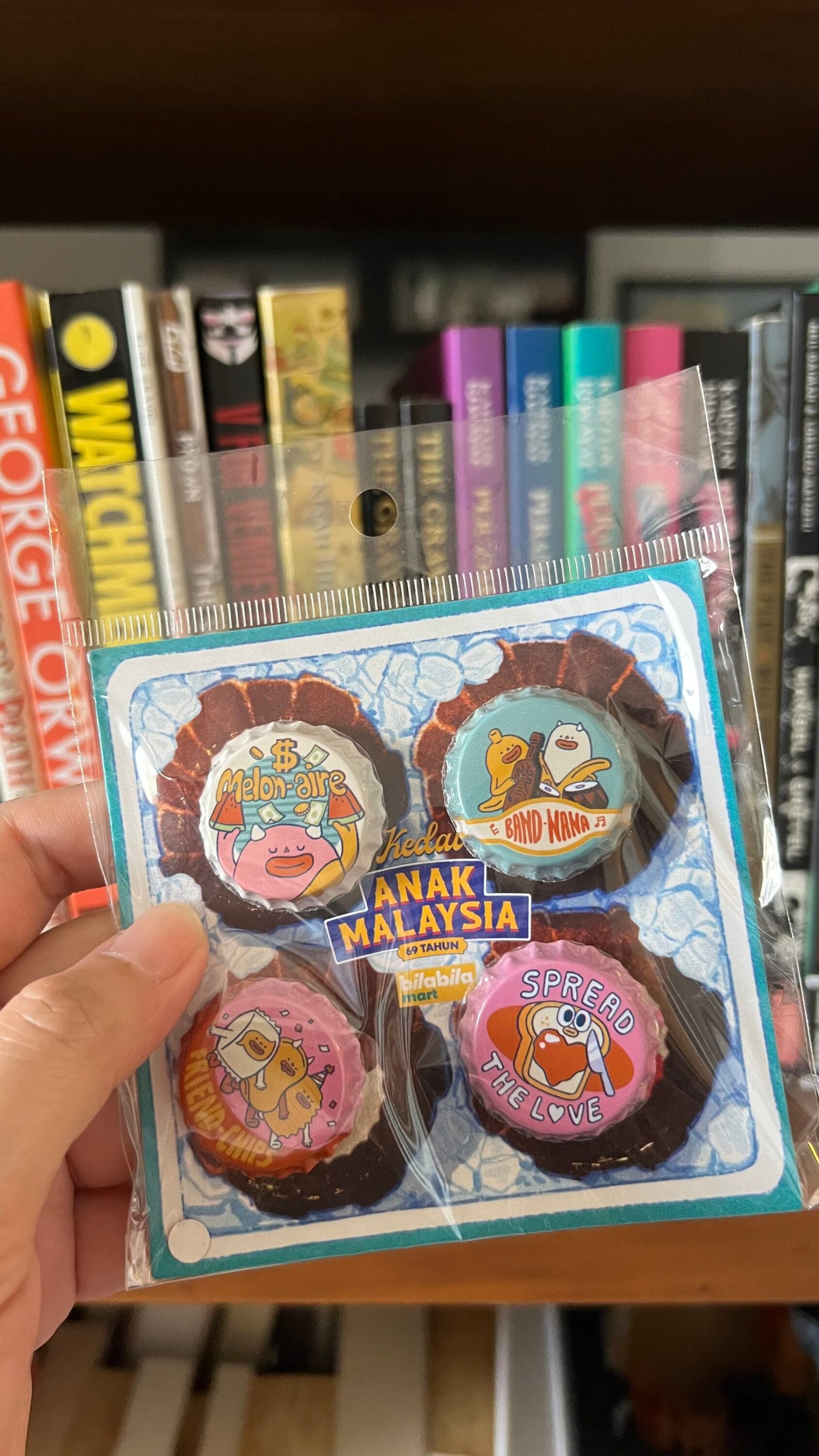
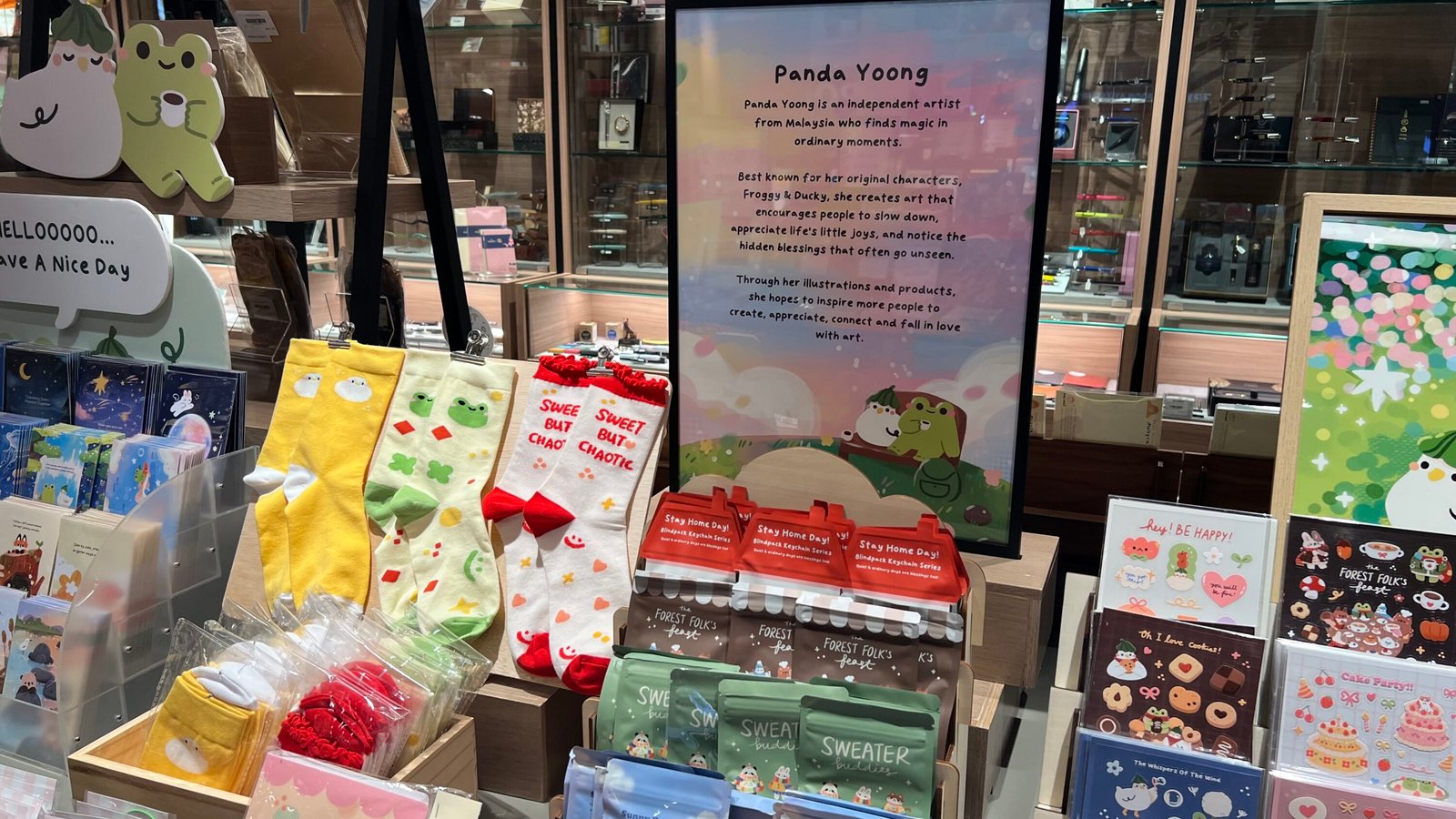
Today is Malaysia’s independence day (August 31), and Bilabila is celebrating it with their own usual creative and awesome way. I’m so happy seeing a business like Bilabila supporting their local artists. The co-founder of Bilabila, Jing Lee, is a staunch supporter of the local artists and local businesses, especially the non-mainstream ones. She also has been publicly shown her distaste on genAI and its “results”, which, yessssss ✨
First off, I love the packaging idea! It also reminds me that I need to do my weekly grocery run, hahah!
The team had been having a pop-up mart at GMBB, which ended today. I’m actually curious about GMBB; yes, it’s “just another mall”, but GMBB has been a creative hub for a lot of local artists, including holding workshops, events, and board games sessions. I’m going to squeeze some time during the weekdays to see what’s up there.
I love how they also gave a shout out to their previous artists for Chinese New Year and Hari Raya. I feel it’s really sweet, and it gives a nice boost of visibility for these artists.
Inside the mini pouch is a reusable shopping bag
It’s so cool to see THREE artworks in one package! I feel like a little kid in a candy store, hahah. Oooooh, this is so cool! Oh, I love the color palette on this!
Thank you again, Bilabila, for the cute merch! I have been eyeing the bottle cap pins, and I feel so lucky I got it! Selamat Hari Merdeka, Malaysia!
After a MONTH of the school’s term break with a constant of “ibu, ibu, ibu, ibu”, “ibu, I’m hungry”, “ibu, can we have Indomie”, “what do you mean, I have to add “more veggies” on my Indomie?!”, “UGH. FIIIINEEEE. Can I have Shin Ramyun instead?”, “how about Buldak Ramyeon?”, and somehow Wira has been cosplaying as Indonesian gecko with “eh eh eh eh eh eh eh” for the entire month, and hearing these two kids bickering in a (very broken) Indonesian language, them kids finally are back to school on Wednesday.
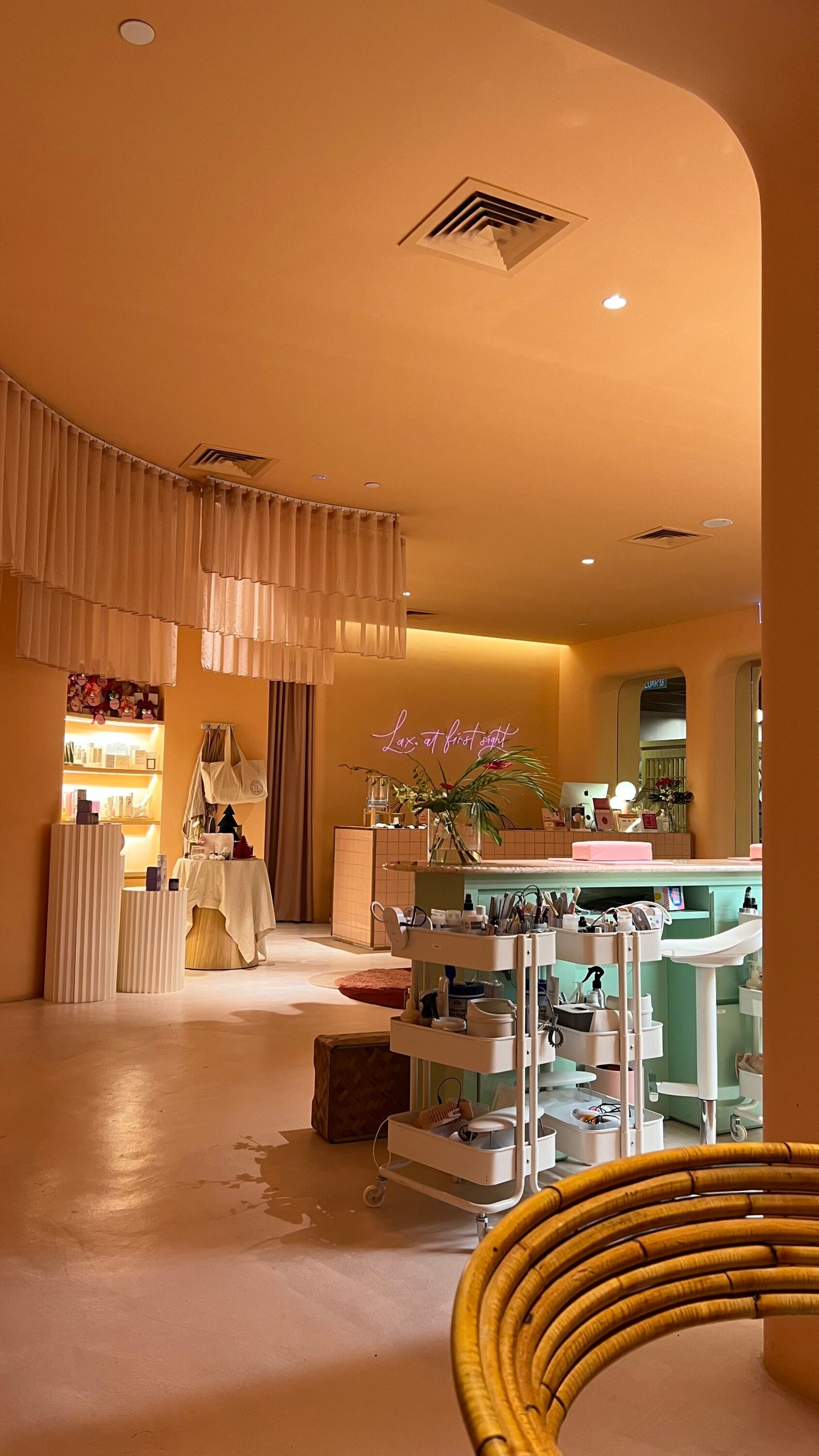
I immediately seized the day by booking a session at my regular go-to spa place. I went out quite early in the morning since I also wanted to have breakfast at another favorite place of mine.
I was met by the therapist, a petite lady, whom I initially thought was the receptionist considering how petite she is compared to me!
The next thing I knew, I spent 90 minutes being ran over by a tractor.
You are familiar, yeah, with professional women athletes, being a baddie on their field, for example, shooting arrows from a running horse with 80 km/hour speed to a moving target, or doing three-points shot fifty times with eyes closed, or punched literal giants on their face, then went “✨ hihi ✨🫶❤️”? Yeah, exactly that.
This therapist found a knot on my muscle and chased it down with a determination for a billion burning stars. I found myself lucky I was still able to move my arms after the session. The best 90 minutes and RM 235 I ever spent.
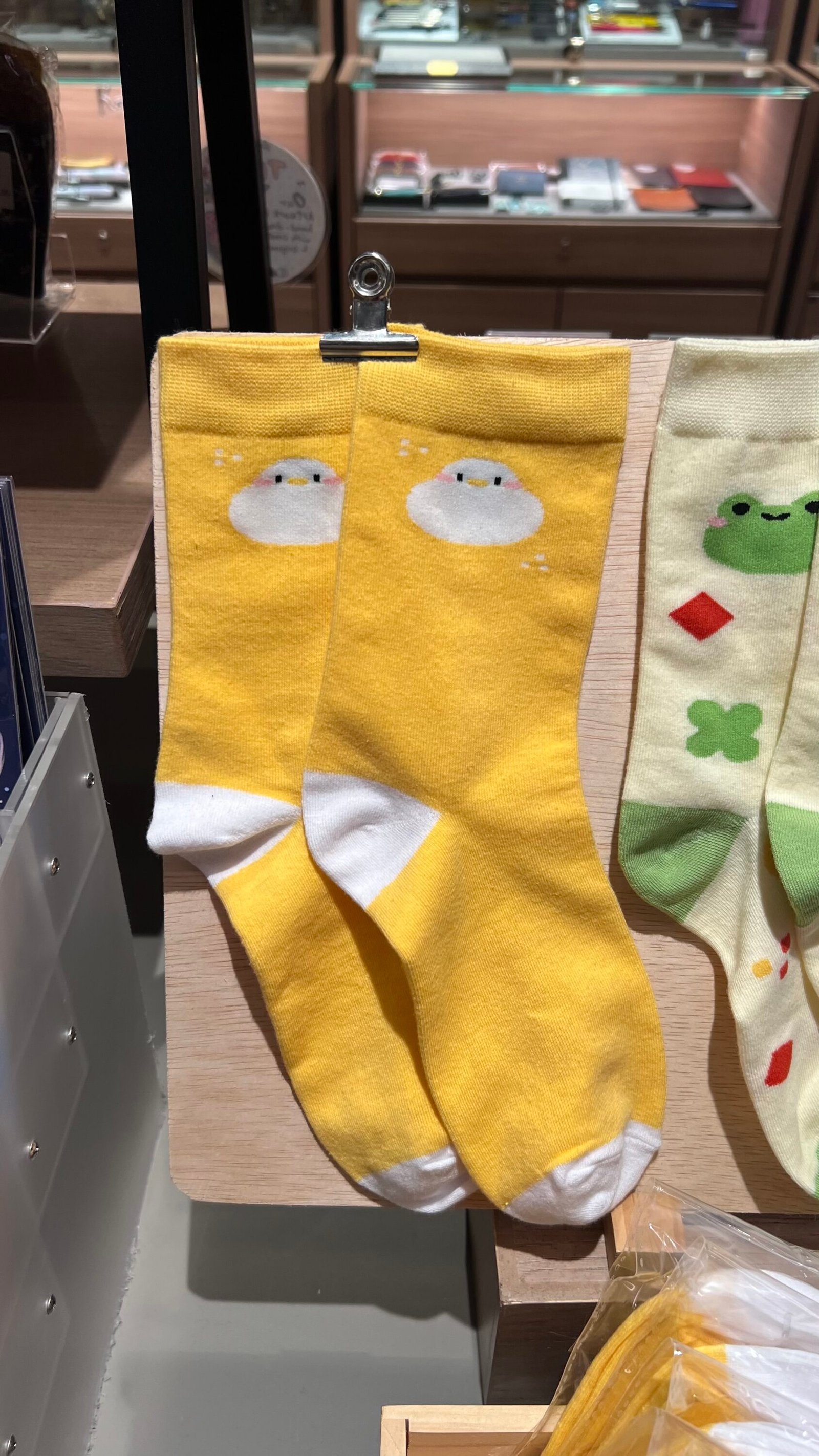
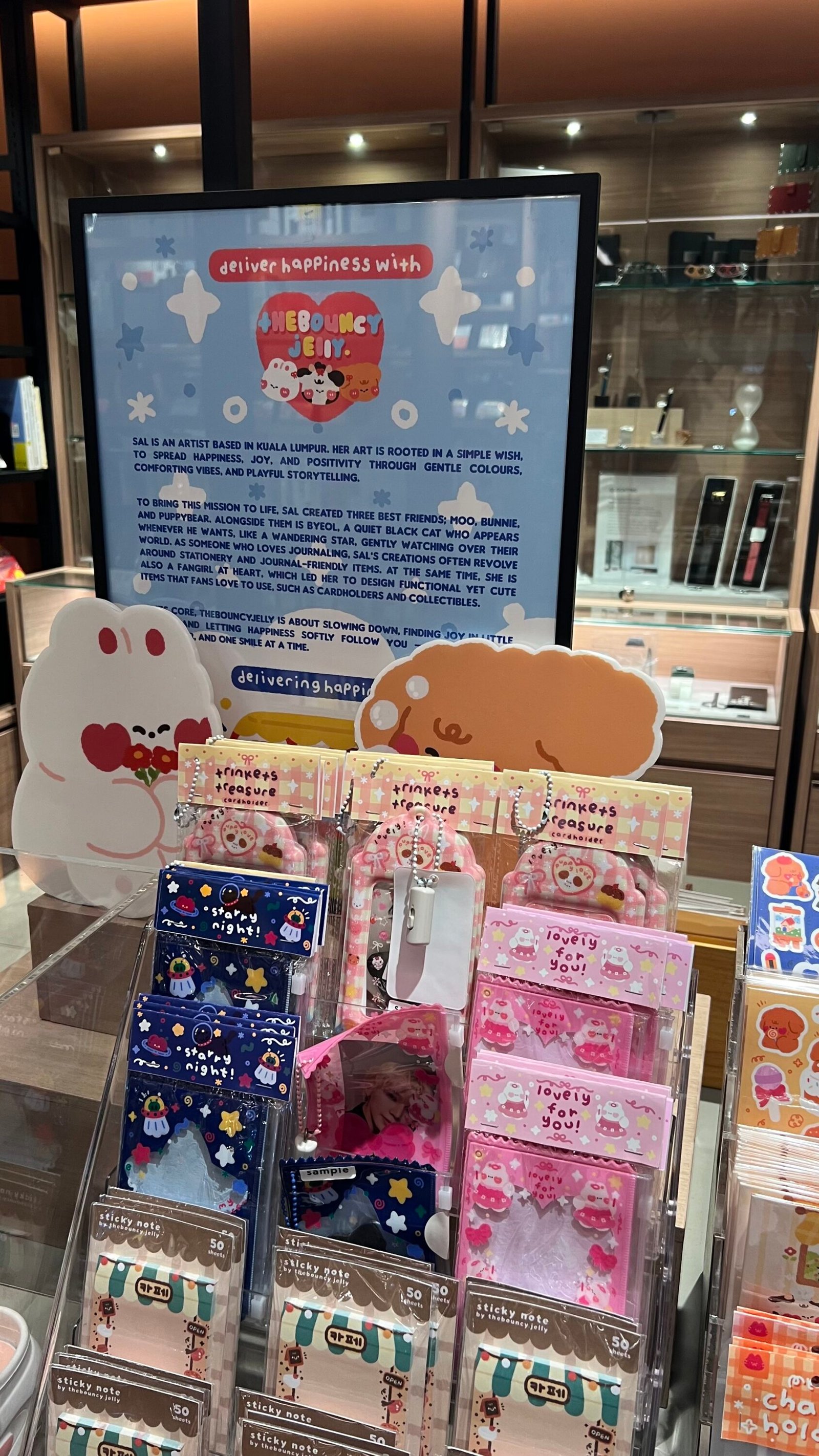
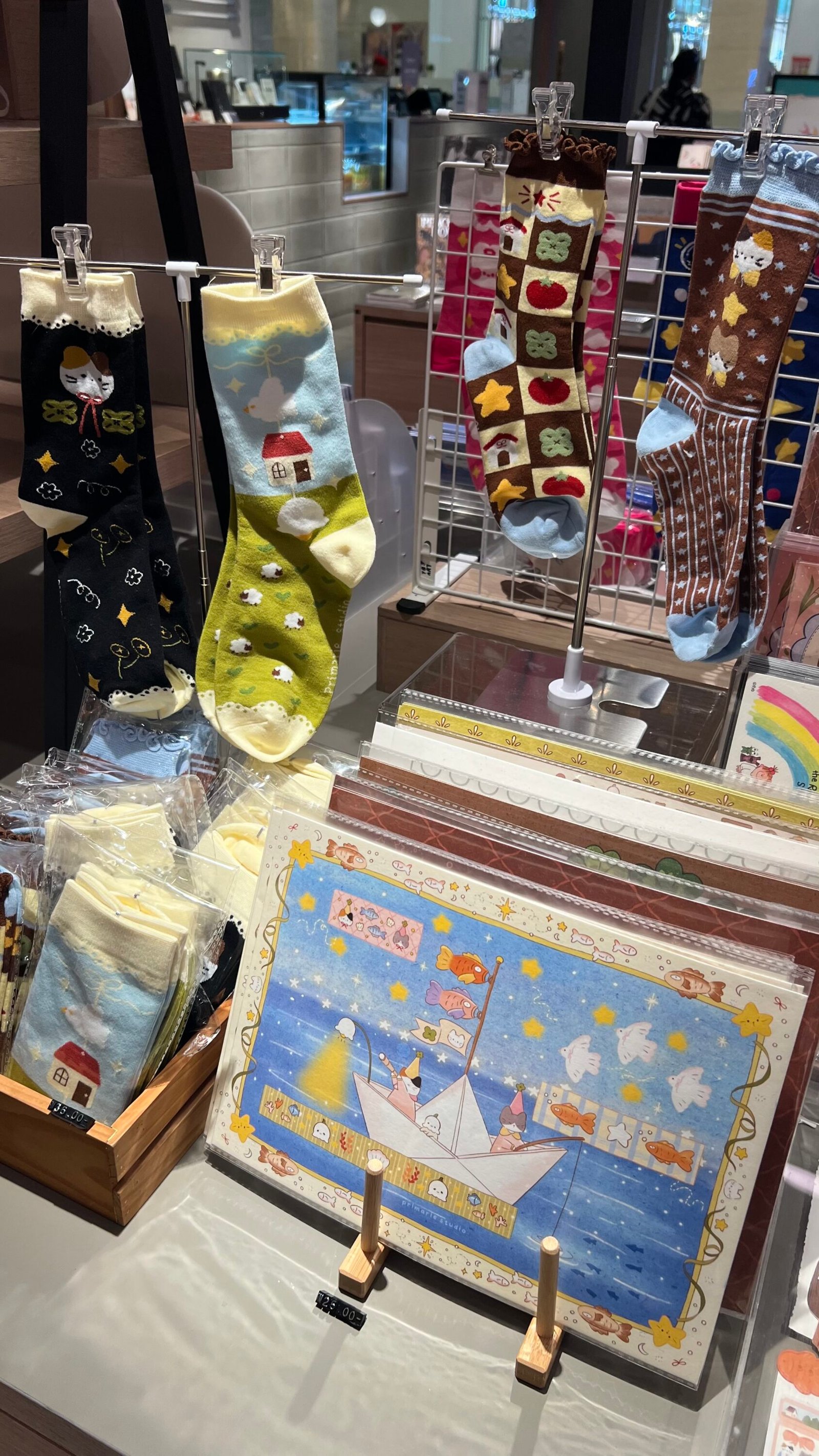
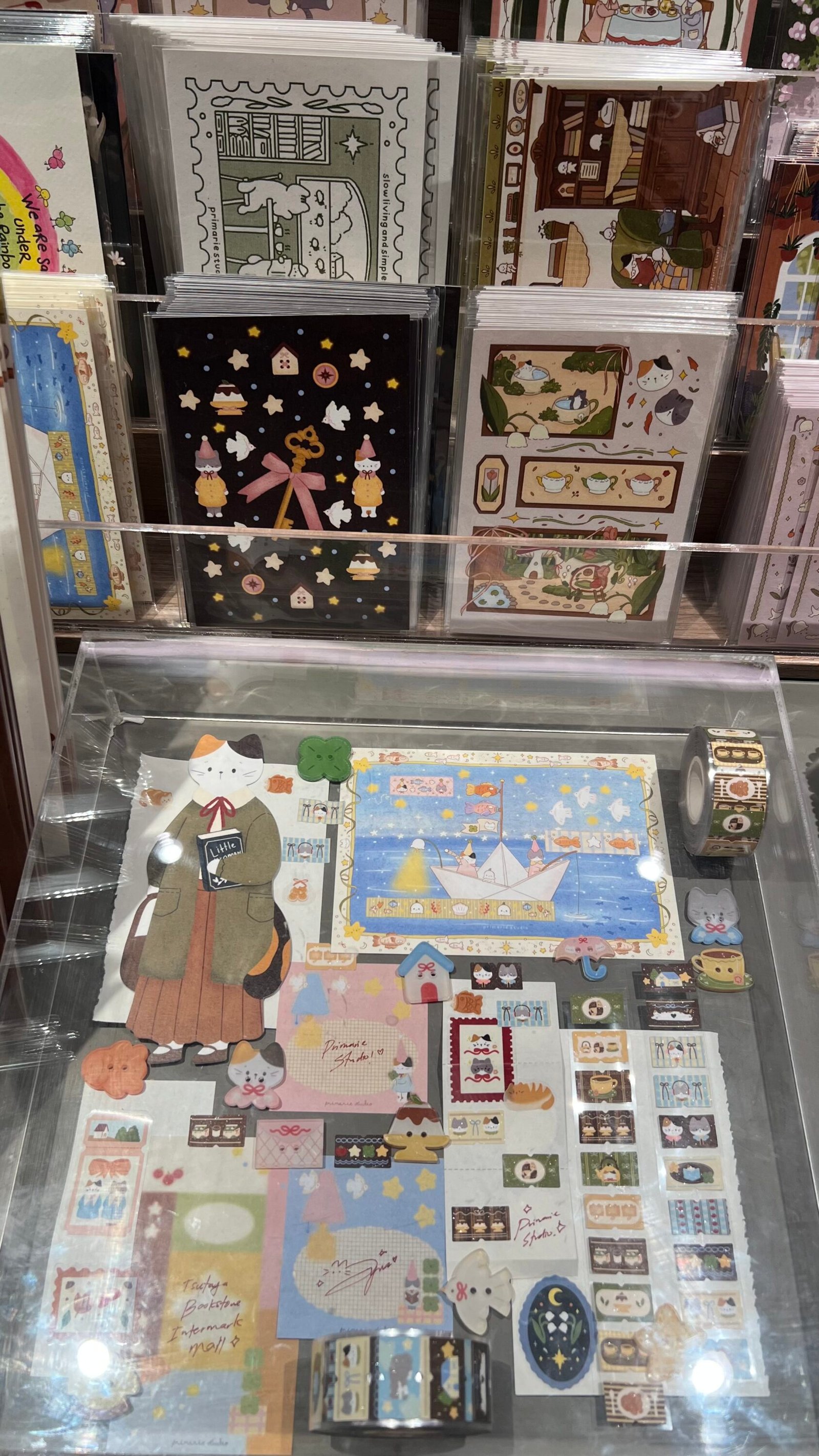
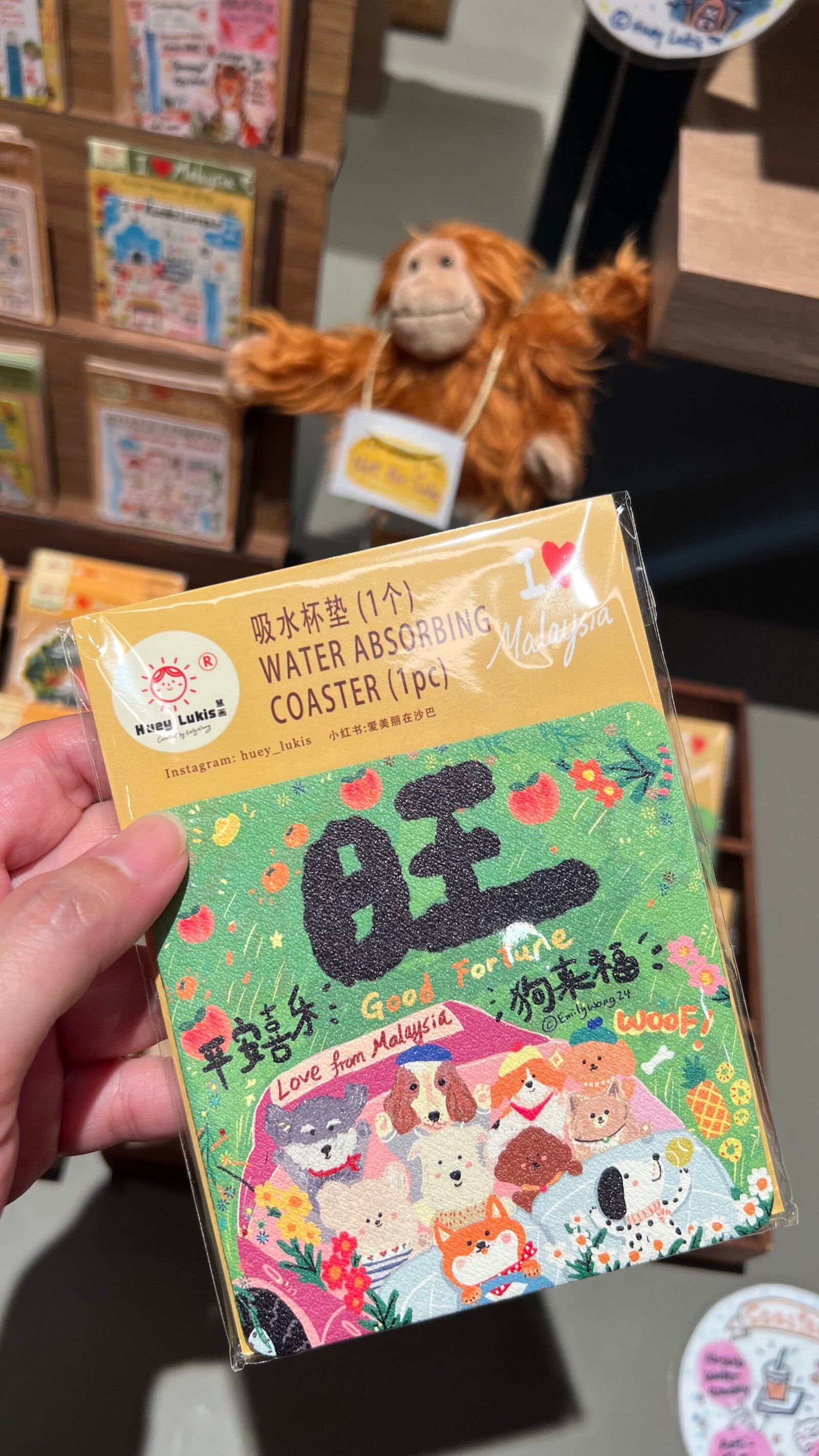
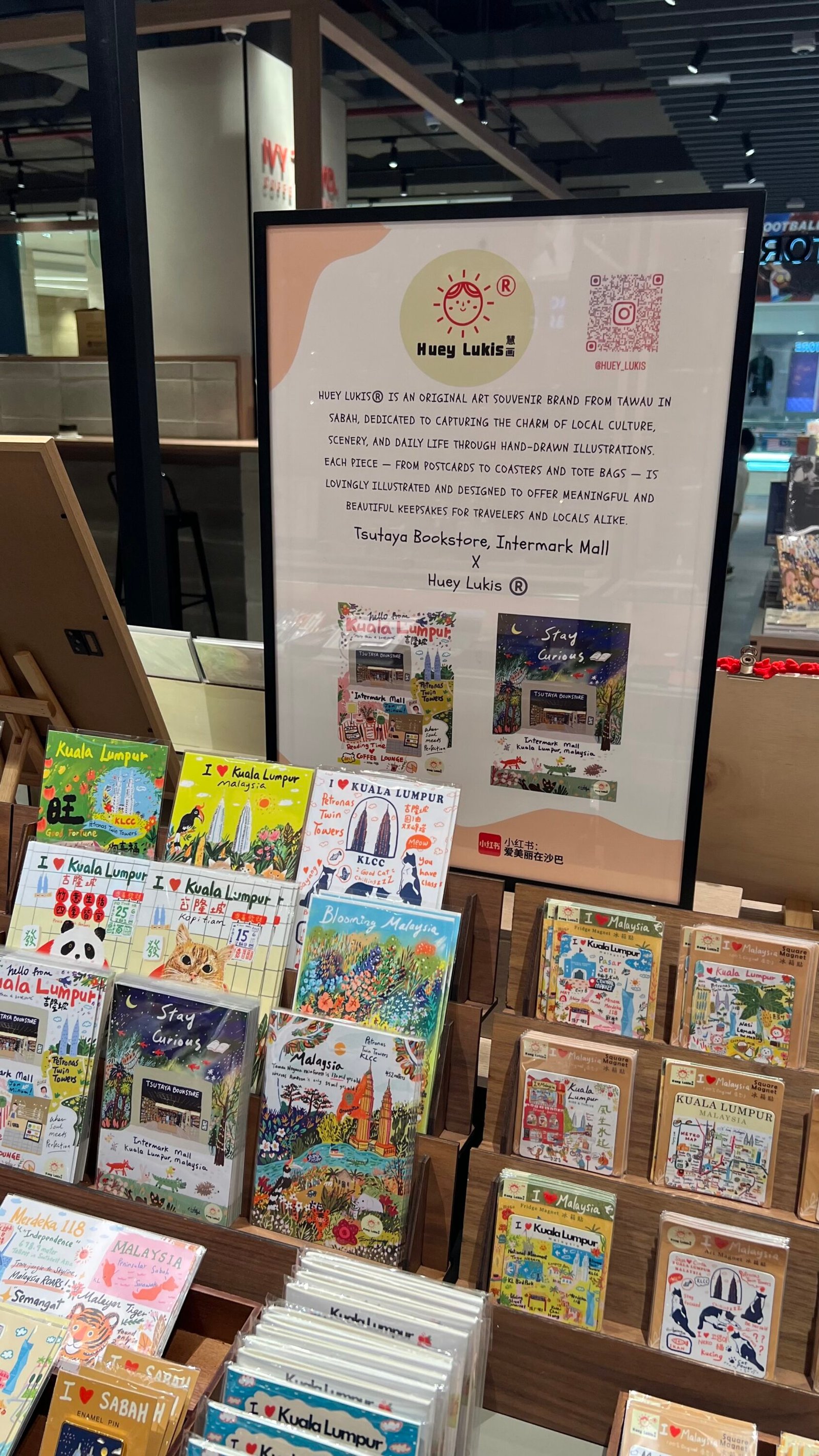
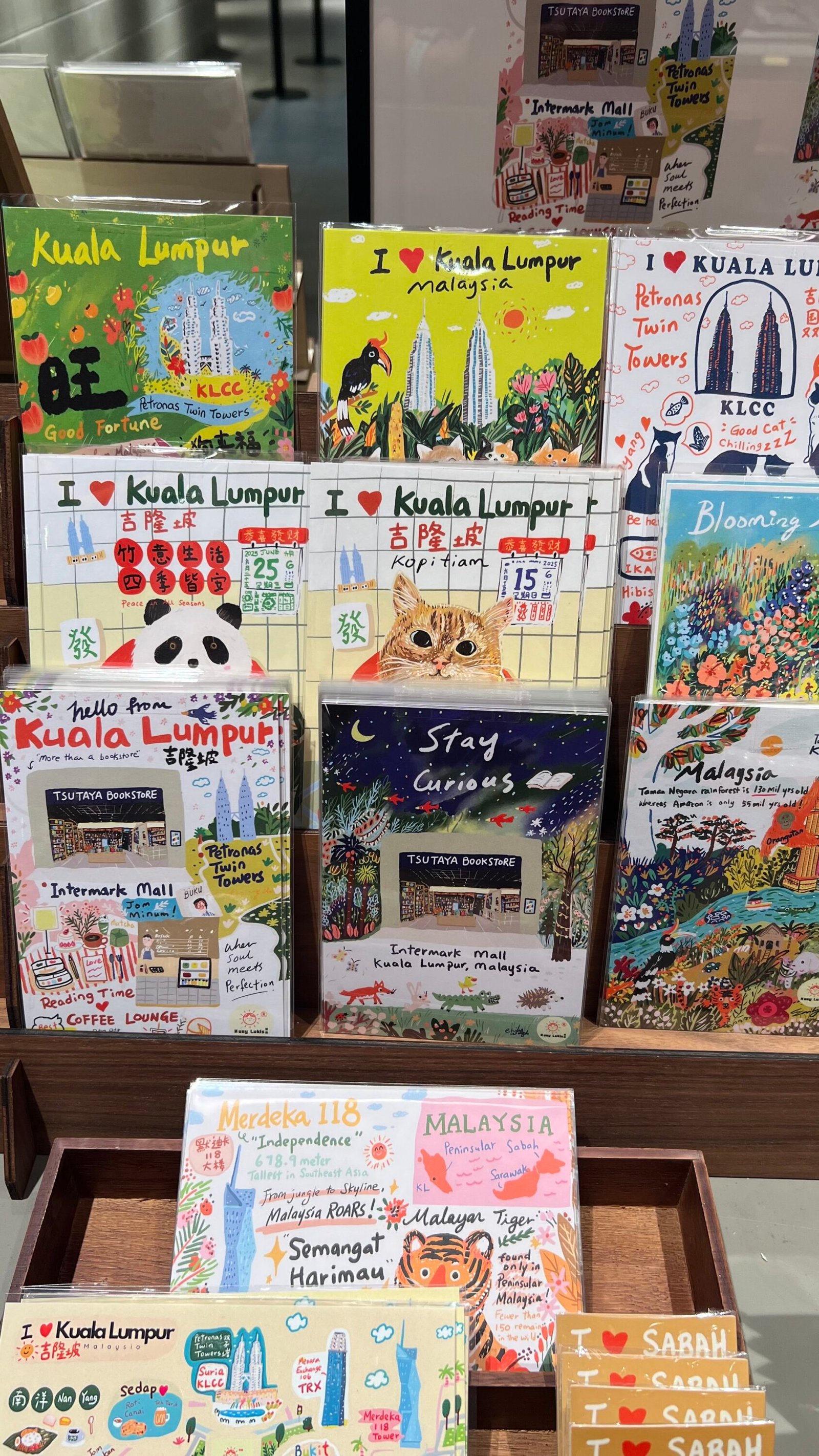
I also went to Tsutaya Bookstore at The Intermark nearby. I particularly love the local artists’ section on bookstores, and I love Tsutaya Bookstore’s showcasing the merchandises.
I got myself a couple of bookmarks, mwahahaha.
AND THIIIIISSS! FINALLY!
It’s a long weekend here in Malaysia as the country is celebrating their independence day at August 31, so I’m going to take things slow and chill.
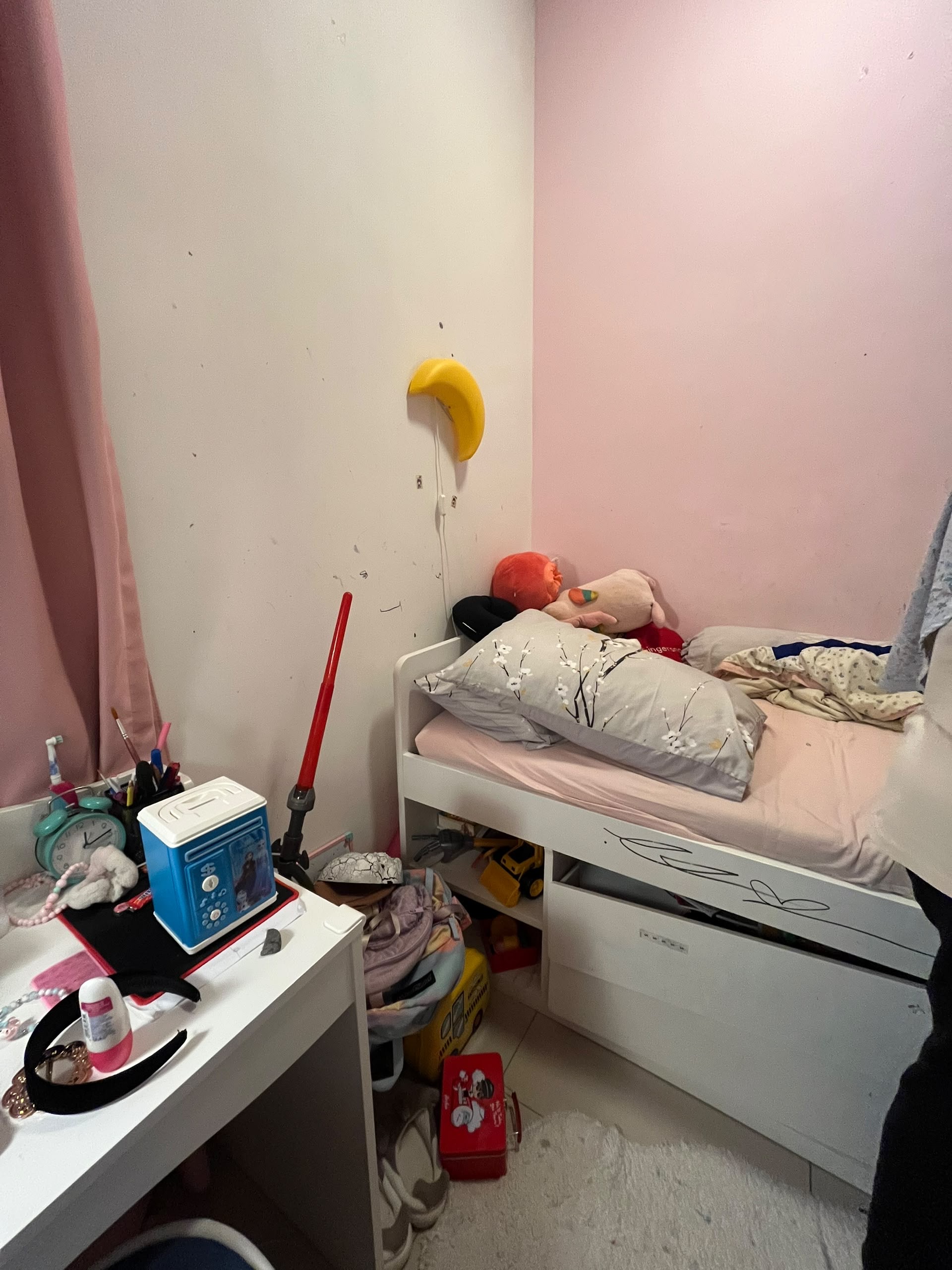
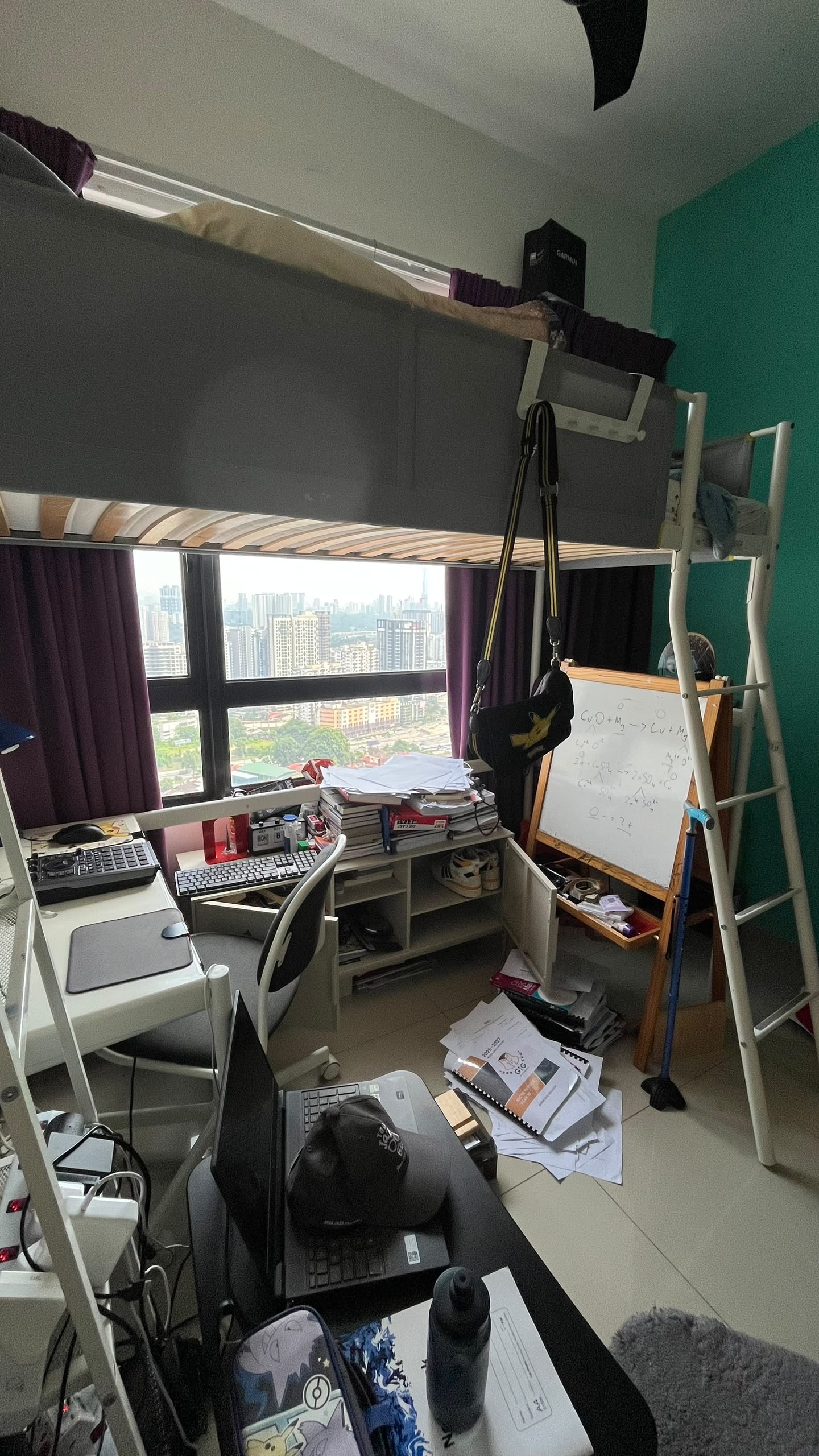
A couple of days ago, I had a professional organizer helped me tackling down my kids’ room. I asked the kids, though! And they agreed to have someone checking and “fixing” their rooms; hence, Ms. Iffah and her team from IZ Organizing helping me with the process.
Right off the bat, I found some interesting behavior from my kids. When Iffah asked them about their room and their preferences, both Wira and Rey were hesitant in answering. Not from anxiety or nervousness, but from uncertainty. A lot of “well, this situation has been working for me for a long time, so I don’t know how to improve this”-answers and “I don’t know what I like and dislike about this room.” I, however, kinda expected such answers, though! They are still children (whether they like it or not!), and most of the decision making processes made by me or Ari. In this case, they didn’t know better and had no certain level of expectations. I told Iffah and Joyce (Joyce is Iffah’s partner in the team) that I hope the kids would have a set of expectations and standards as a start after having their rooms tackled by a professional.
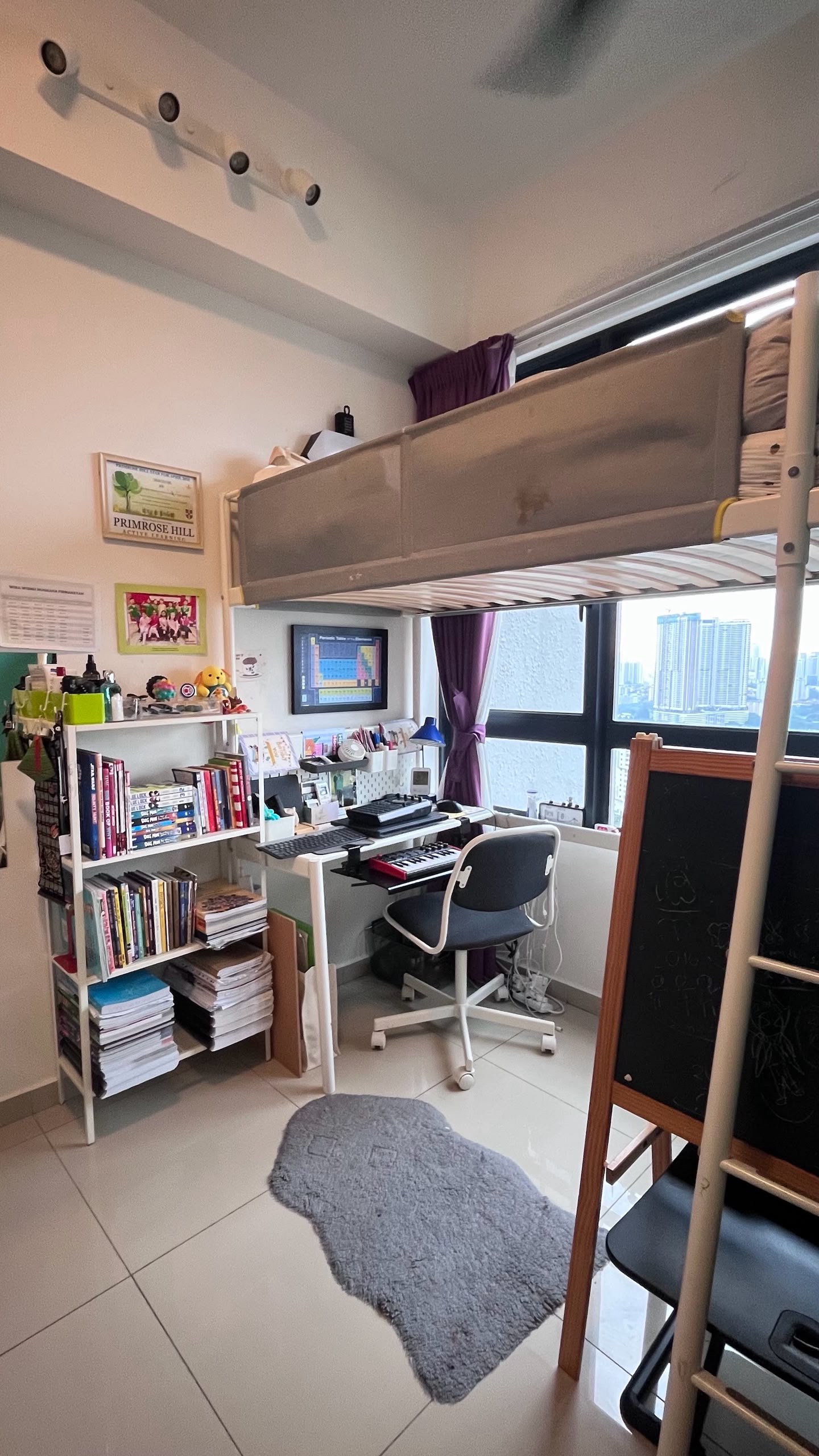
Anyone with teens in their home would say that these rooms were “okay-ish” and the floor is still visible to the human’s eyes. That said, I honestly felt that this could be better. Also, Rey’s bed was on the verge of collapsing with two or three boards already falling apart.
Iffah and Joyce had a couple of site visits to get to know the kids better, which, I really appreciate. Preteens and teens have a certain degree of privacy and autonomy, and I want to respect my kids’. I also told Wira and Rey that while I, as their mom, would love to see clean and tidy rooms, I also wanted them to feel comfortable in their own room with uninterrupted flow. After the site visits, Iffah and Joyce then went to work. Between the dates of site visit and the actual organizing day, Iffah kept me updated on her progress and her choices of storage options, be it a Shopee purchase, Muji, or IKEA’s. The organizing day itself took two days with each day for each room. I am pleased to say that the kids loved the result, and even moreso me!
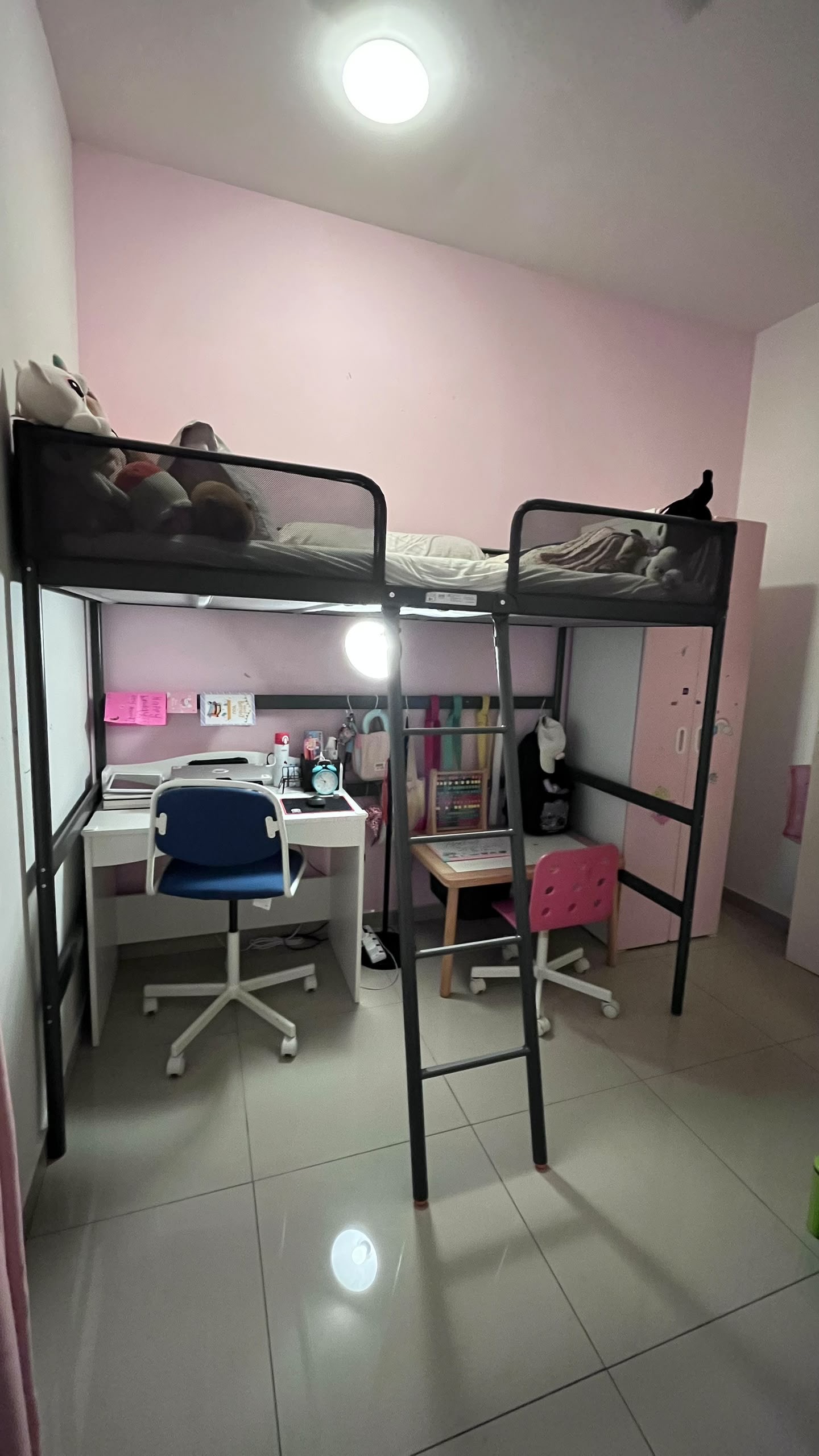
Since Rey’s bed was beyond help, we decided to get her a new one, and this time, a loft bed so she can have more space for study and play.
Due to the kids’ privacy, I’m not showing close-up pictures of how their belongings got organized. However, you can check Iffah’s portfolio on her Instagram account here.
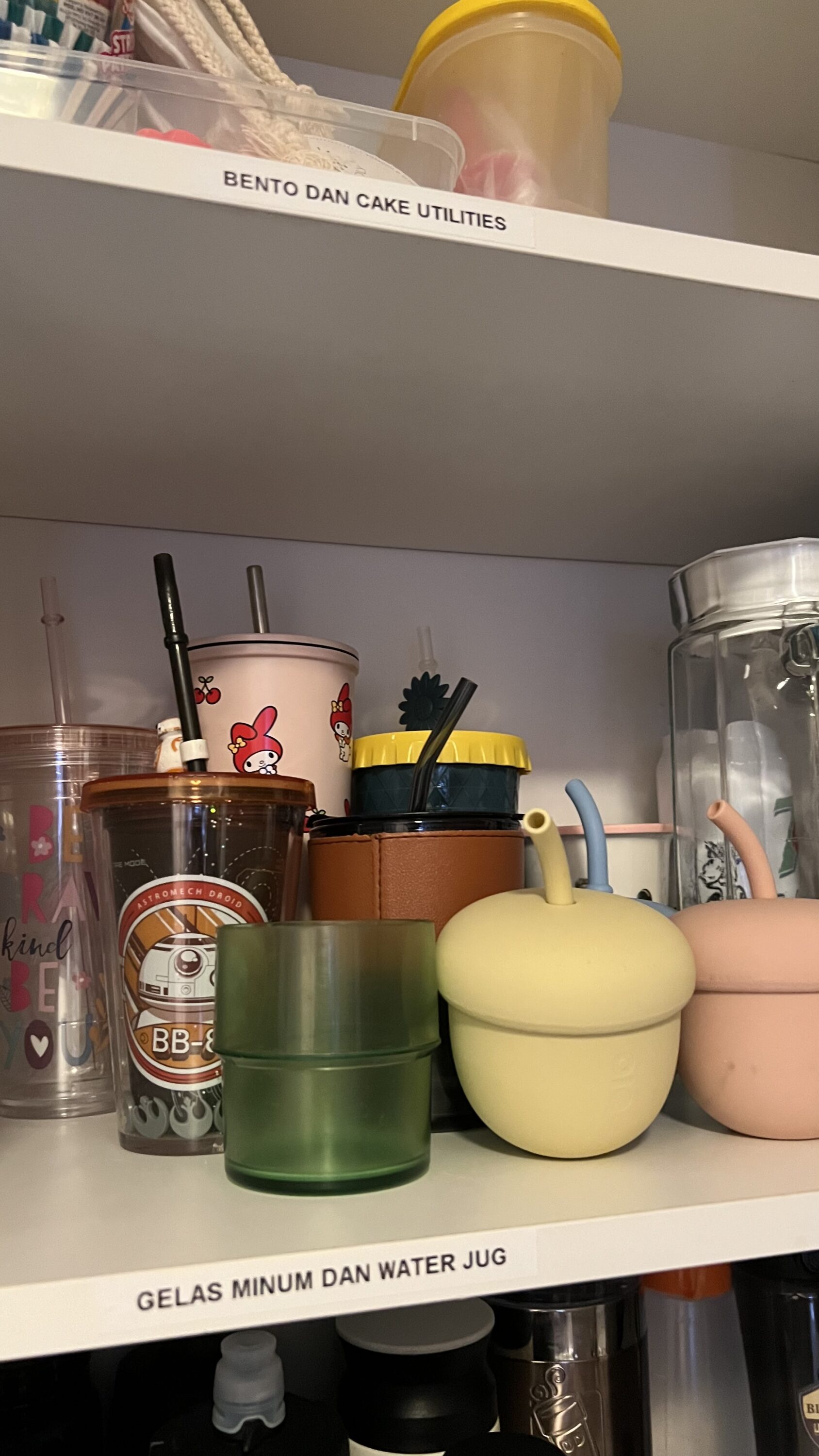
Even after we concluded the organizing service, I admit that I learned a lot from Iffah and Joyce. I particularly love how they put such a heavy emphasis on movement flow, “everything has its place”, and priorities: “For things that rarely used, it’s okay to put them quite far from our reach. Make sure there is a place for everything that we have.” I then applied the same method in my kitchen, and this time, armed with my trusty label maker, hahah.
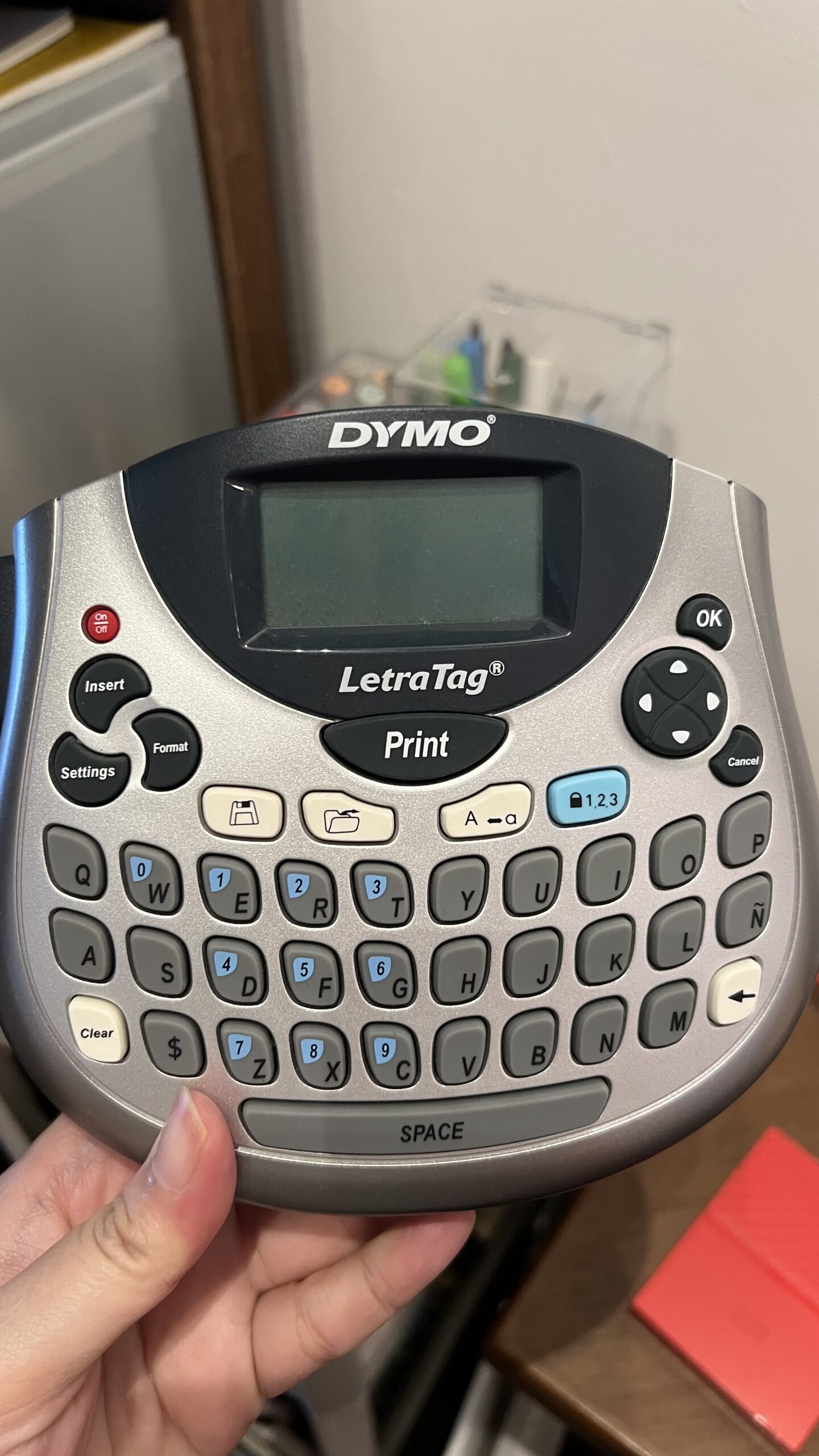
I got this label marker last year after a scrolling frenzy on Pinterest
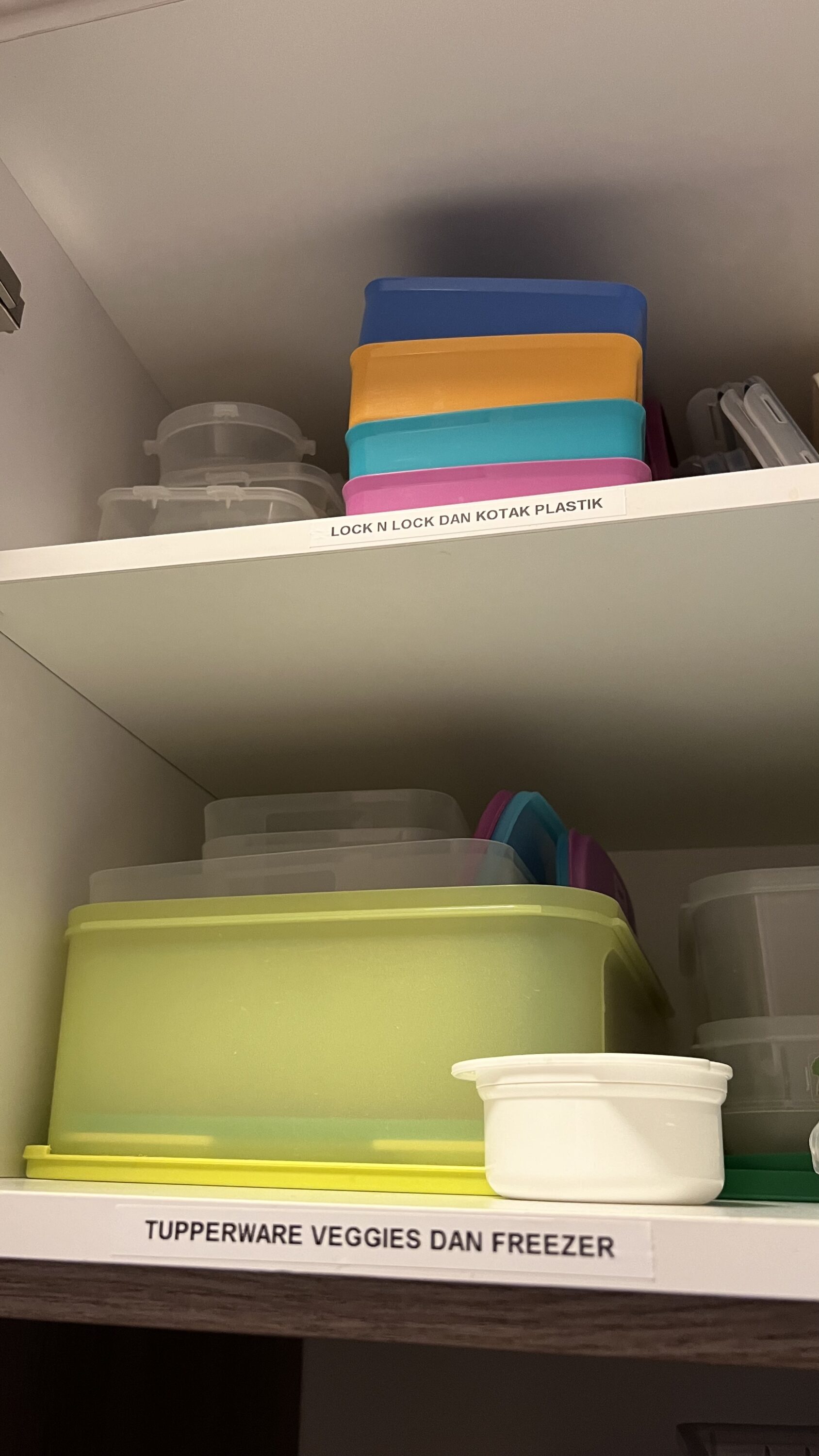
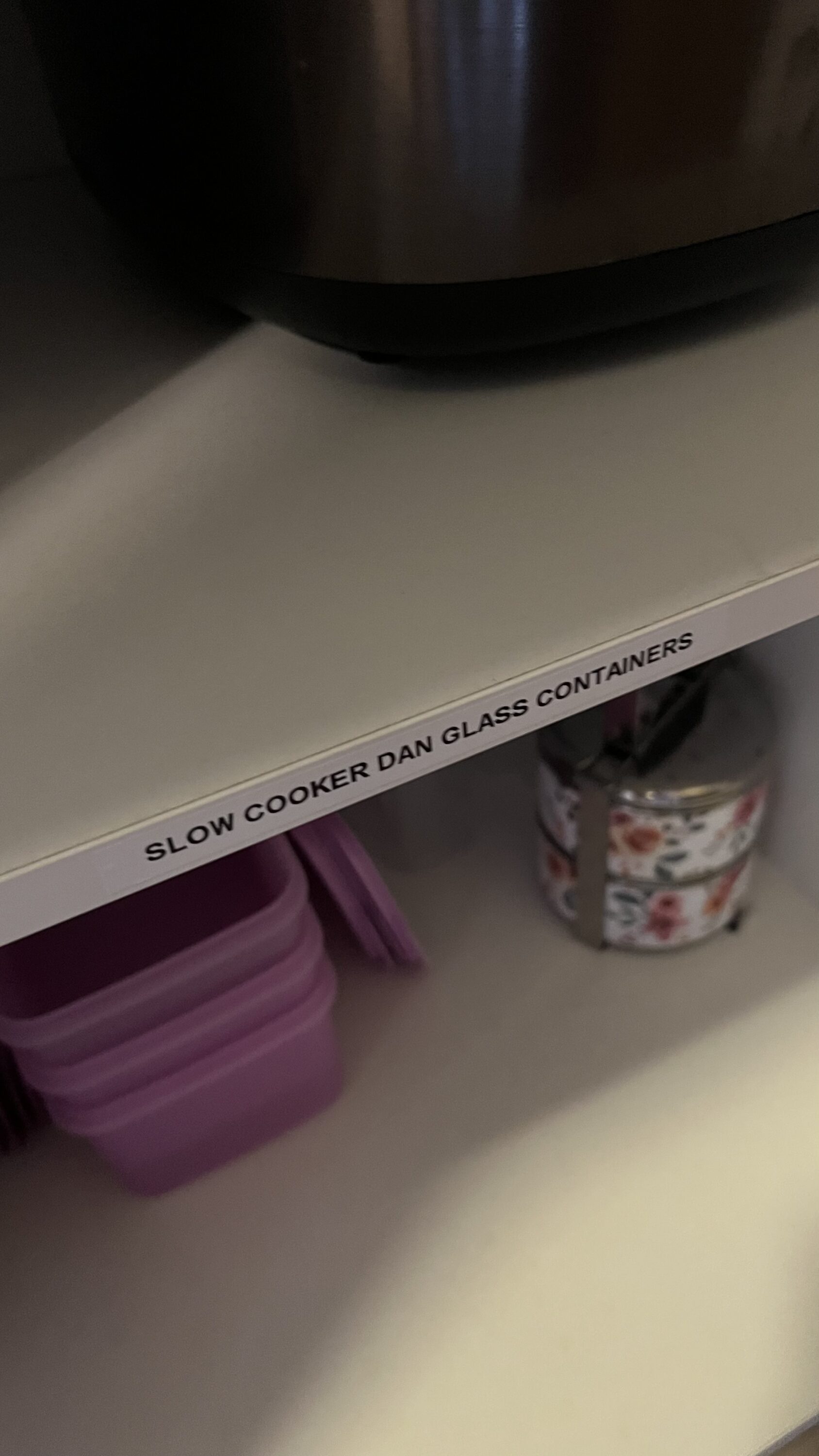
I think it’s fair to say that for most housewives, especially the middle-aged ones like me, storage boxes AND glass jars are considered as a collection at this point. That said, I rearranged my boxes depending on the usage frequency. Those I frequently use for food and ingredients storage are located within reach, while the ones that I rarely use are located a bit further and higher.
For some glass/ceramic containers, I put them on a lower section due to safety.
We also have quite an amount of water bottles and beverage containers, and it was a nightmare to see. I am glad to say that it’s now more pleasing to look at.
If you are interested in labeling some areas or storage spaces in your home, please note that you are NOT required to purchase a label maker. Honestly, a marking/painter tape and a Sharpie marker would do. Also, quite contrary with what people thought, labeling the areas actually helps in reducing confusion and clutter. At least now I know where to find things and where should I put them back, hahah!
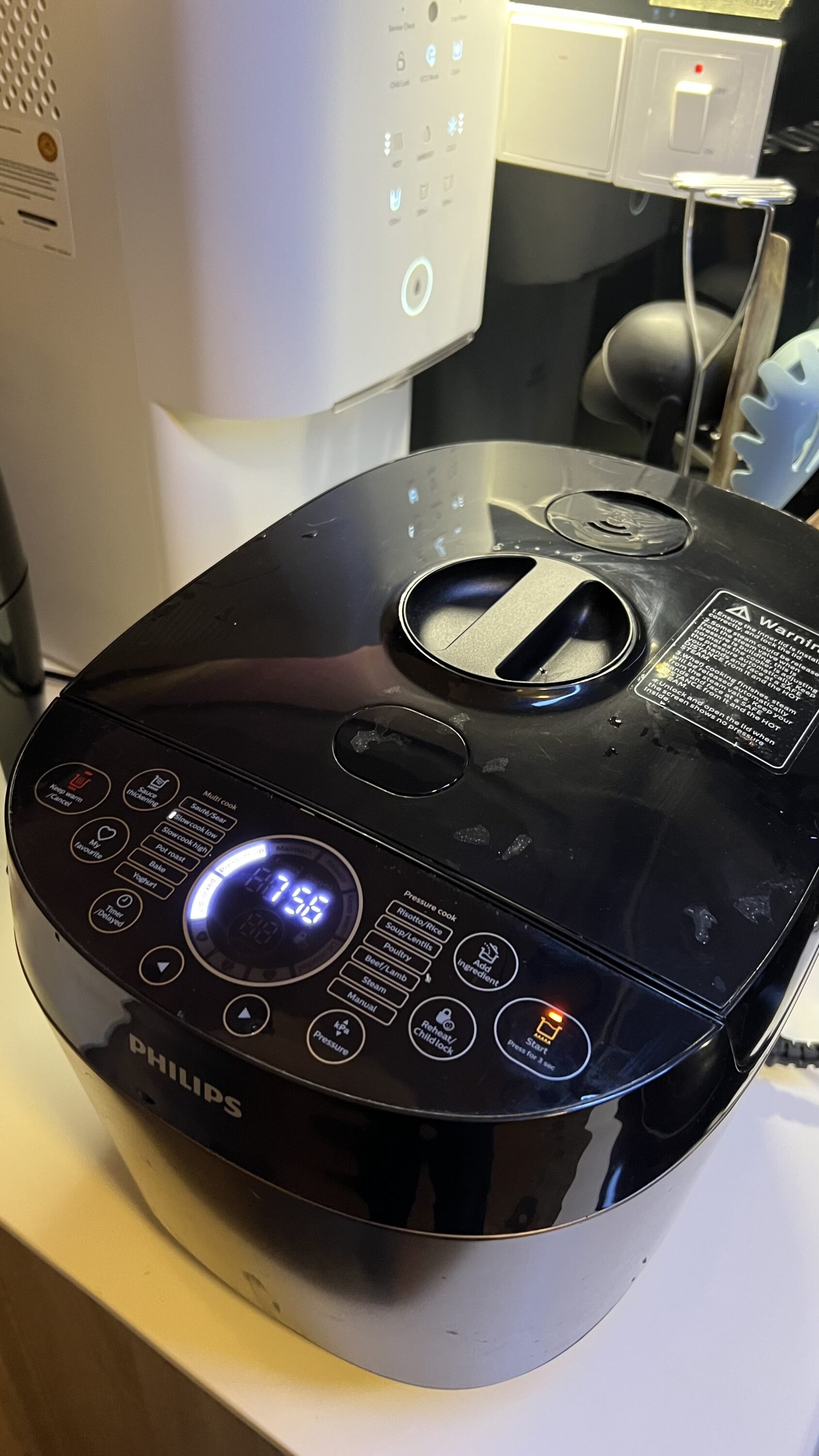
A couple of months ago, a very good friend of mine, mbak Rizky, shared with me some tips for cooking rendang. She told me to cook it using a slow cooker. I honestly thought that would be too good to be true, because what do you mean all I have to do is to throw then mix everything up , give it a good stir for a moment, then call it a day? I grew up believing that rendang is one of the most labor-consuming dish, alongside with peeling a kilogram of shallots, so when mbak Rizky told me with such conviction that yes it’s doable to cook rendang in a slow cooker without worrying about split coconut milk, I got intrigued.
I have a pack of instant rendang seasoning in my pantry, so I decided to mix them up with 1 kilogram of beef (topside and cubed 1.5 inches) and 800 mL coconut milk in a slow cooker then set it for 8 hours/overnight.
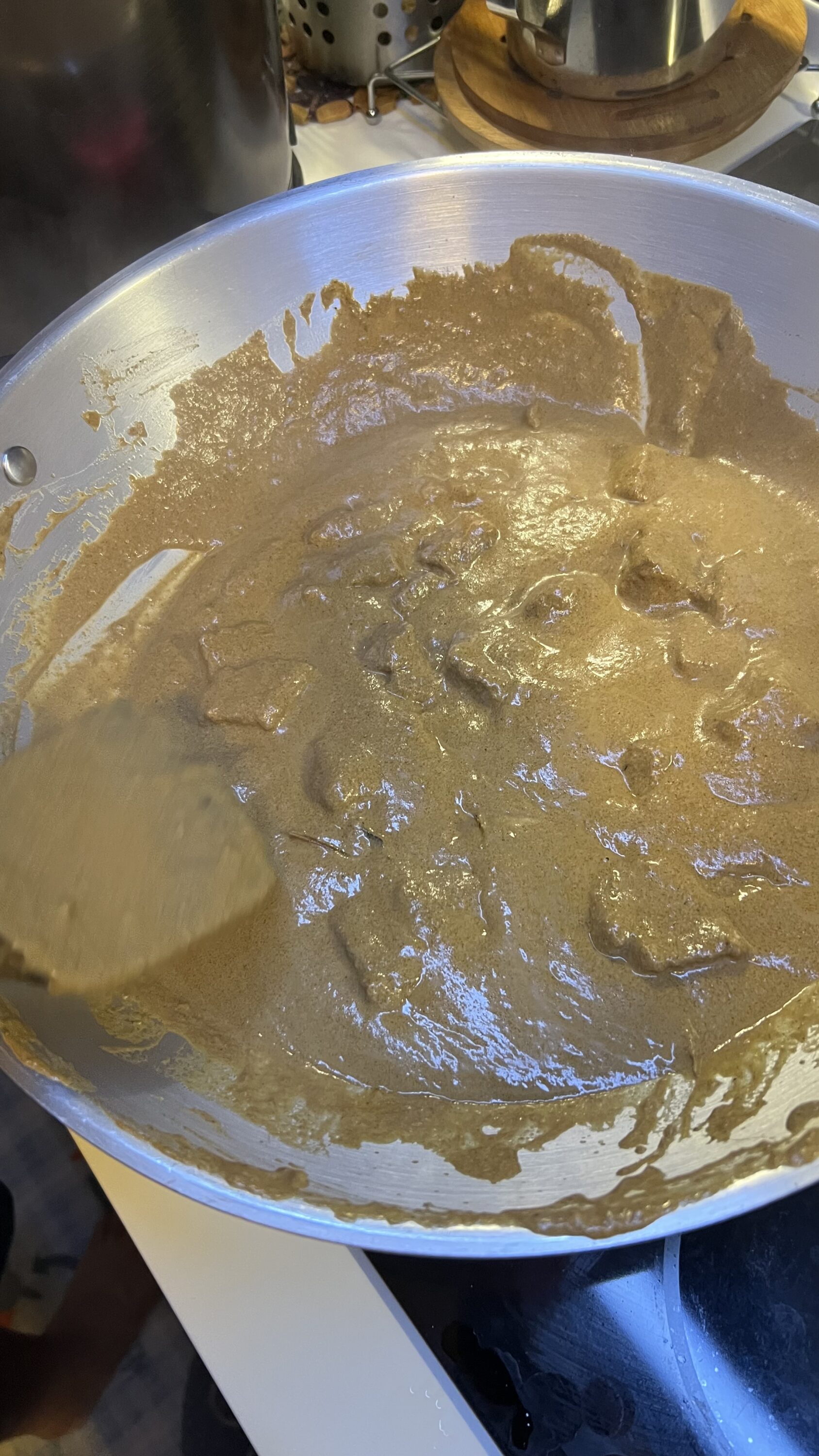
Just now, after breakfast, I opened the slow cooker lid and yes, the rendang looked great. Then, I stirred them. However, I found it difficult to stir them in the slow cooker using the Sautée/Stir option since I couldn’t control the heat. I then moved them to a big wok so I could continue stirring while adjusting the heat.
Directly from the slow cooker
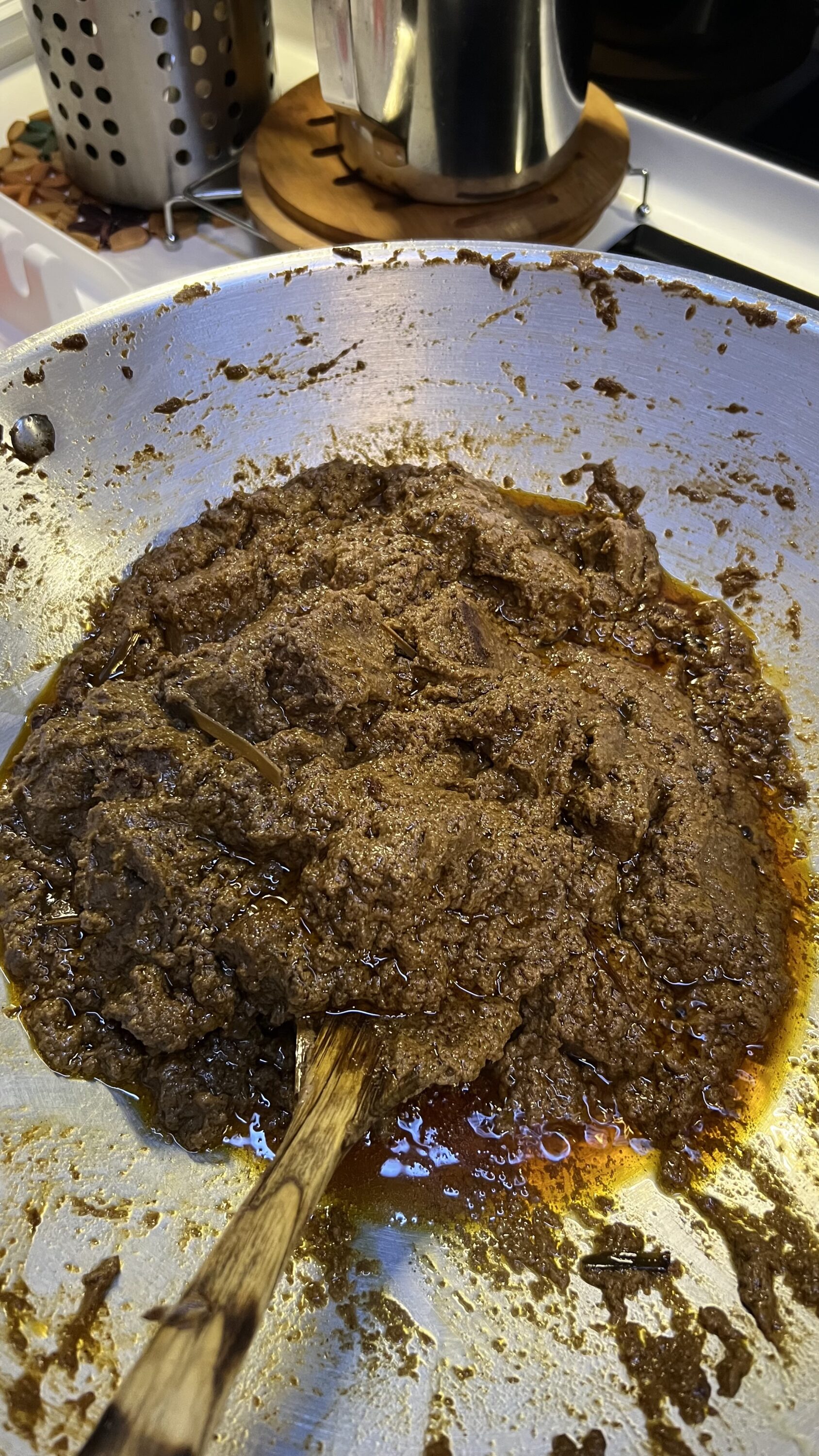
This is where I made the rookie mistake. On the rendang seasoning package, it only mentioned the steps of mixing together the seasoning, meat, and coconut milk. I noticed this a LOT on prepackaged seasonings from Padang. For some reasons, all the uni-uni Padang, with such mad skills and god-tier expertise in cooking, thought that everyone would just know how to cook rendang 🥲 I’M SO SORRY, UNI, I’M BORN AND BRED JAWA. I didn’t realized that it needed oil to heat and put everything together, so I spent 10-15 minutes stirring the half-done rendang while wondering if I missed anything. Once I realized that I needed to add oil, which I immediately added a dash of oil to the rendang, the rendang cooked quite fast and looking great!
Had I realized that a bit of oil is needed, the rendang would definitely cooked faster, hahah!
Also, thanks to the slow cooker, the meat retained its shape nicely. Thank you, mbak Rizky, for the tips! I feel more confident now in cooking rendang!
Nindya. Kapkap. she/her. Indonesian in Malaysia. Millennial. Lo-fi. Post-Rock. Gregorian. Animal Crossing: New Horizons. Murder mystery genre. “Love is Love“.
This is my personal blog, so anything goes. This blog has been around since 2014, which means you would, and could, see my past writings with different perspectives and mindsets at that time. This blog is a record-keeping of what I was, what I am, and what I will be. What I wrote in the past might not reflect who I am right now, nor me revisiting the topic.
While things here are generally PG-13, I must remind you that I’m an adult, which means some topics might be too heavy for younger readers.
Unless stated otherwise, posts mentioning brand names or places here are not ads/paid content.