• The cost of “being neutral”

    A couple of days ago, I saw a phone notification from the Kompas app. Kompas is one of the oldest, most respected, and biggest media in Indonesia, that was founded back in 1965. I started subscribing to them after my friend, Ario, mentioned about their promo on his Threads. Despite I didn’t get the promo due to my location (outside Indonesia), I was, and still is, pretty happy with the subscription. My goal is to make sure I have my information sources from the media, and Kompas is one of the non-partial media in Indonesia. The current Indonesian administration has been putting a blanket ban and ironfist control on the media, resulted with most of them reporting the “achievements” (or the lack thereof) of the current administrations and hyping up some corruption-rich national projects such as Indonesia’s Free Nutritious Meals. Speaking about fascism. Kompas, however, has been steadfast in being non-partisan and reporting things as they are. Although, I must admit, I still flinch whenever I see the word “president” in front of Prabowo “Voldembrot” Subianto. The cost of reading media runs by professionals, I guess. Perhaps those reporters, journalists, and editors in Kompas’ media room are itching to add “Voldembrot”, too. Perhaps. Hey, Kompas, blink three times if you agree.

    So! The Kompas app’s notification.

    It was a notification of a recent article under the “Opinion” section. An essay by Nicholas Saputra, titled “Hutan Rusak, Siapa yang Menanggungnya?” This essay piqued my interest specifically because Nicholas Saputra is one of Indonesian actors that… you would say, on the similar vein of Leonardo DiCaprio: Public branding of eco-conscious warrior with highly questionable personal persona. DiCaprio with his tendency of dating girls under 25 years old while he’s growing older any day, Nicholas with his silence despite his stardom status on whatever is going on in Indonesia. It has been known among Indonesians that Nicholas is close with Prabowo’s son, Didit, hence his silence.

    Now, I can’t reaaaally be bothered to translate the whole thing, so you will need to make do with it or use translation tool in case you are interested in reading. Also, I’m too irate to worry about correct grammar, so, unfortunately, you will need to give me a wide berth of tolerance as I’m putting some paragraphs here with my commentaries. This is the link to the full essay: Hutan Rusak, Siapa yang Menanggungnya? (in Indonesian)

    Beberapa tahun lalu, saya terhubung kembali dengan seorang anak muda di Aceh yang sampai sekarang masih saya ingat. Ia dulu sering membantu mengantar saya ketika melakukan perjalanan ke Aceh. Pada suatu masa, ia bekerja mengangkut kayu secara ilegal dengan mobil sederhana yang biasa disebut ”becak”. Saya tahu apa yang dilakukannya salah dan mencoba meyakinkannya untuk berhenti. Namun, jawabannya sederhana: ”Kami lapar, Bang.” Beberapa waktu kemudian, saya mendengar bahwa ia ditangkap dan dipenjara.

    Right off the bat, he opened his essay with his interaction with an Acehnese youth. This looks impressive, until you realized that this is his way of saying, “see, I am knowledgeable! I care about Indonesia because I had a chat with a guy from Aceh!”

    This gives me the vibe of “I have Black friends, too!”

    Kisah itu mengingatkan saya bahwa persoalan lingkungan hampir selalu memiliki dimensi manusia. Ketika kita meminta seseorang berhenti melakukan sesuatu yang salah, kita juga harus mampu menghadirkan pilihan yang benar dan masuk akal bagi kehidupannya. Jika tidak, kita mungkin berhasil menghentikan satu aktivitas hari ini, tetapi gagal menyelesaikan alasan yang membuatnya terus terjadi.

    The second paragraph PISSES ME OFF. This is what bootlickers usually say to reduce people’s concerns: “If you can’t provide any solutions, you shouldn’t criticize!”

    Heck no???

    Because it’s literally the government’s job??? That Aceh guy wouldn’t have to resort to illegal means to survive had the government actually doing their fucking job??? ALSO, WE PAID THE GOVERNMENT IN FORM OF TAXES AND I DEMAND TO HAVE MY TAXES BEING USED PROPERLY SO THERE WILL BE NO MORE PEOPLE IN THE SAME SITUATION AS THE ACEH GUY THAT YOU HAD A CHAT WITH, HM, NICHOLAS?

    Sure, “provide the solution, too!” would work if, say, I told my son to study better for his finals, so I provide him the solution by supporting his studies. But why should I provide solutions for the things that happened because of the government’s incompetence? Dia yang bego, kenapa gw yang repot??

    Pertanyaan yang perlu kita ajukan bukan semata-mata bagaimana membangun kembali, melainkan apakah kita benar-benar mendengarkan peringatan yang sudah lama disampaikan oleh alam dan ilmu pengetahuan.

    WE DID.

    WE. FUCKING. DID.

    Indonesian Meteorology, Climatology, and Geophysical Agency had warned the risk of increasing hot spots that causing forest fires back in May 2026!

    But guess who refused to listen to it? Guess who axed the budget? THE VERY SAME GUY THAT HIS BOOTS AND ASS YOU ARE CURRENTLY LICKING, NICHOLAS. PRABOWO. VOLDEMBROT.

    Selama ini, biaya untuk menjaga alam sering dianggap sebagai cost center, sementara biaya akibat kegagalan menjaganya jarang dihitung secara serius. Padahal, biaya itu tetap ada. Hanya, sering kali bukan mereka yang mengambil keputusan di ruang rapat yang menanggungnya, melainkan masyarakat yang tinggal di sekitar hutan, di lereng gunung, di daerah aliran sungai, dan di wilayah yang memiliki keterbatasan akses terhadap pelayanan dasar.

    And this is what you get when you are worshipping capitalism and thinking that capitalism would save your ass (it’s not. Case in point: USA.) The problem with capitalism is that it sees everything with dollar signs on it. You are considered as valuable if you give something in return/quid pro quo. This means, if you can’t give any output, or your output is less than what others invest on you, you are worthless. Do you know who are the “worthless”? Children and elderly. Children would be deemed as worthless until they reach adulthood and join the workforce (productive age), and elderly is deemed as worthless because they are “past their prime”. I want to know your thoughts when the government thinks your parents or grandparents are worthless.

    A country is not a profit center. In Islam, humans are appointed by Allah SWT as the khalifah, Allah’s steward in the dunya. It is expected for the humans to explore and manage the world and its affairs as best as they could with knowledge and wisdom (amanah). In short, a country is a liability for its leaders. In Indonesian, we have the saying: “Memanusiakan manusia“. Treat other humans like humans, with humanity. Looking at how Voldembrot has been treating Indonesians, well, I would say that no-one would miss him when he got dragged and quartered. I know that we all are rooting for that blood clot or the bathroom floor.

    In that paragraph, Nicholas mentioned on how the decision makers are mostly those who not living with the consequences. Had he grown a spine, he would, and could, wrote a scathing yet deserving critics on the current administration. Then again, nooooo, he still decided not to.

    Saya juga melihat masyarakat yang memiliki cara berbeda untuk hidup berdampingan dengan alam. Di salah satu komunitas masyarakat adat peladang tradisional di Kalimantan yang sering saya kunjungi, saya menyaksikan bagaimana mereka menerapkan kehidupan yang berkelanjutan. Mereka membagi wilayah menjadi hutan keramat yang tidak boleh diambil apa pun darinya, hutan untuk pemanfaatan, ladang, dan permukiman. Aturan tersebut bukan sekadar pembagian ruang, melainkan ilmu pengetahuan yang diwariskan dan dipraktikkan untuk menjaga keberlanjutan kehidupan.

    Another one of “I went to Kalimantan! Look at me, I’m such an eco-conscious guy!”

    Ugh.

    Sayangnya, masyarakat adat yang selama turun-temurun menjaga hutan kerap masih menghadapi kesulitan memperoleh pengakuan atas wilayah adat, sementara akses terhadap pendidikan, kesehatan, dan pelayanan dasar juga belum selalu memadai. Dalam pertemuan terakhir saya dengan seorang tetua di sana, ia menyampaikan kalimat sederhana yang sulit saya lupakan: ”Saya hanya mau hutan kami tetap ada.”

    So? What’s next? You, Nicholas, with your celebrity status and the number of followers that you have, spanning from Indonesia to Malaysia and its neighboring countries, you could voice out the tanah adat elders’ concerns in every public and government forums. You could raise public awareness on what’s going on with people outside Java, what with your trips and visits to those places such as Aceh and Kalimantan. You could, on behalf of those tribes and voiceless people, raise your voice and point your fingers to those who are responsible for all this mess and demand for better changes because you, just like any other Indonesians, have been paying your taxes and breathe the same air like them.

    Did you do it, though? Or are you perhaps too busy attending those gala and parties held by Didit?

    The rest of the essay was… Superficial. All the words, all the texts, none of the importance or clear actions. I sniffed a really strong of “Takut Bikin Bokap dan Oom Sobat Gw Marah“-vibe from the whole thing, and a really desperate attempt by Nicholas trying to be relevant while his branding deteriorating. That long-ass essay didn’t hold a candle to what the folks from Greenpeace Indonesia did when they scaled the freaking Tugu Selamat Datang and spread out a gigantic banner with critics to the government.
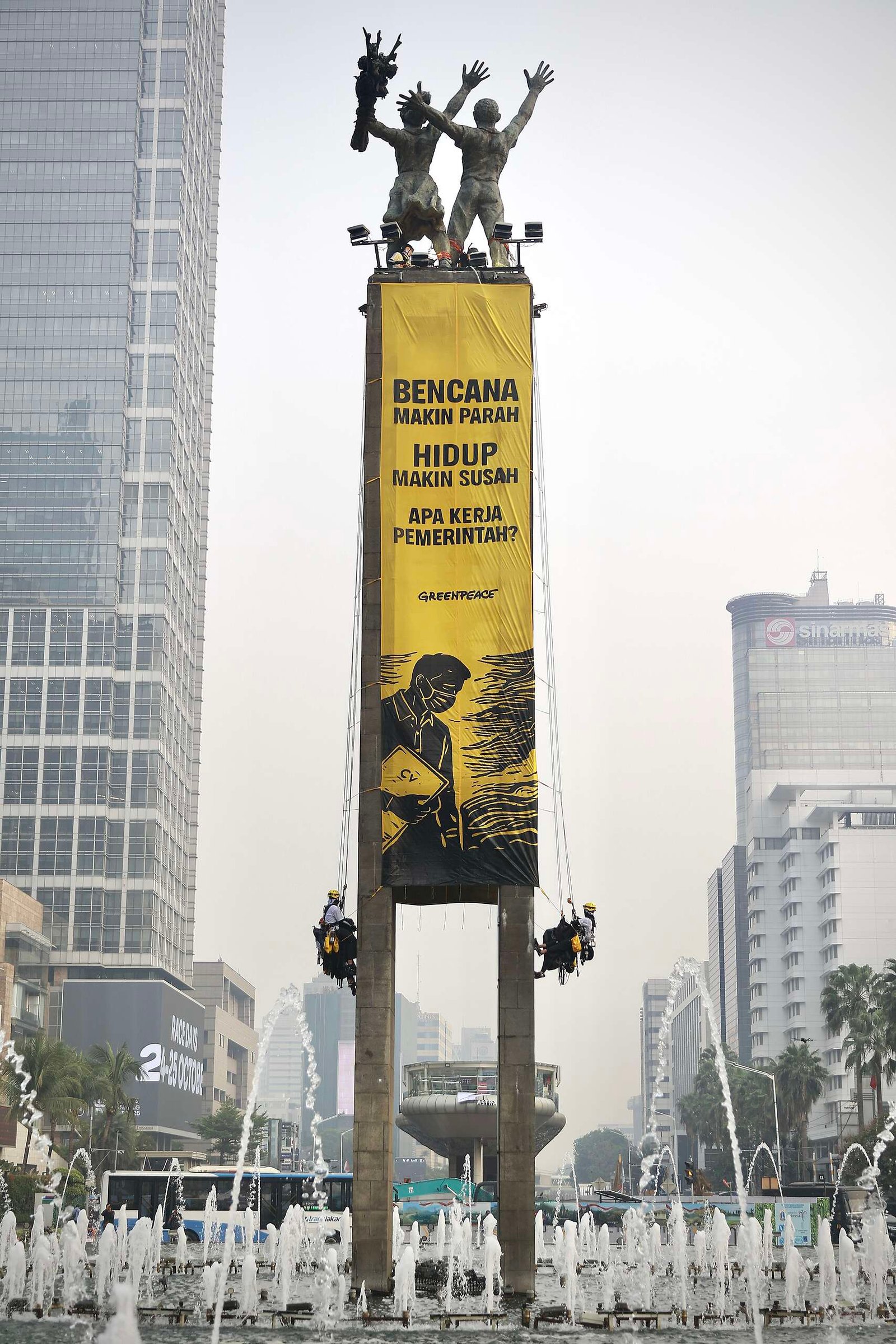
    Source: Hidup Rakyat Makin Sesak, Greenpeace Indonesia Desak Pemerintah untuk Serius Tangani Krisis Iklim

    And all because he chooses to “stay neutral”.
  • On boycotting palm oil

    I know that this sounds so passe, but I honestly feel that the action of boycotting is never an old news. We boycott certain products/brands in different ways, times, and reasons. Also, since we are now rampant with the news of Indonesia getting burned (not “burning”. “Being/getting burned”. There’s a difference), there have been some discussions among Indonesians themselves on boycotting palm oil-derivatives products.

    One of them was an IG Reels by Nadya Hutagalung. Nadya was an MTV VJ for MTV Asia back in late 90s/early 2000s and a model. She’s now still a model, and she has been focusing on environmental issues. In the video, she remarked on how we could choose chocolates (the sugary snack) that are not using palm oil as part of the ingredients.

    Now, I’m not focusing on Nadya’s video. What I found interesting was the comments. Don’t get me wrong, the comments were mostly positive and in support of her. However, I noticed some of them read, “tapi saya masih pake minyak sawit untuk masak/menggoreng…” (“… but I still use palm oil for cooking and deep-frying…”)

    As a housewife and the one that is usually cooking for the family: I get it. Palm oil is cheap and easily available in this part of the world. It’s even considered as one of the elements in Indonesian’s sembako (sembilan bahan pokok/the nine essentials) and palm oil itself has been one of the backbones of the country (and its neighbor, Malaysia) economy. To ban palm oil from Indonesia’s kitchens would be cruel, especially if those who condemn the oil are those live-love-laugh white people with no understanding how the world works and how Global South came to be. Those people can just go to Hell for all I care, because I know exactly those types; begpackers and colonizers leeching off the locals in Bali, Kuala Lumpur, Ho Chi Minh City, and Bangkok. Somehow they got the caucasity to lecture the very locals they robbed from about “live mindfully and environmentally-friendly”.

    This is where I think Nadya is on point in her video: She talked about chocolates. A “fun food”, something that might not be needed by every kitchen in Indonesia in daily basis. Yes, it might be difficult for the families to switch to different type of oils for cooking or method due to access or price, but it shouldn’t be too difficult to switch to a different brand of chocolate.

    I know no-one asked; that said, I would say that it’s okay if you still use palm oil for cooking. In my case, I do use palm oil for frying or sautée-ing, but I have been able to keep the consumption at minimum/as little as possible, thanks to airfryer. If you still use regular stove and wok to deep fry your bakwan jagung or perkedel with palm oil, hey, no worries. You can try find other alternatives for your less-essential needs, such as snacks. If, in the end, you still couldn’t switch products or brands at all for whatever reason, I hope that you wouldn’t beat yourself over it. Leave the switch and the boycott to us who can do it. What matters is that we now know and we know how to voice out our concerns, which means that as an end-consumer, we have rights to force the corporations to comply with the environmental regulations, no? As in, yes, we still need palm oil, but we want the one from sustainable sources.

    So while palm oil can be produced sustainably, most claims about sustainable production risk greenwashing the sector’s widespread environmental harms. Many environmentalists would argue that we need to reduce the amount of vegetable oils that we consume, alongside improving production. Demand could be cut by reducing our consumption of ultra processed foods and cosmetics or stopping the use of palm oil in biofuels.

    —- Sustainable palm oil

    Remember the “trend” Hit the Pan and Underconsumption? That trend of using the products, mostly beauty/cosmetics products and skincare, until it’s very last drop/swipe? Or that trend of stop doing hauls, especially clothing, that coming from fast-fashion companies such as Shein? Yeah, that shouldn’t be a trend. That should be our normal. Unfortunately, social media set our consumption level to turbo mode because so-and-so just bought the newest phone or so-and-so got themselves a sweet deal on Shein or Amazon or wherever it is. This goes the same way with our palm oil and O&G (oil and gas) industries. Humans still need energy sources to continue with their lives, but there is, and always been, a line between making the best out of the sources and plain greed.

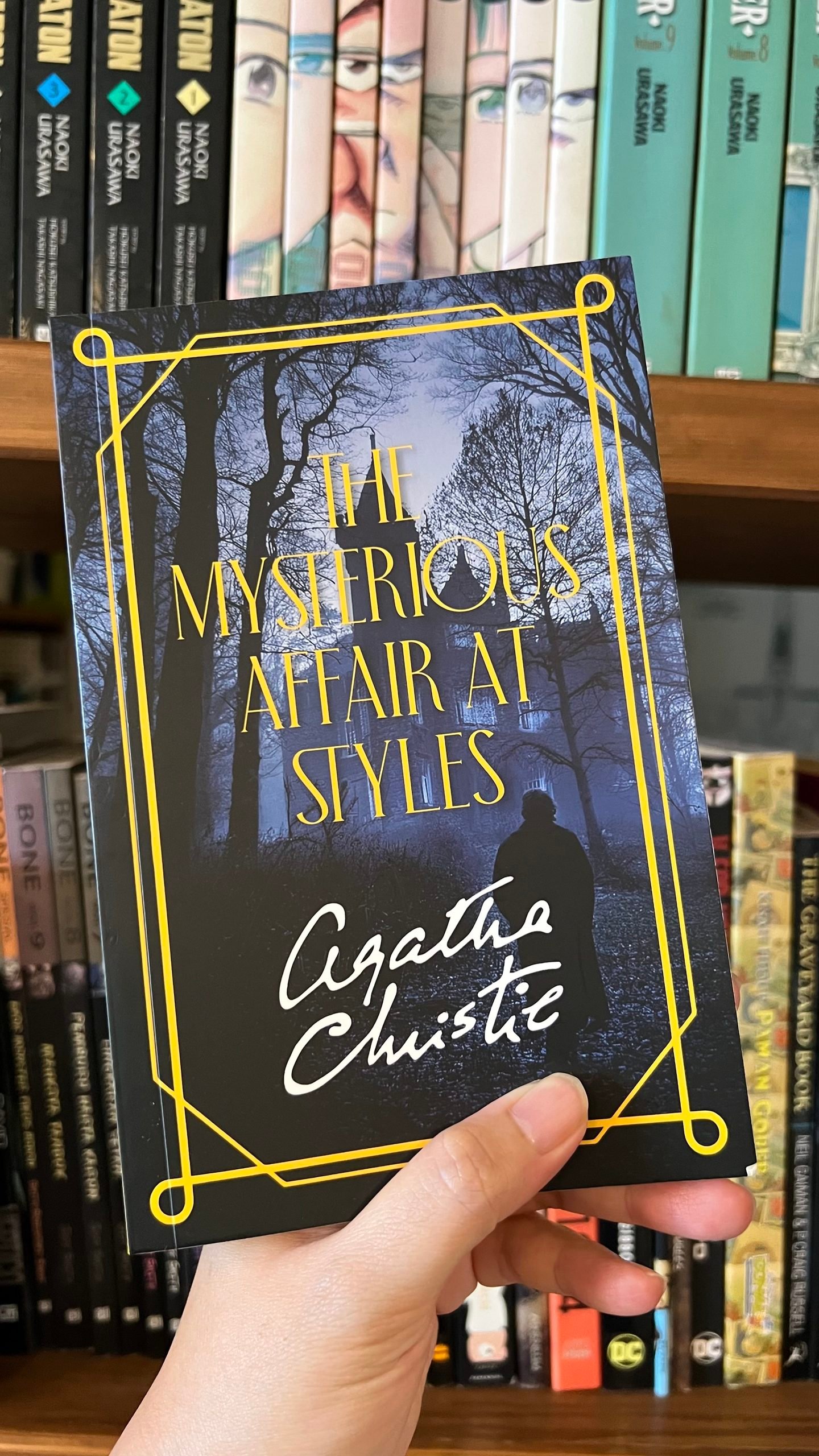
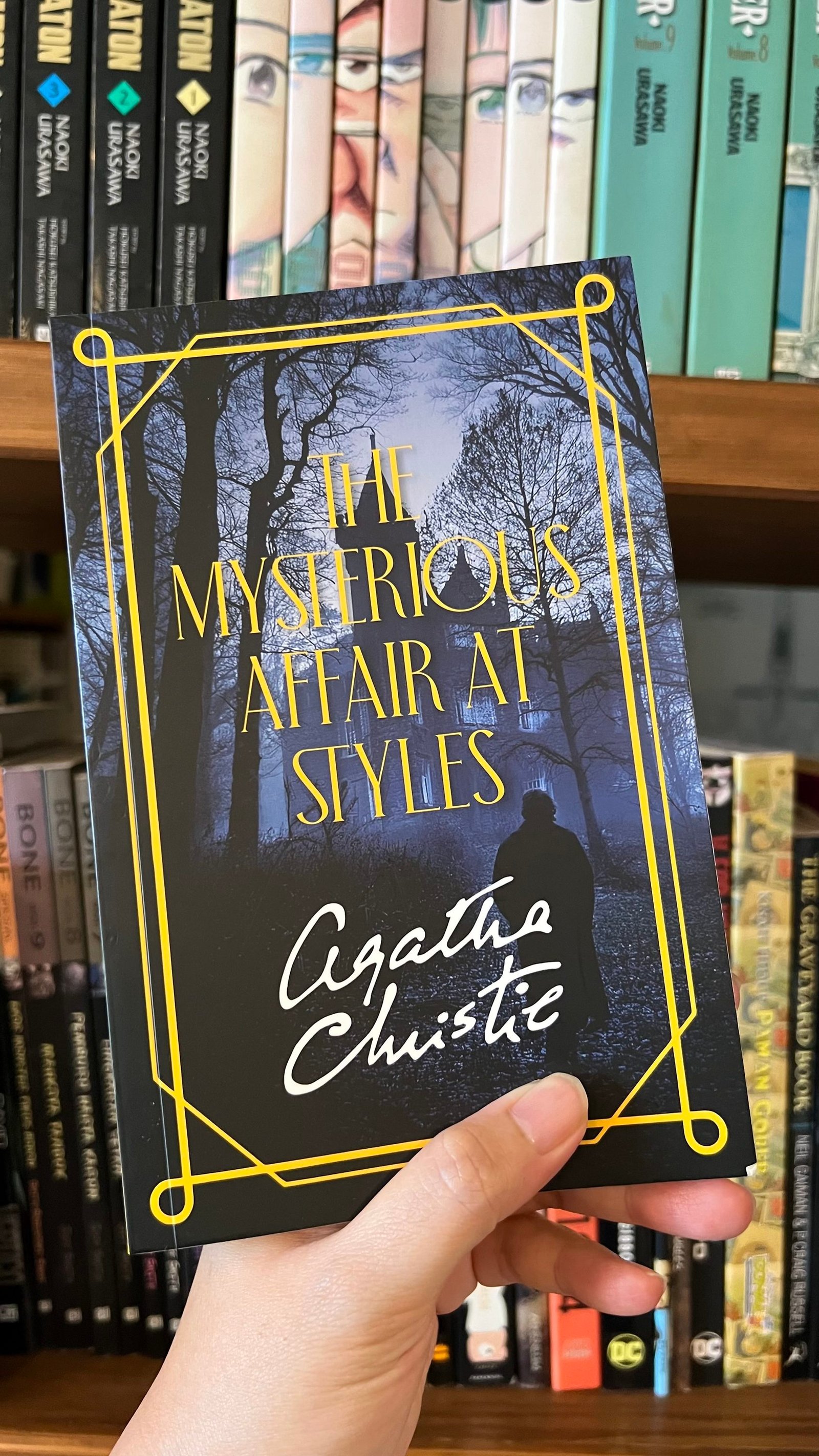
  • When reading “The Mystery of the Blue Train”, I learned that Agatha Christie’s, and Hercule Poirot’s, very first debut novel was “The Mysterious Affairs at Styles”, so naturally, I cracked open the book to see more of the introduction of the great detective.

    I must say, Ms. Christie definitely opened it with a bang. Right away, smack dab in the middle: A murder in a closed, locked room. Fans’ favorite. I love how this type of case was the starting point for Agatha Christie, as she then proved to be one of the experts, if not the expert, on closed-room murders. That said, considering this novel was her debut, things were still quite… a lot. So many elements moving and going; Lawrence Cavendish stood over with such horror on his face, the matter(s) with cocoa and coffee, so much strychnine, fight 👏 fight 👏 fight, burned documents, missing keys, espionage, and l’amore.

    Not as bad as the Screaming Marmot meme, I did find myself going, “HMMMMMM?! HMMM???!!!” whenever I see Hastings simping (sorry, can’t help it) over Mrs. Cavendish. First, dude, she is your friend’s wife. WIIIIFEEEE. W-I-F-E. What was it? Oh yeah, matrimony bond, witnessed by humans and God. Why are you simping on her it’s beyond me. Was it fashionable during World War I considering so many men were being sent to the frontlines, I don’t even know. Then, just like flipping one’s hand, this man, Hastings, suddenly proposed to Cynthia Murdoch just because she said that Hastings “has always been so kind, and you know such a lot” and he saw her “with the sunlight glinting down on her head”, which was enough for me to yell, “WHAT THE ACTUAL F–” which I couldn’t continue because I was in the middle of a pedicure session.

    That said, yes, I know, debut novel. Yes.

    My favorite part of this novel, though, is Ms. Christie’s knowledge of the procedures; started from the autopsy, the inquest, and when Scotland Yard got involved. I also loved the fact that Ms., Christie had been so true on writing about her women characters, and how complex the women are. I also mentioned about how often the fatal poison, strychnine, mentioned in the novel, and I got so glad that Poirot admitted that, too.

    “I do not know,” said Poirot. “But one thing does strike me. No doubt it has struck you too.”

    “What is that?”

    “Why, that there is altogether too much strychnine about this case. This is the third time we run up against it.”

    — Chapter 10: The Arrest

    This novel also taught me an important lesson: Hercule Poirot is an immigrant.

    “Yes, my friend, she had kindly extended hospitality to seven of my countrypeople, who, alas, are refugees from their native land. We Belgians will always remember her with gratitude.”

    — Chapter 2: The 16th and 17th of July

    Abolish ICE.

  • “It’s that yoga-kind of day.”

    As someone with a chronic condition of overthinking and anxiety like me (please note that I have never been formally and medically diagnosed, so I’m not going to say that I have an anxiety disorder. That said, yes, I tend to worry about everything), it has been difficult for me to find a suitable exercise to keep me healthy. People have been mentioning about “runners’ high” or “dopamine hits”, but not me. I have never been able to find the joy in jogging, let alone running. I loathe zumba class (I attended to a couple of sessions until I decided to quit), and I avoid gym sessions. I always ended up tired, pissed, sweaty, stinky, even more pissed because I got sweaty and stinky, and hungry.

    Swimming helped me a bit… ish. Yes, it’s quite relaxing as you glide in the water and feel the cool water around you when it’s summer and hot outside, but I always got that small voice in the back of my mind, nagging, with its tiny squeaky voice, “what if…?” or “hey, you forgot this…”

    Recently, though, I saw a video on Instagram (I forgot to save it) that mentioning something about exercising for people with “a lot of thoughts in their mind”. I remember the vlogger mentioned something along the line of, “what they need to do is to regulate their nervous system so their brain won’t have the time to ask questions. Doing repetitive simple movements that not making them push themselves physically too hard usually helps.” What the vlogger said then reminded me of Qi Gong type of exercise. I’m quite familiar with this type of exercise, thanks to Xiaohongshu and watching older folks moving during my morning walk in the park.

    I then decided to give the exercise a try. It did help, though. I usually do the simple movements when I feel everything is too much for me, be it mentally or physically. Be it reading too much bad news about Indonesia or a really late bedtime. I feel that rather than not doing anything with the excuse of “I feel tired because I slept super late/I feel hopeless after reading another horrible news from Indonesia”, I could do something, such as waving my arms left and right while doing a tiptoe movements on my legs. I usually feel better afterwards, and more energized. Sometimes, I followed it with a quick simple yoga session or a walking pad session.

    In case you are curious, you can check out this video:

    I also found that the routine taught me to be more patient with myself. Some days, I could only managed to do a 10-minutes simple routine. Some days, I could do a yoga session without forcing and pushing myself. Today is one of those days.

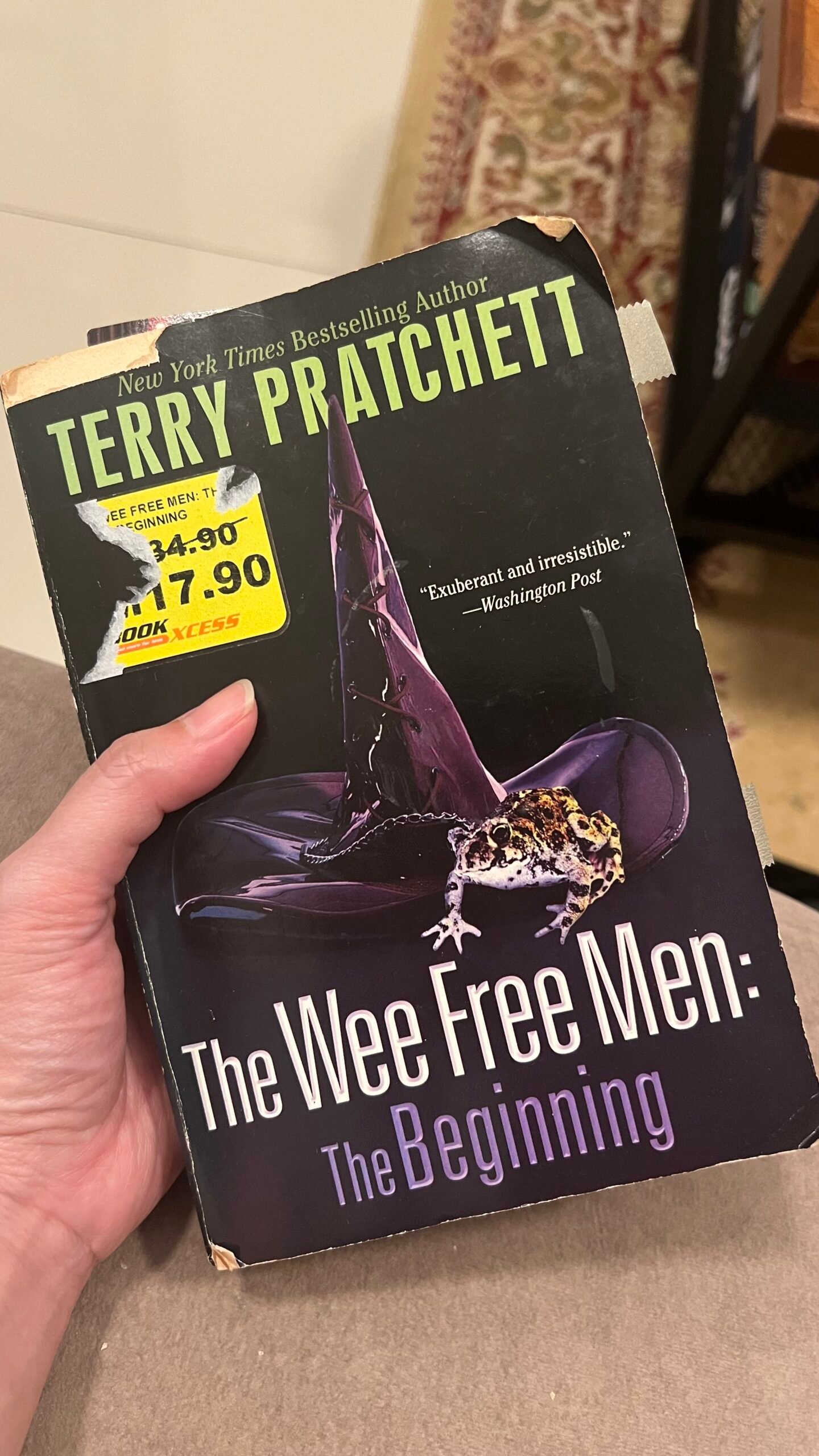
  • I found it interesting that Terry Pratchett had been so good in writing down poignant thoughts that would make you pause and think, without him being preachy. This book reminds me of Studio Ghibli’s movies exactly for the same reason. The ideas are always oh so subtle, but it made you feel a certain way about how you used to be and, hopefully, a gentle nudge to be better.

    My first introduction to Terry Pratchett’s work was the novel “Good Omens”. I love how “naive” the characters always are, regardless of their omnipotent status or power. Who can forget Death’s answer when being asked, “you’re Hell’s Angels, then? What chapter are you from?” with “REVELATIONS. CHAPTER SIX.” It’s always that “good intentions”, and we all know that the road to Hell is paved with Good Intentions. Hence in this novel, I was delighted when I saw Death’s greetings, “GOOD AFTERNOON.”

    Tiffany Aching is a really interesting character. I love how imperfect she is. She knew she didn’t love her brother, Wentworth, at least not the kind of siblings affection, but she knew she’s selfish by stating, “my brother!” in front of the Queen of the Faeries. Her imperfections were not her weapons or “that cute side of her”. It was her side that she suppressed because society asked her to “love and care” her siblings, no matter how annoying (and sticky) they are.

    I also love how vivid the places and the emotions were. I know Terry Pratchett was good, but never realized he was this good. He wove words and sentences to express something in an abstract yet really clear in our mind. For example, a “cold and thin feelings inside the chest” to describe homesickness. He also respected his characters. No character is too small for him, and it seemed like he always made sure each character, even the background ones, would have something to do or say. My favorite part: When the Nac Mac Feegles fought and bickered with each other when they disguised themselves as a “human” in “A Hat Full of Sky”.

    I wish I could write more about this book. Unfortunately, this book is too vast and too rich to be summed in one blog post. At least for now.

readme.txt

This is my personal blog, so anything goes. This blog has been around since 2014, which means you would, and could, see my past writings with different perspectives and mindsets at that time. This blog is a record-keeping of what I was, what I am, and what I will be. What I wrote in the past might not reflect who I am right now, nor me revisiting the topic.

While things here are generally PG-13, I must remind you that I’m an adult, which means some topics might be too heavy for younger readers.

Listening