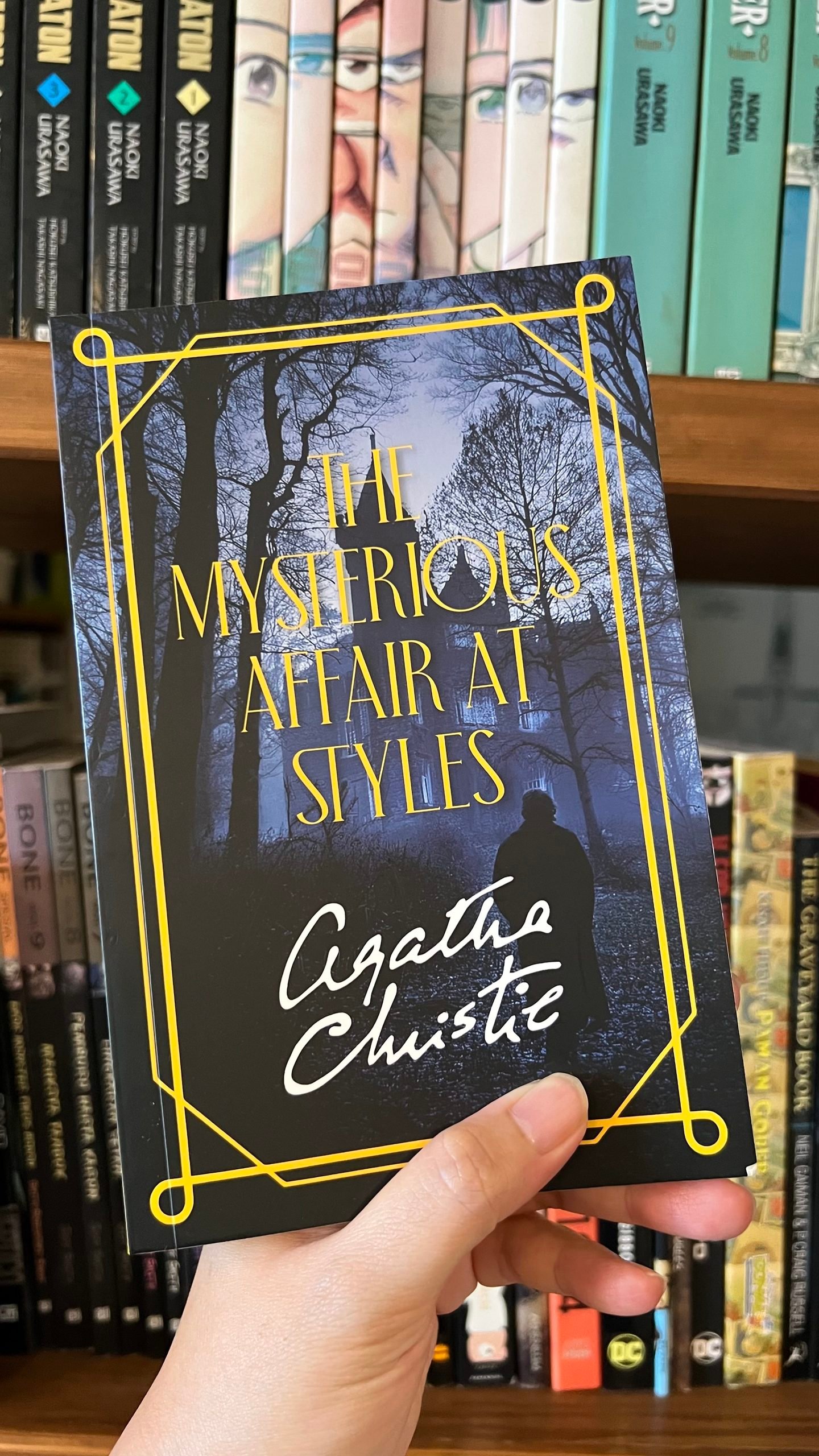
• “And now, I need Agatha Christie.“

    I wrote, and said that, to myself when I closed the latest book that I read; a popular work of “murder mysteries” which somehow signed as horrors, and a confirmation that one should start writing on their personal space first before trying their hands to publish a publicly available book. Or choose a stricter editor.

    So! I have two more boxset of Agatha Christie’s works here:
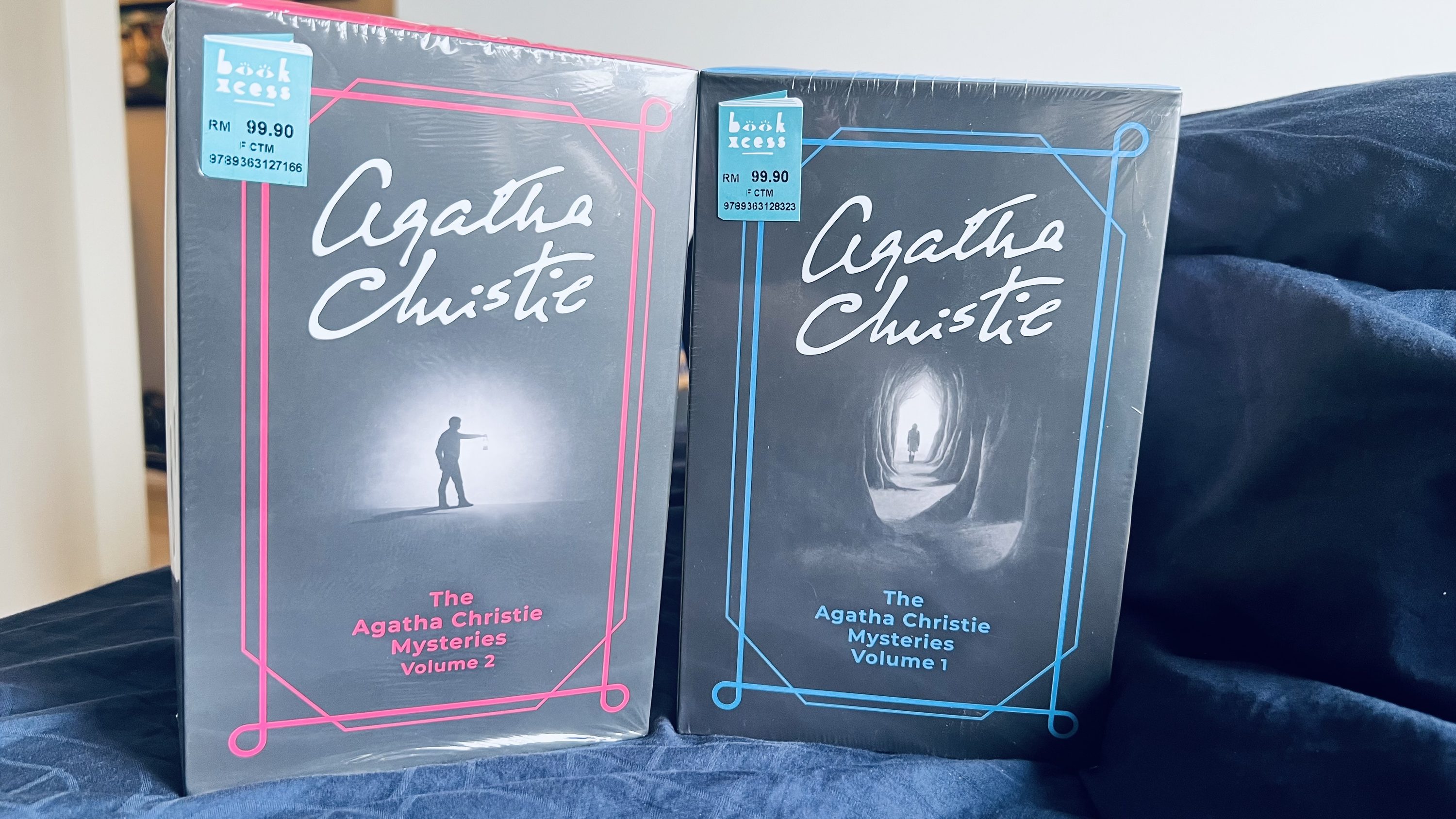
    Each box consists of five novels. I then started with boxset Volume 1. In it, there are five titles: “The Mysterious Affair at Styles”, “The Murder on the Links”, “The Murder of Roger Ackroyd”, “The Big Four”, and “The Mystery of the Blue Train”. I chose “The Mystery of the Blue Train” as a start because, uh, trains. While I’m not well-versed in trains and train engineering technically, trains have a soft spot in my heart. Midway in reading, I just realized that the first book that Agatha Christie published was “The Mysterious Affair at Styles”, so, well, oops. I’m going to read that one after this.

    Then suddenly Katherine had a very curious sensation. She felt that she was no longer sitting alone on the seat in the Casino gardens, but that someone was standing beside her, and that that someone was the dead woman, Ruth Kettering.

    — The Mystery of the Blue Train: A Warning

    I found it unusual to see a supranatural element, or any of it, on Agatha Christie’s works, but I genuinely appreciate her skills in putting together this fleeting otherworldly scene with a tight-knit explanations and logic. Perhaps, this is her way in showing Katherine’s keen senses, considering Katherine’s previous job as a companion for old ladies and her skill in listening to others, including her surroundings.

    That said, I first thought “The Mystery of the Blue Train” would be similar to “Murder on the Orient Express”; a draft, if you will, considering the latter was published in 1934, a good six years after “The Mystery of the Blue Train”. Perhaps, perhaps, the idea sprang from there, I guess?
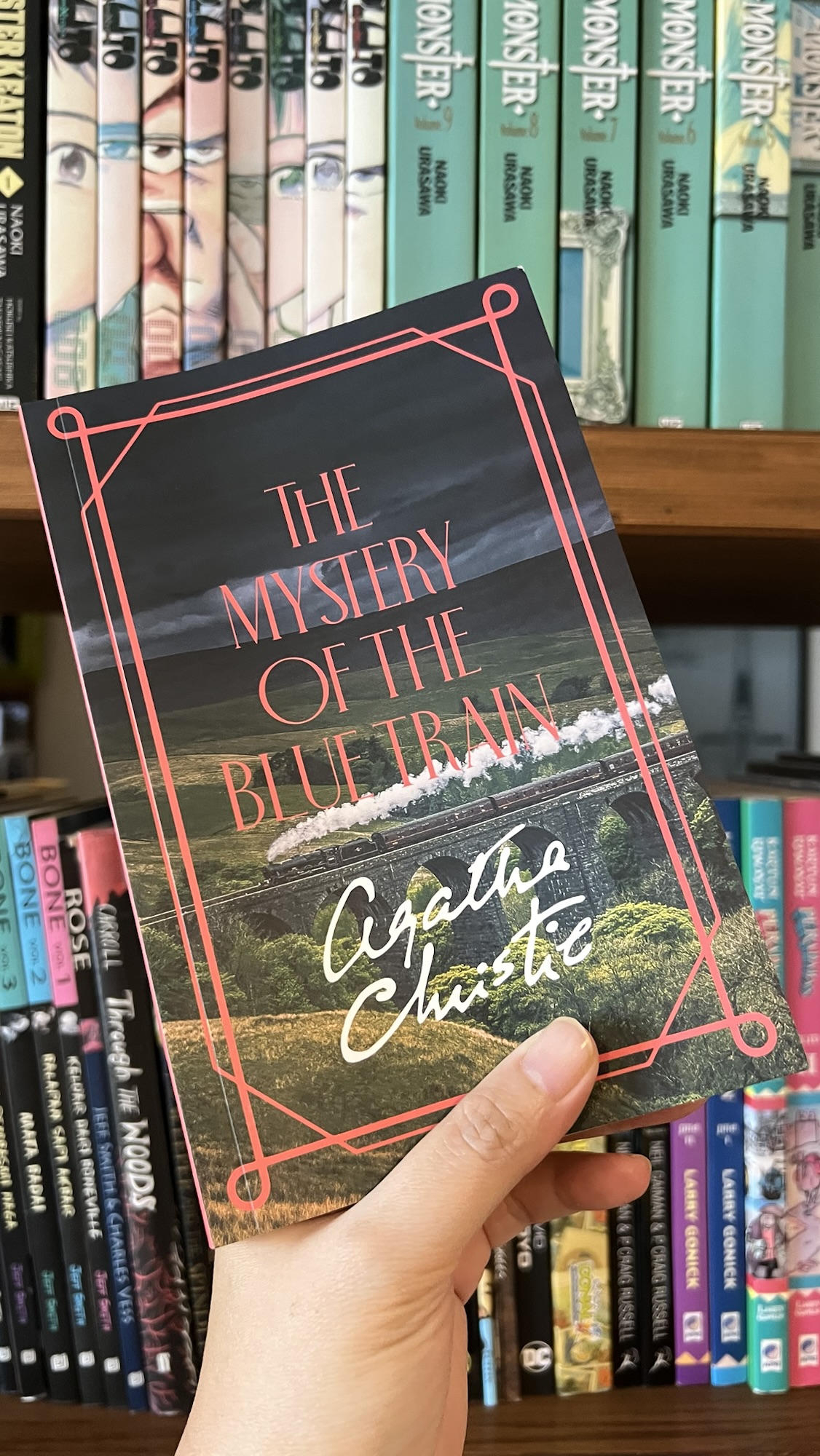
    Throughout this novel, I got brought back-and-forth from Paris, the Calais-Mediterranée Express, and the French Riviera. Honestly, the only bad influence this book gave me was another itch to travel using luxury trains.
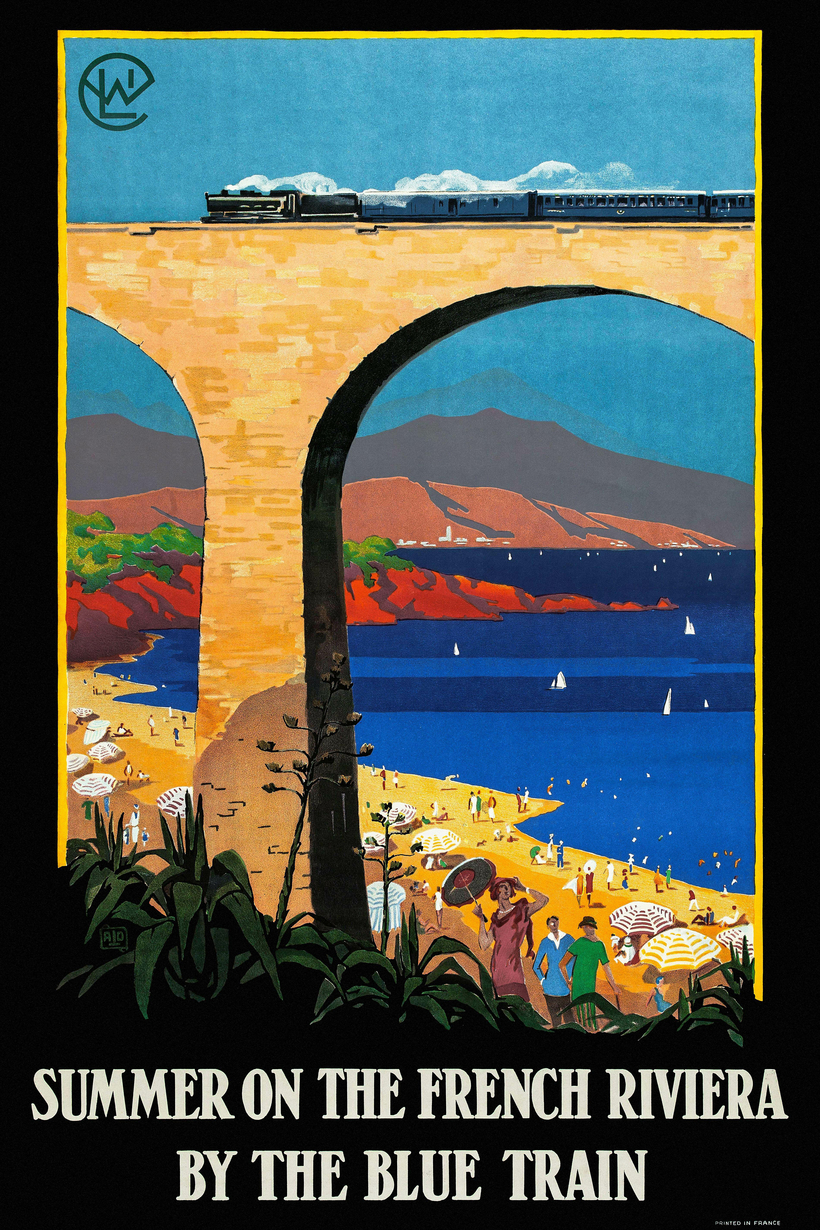
    Source: Exiled in Style

    I live in the tropics, so it’s not hard to imagine the mighty sunshine pounding down the white sands and azure seas, hahah! It makes me miss Langkawi, honestly.
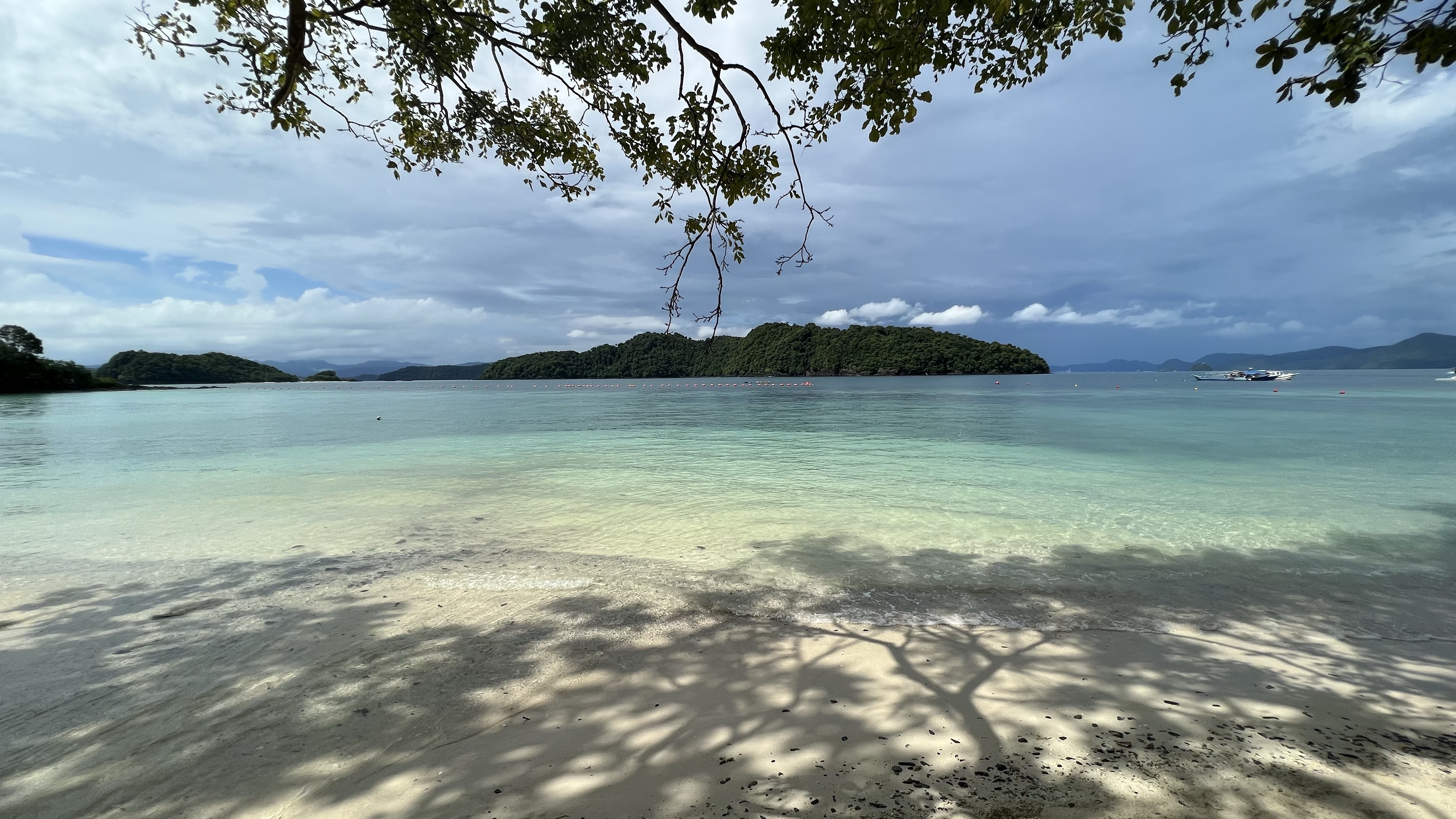
    Back in 2022. I miss this view so much.

    I also love how the characters in the novel were introduced in such grace and without a rush. We saw them entering a building or enjoying lunch. I love how restrained and controlled the plot feels. In some scenes, we see the characters took their time. In others, we see furnitures flung around.
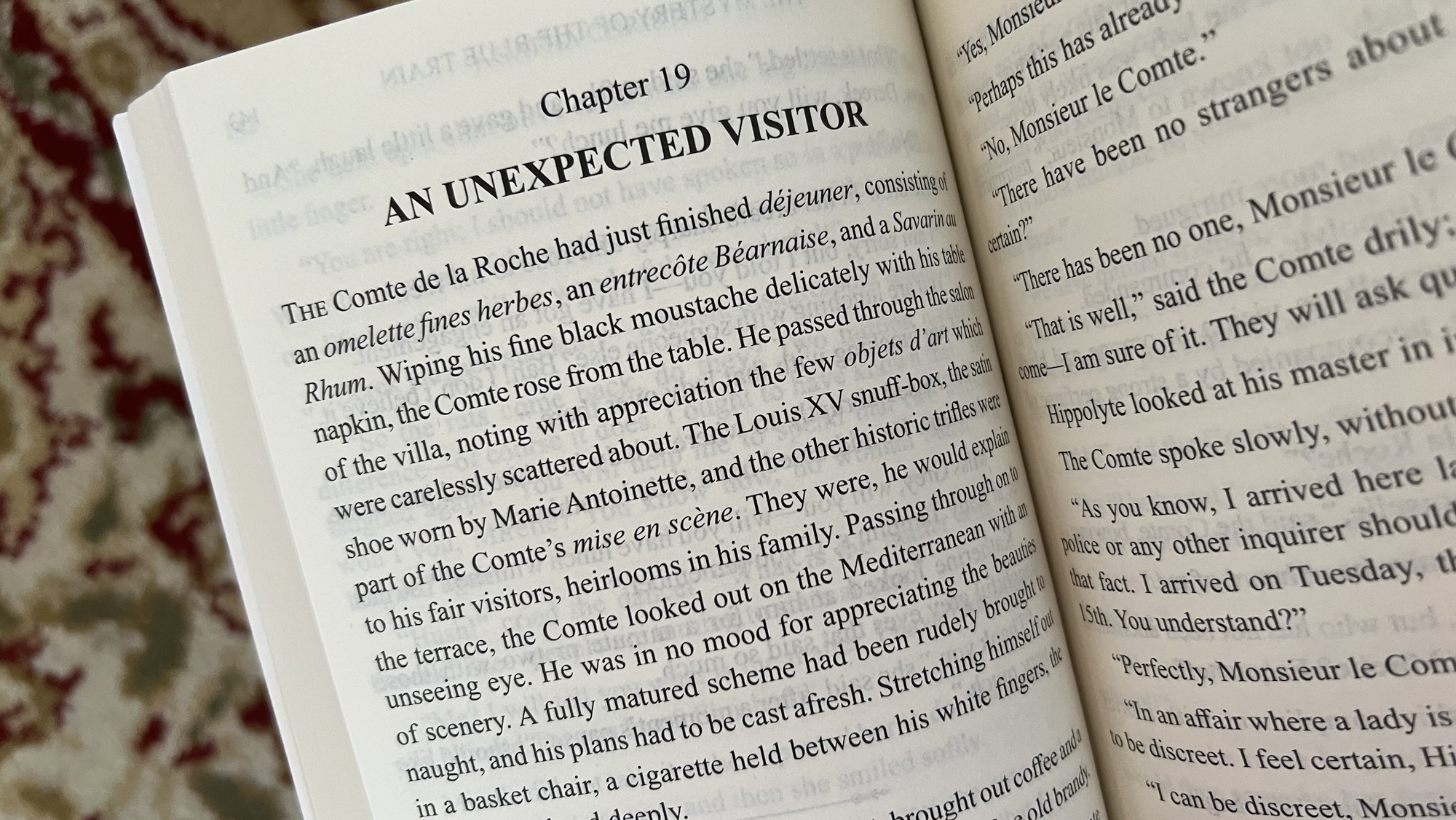
    I love how unhurried this scene is. After having myself reading Uketsu for three consecutive days, this is a much needed leisure walk.

    One thing that interests me was the introduction of the character Lenox Tamplin. Somehow, her character was portrayed as less than favorable here.
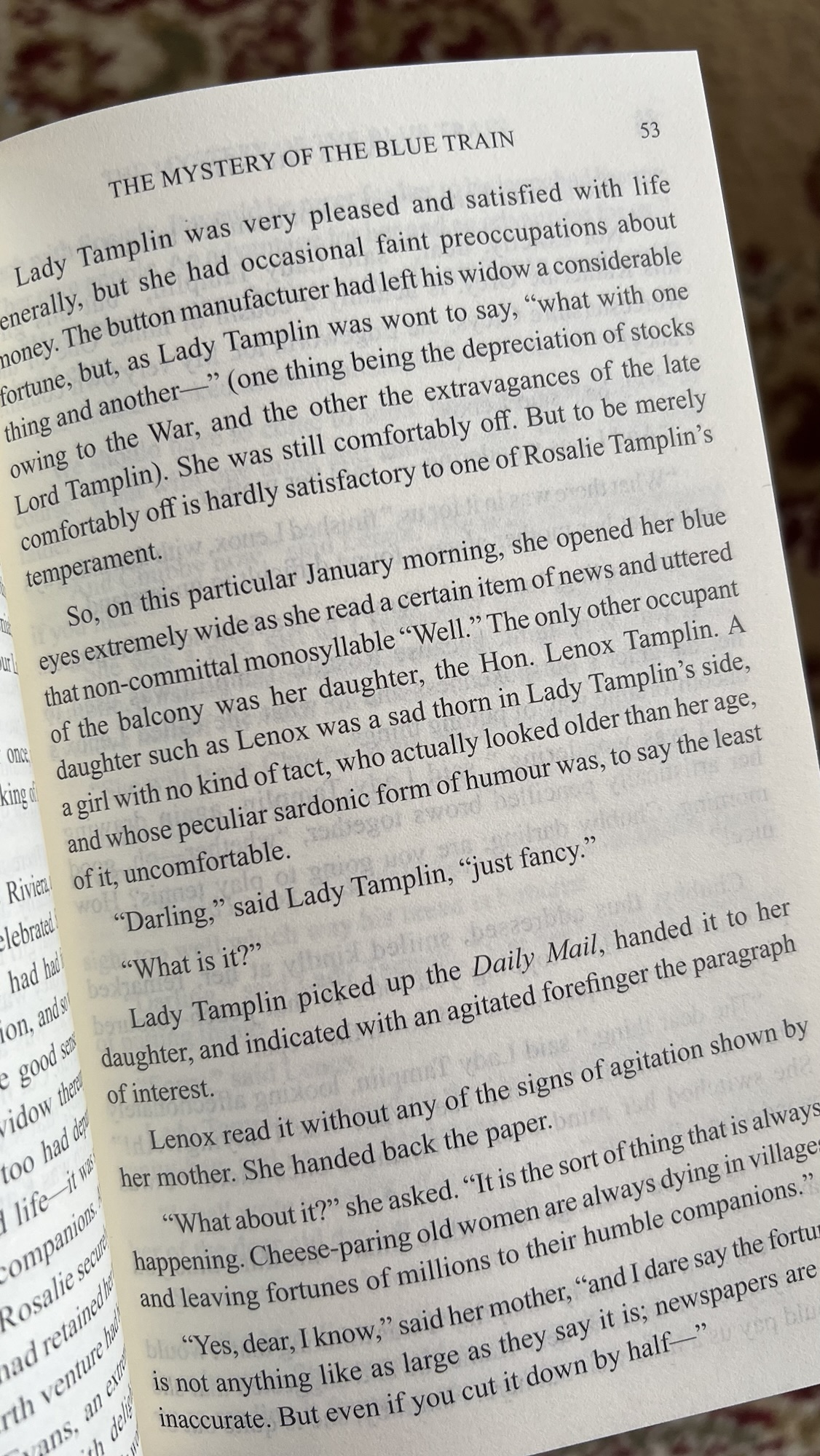
    The only other occupant of the balcony was her daughter, the Hon. Lenox Tamplin. A daughter such as Lenox was a sad thorn in Lady Tamplin’s side, a girl with no kind of tact, who actually looked older than her age, and whose peculiar sardonic form of humour was, to say the least of it, uncomfortable.

    I legit thought that her character would be on par with The Bennets women from Jane Austen’s “Pride and Prejudice”. Who can forgot how Mrs. Bennet and Bennet sisters (except for Elizabeth and Jane) behaved during the Netherfield Ball, amirite?

    So. Yeah. I was surprised to see how… pleasant Lenox is. She’s someone that I wouldn’t mind to spend summer in French Riviera, for sure! I love her jabs and quips whenever her mom starting to show her readiness to pounce at anyone with slightly thicker pockets around. Perhaps because I looked at her character from my 2026’s perspective, which made me feeling fond of her. Lenox, they would love you here in the future.
  • “It was clear you were so annoyed with the previous two books. Why are you still try reading this one?”

    “Each one of them is RM 70 at Kinokuniya. Times three, RM 210. That alone can buy all four of us decent meal at Salmon Dee Kap. I have to finish this.”

    — The conversation between Ari and I last night when he saw me entered Screaming Marmot mode yet again

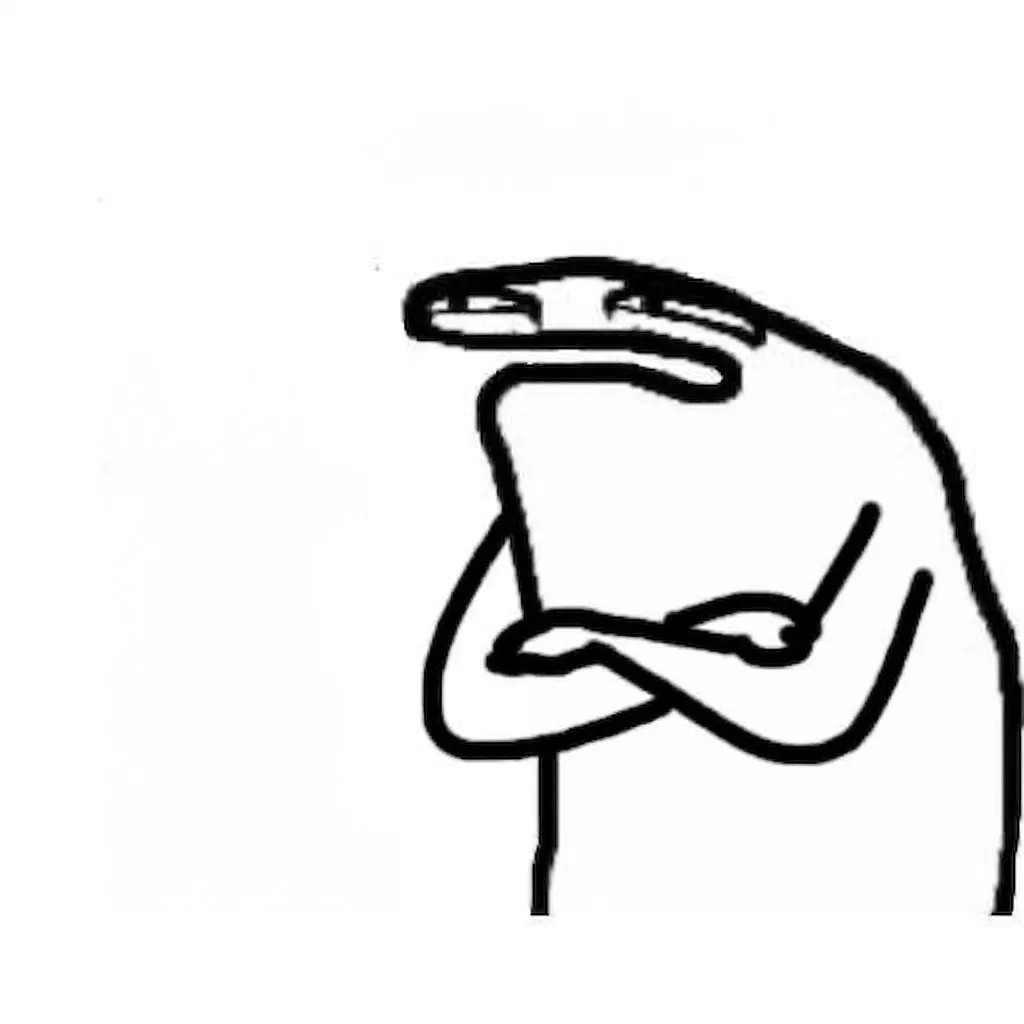
    Okay, you know what, Imma just going to use a meme here.

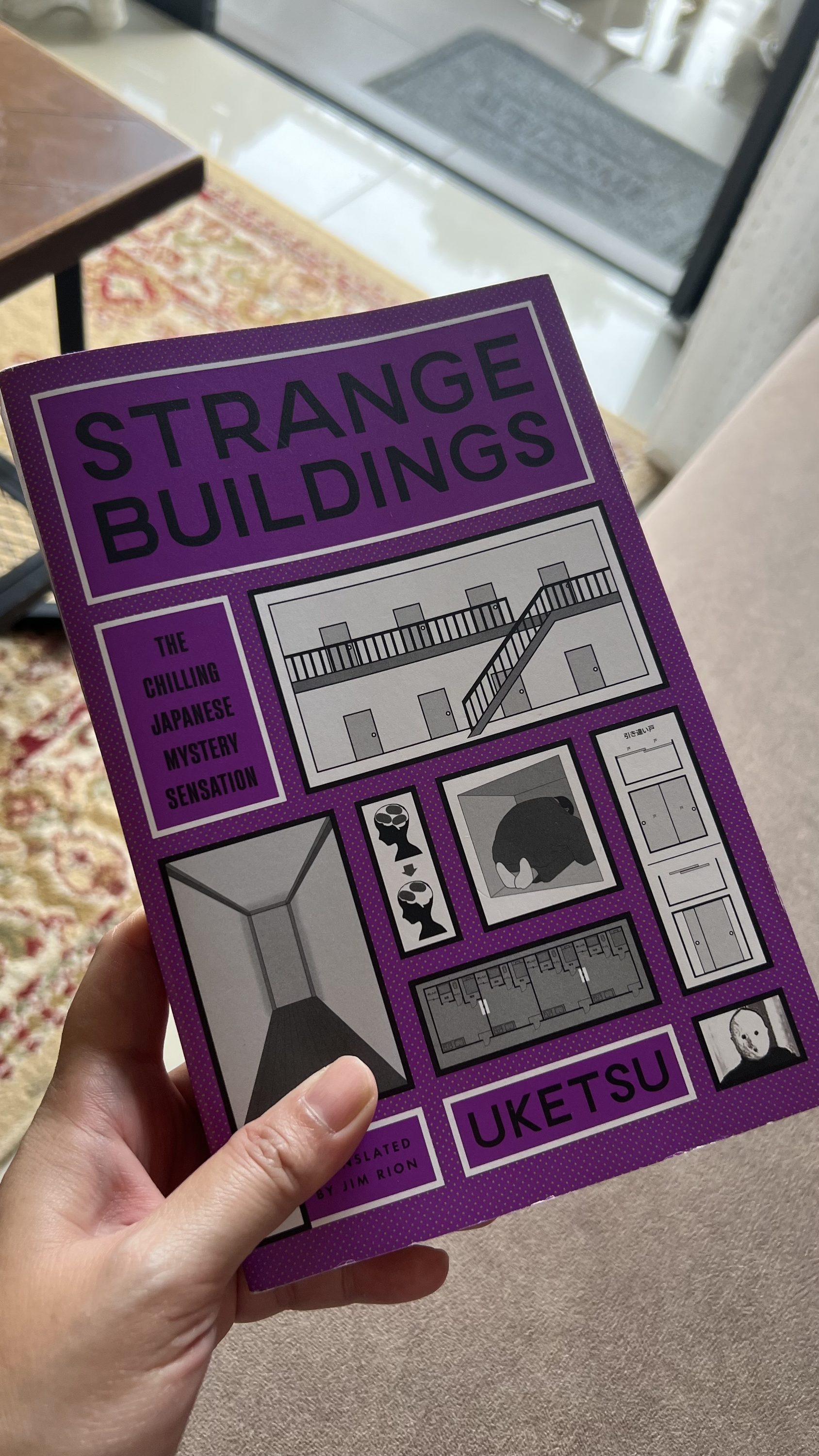
    “Strange Buildings” consists of eleven seemingly-separated cases of, well, weird house/building plans that ended up interconnected as one huge case (hence the meme). It’s also titled as “Strange Houses #2”, so, yes, the conversationalist-style is back.

    That said, I noticed more improvements on this novel compared to “Strange Houses”. The scenes depicted were more detailed and the dialogues were not as choppy as before. “Strange Houses” felt like the first draft, and this novel felt like the said draft improved after good several sessions of feedback and meetings with the editor.

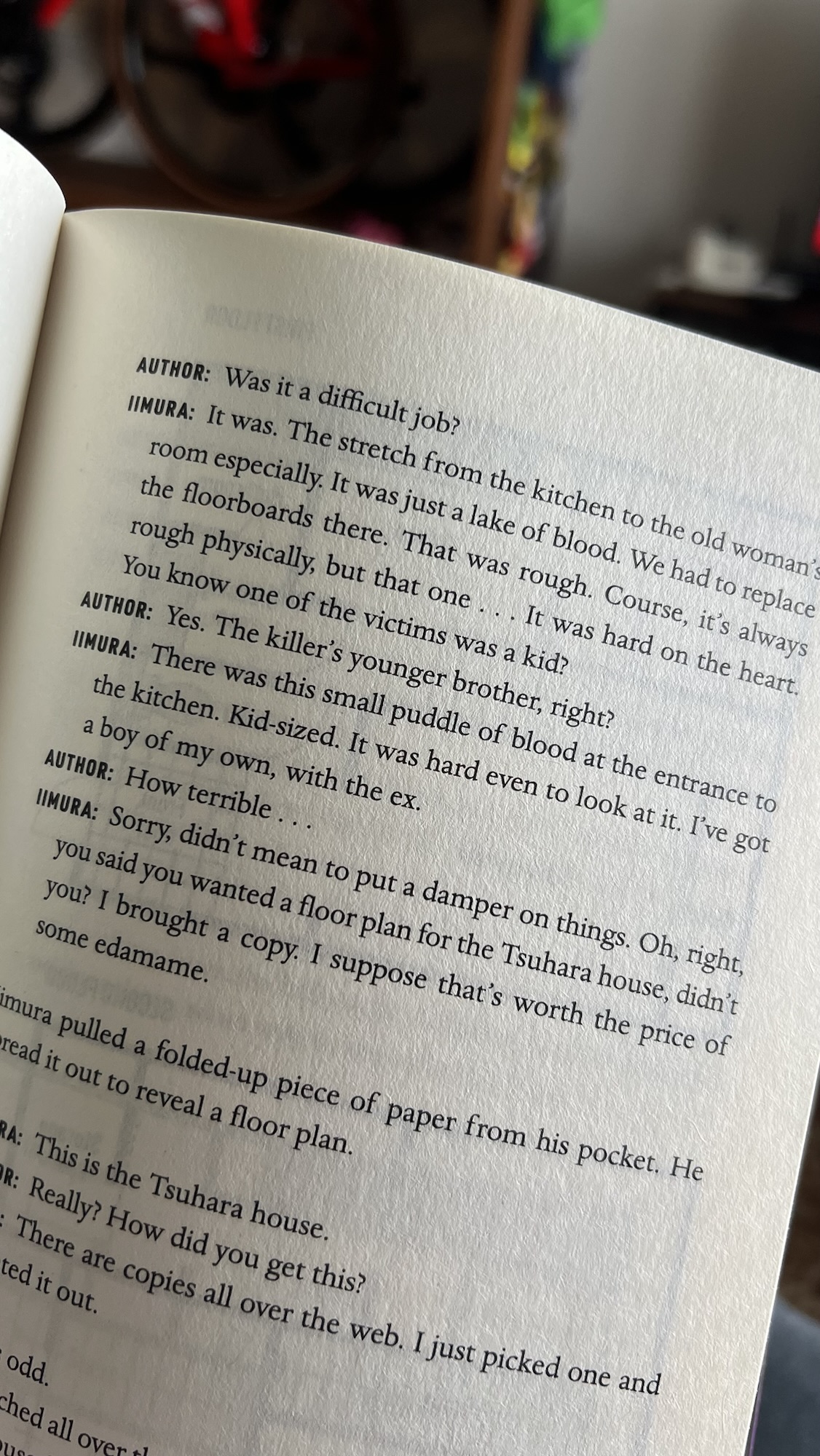
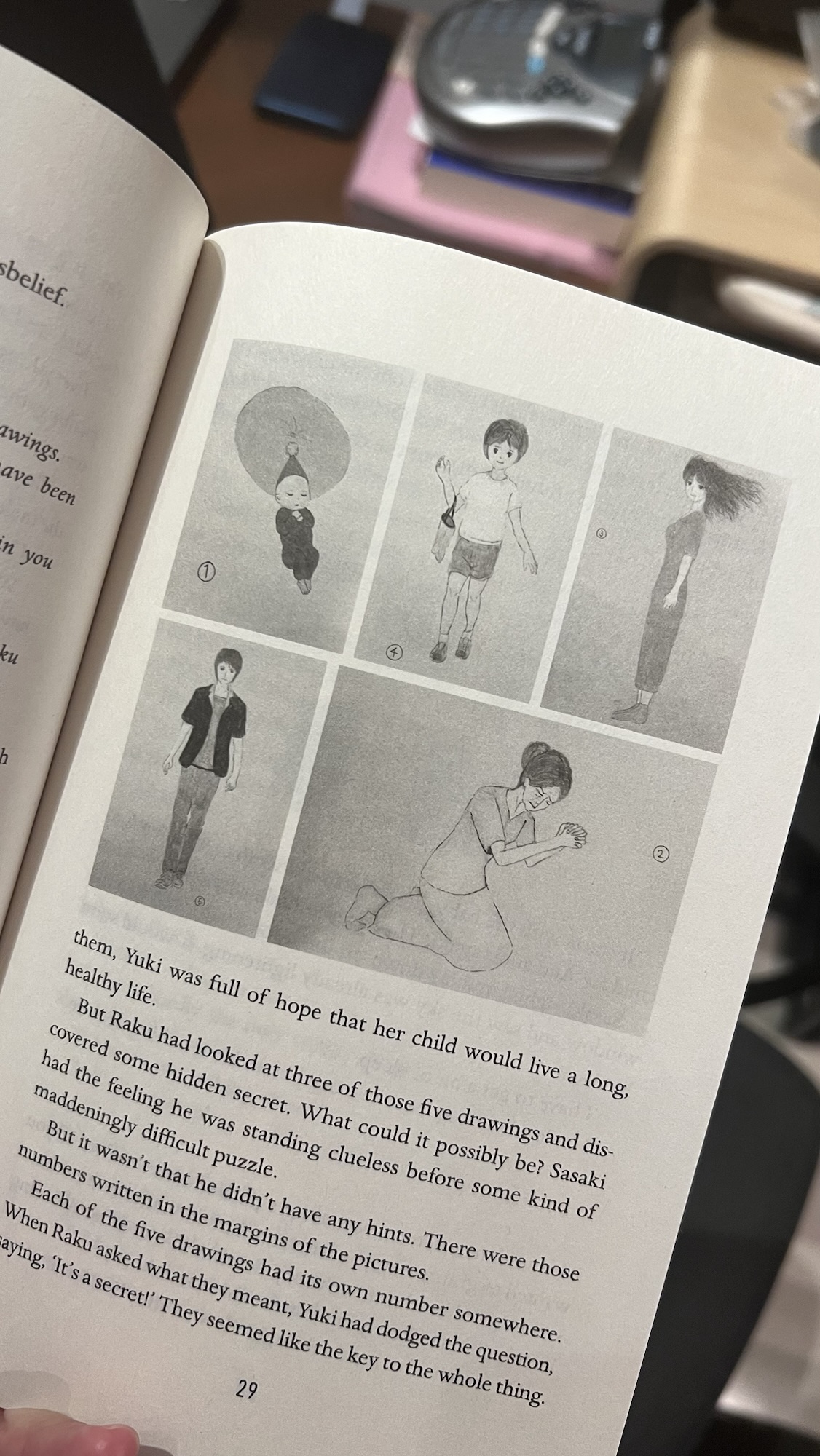
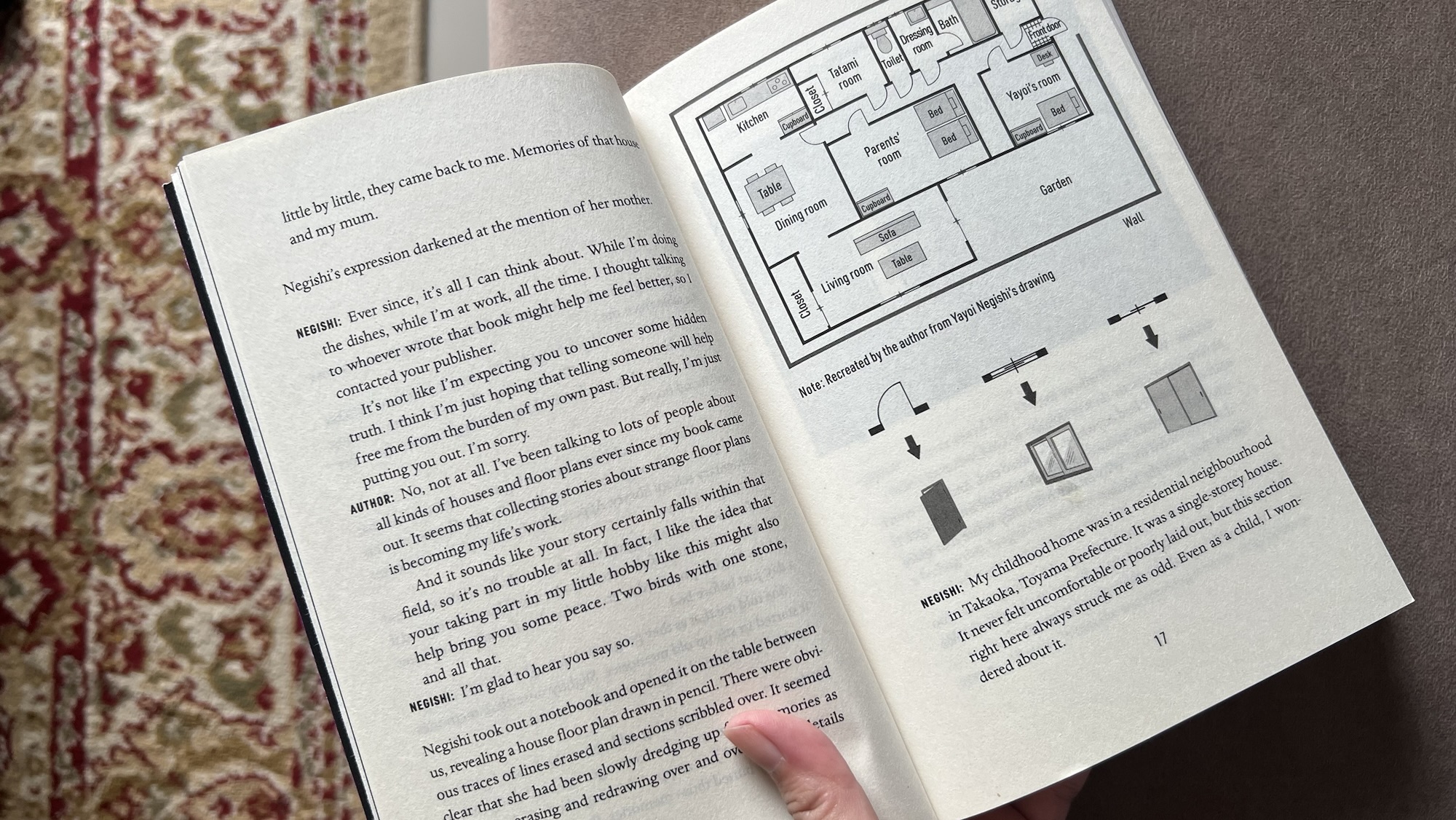
    In fact, my favorite part is this one, on the File 2: Nurturing Darkness.

    In “Strange Houses”, such off-hand ramblings like this wouldn’t appear anywhere on the novel. Everything was smack dab bam pow right-to-the-point, and that was one of the weaknesses of the novel; that’s why I was pleasantly surprised to see the dialogue between the Author and Iimura-san happened in this way for this novel. It gave such a breath of humanity on the character. It also makes the prose less juvenile.

    Now, I still wouldn’t give this novel a pass, mostly because I found that the whole thing was… … not my cup of tea. With the risk of spoiling the story, this novel is built around a cult and conspiracies, and I really can’t relate with it. I might can relate and enjoy it when I was younger, like, what, 20-25 years ago? I was neck-deep in conspiracy theories and Nostradamus at that time. Now? I found myself yelling while reading this on how these characters would be better off if they would just go book an appointment or two with psychologists or psychiatrists and save everyone’s day, much to the terrified looks from my husband and kids because it’s very very rare of them to see me reading book and being agitated.

    I also took offence on how this book wrote such abuse inflicted upon women, yet it ended up making the victims became responsible for the whole saga. Most of the times, I felt like this “macabre and thrilling!”-aspect of the book was written for shock value only. As “hook”. As “something to keep the audience engaged amidst the sea of algorithms”. There, I said it.

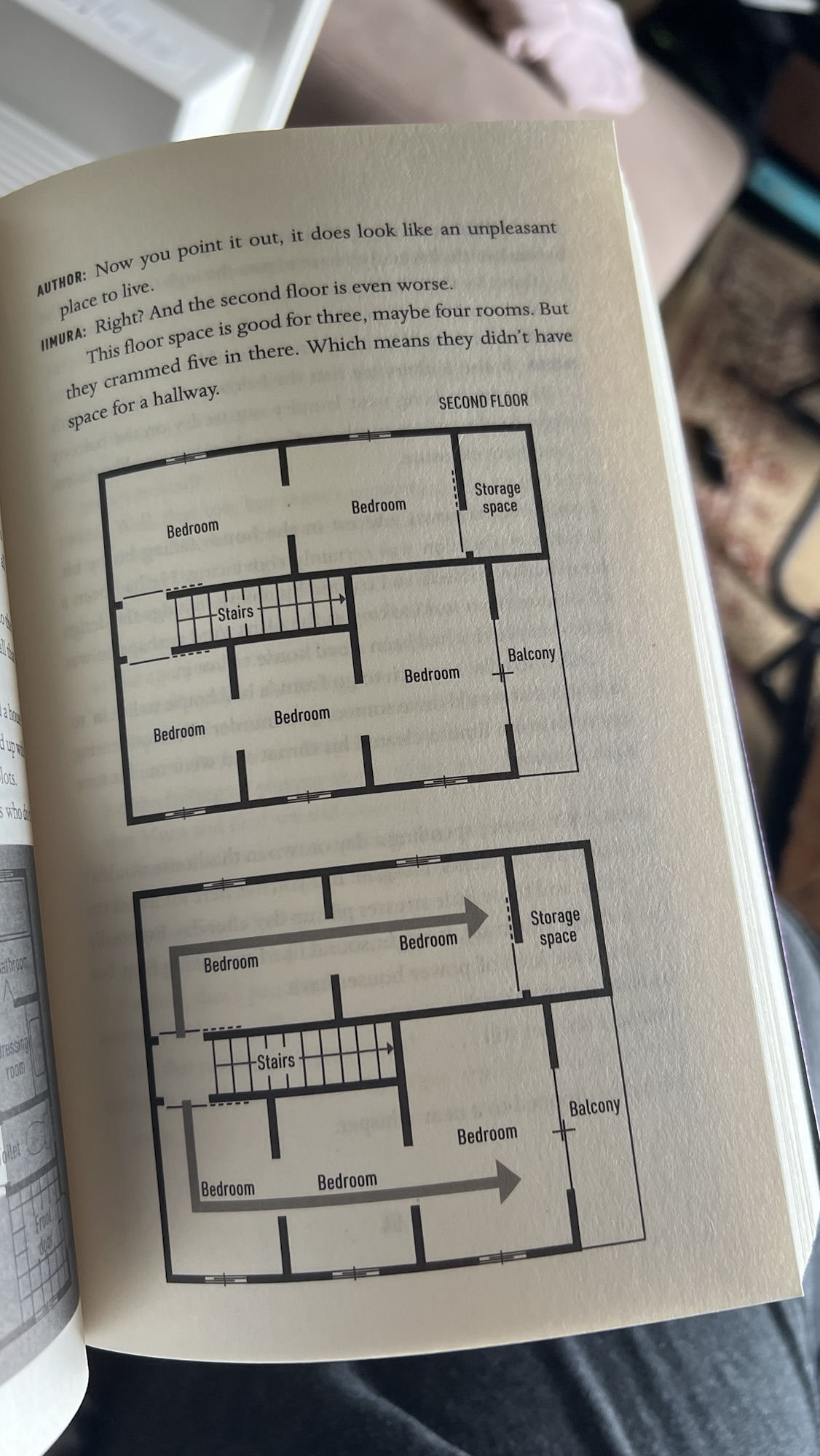
    When I wrote about “Strange Houses” a couple of days ago, I approached Uketsu’s background as a YouTuber with neutral feelings, but now I wonder if their job as a YouTuber made them feel that they have to spoon fed their readers all the time, or if that’s how their audience and fans are right now: Things need to be simplified with big letters and arrows. A lot of the situations on the book were perfectly okay in text, yet we kept getting “here’s a chart! Here’s a graphic to show you!” multiple times.

    Now that I have read the whole series (I hope), I would say that this series would suit well for young readers/teenagers, especially those who enjoyed mysteries, with a large caveat that if you are hoping stories with well-written characters and solid plot, this series would still have a long way to go. This series might also fare better had it been presented as manga series instead of text-based novels like this, which, they have done it. I would suggest you, whoever haven’t read this series in novel format, to just skip the novel and jump to the manga. At least that would lessen the awkwardness and weird pacing. Also, the author and their editor might want to ease off on the left hand business-thingy. At this point, I wonder what did their left hand has done to them, considering the weird laser-focus on this part of the body on two novels.

    And now, I need Agatha Christie.

  • Yes, the second book of the trio.

    Just like its siblings, I qualified this book as a quick read. I spent roughly 90 minutes reading this one, post-dinner. After two books, I found myself asking this question: Horror where?

    I… don’t understand why they marketed the trilogy as horrors. I’m a wimp, and I even found “Scary Movie” franchise still scary, so it took quite an undertaking on my end to brave myself getting this book (well, mostly due to the booktok had been hyping up this series) and I admit that I feel relieved that whew no ghost.

    In terms of writing technique, the second book is more fleshed out than the previous one, “Strange Houses”, for sure. We no longer see the conversationalist style and we got proper paragraphs and dialogues.

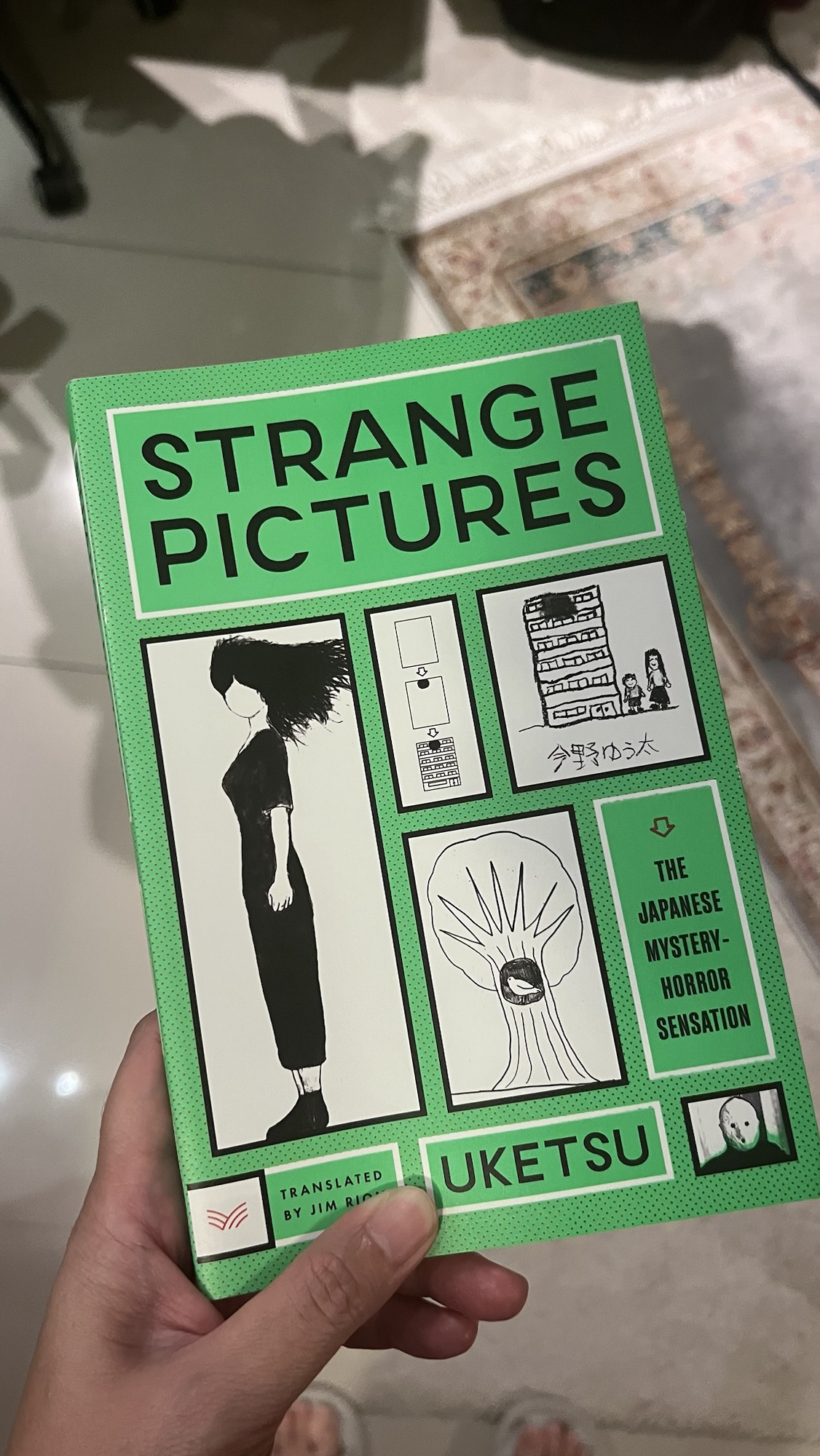
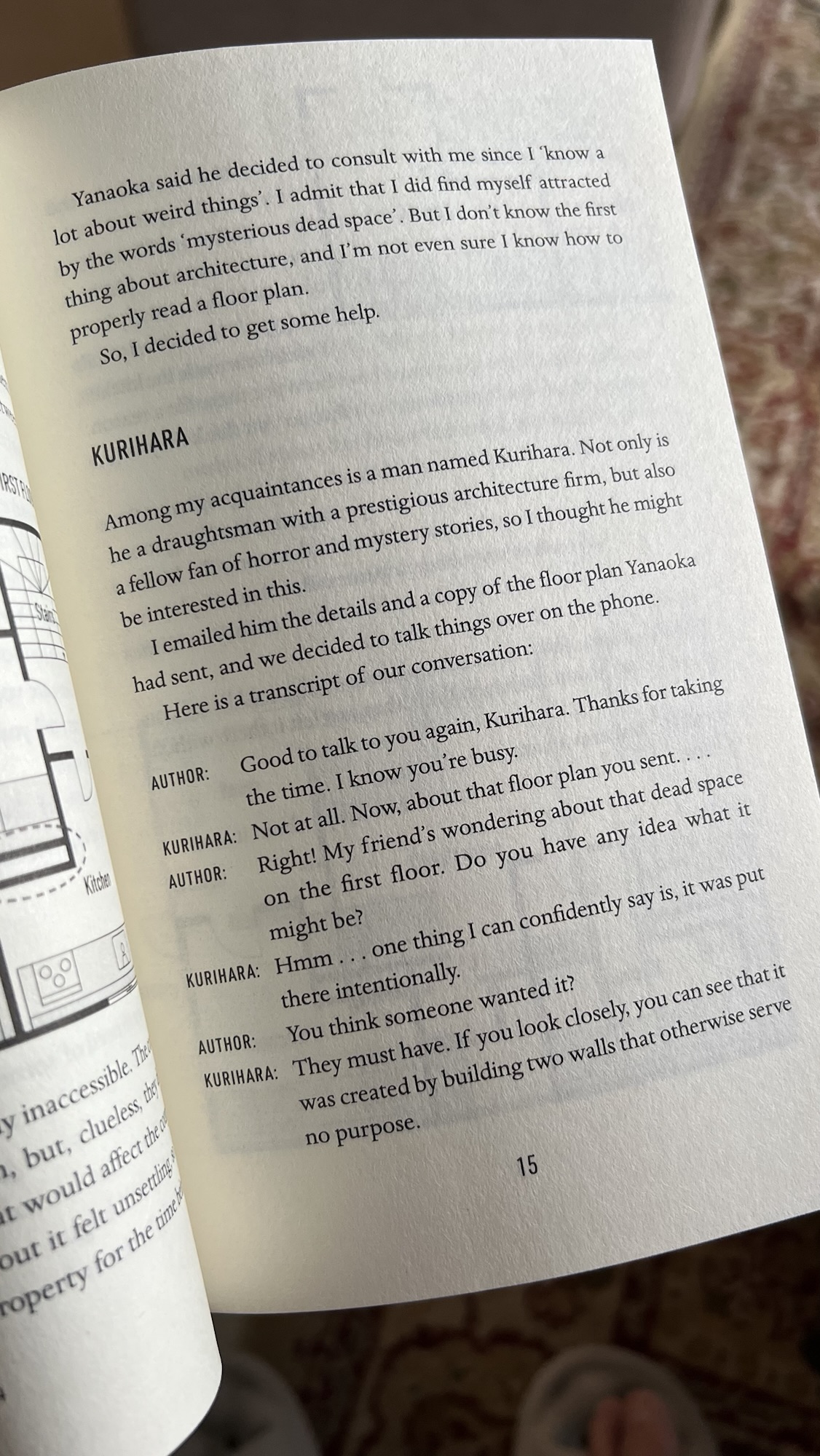
    And just like the title suggested, the main focus of this novel is the pictures that “mean more than what they seemed”.

    So! Do I find this book better than the other one? In some ways, yes. We see the story shaped better with more information and details, and I particularly loved the characters’ depth at the latter part of the book. It looked like Uketsu was “in the zone” when they wrote that part, because I could sense the emotions evoked from the pages and the struggles that each character is facing.

    However, I am still unable to get myself immersed in the mystery, simply because of how convoluted and weird it was, in a not-so-great way. Too many things going on and too many “clues and directions and misdirections”. Yes, murder mysteries and thrillers need to be tricky and convoluted, but this one was just… Too much, in a sense of too preachy. Instead of having the readers actively joining into the case, this book feels like asking for the readers to take the sideline and be a passive spectator.

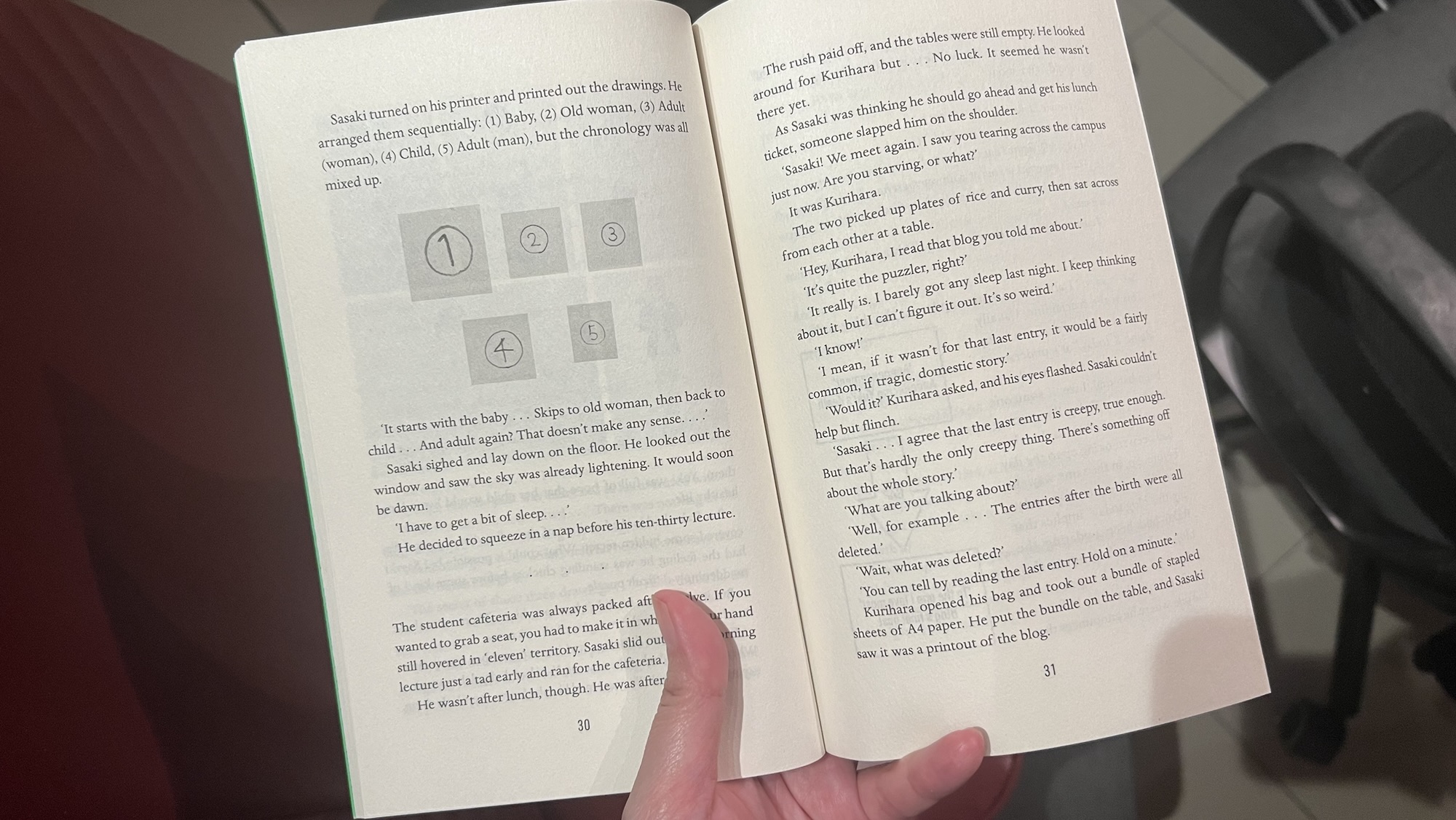
    Now, speaking about misdirections, remember how I asked for red herrings on my previous post because we the readers need some misdirections for the grand twists? I wonder if Uketsu attempted to do this on this book. Ironically, instead of a proper red herring, it was… “even if that thing was not there, the story can still progressing nicely.” Especially on the chapter on the apartment building picture. It was… WHY is that picture even there with such weird drama surrounding it? The pictures used as the center of mystery feel so gimmicky and forced. It feels trying too hard to be smart, but ended up causing confusion and a lot more “uketsu strange pictures explained” search keywords on Reddit. I legit turned into the Screaming Marmot Meme mid-reading. I was that frustrated.

    Also, the words. I don’t know if it’s because this novel is a translated work, but the words used are so… simple. It was painfully simple, it felt juvenile. I’m starting to think this is Uketsu’s style: Juvenile readers. In a much sinister approach, I genuinely feel that this series is like a first-draft-but-publish-it-at-all-cost, and honestly, I feel it’s an insult to the readers and those who genuinely enjoying horrors, thrillers, and murder mysteries. I don’t know what happened with Uketsu, their publisher, and the marketing in general, but I daresay that this kind of writing might be better if it’s developed on personal level at first; such as, blog, AO3, Wattpad, a series of Threads posts, whatever. As the time goes by, the story could be built better, received feedback properly real-time, and general improvements on the technique and prose. On this current level, I personally would say that this is a good book for young/teenager readers.

    Writing this makes me wonder if I should start incorporating meme to sum up my whole opinions and thoughts about a book.

    Anyway. Next one, the last one I hope, “Strange Buildings”. Anyway, TIL that “Strange Houses” and “Strange Buildings” are the whole series (“Strange Buildings” as “Strange Houses #2”). “Strange Buildings” just recently published, so hopefully it’s better than the previous two.

  • Seeing the person behind the piece

    It seems like for this type of person, the human being behind it doesn’t count at all. Every “content” someone puts out is a meme; further ammo to use to further their view on their own situation, or as self-promotion on their own internet presences. The source is forgettable and irrelevant, because in 5 minutes, they’ll find the next thing to consume. Single use entertainment. It’s just words written by someone else to take into their mouth and spit at the feed.

    — Ava — seeing the person behind the piece

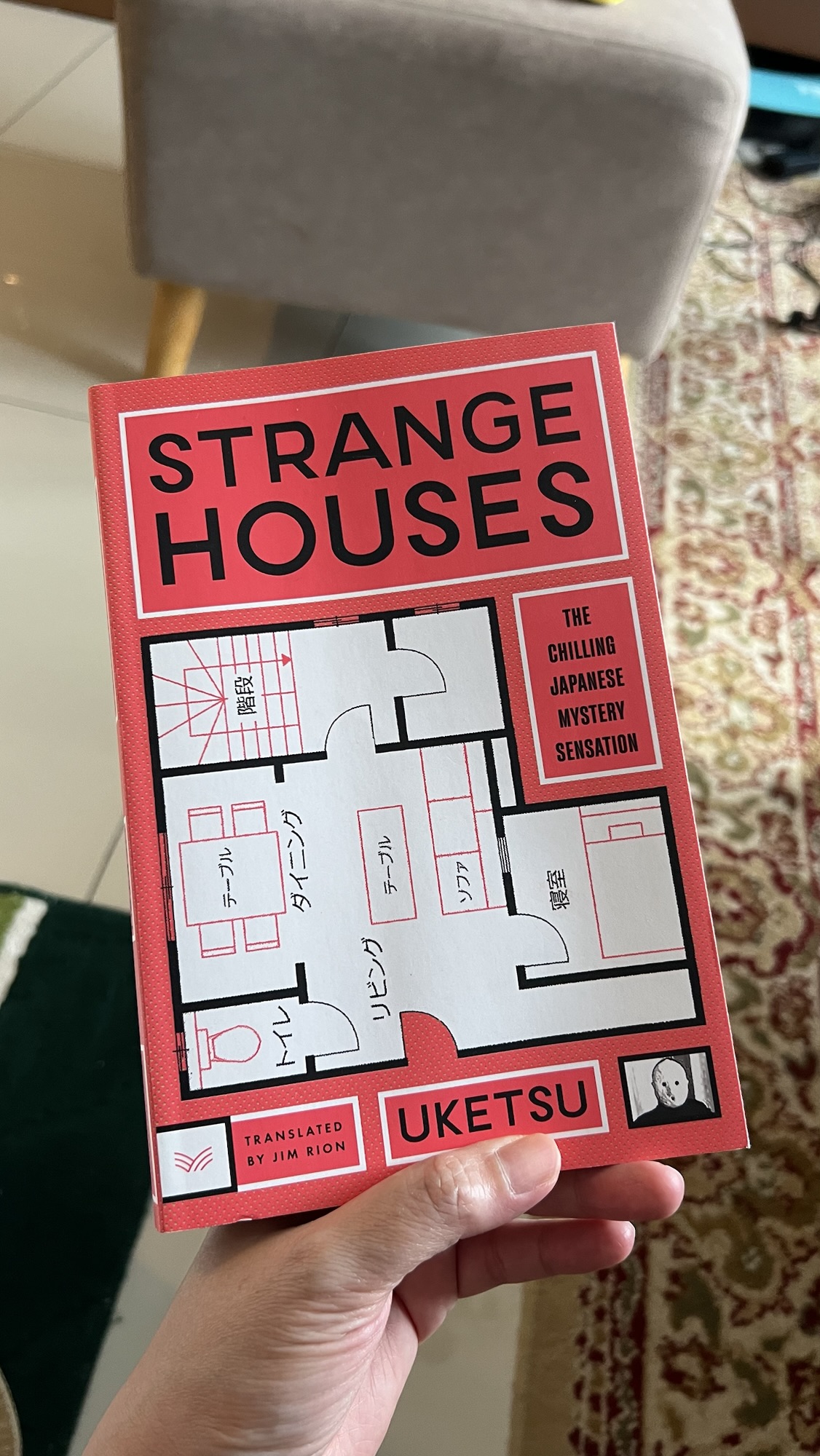
  • This book, “Strange Houses”, is a part of a trilogy: Strange Houses, Strange Pictures, and Strange Buildings. I noticed that the “Strange Houses” book has been having more popularity than the other two, at least in Kinokuniya Suria KLCC, which perhaps due to this title was the debut title of the writer, Uketsu.

    Uketsu is a writer, singer, and YouTube persona of unknown identity. They usually show themselves in black clothing with a white papier-mâché mask and have their voice changed. They usually talk about horrors and mysteries on their YouTube channel, so them writing thriller and mystery novels would be on point.

    I still have a really limited experiences and views of Japanese thrillers and mystery literatures. So far, I have been reading the works by Hisashi Kashiwai (The Kamogawa Food Detective), Soji Shimada (The Tokyo Zodiac Murders), and Keigo Higashino (Newcomer). Hence, I wouldn’t say that J-mystery genre has always have a very specific style (I mean, I obviously need to read more to say that!), but I have been noticing how Japanese authors for this genre have been really good in building the suspense and eerie feelings. From what I see here, these Japanese works are layered in such a way that something as mundane in one’s daily life as eating a takeout soba would be followed by an in-depth discussion or surprising findings. I wonder if this is because Japan has honne and tatemae culture: What you see on the surface is rarely the truth. That kind of “you might not realize it yet…”-feeling between the pages rests uncomfortably in your mind.

    I also found Uketsu’s way in writing interesting. Instead of using paragraphs or regular dialogues, it feels like reading a script as it’s using conversational-style.

    As someone who enjoys details and descriptive language, this work feels… quick. In every sense. The good side, it makes this book a quick read. This conversationalist style reminds me of comics/manga, and I wonder if Uketsu is using this kind of style because their background as a YouTuber gives them a good understanding on how to keep their audience stays focused.

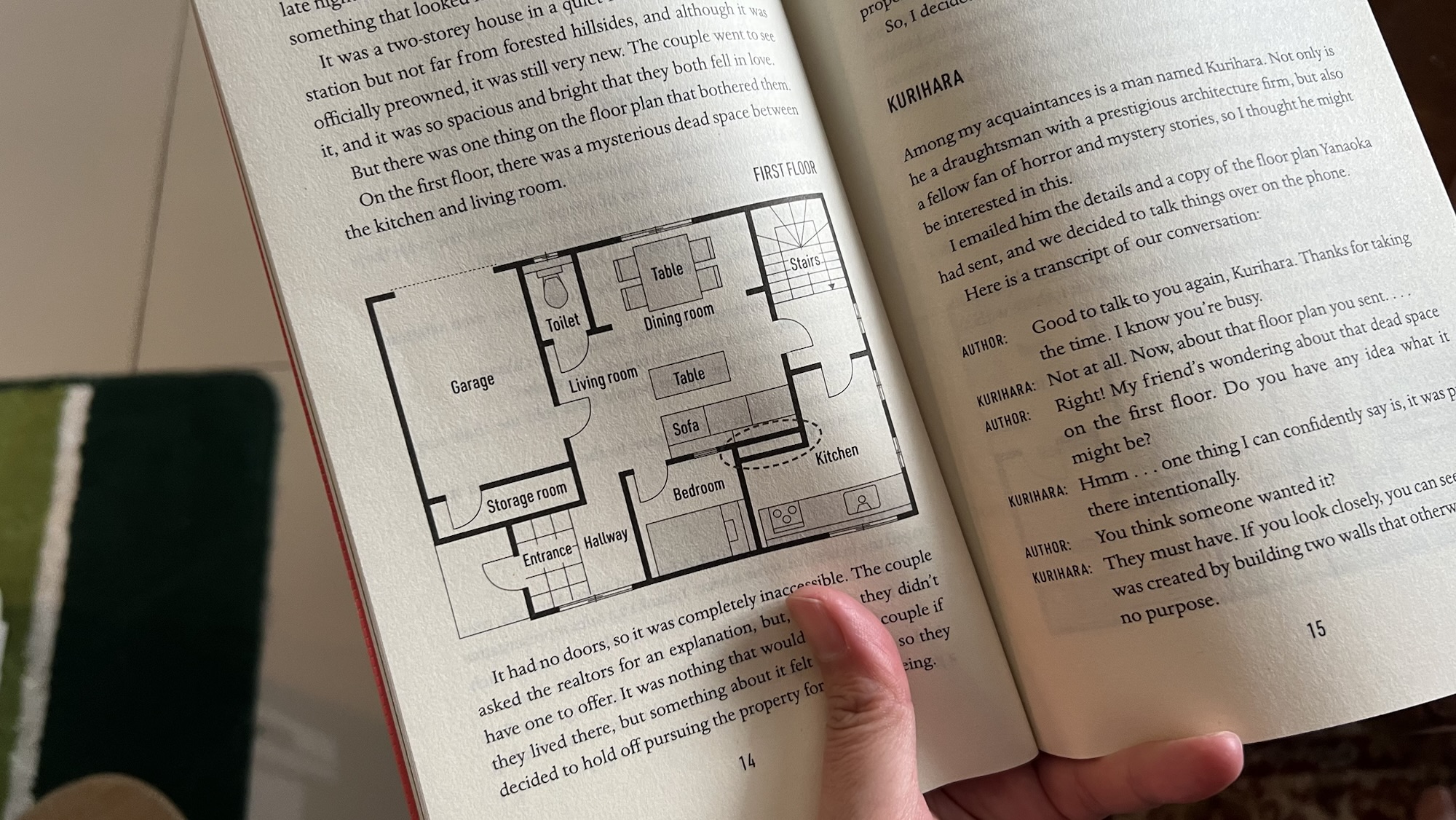
    Throughout this novel, you would see the diagram of the houses in question, and I feel that it’s such a nice touch to have as it hammers down the puzzle aspect of this novel.

    Now, about the plot/story. Was it bad? Not really, no. But the whole thing felt like being forced upon in such “solemn and ceremonial seriousness” and we, the readers, have to follow through. The plot felt “convenient”, quick for the sake of being quick, and there was not a lot of thinking going on in the side of the readers. It was all “a room without windows! Murder room!” or “the child did it! Obviously!” I mean, I got multiple theories in my head, thanks to CSI and Law & Order series, and perhaps we could have red herrings? Please, sir, may I have a crumb of red herrings? I’m clanking my imaginary empty tin can here for a couple more red herrings because WE NEED THE TWISTS AND TURNS FOR GOD SAKE.

    The half part of the novel leading to the end got even more rushed with sudden mentions of dozens other characters, which reminds me of C-dramas where suddenly all other characters appeared by the end of the series. Such situation, ironically, made the latter part of the novel seemingly underwhelming because instead of actually staying on the course, I found myself went, “eh? Who’s this again?”

    NOW! The resolution. I admit, I’m not a huge fan of it. Let’s just say that by the point we learned about the motives, I had to pull my eyes up from the book, look at the ceilings, and muttered a loud, “what?!”

    My reaction. Honest to God, this was my reaction.

    This whole work, dare I say, reminds me of “The Kindaichi Case Files” manga. Creepy? Check. Eerie? Check. Guessing-games which, conveniently, turned out to be true all the time? Check. Slightly outlandish? Double checks. Also, I can’t believe I’m going to say or write this as this would be so offensive, coming from someone whose comfort movie is Tom Hanks “Da Vinci Code” but here we go, juvenile minds would love this work as it has a lot of glitz and glams (“oooo! Mysterious rooms!”, “creepy guy!”) but that’s it. At least that’s what I feel about “The Kindaichi Case Files” right now. It was great when I read them back in my high school era, but I might find them cringey now.

    I still have two more books from Uketsu. Let’s see how it goes later. Some folks said that “Strange Pictures” is a tad better.

readme.txt

This is my personal blog, so anything goes. This blog has been around since 2014, which means you would, and could, see my past writings with different perspectives and mindsets at that time. This blog is a record-keeping of what I was, what I am, and what I will be. What I wrote in the past might not reflect who I am right now, nor me revisiting the topic.

While things here are generally PG-13, I must remind you that I’m an adult, which means some topics might be too heavy for younger readers.

Listening