
Yes, the second book of the trio.
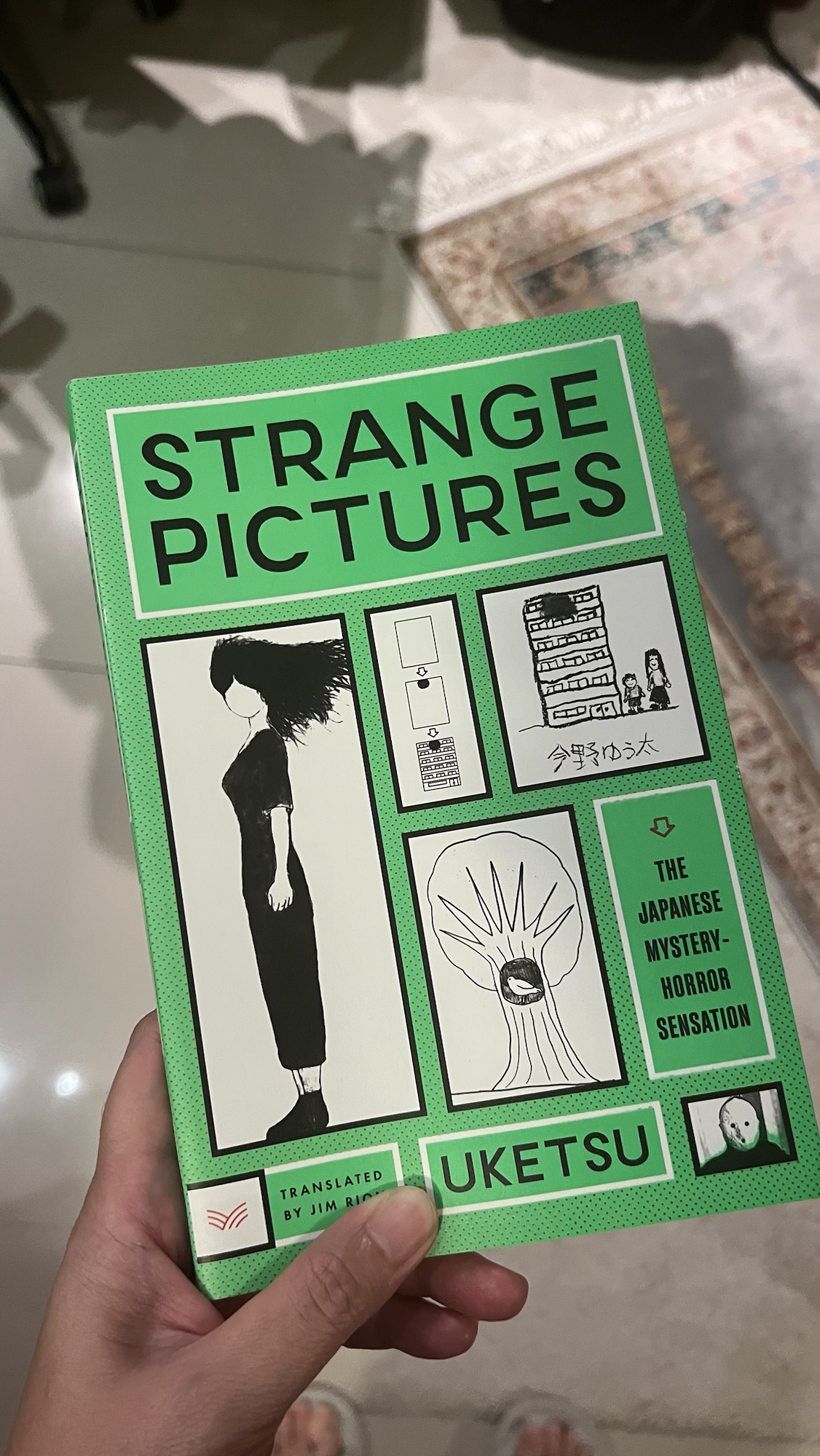
Just like its siblings, I qualified this book as a quick read. I spent roughly 90 minutes reading this one, post-dinner. After two books, I found myself asking this question: Horror where?
I… don’t understand why they marketed the trilogy as horrors. I’m a wimp, and I even found “Scary Movie” franchise still scary, so it took quite an undertaking on my end to brave myself getting this book (well, mostly due to the booktok had been hyping up this series) and I admit that I feel relieved that whew no ghost.
In terms of writing technique, the second book is more fleshed out than the previous one, “Strange Houses”, for sure. We no longer see the conversationalist style and we got proper paragraphs and dialogues.
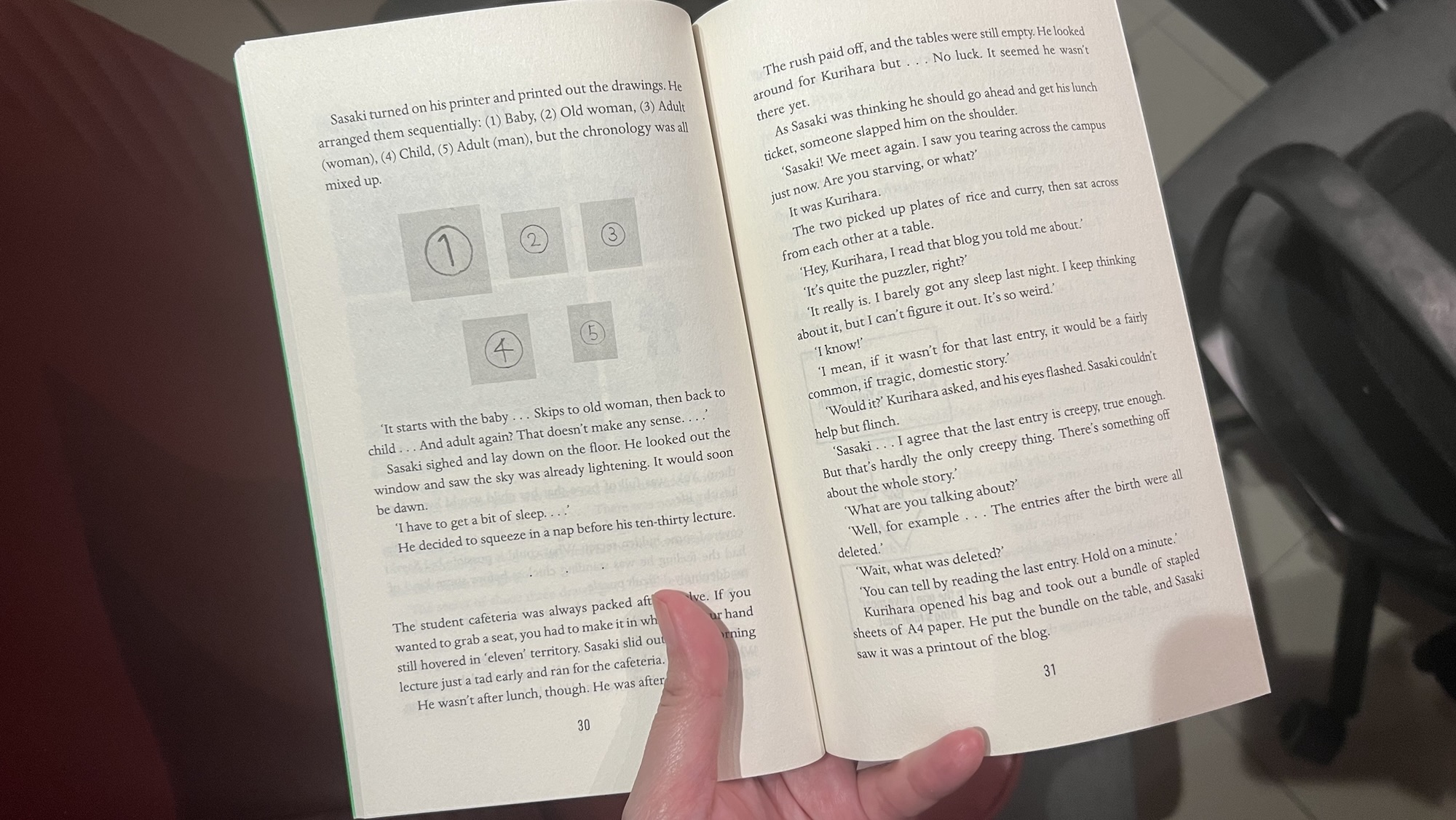
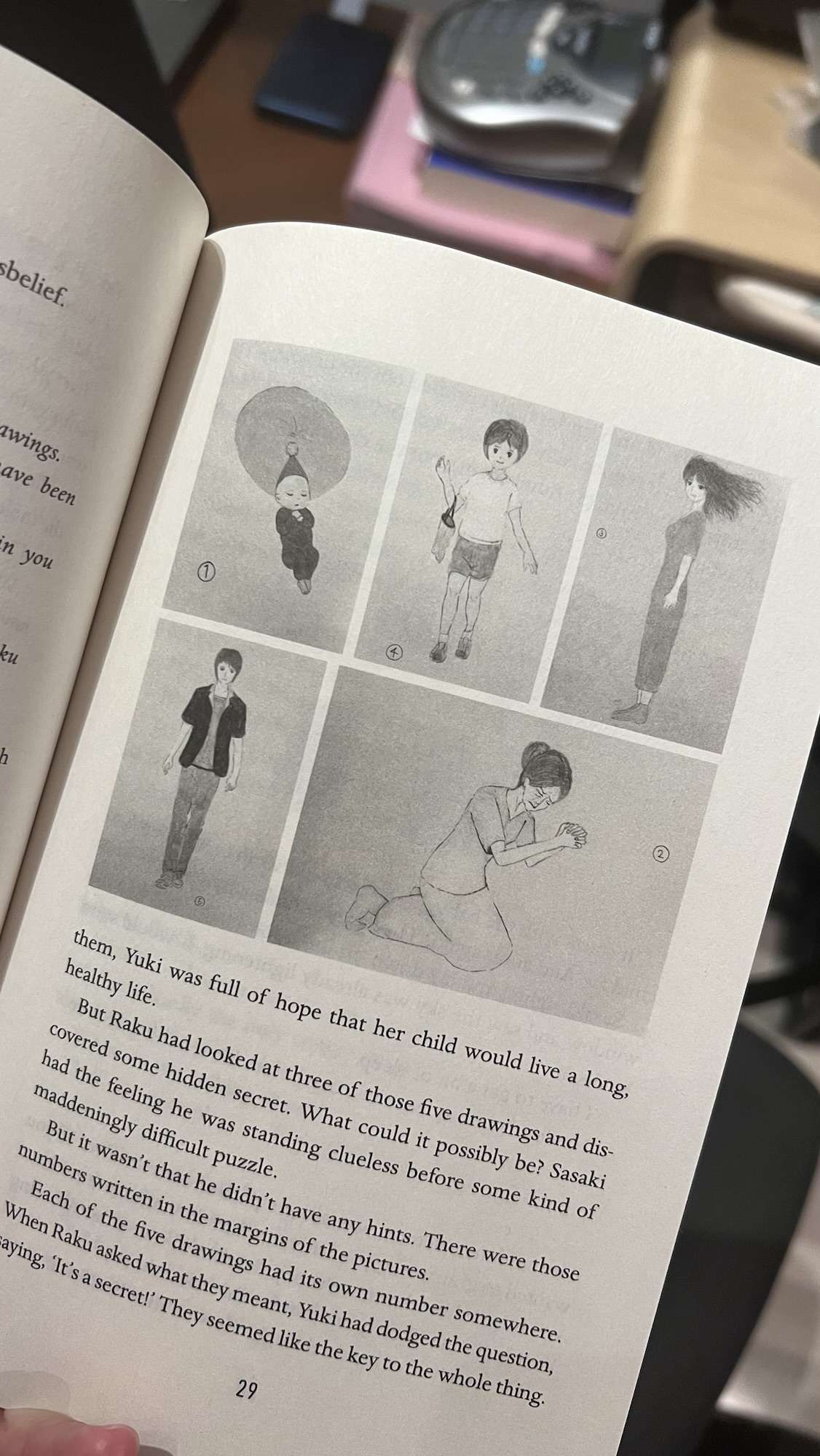
And just like the title suggested, the main focus of this novel is the pictures that “mean more than what they seemed”.
So! Do I find this book better than the other one? In some ways, yes. We see the story shaped better with more information and details, and I particularly loved the characters’ depth at the latter part of the book. It looked like Uketsu was “in the zone” when they wrote that part, because I could sense the emotions evoked from the pages and the struggles that each character is facing.
However, I am still unable to get myself immersed in the mystery, simply because of how convoluted and weird it was, in a not-so-great way. Too many things going on and too many “clues and directions and misdirections”. Yes, murder mysteries and thrillers need to be tricky and convoluted, but this one was just… Too much, in a sense of too preachy. Instead of having the readers actively joining into the case, this book feels like asking for the readers to take the sideline and be a passive spectator.
Now, speaking about misdirections, remember how I asked for red herrings on my previous post because we the readers need some misdirections for the grand twists? I wonder if Uketsu attempted to do this on this book. Ironically, instead of a proper red herring, it was… “even if that thing was not there, the story can still progressing nicely.” Especially on the chapter on the apartment building picture. It was… WHY is that picture even there with such weird drama surrounding it? The pictures used as the center of mystery feel so gimmicky and forced. It feels trying too hard to be smart, but ended up causing confusion and a lot more “uketsu strange pictures explained” search keywords on Reddit. I legit turned into the Screaming Marmot Meme mid-reading. I was that frustrated.
Also, the words. I don’t know if it’s because this novel is a translated work, but the words used are so… simple. It was painfully simple, it felt juvenile. I’m starting to think this is Uketsu’s style: Juvenile readers. In a much sinister approach, I genuinely feel that this series is like a first-draft-but-publish-it-at-all-cost, and honestly, I feel it’s an insult to the readers and those who genuinely enjoying horrors, thrillers, and murder mysteries. I don’t know what happened with Uketsu, their publisher, and the marketing in general, but I daresay that this kind of writing might be better if it’s developed on personal level at first; such as, blog, AO3, Wattpad, a series of Threads posts, whatever. As the time goes by, the story could be built better, received feedback properly real-time, and general improvements on the technique and prose. On this current level, I personally would say that this is a good book for young/teenager readers.
Writing this makes me wonder if I should start incorporating meme to sum up my whole opinions and thoughts about a book.
Anyway. Next one, the last one I hope, “Strange Buildings”. Anyway, TIL that “Strange Houses” and “Strange Buildings” are the whole series (“Strange Buildings” as “Strange Houses #2”). “Strange Buildings” just recently published, so hopefully it’s better than the previous two.