Back in February, I did something. Not exactly an extravagant thing, but still interesting nonetheless. It was this:
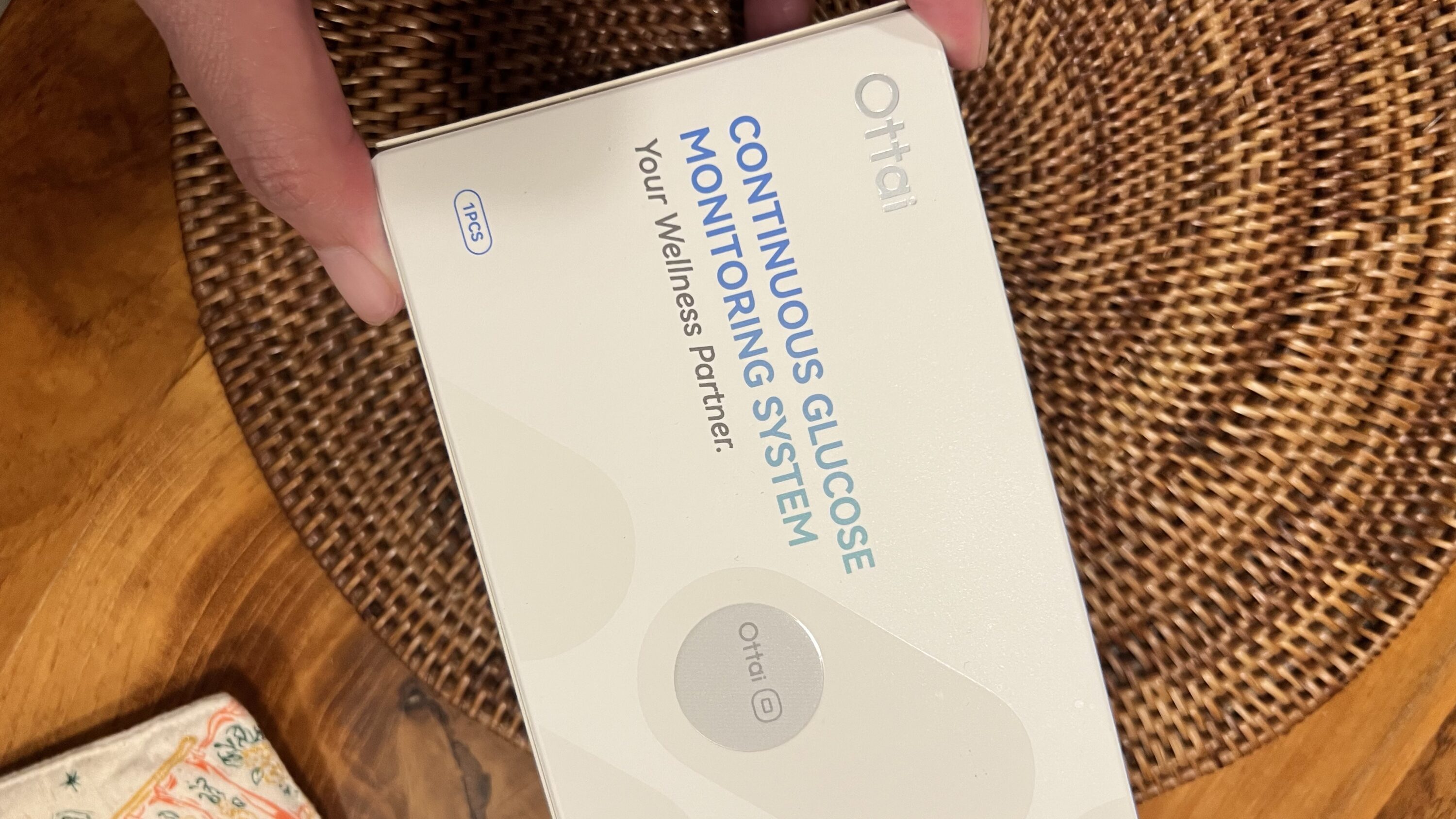
It was Ari (my husband) who tried it first out of curiosity, even though he felt the need to do so because his family has a history of diabetes. He then told me that he bought himself two sets of glucose monitoring device; “one for you,” he said.
The device is exactly what it says: Continuous glucose monitoring system. You will get a device that will be injected into your upper arm, and the needle will pick a blood sample from the bloodstream and read the glucose level. You will be able to see the numbers constantly, 24/7, on an app on your phone.
In case you are worried about the pain: Don’t be. I’m terrible with injections (despite me going to TCM for acupuncture every month!), and the process was really quick and pain-free. I only heard the whoosh sound when Ari injected the device, and it was done. Once the device is injected, you will need to scan the code on the pamphlet on the box to sync the device with the app on your phone.
The company is Ottai, specifically: Ottai Technology (Wuxi) Co., Ltd., which is based in Mainland China, so if you are wary of China surveillance due to the global political climate and, you know, having China-related app on your phone, you really don’t have to use this device. Since I’m generally okay with it (as my government has been doing a shitty job in protecting the citizens so the whole thing has been a “what-the-heck”-thing), I don’t have any concerns about this device and the app.
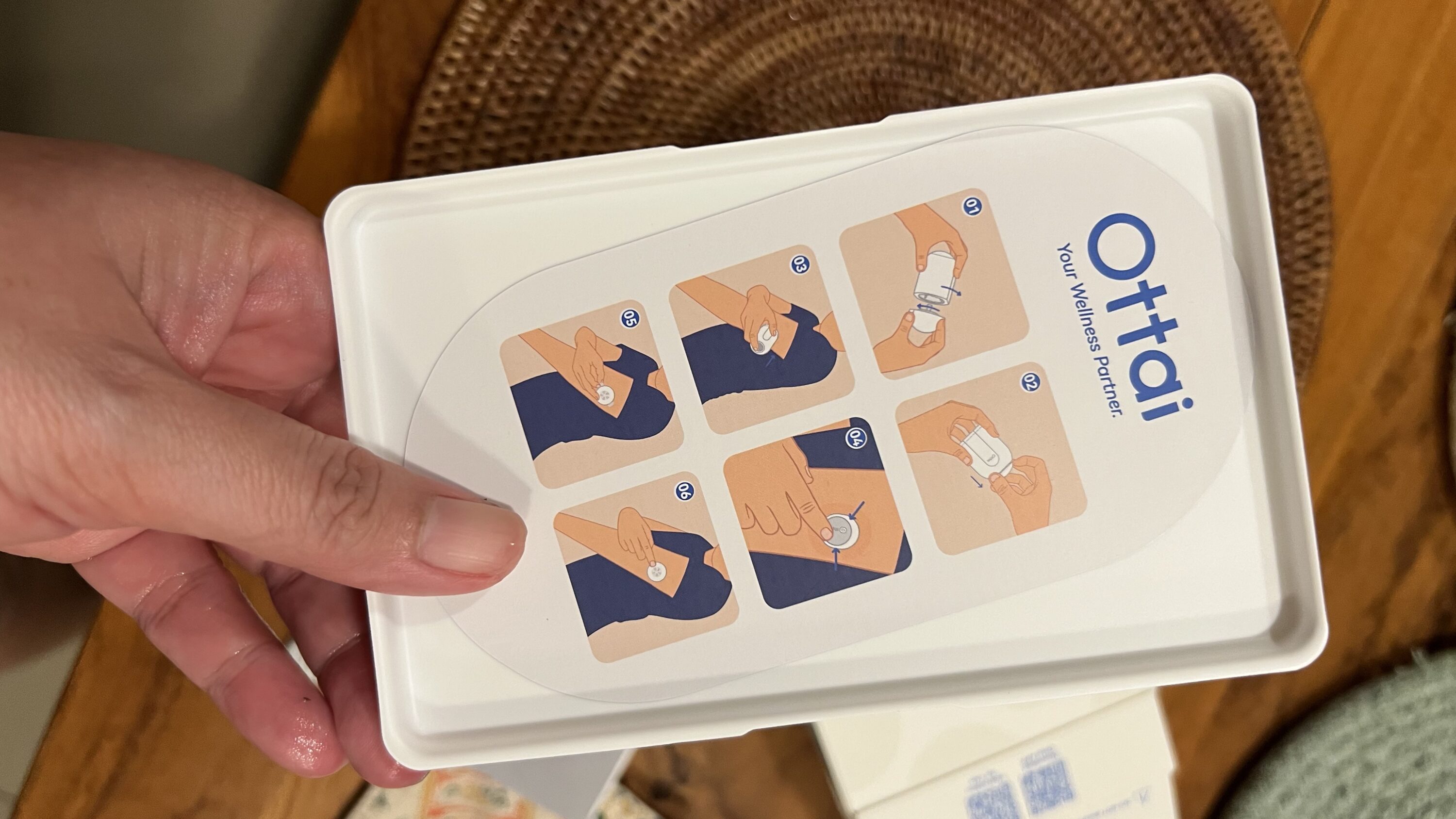
The device timeframe is 2 weeks, so you will need to replace it every fortnight should you need it. In my case, I used it for only 2 weeks and decided not to continue. Mostly because I’m satisfied with my glucose readings (it’s always within normal range) and I didn’t see any risk of diabetes for now. I did having fun in checking the graph, though!
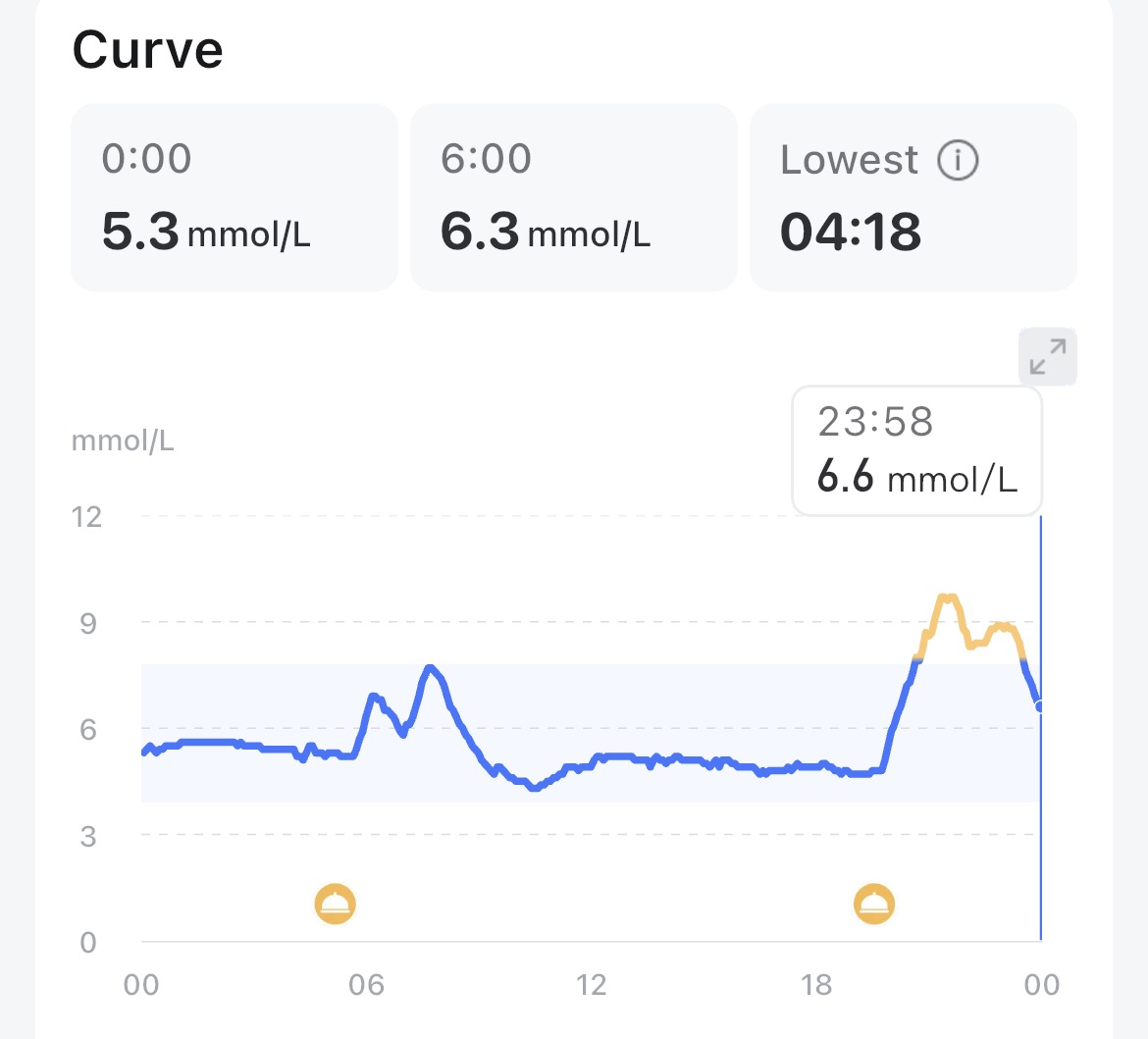
You can see the spikes occurred after mealtime. Those spikes are normal (our sugar level in our bloodstream always increases after a meal), and what the doctors usually want to see is how fast the spikes go down. I also noticed that whenever I have a high-fiber meal, the sugar spikes are always within the normal range/not too high. This fact helped me in ensuring to get myself high-fiber meals and reduce my sugar intake. Also, since I wore the monitor during the month of Ramadan, I quickly learned that a simple iftar meal (iftar is the time when muslims break their fast in the evening/sundown) did wonders for my glucose level and reduced the extreme spikes.
In case you are curious, these are the meals I have been taking:
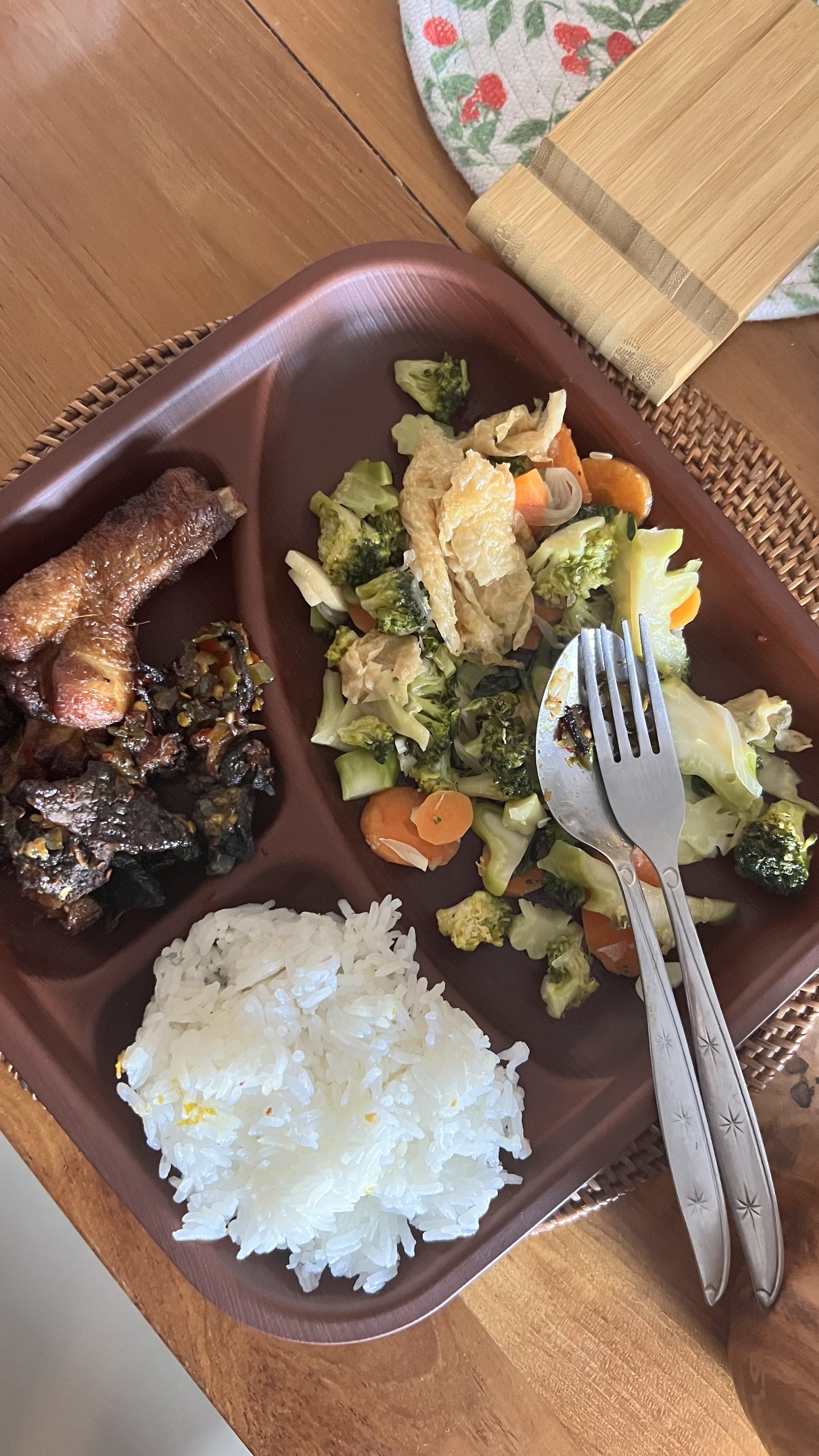
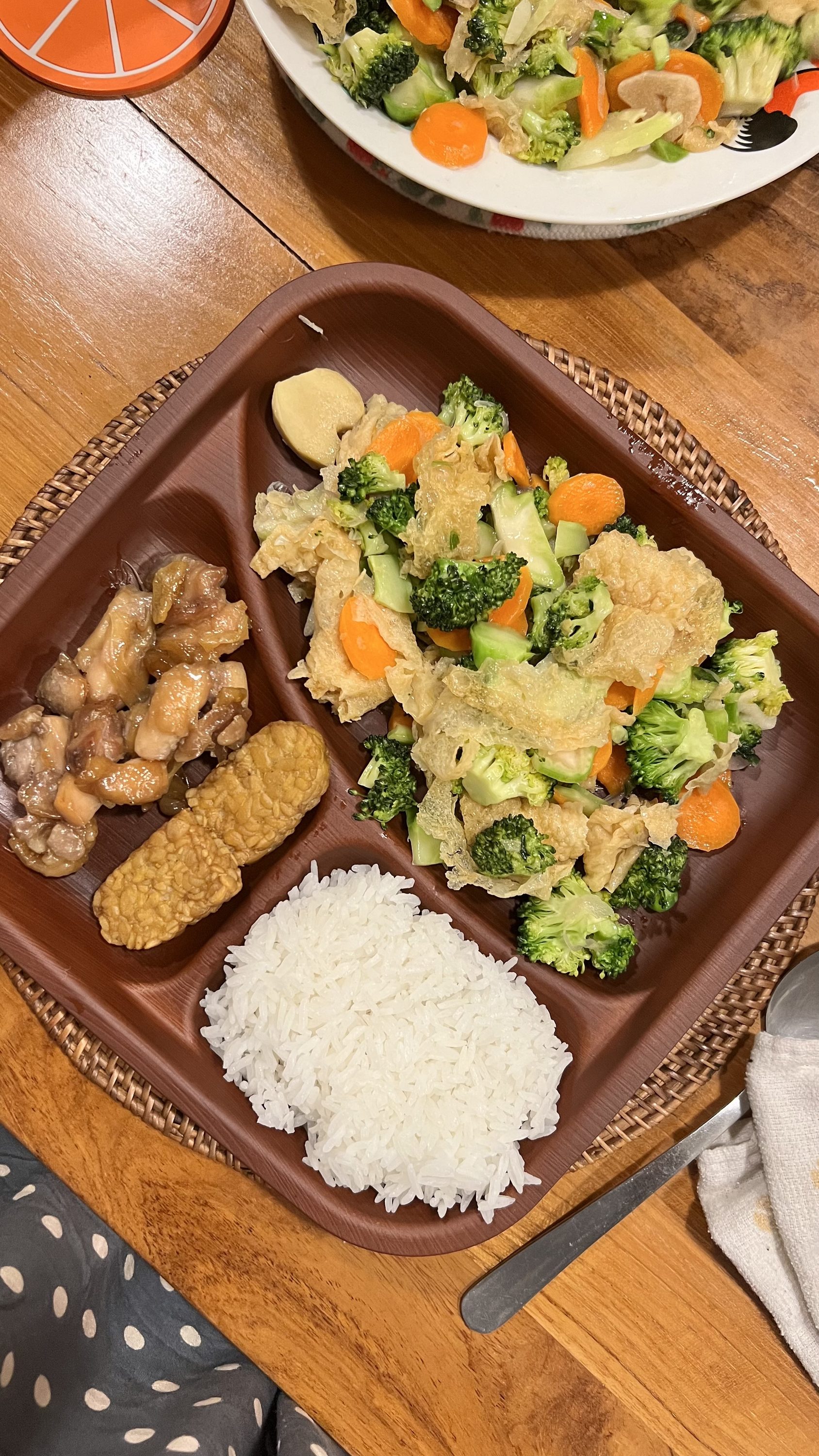
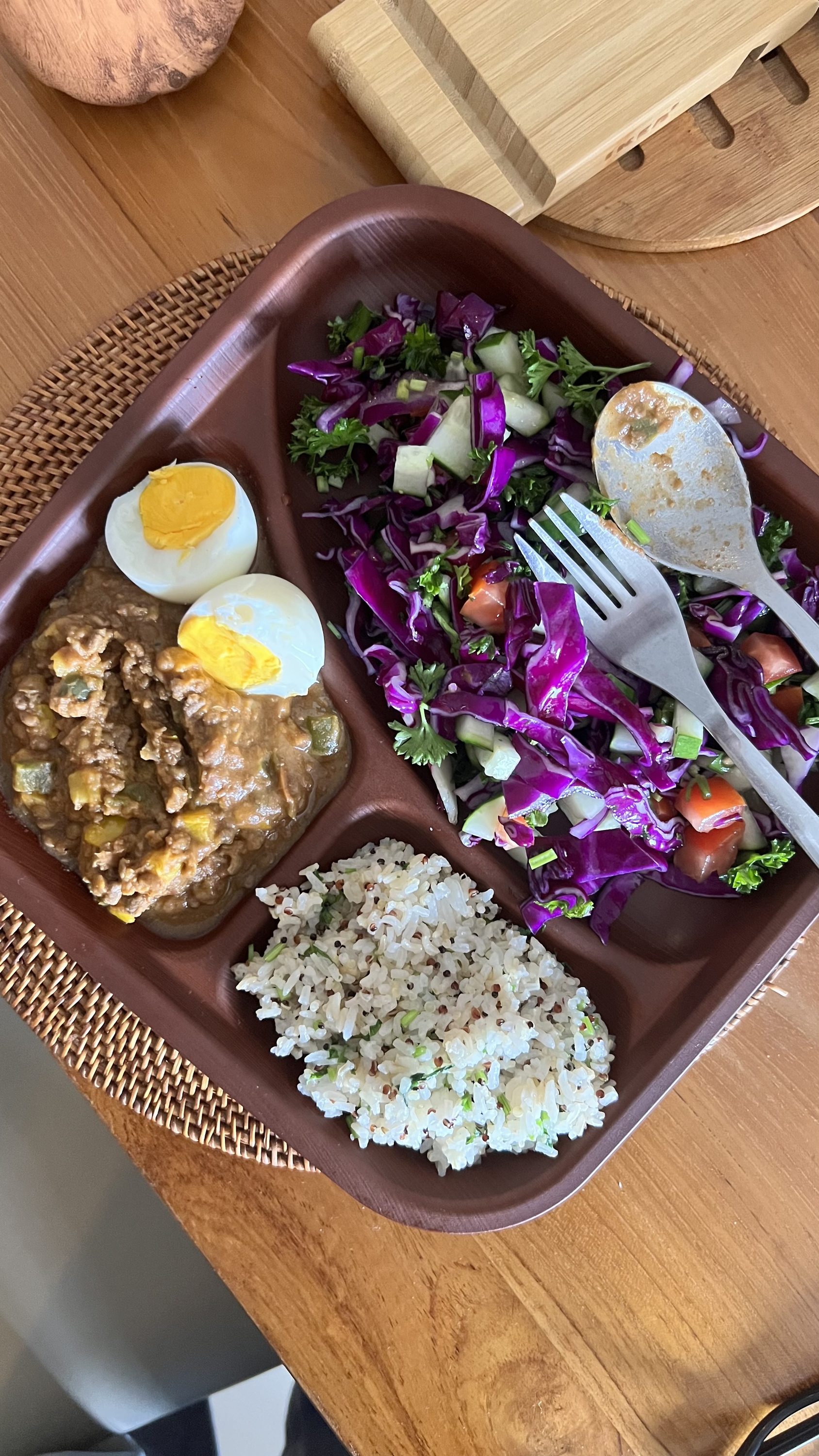
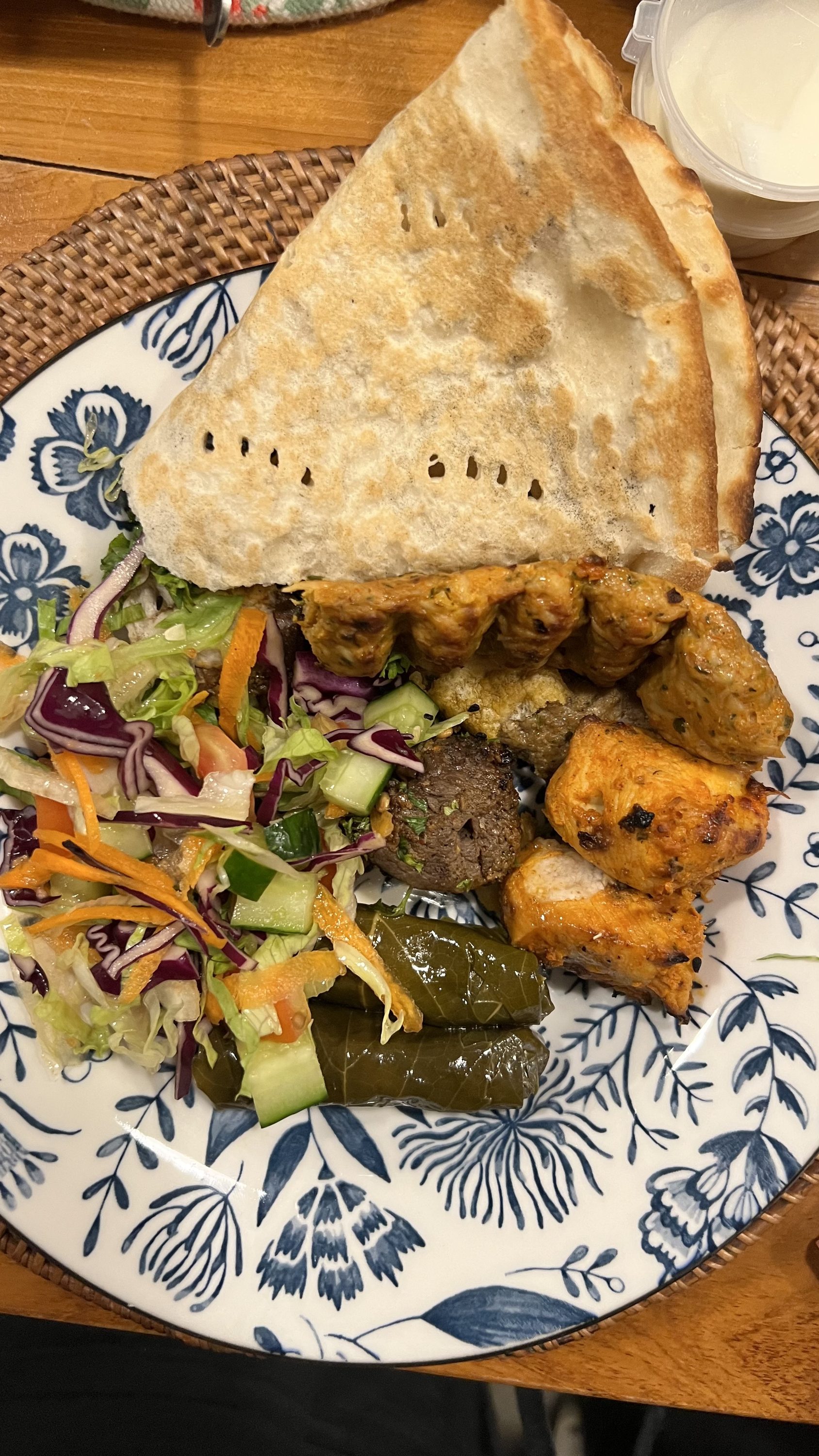
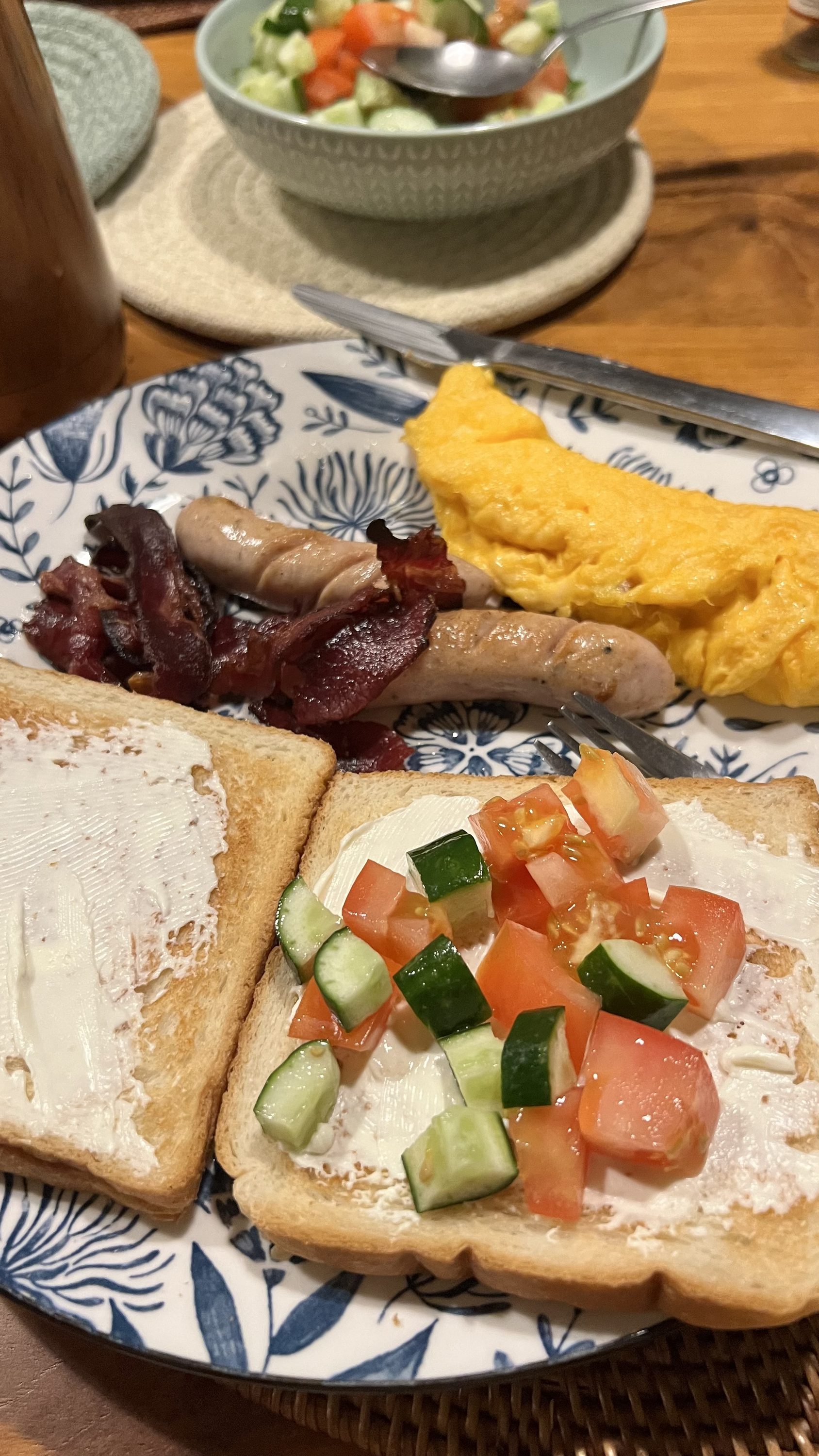
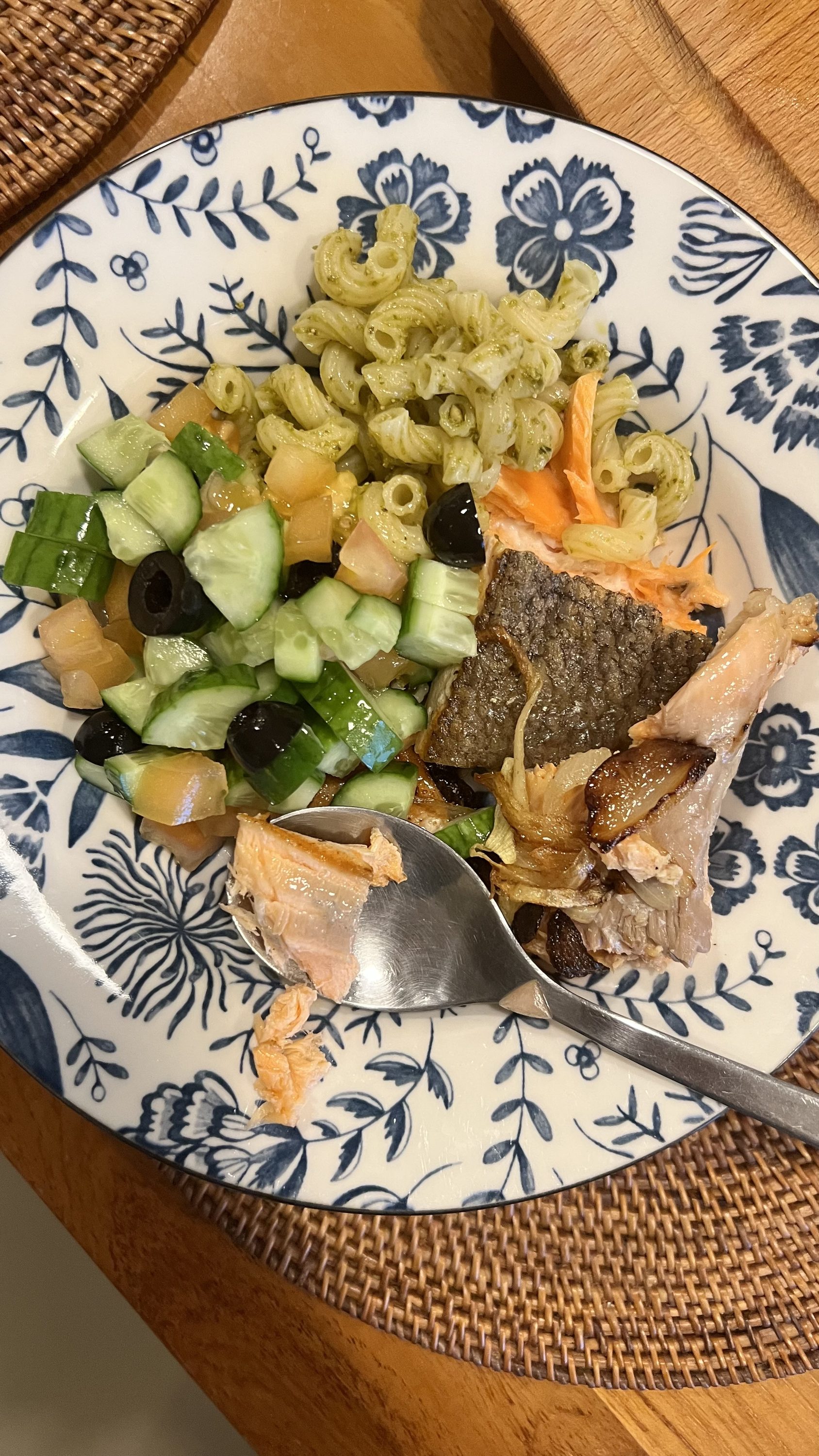
I also have been experimenting with salads, and my current favorite is tabbouleh. Also, you might have noticed in the pictures above that I’m using a portion-lunch plate. I got it from the Nitori store in Suria KLCC, and it has been SUPER helpful in maintaining a healthy food portion. The Malaysian Ministry of Health has been promoting the “Sesuku Sesuku Separuh” campaign: Divide the plate into three sections: A quarter for carbs, a quarter for protein, and half of it for veggies. I have to tell you: My meals never been this colorful (and much to the joy of my dietitian!)