• Hello, Dian! Can you share a bit about yourself — your name, the city you are currently living in, your hobbies, anything!

    Hi, my name is Dian Ara. I’m a freelance content writer, and I currently living in Bandung, West Java, Indonesia with my husband and our 4-year old son.

    I’m obsessed, obsessed, with stationery — especially Japanese stationery and notebooks. I mean, my wardrobes only consist of half of a kiddie-sized wardrobe and four pairs of shoes, while my stationery collections pile up inside four extensive wardrobes, four IKEA Sockerbit boxes, the big ones, and all of them are filled with my notebooks, sketchbooks, covers, sticky notes, pens, and washi tapes. Also, a dozen IKEA Skadis filled with colored markers, two drawers filled with stickers, and six more filled with hundreds of gel pens.
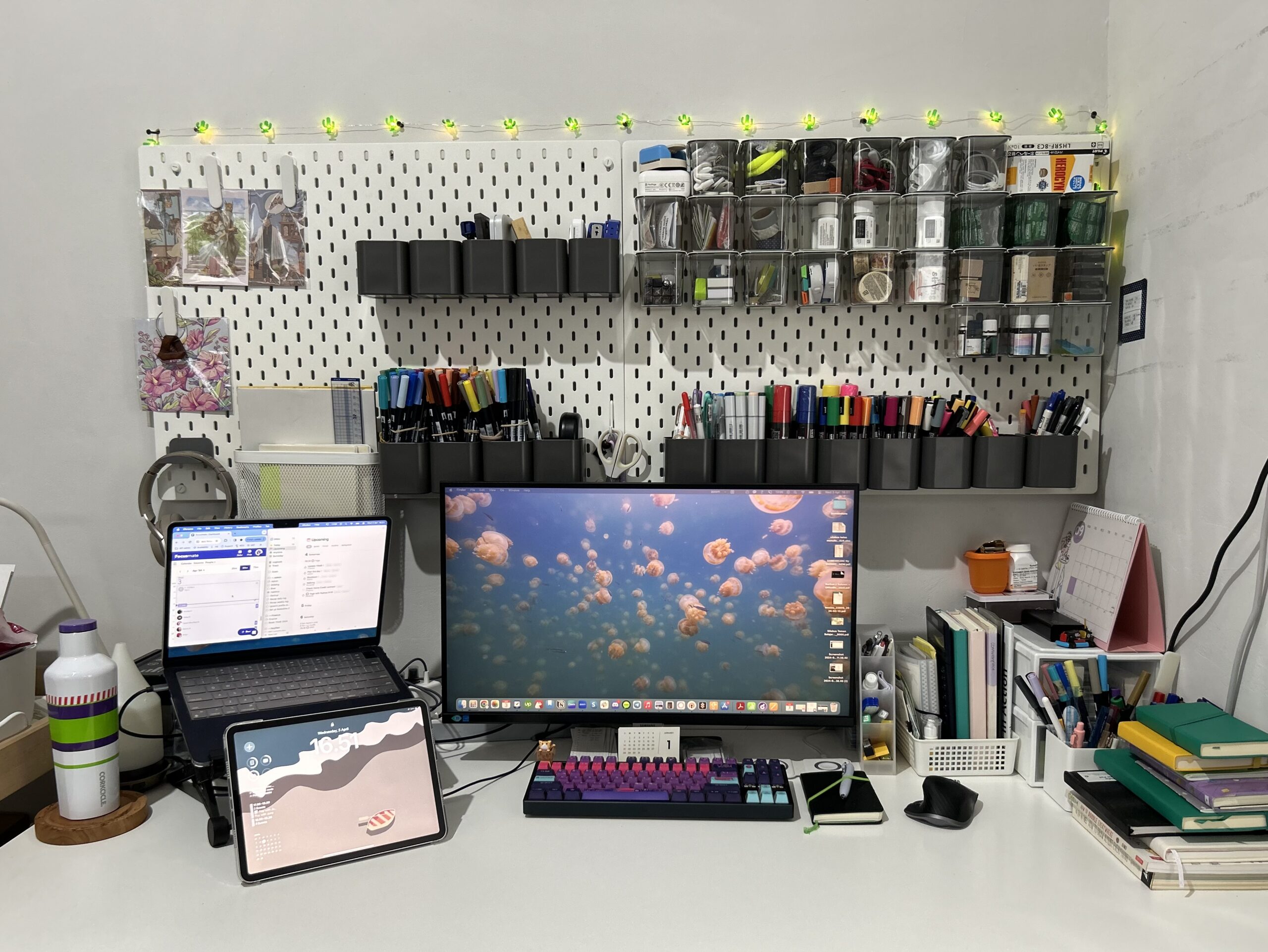
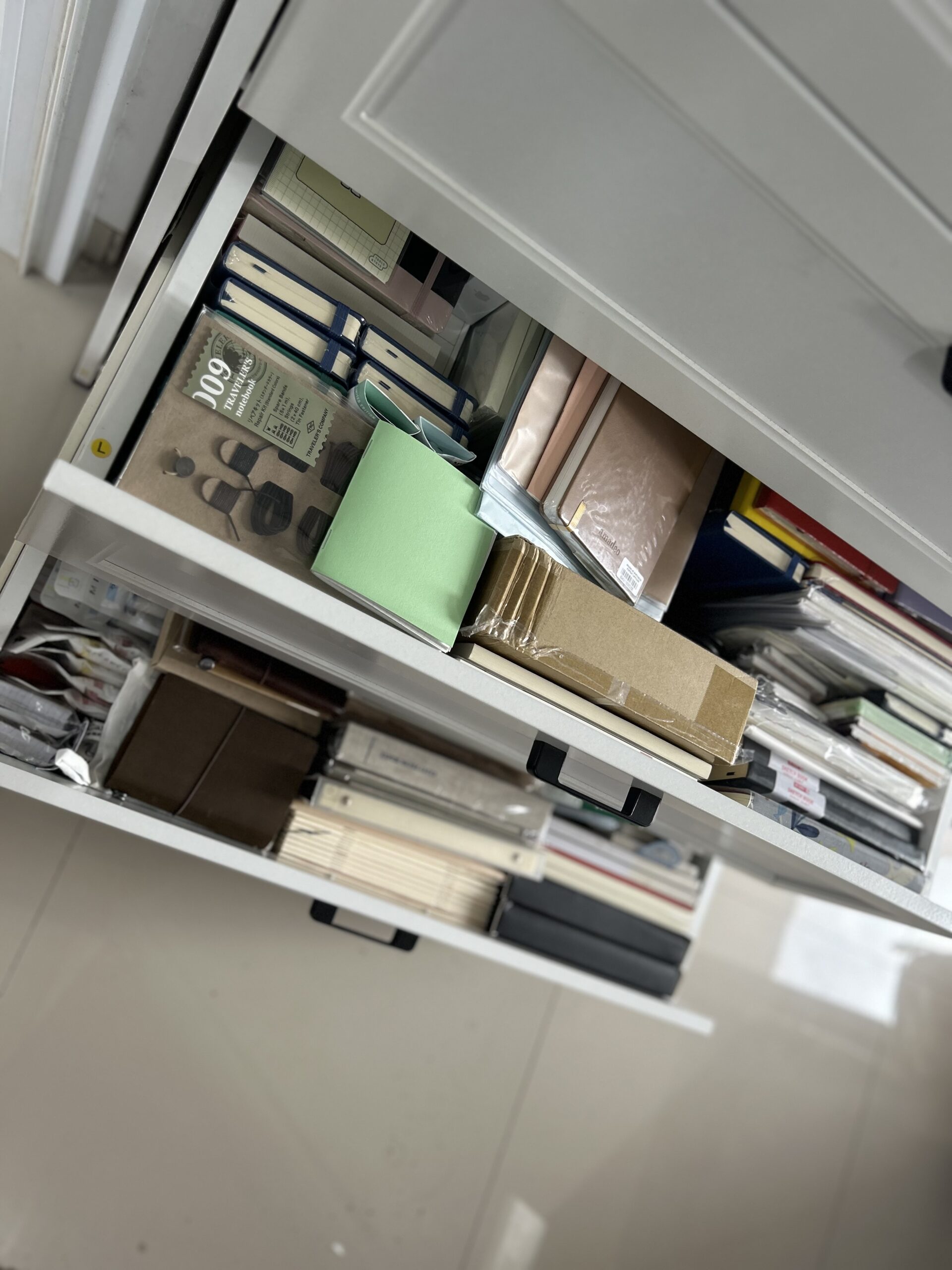
    The best part: I use them all šŸ˜†

    What made you interested in journaling in the first place, and since when?

    I grew up with my aunt, and when I was in primary school, she introduced me to the best stationery brands that she owned.

    A lot of children at that time — and still even up to now, I guess? — were quite satisfied and opted for colorful-looking pencils and scented erasers. Remember those? Hahah. A lot of those stationeries were quite cheap and fun-looking too.

    Mine, though, were far from ā€œfunā€. Inside my pencil case, there were only plain-looking pencils and a black eraser. That said, those were, and still are, my pride and joy. The pencil, a Tombow MONO, was blacker than the blackest sea in a moon-less midnight. The eraser, from Mitsubishi Boxy, was the top of its class — you know that too, right?! That eraser can erase your sin, hahah. The eraser erased any mistakes or scribblers without ripping the paper. Little Dian always smiled whenever she’s checking her worksheet. Also, my handwritings are really neat since I was small, and it brings me joy whenever I see it.

    That said, I started journaling as an adult. It was when Ryder Carroll introducing bullet journal system back in 2013. He published this really cool stop-motion video with him showing how to do rapid logging and migration in a Moleskine notebook. It looked so simple and easy, it immediately clicked with my ADHD brain. Since then, I use bullet journaling and adapt it with my ever-growing needs.

    I remember when I shared with you my interest in doing journaling, you recommended me bullet journal! How many journaling methods that you are familiar with?

    Alright, sooo… This is just my theory, so take this with a grain of salt.

    Depending on the content, there are at least 5 types of journaling:

    • Long-form journaling, or as we usually called it as a diary,
    • Art journaling,
    • Scrapbooking,
    • Junk journaling, and…
    • Personal organizer — including bullet journal.

    And, if we want to classify it based on intent, that would be unlimited. It’s because the whole idea of journaling depends on what you want to do. Your intentions. The most common ones are travel journaling, gratitude journaling, gardening journaling, dream journaling, commonplace book (this is the type of journal/book where you can write facts or information that you want to log), and many more.

    We can combine both: A travel journal can be in long-form, art, or junk. The same goes with the other types of journals. It’s up to the journal owner and the sky is the limit.

    As an individual with ADHD, how did journaling help you?

    Oh, whoa, alright, my journaling journey has been through a lot and with so many changes. So many. The reason, the journal adapted with my ever-changing needs.

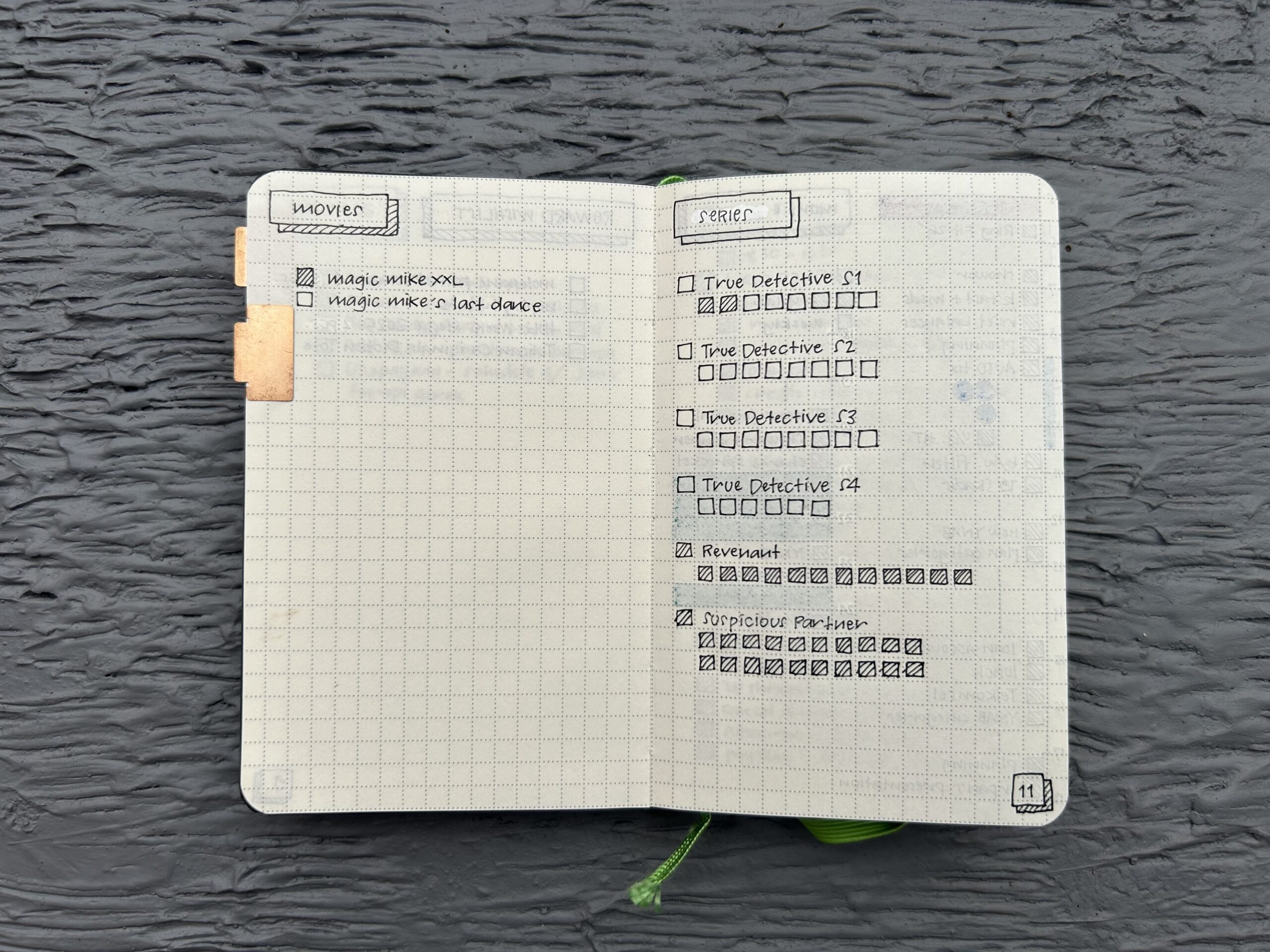
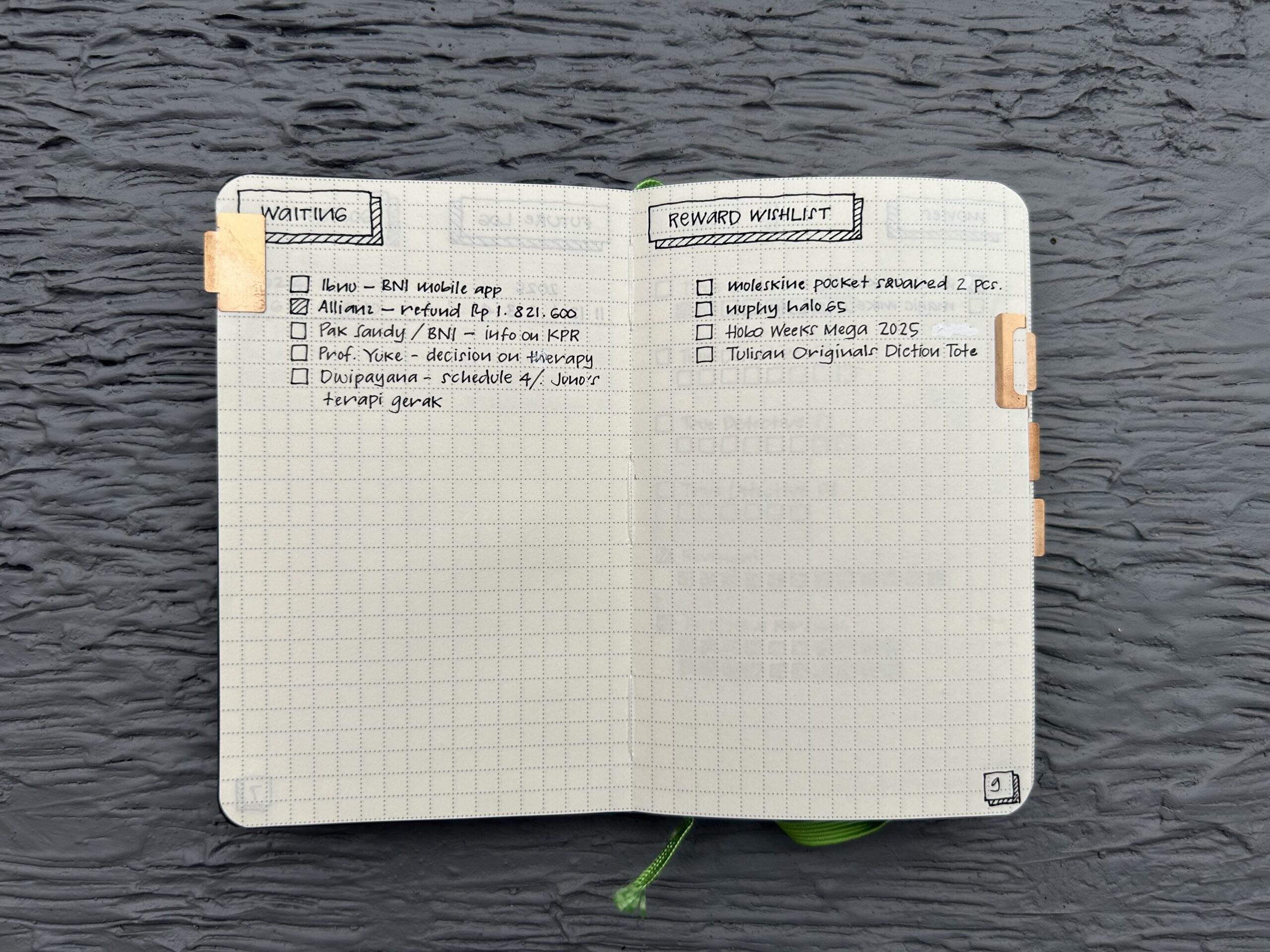
    For example, this year (2024), I’m doing long-term planning in this app Things 3. My very short-term planning a.k.a. daily logs are in my pocket-size Moleskine notebook. This Moleskine notebook only filled with a combination of daily log and time log, and several collections pages — a really simple book.
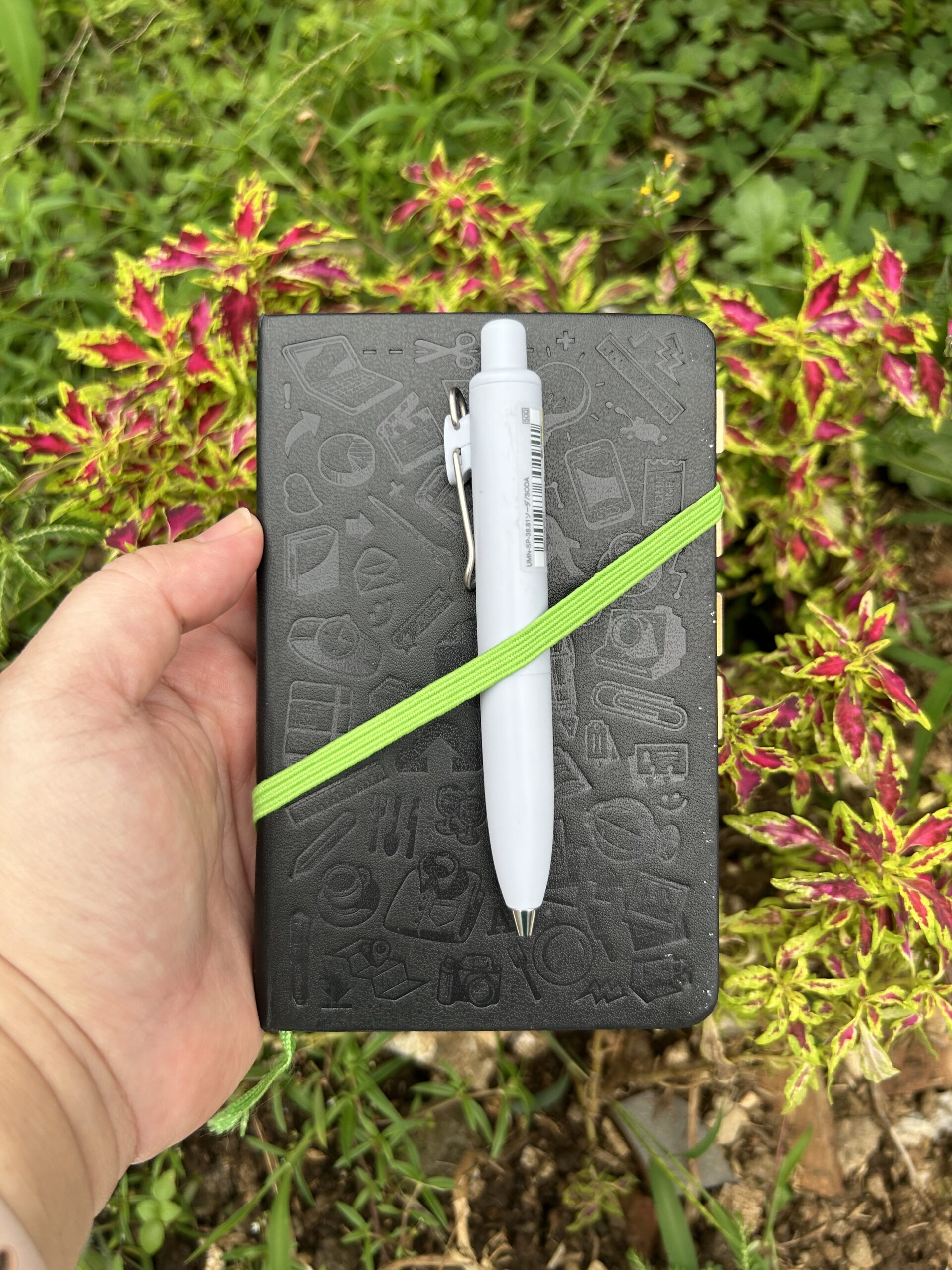
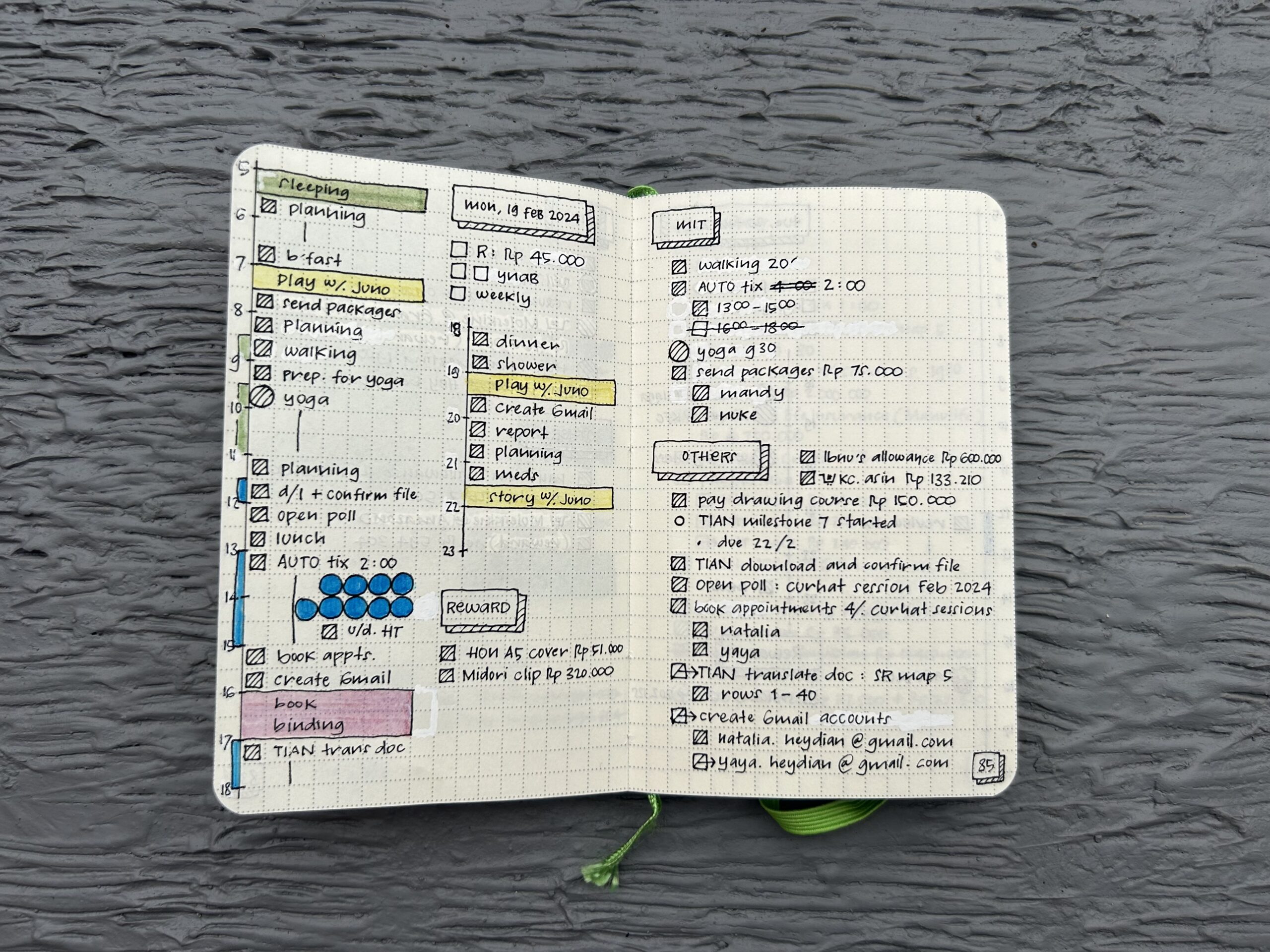
    That said, the Moleskine book has been instrumental in helping me with my daily tasks: My daily log consists of 2 pages — the left page is for time log, and the right page is for my daily log. Every morning, I choose important tasks from my Things 3 app and I wrote them down on my daily log spread (right page). Then, on every hour, I set the task I want to do. However, instead of listing down all tasks in one go, I’m doing it incrementally. Hour 1: ā€œWhat do I want to do in this hour?ā€ — then, I write it down on the time log (left page) then do the task until 1 hour is up. I continued with Hour 2: ā€œWhat do I want to do in this hour?ā€, and so on and so forth. This method helped me to avoid feeling overwhelmed and stay focused with important tasks.
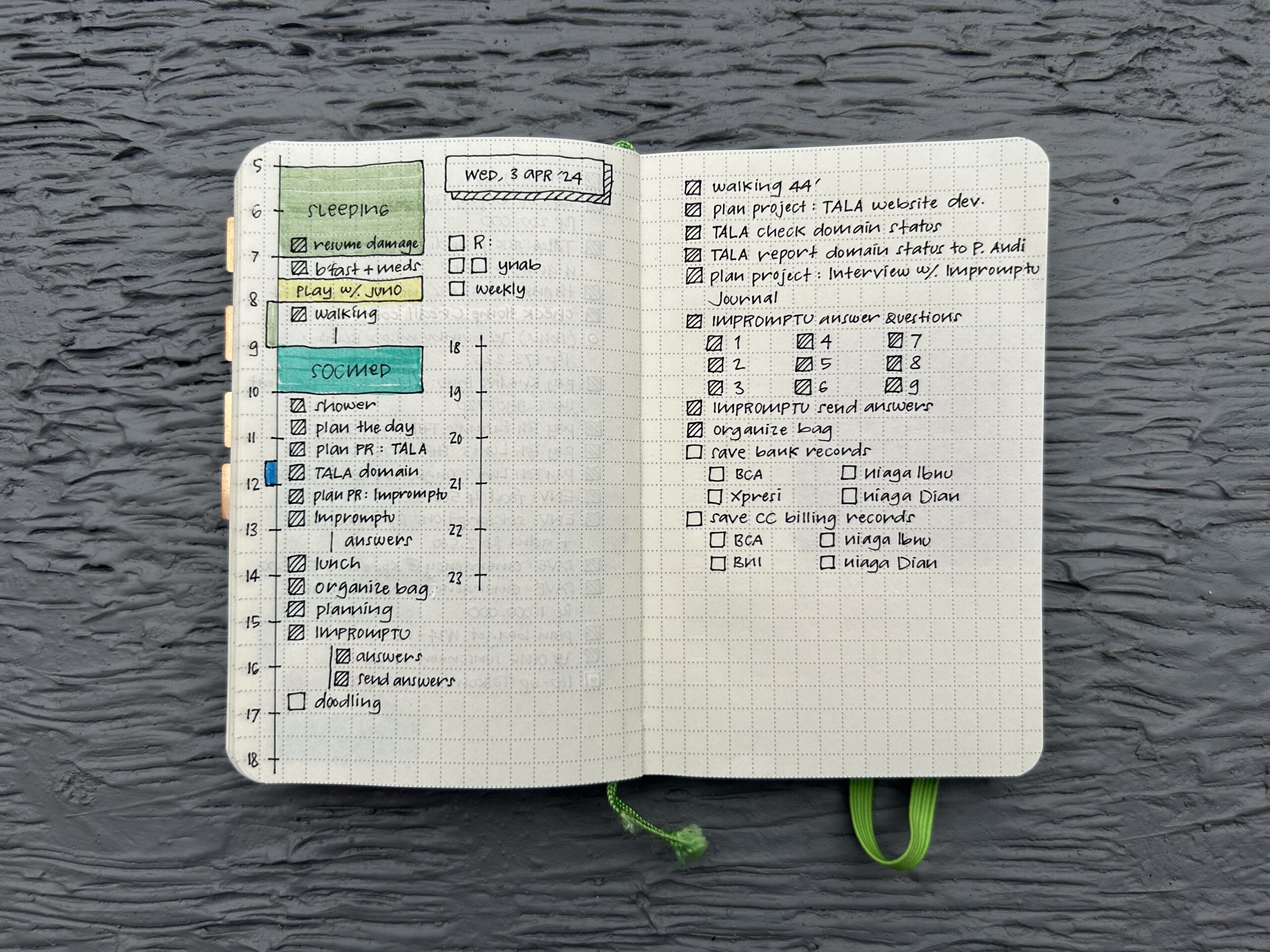
    This is the spread in the middle of the day
    …. and this is the spread in the end of the day. Notice how the entries are filled up to the evening-time

    How many notebooks that you actively and regularly use?

    … … … … Six notebooks.

    • Leuchtturm1917 for copy-pasting information that I got from my social media timelines (trust me, there are some good tips out there).
    • Leuchtturm1917 for long-form journaling where I wrote about daily life and positive thoughts and opinions.
    • A small repurposed notebook that I made from several other notebooks that I no longer use (a.k.a. I scavenged them) for long-form journaling that skirting on negative thoughts. I usually wrote in this book whenever I feel sad, anxious, or scared. I planned to burn or throw this book once it’s finished.
    • Hobonichi Weeks as a health journal. This book is filled with my family’s medical records and trackers. I set this up to make it easier to grab whenever we need to visit ER.
    • Midori MD as a commonplace book. This book is filled with information and things that I found interesting and useful, and the resources can be from anywhere: Social media, books, Youtube, online courses, chatting with friends during tea time, etc. I planned to give this to my son when he grows up as a life guidebook.
    • … Aaaand, the Moleskine that I mentioned above šŸ˜„

    This is from my personal experience: There are times I found that journaling can feel monotonous, especially when the tasks/to-do list are the ones that you routinely do on daily or weekly basis. Not only this made me feel lazy in journaling, it also made me wondering if journaling is even needed. What do you think? And have you ever had that kind of situation? How do you cope with that?

    Let me start with this: Being diligent in journaling is a myth.

    I have ADHD and bipolar disorder, and there were times I literally couldn’t do anything. When I’m on my depressive episode, I could stay in bed, bundled with a blanket, and do nothing for a couple of weeks. And that’s okay. You don’t have to journal. You are not in your top condition, and it’s okay to not journaling.

    After my depressive episode ended, I simply turn over a new page and start journaling.

    That said, there are a couple of tips you can try, though!

    • Put the notebook in the area where you usually around/within your vicinity. I put mine on my workdesk because I spend most of my time working in front of my laptop. If you are a stay at home mother and you found yourself hover around the, say, kitchen for most of the times, then put your notebook on the kitchen area.
    • Decide how many times you want to journal on a day and set reminders on your phone.

    In the end, your journal your rule. There are times you wanted to do long-form journal up to 5 pages. There are times you only wanted to write, ā€œI feel freaking tiredā€ and nothing more — and that’s okay! Your journal is your tool (more on that later!)

    I found starting a new spread, be it monthly spread or a new notebook, can be really intimidating. Like… I always have this thought, ā€œI HAVE TO CREATE A SUPER PRETTY SPREAD!ā€ and I got frustrated when I made a mistake or typo. What do you suggest to have a more chill attitude in approaching journaling and creating a new spread?

    Set your mindset (ha!): Journaling is a tool to help you, not an end product.

    What kind of tool, you might ask. It’s a tool to help you create products: Feeling content and secure to have your bills paid on time, feeling happy and confident that you were able to finish your projects on time, feeling the joy of able to hold your focus in the daytime so you can have extra time to chill and spend with your family.

    Can a tool get broken or missing? Yes. And you can change or even replace it.

    With that new mindset, let me share with you the practical tips: That ugly spread that you see as a mistake? Cover them with washi tapes and stickers šŸ˜†

    All you have to do is to cover, or you also ā€œhideā€, the whole spread with washi tapes, then turn over a new page to start the new spread.
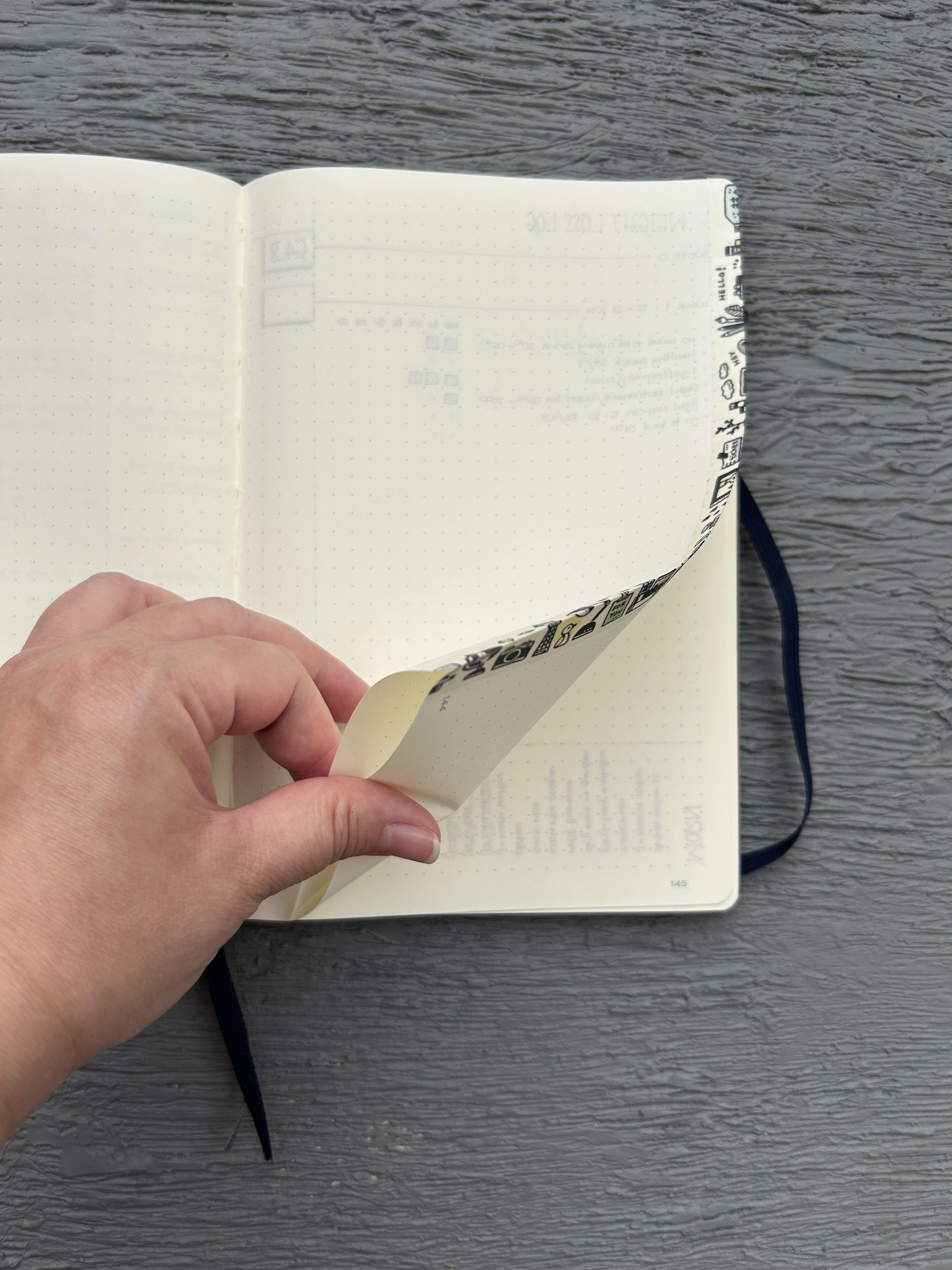
    Hiding the ā€œbadā€ spread with washi tapes. Ha!

    My first journal looked exactly like this — filled with mistakes and washi tapes to cover them — and that notebook looked so gosh dang pretty.
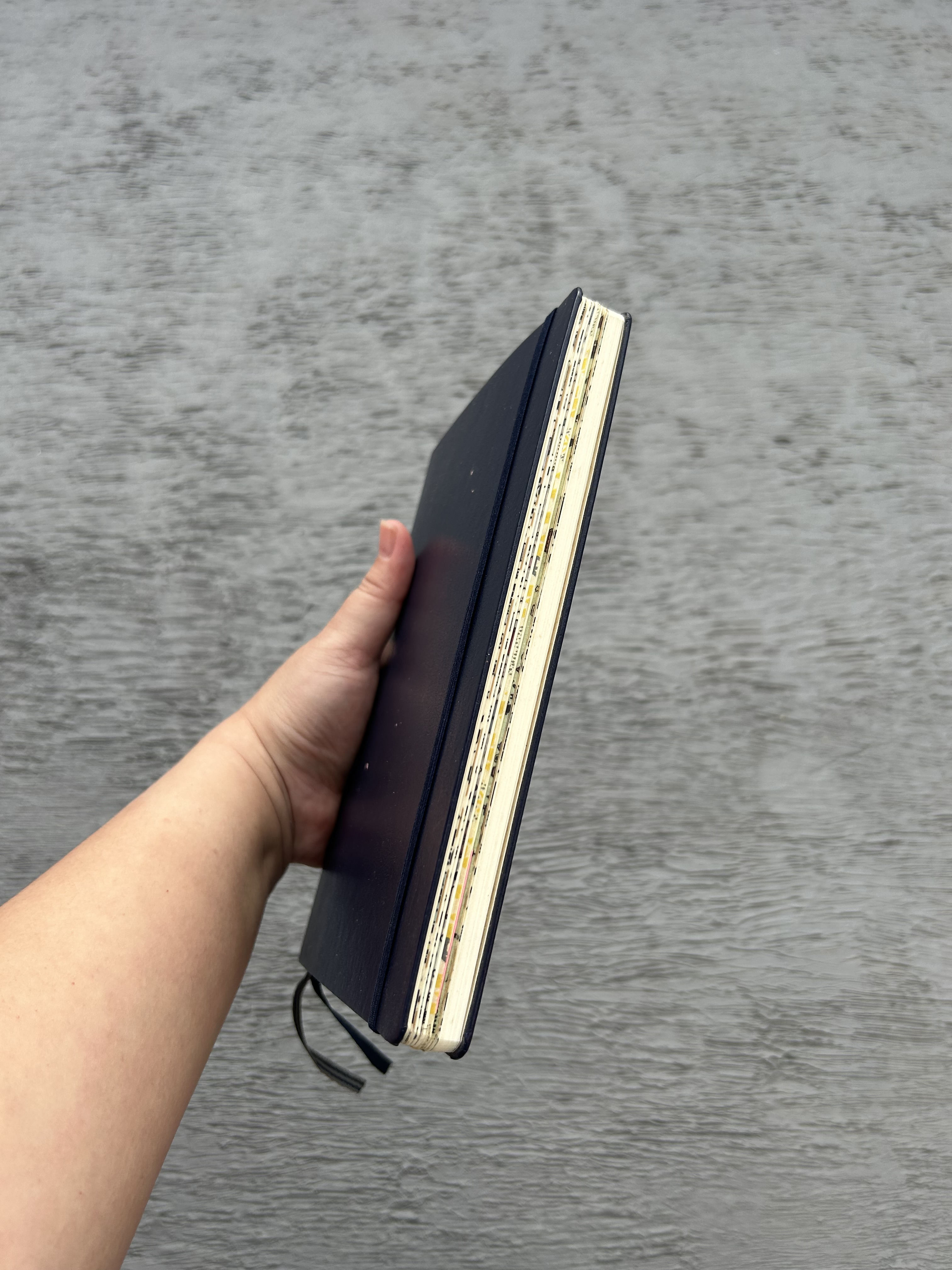
    Colorful!

    Any tips and suggestions to those who wanted to start journaling/just started journaling?

    Start simple, embrace the mistakes, and enjoy the process. And if you are slightly perfectionist, note that a handwritten journal is prone to errors. When mistakes happen (and trust me, it happens!), remember my tips about mindset above.

    Happy journaling!

  • Hi Almaviva! Can you share a bit about yourself?

    Hello! My name is Almaviva, and you can call me Nyanya. I live in Bandung, and I work as a visual merchandiser.

    Since when did you start becoming a yoga instructor? What made you want to start as a yoga instructor?

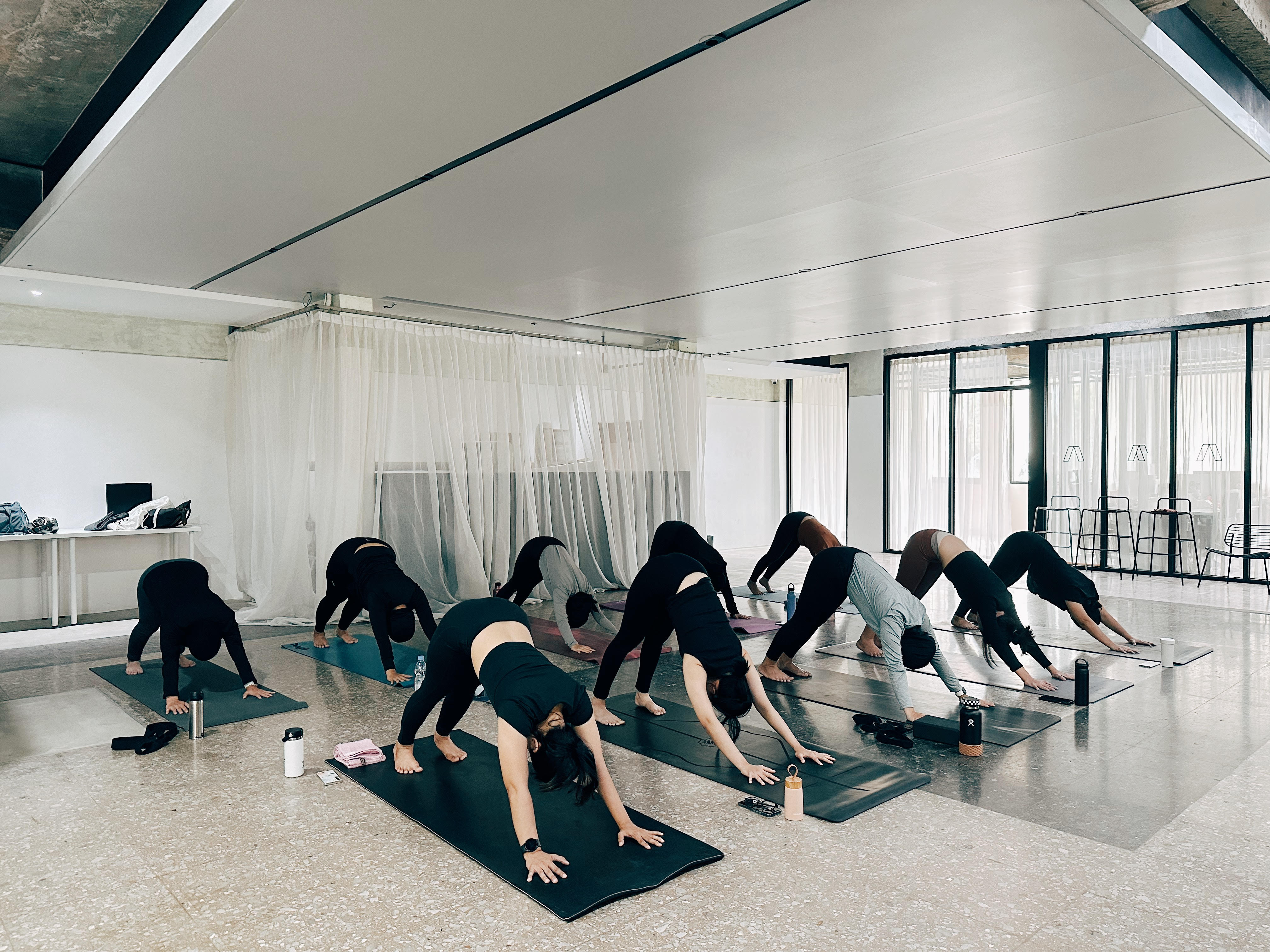
    Oh, it started in March 2021. It was a long story, actually šŸ˜† At first, I planned to go back to school but then life went another route and there was a point I felt down and wondered why things went like… you know, things. It wasn’t long until a good friend of mine who happened to be a yoga instructor told me about becoming a yoga instructor and nudged me to join yoga teacher training. My husband supported my decision as well, so here I am!

    I became interested in yoga as I started seeing it as part of my life needs. I felt better and happier whenever I finished the routine, which I found important, and I want to cherish it.

    Not only offline classes, you also open online classes for your yoga classes ✨ How did it start? And more importantly, how did you ensure the routine quality through Zoom calls?

    It started from the pandemic back in 2020-2021 šŸ˜† Remember how we were on the height of pandemic in 2021? Yeah, that was when I finished my yoga teacher training and Zoom was all in the rage at that time — everyone is talking about Zoom at that time! Then, we saw the rise of online classes and courses as people finding ways to spend time and upskill during the quarantine and lockdown, including classes and courses in health and exercises.

    Doing yoga through online classes/Zoom can be tricky, yes. The main reason is that there are a lot of distractions where they are located which caused them unable to focus — but it’s actually pretty normal for online classes. On my classes, I always give instructions as detailed and as clear as possible, be it using cues or demonstrating the poses.

    Also, a tip for doing yoga via online classes: Use/wear headphones! It will help you stay focus and able to hear instructions clearly.

    What’s your most favorite and most challenging yoga pose?

    A lot šŸ˜† Our bodies change conditions every day, and a pose that was comfortable today might feel different tomorrow. My favorite pose usually follows how my body responds at that time.

    The same goes with challenging poses. A pose that might look and feel challenging today might feel easy on a different day.

    That said, speaking about advanced and intermediate-level poses, definitely arm balance and inversion-related poses. It’s really fun and challenging to learn about these poses, and it involves techniques that we must master.

    Your latest event, “Bend, Bloom, and Brunch”, was a hit! Who had the idea of having such event?

    I have always wanted to hold a yoga event but make it special and fun for everyone who joins. I am privileged to have friends from diverse backgrounds with unique hobbies, and I wanted a yoga event where my friends can join and contribute too! Thinking about it now, I feel we can call it a collaboration šŸ˜„ One of them is a florist, and one of them is really good in cooking, so we combined both with yoga exercise where the participants had yoga retreat, vegetable bouquet workshop, and enjoying Palestinian dish culinary in the heart of Manglayang Mountain, Bandung.

    What is your favorite part/aspect of yoga as a whole?

    Yoga is not a mere exercise or sport for people to feel better—in a way, it has become a way of life. OK, it can feel too serious and tricky to explain here, especially in writing, haha, but most definitely, give yoga a try, and you will see what I mean. Never feel that you are too novice to try! We all start from somewhere, and as we go through the process, we will feel the benefits for our body, mind, and soul.

    What advice would you share with a teenager who wanted to be a yoga instructor?

    Don’t think too much about it and go go go, just do it! šŸ˜† I’m serious: Join the teacher training and work your way to be a yoga instructor. The experience since the training will be something that you will cherish as part of your growth and journey. I used to think that doing the teacher training to be a yoga instructor would only end up at myself — but then, I found that sharing our knowledge and skill with others is something beautiful and something that we need in this world.

  • Hello, Veta! Can you share a bit about yourself, such as your name, the city you live in, your hobbies, activities, anything!

    Hello! My name is Veta, from “veterinarian” — I’m serious, haha — because my mother was on her way to achieving a bachelor’s degree in veterinary medicine at university when I was born.

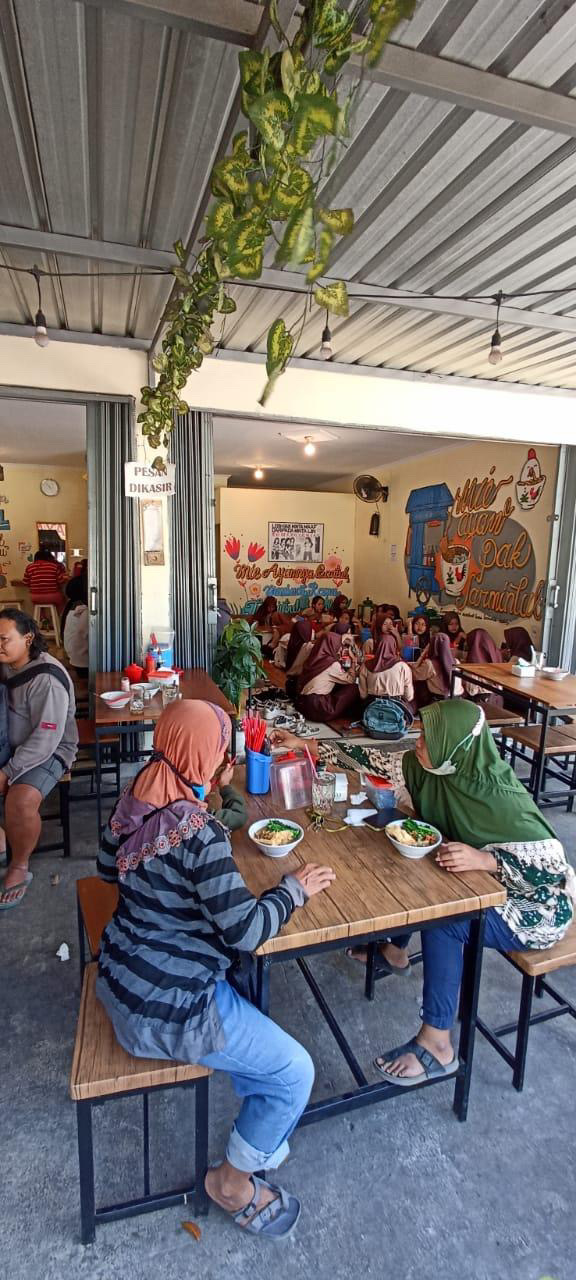
    I am the “Pak” (Mister) in Mie Ayam Pak Sarmintul, and I live in Bantul, nearby the TPA Piyungan that will be closed next year.

    Daily, I manage my chicken noodles stall, Mie Ayam Pak Sarmintul, take and pick up my kids from school, and watch K-dramas with my wife (she’s the “Ibu” (Missus) in Ibu Sarmintul.)

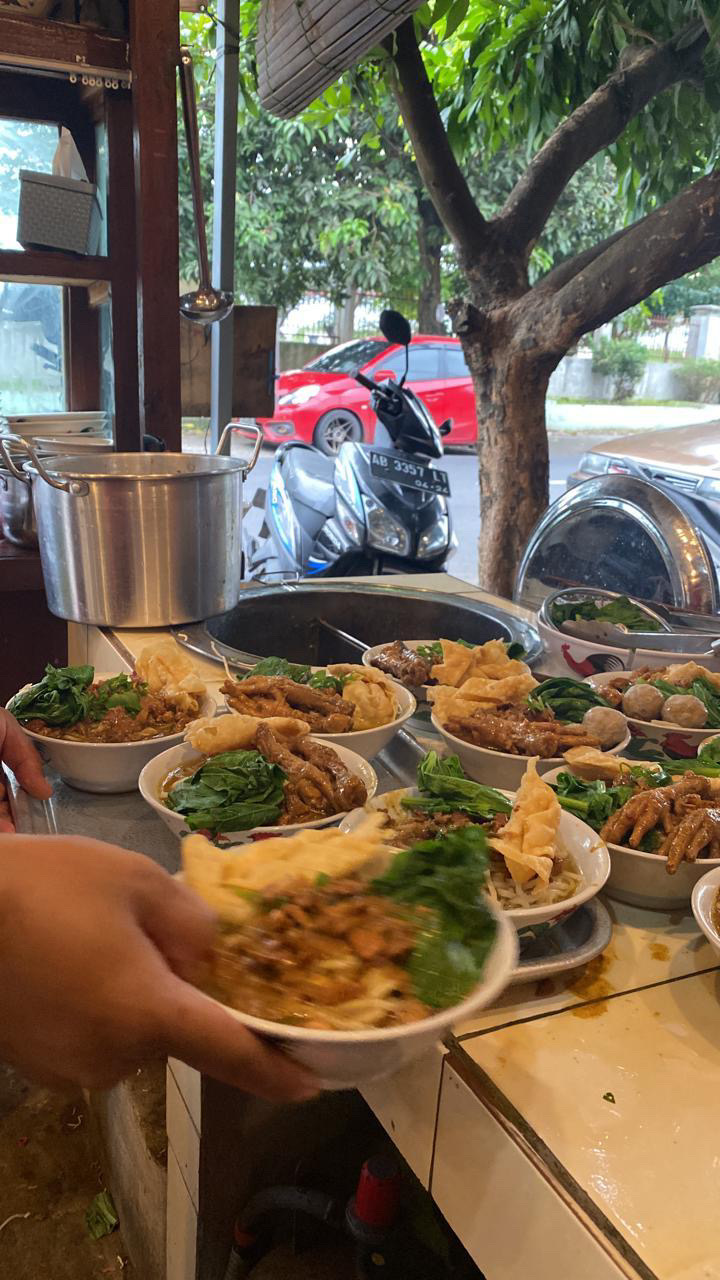
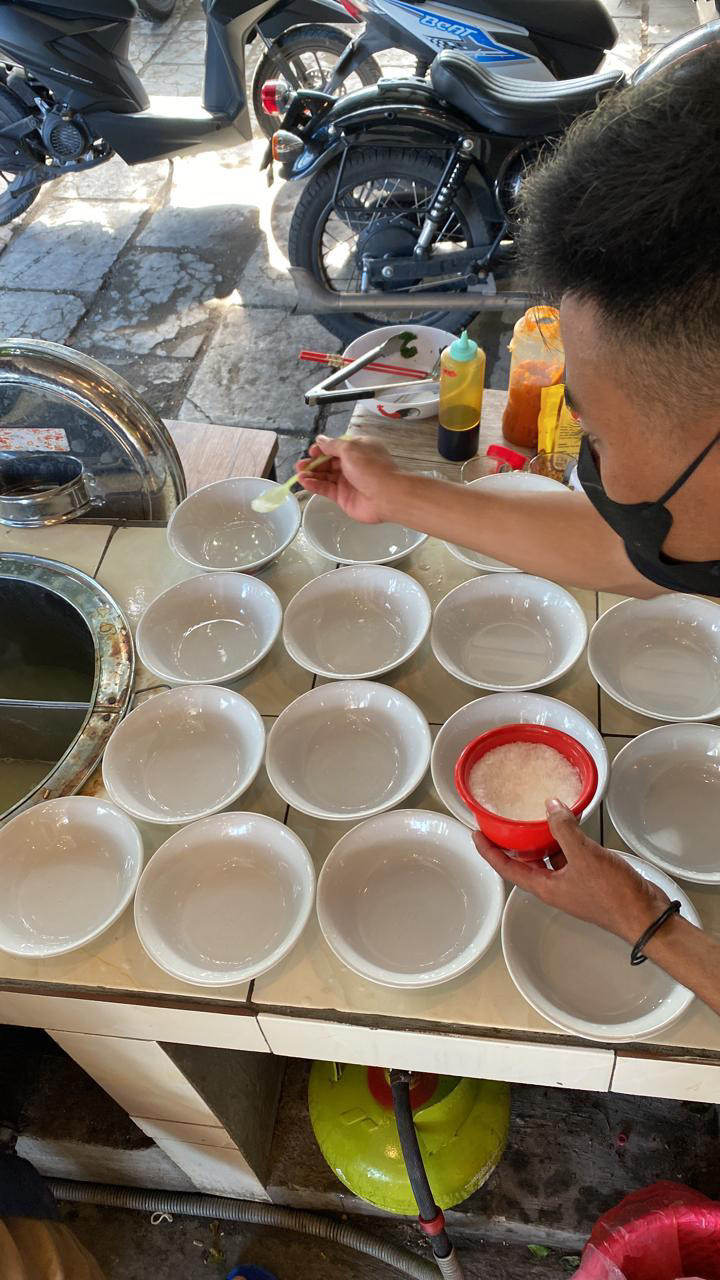
    Mie ayam, mi ayam, or bakmi ayam (Indonesian for ‘chicken bakmi’, literally chicken noodles) is a common Indonesian dish of seasoned yellow wheat noodles topped with diced chicken meat (ayam). It is derived from culinary techniques employed in Chinese cuisine.

    Source: Wikipedia

    I’ll just go straight to the point šŸ˜† Why chicken noodles shop? What prompted you to open the business?

    It all actually started not from chicken noodles. Back in February 2020, my wife and I started an ayam geprek restaurant in Jepara, Central Java. Then, as we all know, came the pandemic. We just started our business, yet the pandemic happened — naturally, our ayam geprek restaurant took the hit. The location was far from where we lived, which added to the existing problems. In mid-2020, we decided to shut down the business.

    I seriously just found out about that! You had an ayam geprek restaurant?

    The dream was still there, though. My wife still wanted to open ayam geprek restaurant, but this time, in Yogyakarta – Bantul area, where we lived. We looked around, and then we found a location: A shophouse in front of Sultan Agung Bantul sports stadium. But then, as we looked and checked the area, we felt the shophouse was more appropriate as chicken noodles stall than ayam geprek šŸ˜†

    I myself am a fan of chicken noodles, and I own the Twitter account @infomieayamyk. What you see in Pak Sarmintul‘s dishes is the culmination and things that I love about chicken noodles and what people love when they eat chicken noodles, such as free-flow green onions for garnishes.

    In the middle of November 2020, Mie Ayam Pak Sarmintul opened its doors.

    Why do you use the name “Pak Sarmintul”? Who is/was he?

    It was really sudden. Unplanned. It even started as a joke.

    On the account @infomieayamyk, sometimes folks only posted chicken noodles pics without mentioning the name — and I usually retweeted the post and added the text “Pak Sarmintul.” Apparently, it got people curious, asking, “Who is this Pak Sarmintul, and where is his restaurant?” šŸ˜†

    Mind you, I hadn’t opened my stall at that time — but then, I decided that should I ever have a chicken noodles stall, I would name it “Pak Sarmintul”. I honestly hope the public already had the brand awareness, but I then realized there’s still a long way to go, hahah.

    What is the most challenging part for you throughout the years of managing Mie Ayam Pak Sarmintul?

    Starting the business was the hardest. In Javanese, we call it “babat alas” (clearing the forest/making the path/starting from the very beginning.) It was really challenging to get regulars to come to our store. When we just started, we could only sell 10, 20 bowls, hahah. As of now, I’m glad that the public knows us more and that we have an influx of regulars. We maintain our quality control periodically and monitor our Twitter account and Google Maps’ rating for the quality of our services.

    Another challenge is human resources—managing the staff. Unlike corporations, where folks need to submit two weeks’ notice, it’s pretty normal for small stall like this for the staff to inform the owner that they are resigning the next day.

    Also, as this is an F&B business, handling the ingredients is another level of the puzzle, haha. It’s pretty normal and common for basic ingredients, such as cooking oil, to “disappear” or become scarce, which results in a price increase. This is a problem because we can’t increase the price of our chicken noodles as it can drive away our regulars.

    When I still had my full-time job, I wasn’t really concerned when the stall was quiet with low sales; now, as I dedicate myself to Mie Ayam Pak Sarmintul and have the business sustain my employees’ lives, it becomes something I constantly fight for.

    Oh, speaking about your previous full-time job — I remember you were an HR staff in your previous job.

    Yep, yep.

    Are there any skills from your previous HR job that helped you when you started with Mie Ayam Pak Sarmintul other than HR skills?

    Yes! The skills were tremendously helpful as I started the business. For example, during recruitment and payroll process. Even when we just started and were new, we ensure we pay our employees’ their yearly religious holiday allowance (THR) according to the standard even though it was not compulsory.

    Mie Ayam Pak Sarmintul‘s management style ensures everyone has a safe space and place in the business. We do our best to “nguwongke wong” (humanizing humans) and deliver—and receive—feedback effectively. We are a team, and we can’t work only on our own without the help of others.

    How long does it take for someone to get used with working in the kitchen of Mie Ayam Pak Sarmintul?

    Everyone who just joined will be trained to cook according to our stall’s standard to ensure the taste fulfills our quality, no matter who cooked the dish. The training usually lasted, at the soonest, one week.

    That said, cooking itself is a skill, and not everyone can, or comfortable, with cooking. For those who prefer not to cook, they can be the assistant (“kenek“), runner/busboy, beverages, and dishwashing.

    In our stall, at minimum, there should be three areas to cover: The cook, the assistant helping the cook, and the cashier — The cashier usually taking care the beverages too.

    Mie Ayam Pak Sarmintul team is a fun bunch! During Indonesia’s latest general election, the team created a promotion with visual that closely resembling political candidates’ campaign poster.

    I remember Mie Ayam Pak Sarmintul used to sponsor a local football club. That’s so cool! How did you do that?

    Oh, yeah, that! Hahah! Our first stall was in front of Sultan Agung Bantul stadium, the home base of Persiba Bantul. A bit of fun fact: I was part of the supporter management of the club šŸ˜„

    Anyway! As a young man who grew up playing Football Manager game and Championship Manager game, I felt it would be super cool if we, Mie Ayam Pak Sarmintul, could own a club — but, as you know, it’s pretty expensive to buy and manage a football club. Then, when I heard about the opportunity to be part of the sponsorships, I immediately agreed.

    Persiba Bantul is not a big club in Indonesia football arena, so our sponsorship contract was only up to province-level championship. Alhamdulillah, Persiba Bantul managed to go through to national level.

    I actually hoping we could be part of the sponsors on the players’ jersey — that would be super cool. Maybe one day!

    Let’s say there’s a teenager with dreams and hopes of opening their own food stall. What advices and recommendations would you share with them?

    If they decided to dive into the F&B business because they have the choice to do so, as in, it’s not something they have to do, I would say: Just go for it.

    Then, start small. You don’t need someplace big and fancy. You need a place that is clean and comfortable.

    And if you want high profit, do it on your own/don’t give the business to someone else to manage, hahah.

    The ultimate question: What is the best chicken noodles combo according to you?

    Mie ayam bakso (chicken noodles with beef meatballs.)

    Add it with beef trimmings.

    Hungry? Craving for Indonesian style-chicken noodles a.k.a. mie ayam? Find out more about Mie Ayam Pak Sarmintul here:

    Instagram: https://www.instagram.com/paksarmintul/

  • Chasing clouds

    On the way home

  • Hi Ario! Can you share a bit about yourself? Your preferred name, hobbies, the city you live in, anything!

    Hi! My name is Ario. I love cats, music, and Lego, but not necessarily in that order šŸ˜† I’ve lived in various places over the years — I was born in Bandung, but I spent a significant part of my childhood in Sydney, Australia. I’ve also lived in Bogor, West Java (Indonesia) and Ho Chi Minh City, Vietnam, but I call Jakarta home now.

    I am very much at home playing bass to uncomplicated songs, but I have anxiety about almost everything else, hahah. I’ve established a career in entertainment media after studying Industrial Design, spending the first 10 years in various companies before starting my own; KaryaKarsa — it is currently the third company I’ve built. 

    I’ll just go straight to the point about KaryaKarsa: How did it all started? What prompted it? As in, has it been a process such as market research, industry analysis and the likes, or was it something like, “hey, it looks fun!”?

    The idea of KaryaKarsa is not new.

    We have Patreon in the US, but the first time I thought about doing something like Patreon in Indonesia, I did not believe that people would be willing to give money to creators!

    I revisited that idea in early 2019 when I was thinking of transiting out of my company at that time, Wooz.in (now sold): “Why not make it easy for fans to give money to their favorite musicians using GoPay, which was already popular?”

    After chatting with the late Aria Rajasa Masna, who became one of my business partners, he said such a concept would work for all types of creators, not just musicians, who are similarly not making money from their work. After that, we did some research and launched an MVP (Minimum Viable Product) in June 2019 and the rest is history. 

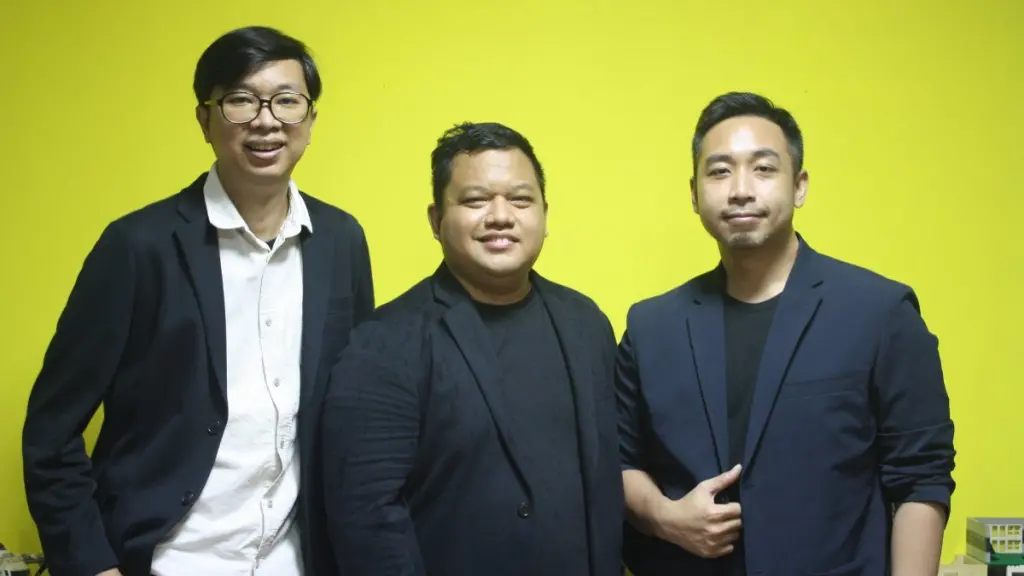
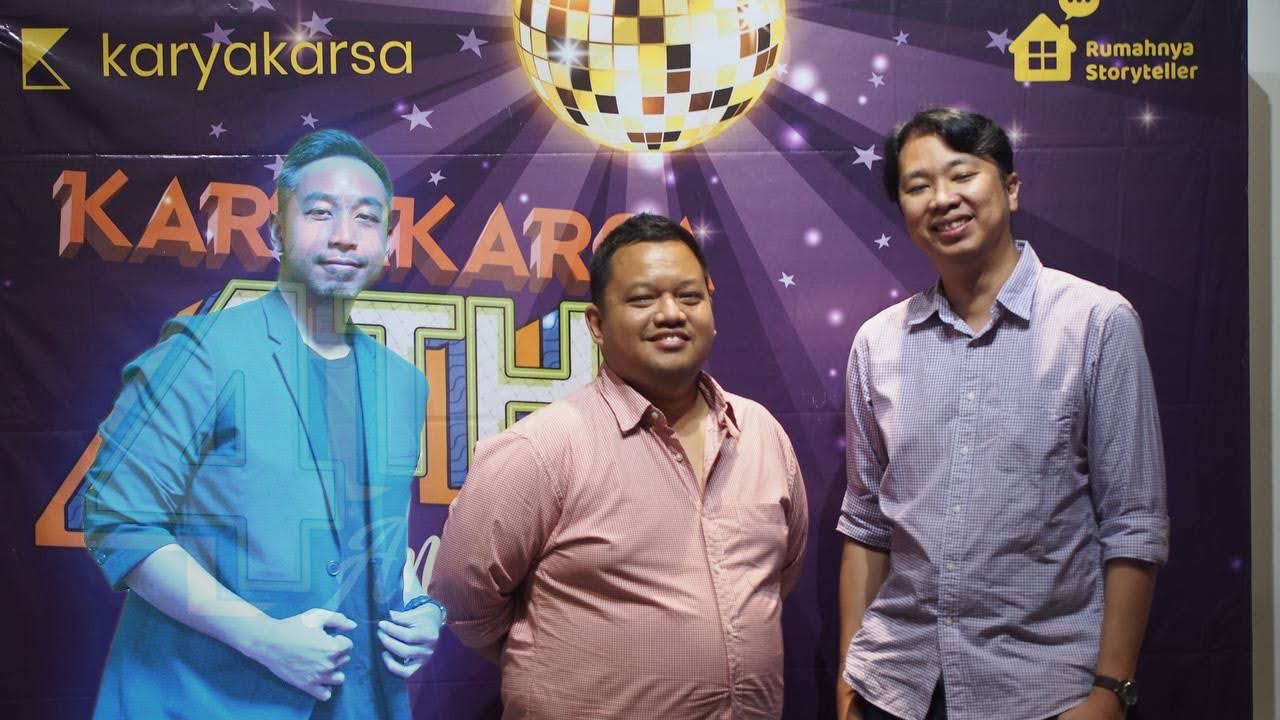
    KaryaKarsa team (from left to right): Pribadi Prananta, Ario Tamat, and (late) Aria Rajasa Masna
    KaryaKarsa team (again), but this time Aria Rajasa Masna as Force Ghost šŸ˜…

    From my perspective, entrepreneurship has always been about everything: Management, finance, operations, and all that. As the co-founder of KaryaKarsa and an entrepreneur in Indonesia tech industry, what are the things that you feel folks would need when they want to be an entrepreneur? Apart from the money and capital, of course…

    There are two fundamental things that an aspiring businessperson must tackle before investing their time and money in actually building the business:

    • Market reseach and validation. At the minimum, you should know what your user persona is and what their needs and pain points are. Ideally, you can determine the market size and potential spending per person. 
    • Unit economics. Figure out how much money you can make in profits from each transaction. 

    Everything else is basically iterating from market needs and scaling the unit economics. Of course, when you start building the business, you’d need to be able to manage people and delegate tasks, manage the finances, and understand compliance (business permits and all the needed documents with the legal aspects.)

    Looking back at your experience in the music industry: Is there a skill or experience that you have been hold dear from your previous experience in Indonesia music industry to how you are right now in KaryaKarsa?

    Yes! Making business plans.

    I was in business development back then, so I was in charge of making new business and making money. I needed to be able to make ideas, find partners or clients, and be responsible for a profit/loss statement. The profit and loss statement will describe your sources of making money, and what costs you need to pay to make that money, so it will be very easy to see if your business is doing well or not from that P&L (Profit and Loss) statement. 

    What is your most favorite part of working on KaryaKarsa?

    It’s impactful.

    It has an impact on a lot of creators, and that drives me forward to continue building KaryaKarsa. It’s not even about what I want to build any more — what I want can guide the way forward, but the way to do it is to prosper together with the creators since the incentives are aligned: KaryaKarsa makes money when the creator makes money. 

    I want to “steal” some of your knowledge here, hahah. As a co-founder and CEO, your day is guaranteed to be really busy. What are the tools that you are using for time and project management?

    I use almost everything on Google Workspace: Documents, Calendar, Chat, Tasklist. Any repeat tasks I put in my tasklist and I put tasks I need to remember to weekly update docs and, yes, tasklists. Since my work is not really task-based, I don’t use tools like JIRA or Trello much because a lot of my work is open-ended. 

    This question is slightly off-track from the focus on KaryaKarsa, but I’m curious: Before KaryaKarsa, you also founded and managed two initiatives: Ohdio.FM and Wooz.in. How did you do that? What makes you have such courage to give it a try and start?

    Ha! It was more of ā€œlet’s do something I will regret if I did not try itā€.

    I didn’t feel my skillset and my knowledge fit within the needs of what the industries I wanted to work in needed. For instance, I applied to Google many times, but all they had were sales positions so I wasn’t suitable.

    Since I began my entrepreneurship journey in 2012, I felt it was just time to do it, and conditions were more favorable for me to go in that direction than, say, continue my corporate route. Honestly, I’ve never considered it a ā€œcourageousā€ step, just an inevitable one. I can’t say I’m a good entrepreneur, but I can say now that I am ā€œexperiencedā€, hahaha. 

    What would you say to any aspiring 13-14 year old teenagers who also want to be an entrepreneur or starting a startup?

    Learn the basics of market research & validation, and unit economics. BUTwork for others first. Your learning curve will be much faster if you work for an established company. Spend a few years in the field of your choice.

    Also, making a business is not about what you want to make but what the market needs. I think at 13 and 14 year old, you can just try anything [legal!] that can make you some extra money, as long as it doesn’t interfere with your studies. 

    Find out more about KaryaKarsa here:

readme.txt

This is my personal blog, so anything goes. This blog has been around since 2014, which means you would, and could, see my past writings with different perspectives and mindsets at that time. This blog is a record-keeping of what I was, what I am, and what I will be. What I wrote in the past might not reflect who I am right now, nor me revisiting the topic.

While things here are generally PG-13, I must remind you that I’m an adult, which means some topics might be too heavy for younger readers.

Listening