• Opor Ayam

    Hey! How are you folks? I’ve been pretty pumped up as tomorrow is Eid, and I’m going to enjoy my one week-long AFK (Away From Keyboard) vacation. The AFK was submitted way before the whole Covid-19 thing, but I decided to stick with it and do things that I can do at the house and taking a break for a while.

    Anyway, did some changes here and there on the blog (although the changes won’t be noticeable if you read this blog on WordPress.com Reader ?) and at one point, I got so confused with the header image — I feel the homepage is too empty but I couldn’t find a good pic for that — so I decided to use my practice sketch. You might notice my name on the image as I’ve been super wary about art thieves (not that I’m going to say my works are art, though.) I seriously don’t get people who say, “well, it’s in the Internet so it’s free to take, hurrdurr,” like, dude. Those who are really dismissive about content theft usually never create stuffs. There, I said it.

    Ari and I spent our last day of Ramadan cooking for Eid. We usually have some must-haves dishes: Opor ayam (chicken with spicy gravy from coconut milk and spices), sambal kentang (potatoes and chicken’s livers and gizzards (I usually stick with gizzards only because I’m not really fond of chicken liver) and tons of sambal (chili paste)), and sup buntut (oxtail soup.)

    The oxtail soup is actually part of my late grandmother’s usual Eid menu. When I was a small girl, we always gather at my grandparents‘ (from my mother’s side) house and my grandma was an excellent cook. She usually prepared the whole Eid Triumvirate (Ketupat, opor ayam, sambal kentang,) and oxtail soup — oxtail soup, however, is not the usual Eid dishes. However, my grandma insisted on serving it because she felt that folks might want some variations apart from the usual Eid dishes.

    The habit stuck on me so whenever we celebrate Eid every year, I usually made ketupat, opor ayam, sambal kentang, and oxtail soup OR mie bakso (boiled noodles with asian-style meatballs.) Except when I was pregnant with Rey; I cooked the whole thing — like, a total cook out — ketupat, opor ayam, sambal kentang, oxtail soup, and mie bakso.

    Opor Ayam

    Opor ayam is a dish familiar for Indonesians and Malaysians (in Malaysia, we have similar dish called “ayam masak lemak”) The style is different between areas even regions in Indonesia. The one in the picture is Betawi-style (a native tribe of Jakarta) which usually has thicker gravy. Go to the east a bit, and you could see Javanese-style opor ayam which has lighter gravy, and in some areas, sweeter (Central Java folks commonly have sweet tooth.)

    This dish usually a favorite among children because the taste is still tasty enough (with all the spices) but not super spicy as sambal.

    Opor Ayam

    1 chicken (cut to preferences. We usually ask the butcher to cut it into 8 pieces. The smaller the better as it will be easier to eat.) It’s better if the chicken is free-range as it’s usually tastier. If you can’t find free-range chicken, that’s okay. When you are adding water later on, you can put chicken stock.

    Spices, blended together:
    12 shallots
    6 garlics
    4 candlenuts
    1 teaspoon of coriander seeds
    1/2 teaspoon powdered turmeric (you can use fresh turmeric (1 cm) but I like the powdered one because less mess. 1/2 teaspoon is MAXIMUM. Please note that too much turmeric will make the food taste bit bitter (still healthy, though))

    Spices/herbs, smashed (I’m not sure the term; “smashed” here is not blended, but you crush it to make it more fragrant — and no, chopping it finely didn’t count. We are not going fine-dining with all the techniques, here. You need to go Hulk-mode. Smash it. If it’s leaves, tear it a bit):
    2 cm ginger
    3 cm galangal
    1 stalk lemongrass
    2 kaffir lime leaves
    2 bay leaves

    To taste:
    Salt
    Sugar
    Pepper

    1-2 kaffir limes, squeeze it to get the juices to marinade the chicken before cooking
    120 mL thick coconut milk (for cooking, not the one for drinking)
    400-500 mL water
    5 tablespoons cooking oil

    Clean the chicken and wash it. Mix it with kaffir lime juice to get rid of the smell (and some says, mixing it with acid such as kaffir lime juice can make the spices seeping into the chicken better.) Set aside for 10-20 minutes or as you prepare the spices.

    Blend the spices (garlics, shallots, candlenuts, coriander seeds, and turmeric.) You can use traditional mortar or you can use electronic blender. A bit of tip: If you are using traditional mortar, add a bit of salt to make the crushing part easier. If you are using electronic blender, add a bit of water. Set aside.

    Cut and smash the ginger, galangal, and lemongrass. Wash and prepare the bay leaves and the kaffir lime leaves. If you are not super sure how to smash the spices, try this:

    Cut the ginger to smaller pieces then put it on the cutting board. Put the side of your knife on top of it and push the knife to crush the ginger under the knife. That’s it, you’re done. Do the same to the galangal.

    Take the chicken and wash it to get rid of the kaffir lime juice.

    Prepare a big pan/soup pan/asian-style deep wok. Heat the cooking oil with medium heat until it’s hot enough (to test: Take a wooden spoon/spatula and put it on the oil. If you see small bubbles formed, the oil is hot enough.)

    Carefully, pour the blended spice into the pan. Heat the spice then put the crushed herbs (ginger, galangal, lemongrass, kaffir lime leaves, and bay leaves.) Heat the spices until you can smell the aroma. Put the chicken and mix it together with medium or high heat (I prefer medium heat as high heat can be uncontrollable.) This is where patience shows its virtue. You will need to mix it for quite some time until the spices seeped into the chicken. Another trick is; lower the heat as small as possible, cover the chicken, and leave it for 3-5 minutes. Open the lid, then mix it again with medium heat.

    Pour the water. You don’t have to use exact measurement for this, as long as the chicken is submerged in water, it’s enough. Mix again until the water is boiled. Put salt, pepper, and sugar.

    Now, the moment of truth. Adding coconut milk to dishes can be super tricky. In Indonesian, we know the term “santannya pecah” (the coconut milk is ‘broken’/separated) — when you see the coconut milk got separated to curd and water. The taste should still pretty okay, but it’s not super pretty to look at ?

    The trick on adding coconut milk is to add it with the lowest heat possible. The coconut milk will get separated if the heat is too high, so the trick is:

    • Add it with the lowest heat possible, and…
    • Keep mixing it to ensure the heat is not concentrated in one spot

    Lower the heat, pour the coconut milk, then do the cardio as you mix the chicken and the spices continuously until the water reduced a bit (30-40%-ish) and you see a thick, golden, tasty, fragrant gravy — then all the energy spent feels like worth it. Garnish it with fried shallots. You can also add hard-boiled egg as additional filling apart from chicken. Enjoy it with warm jasmine rice or ketupat and in one moment, calories be damned.

    The recipe for oxtail soup and sambal kentang will follow on the next blog post.

  • ‘Heart Sutra’

    For many Indonesian 90s kids, most of us are familiar with a Hong Kong TV drama series ‘Journey to the West‘ (in Indonesia, we know it as “Kera Sakti”.) Journey to the West is one of the most well-known saga in Buddhism — a story about a monk, Tang Sangzang, with his three disciples in retrieving sutra, Buddhist sacred texts, in Central Asia and India. Monk Tang’s journey is filled with perils, humor, and adventures — facing demons and gods alike. This work of literature has been adapted to many shows and series, spawning many variations in music, literature, and films; even manga (Dragon Ball included ?)

    In the TV series, monk Tang always saying, “isi adalah kosong, kosong adalah isi” — form is emptiness, emptiness is form. At that time, I didn’t think much about that saying as I see the series as entertainment source. I thought that it’s a neat way of thinking in Buddhism, but that’s it. I didn’t probe further on what it’s all about.

    This morning, I watched my friend’s Instagram Stories. Recently, all Instagram Stories and posts are the same. Folks facing self-quarantines, lockdowns, words of prayers, hopes, despairs, and trying to make sense of all this madness.

    In one of her stories, she posted a clip from a music video. The singer, however, is not a singer that commonly expected. The singer in the video is a Japanese Zen Buddhist monk. From the way he sings, I presumed he’s chanting a sutra.

    “May I know the song title? Is this a sutra?”

    “Yes. It’s really soothing ya. It makes me feel calm.”

    Later, I found out that the song is from the Heart Sutra (Prajñāpāramitāhṛdaya). Form is emptiness, emptiness is form.

    I have a very limited knowledge about Buddhism, let alone a wisdom to understand the Heart Sutra. But to say that the sutra didn’t move the being, it would be an insult. What we able to see, to touch, the ones that hold a form, are actually empty. However, things that we unable to see, seemingly empty, are filled with form.

    And I guess, I need this more than I thought.

  • Green Onions

    So recently I have been seeing many online articles and social media updates and tips about urban farming. The idea itself has been around since… 10 years ago? Or maybe even longer. However, since half of the world is now stuck at home, the idea revived and for some reason, it’s like bringing this… Concept of self-sufficient.

    Years ago I tried taking care herbs which failed spectacularly. Since then, I decided to “train” myself with succulents and diehard plants such as golden pothos and snake plants.

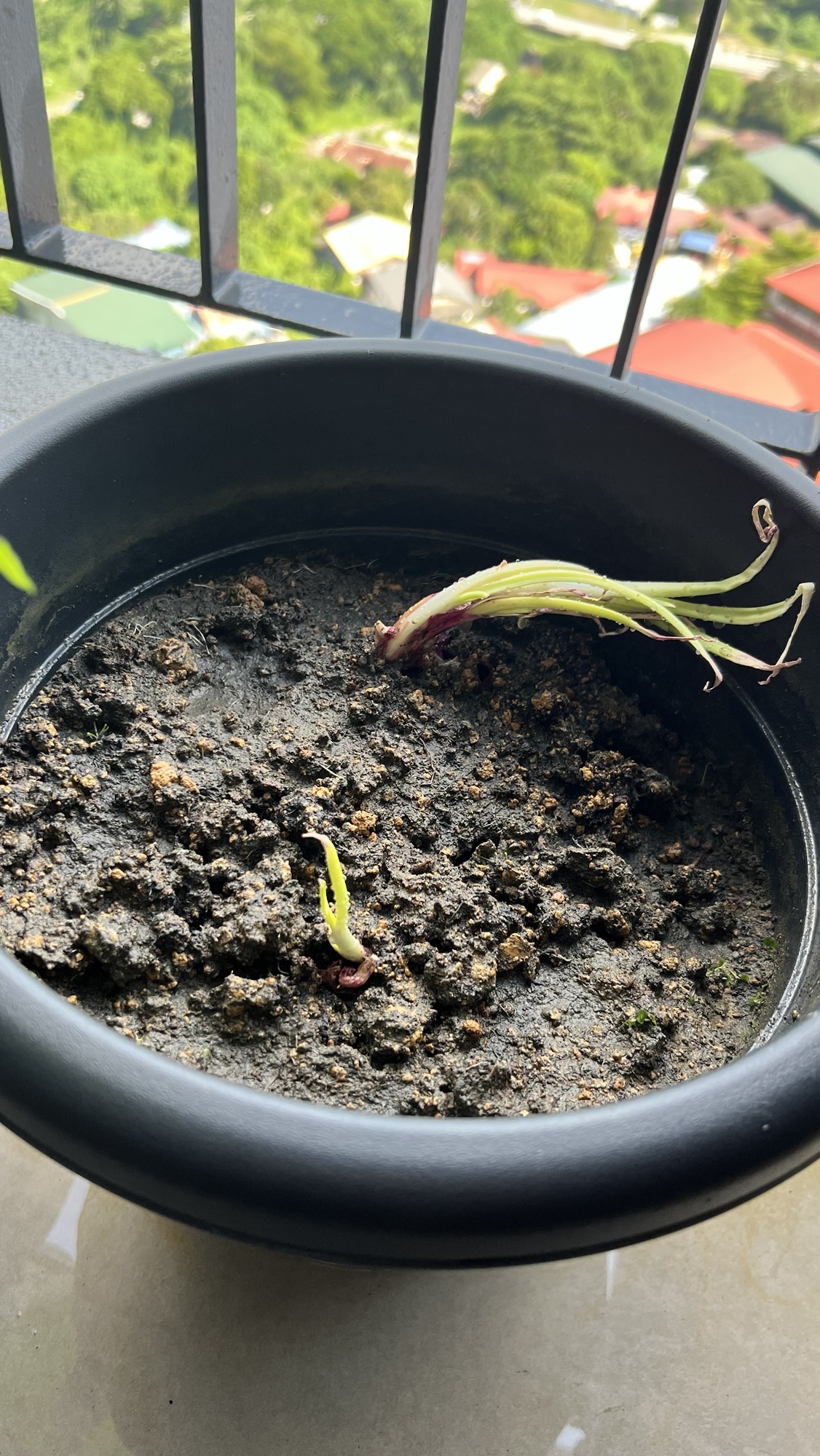
    Then I saw this Facebook post about grow your own green onions, so after several clicks on Shopee for purchasing soil, I decided to plant the green onion which I put on a jar of water. I‘m pretty pessimistic, though, but I saw some fresh roots popped out, so…

    Fingers crossed.

  • What’s the first thing you guys will do once the MCO is lifted?

    A question in a watercooler Slack channel

    I would create appointment with the air conditioner technicians to fix and do the thorough check on the air conditioners in our unit. Ari had done a good job in fixing some annoying leaking issue, but we wanted a professional to take a look and check if things need to be fixed or not.

    Then, going to mamak restaurant to eat roti canai and a cup of warm sweet teh tarik, followed by a walk in the park.

    I think one of the most frustrating things on this lockdown business is the obligation to stay at home. Me myself is a homebody/self-certified couch potato/I prefer to roll from one place to another with maximum distance of 5 meters rather than actually using my feet to walk — but dammit, when you are being told that you couldn’t and shouldn’t go out, that’s frustrating. When the choice is being taken away, that’s when your brain decided to riot.

    Harvard Business Review commented that the discomfort we have been feeling is grief — and it rings true. We are grieving for the lives lost, succumbing to the virus. We are grieving for the connections being taken away from us; a casual hello or a hug between loved ones suddenly seen as high-risk and potentially life-threatening. We are grieving for the choices lost as we feel uncertain for the future.

    And I feel these words: “Cry, Heart, But Never Break” are perfect to summarize how we feel and how we face this.

    For you, friends: It’s okay to cry.

    Did I cry? Hell yeah. I thought things will be easier as the lockdown progresses, but no, I’m still as angry and as sad as Day One. I’m still as pissed off as before.

    It’s okay to cry.

    Then we give our collective middle finger to the virus because we know we can get through this. That scene where Keanu Reeves as Constantine being pulled to the Heaven and giving Lucifer a flipping bird? Yeah, that.

    Stay safe, stay strong, and stay healthy.

  • What is a Happiness Engineer?

    In short, we are the Support team for Automattic products; mostly on WordPress.com, WooCommerce.com, and Jetpack.com. The purpose of Happiness Engineer is to support and deliver happiness to folks who are using Automattic’s products. We represent Automattic to our customers, and we are the voice of customers to Automattic.

    I’m interested. How do I apply?

    Awesome! To apply, you can check our official Work With Us page 🙂 As for Happiness Engineer, the direct page is here.

    I’m not super good in website programming/developing/coding. Can I still apply?

    Believe it or not, it’s one of the top questions asked when I informed my family and friends about the job opening.

    The answer is: If you know how to code (basic knowledge in HTML or CSS,) that’s good. If you don’t know how, I suggest you to learn a bit about it. Even the basic knowledge on HTML and CSS is helpful 🙂 I blogged a bit about HTML and CSS in Indonesian in case you want to take a peek.

    HTML and CSS, and any other coding languages that you can master, are skills that you can learn and improve as you progress and learn more. The most important aspect that you need to have is patience, eager to learn, and ability to read, like, a lot. You can check Automattic Creed and see how the company operates.

    I wrote my experience in applying to Automattic (in Indonesian):

    Feel free to reach out to me if you have any questions on how it feels to work as a Happiness Engineer in Automattic (I’ve been working as an HE for 1 year.) I can’t provide any “inside information” or committed on your application, but I can share my perspective about Happiness Engineer role and what I think about it 🙂

    I’m setting this post as sticky for searchable purpose in case you folks are interested

  • I rarely saved post drafts when writing a blog post because I usually able to ramble in a short period of time, until today, I decided to write about how I designed this blog (sidebar, cute background, pixel-thingy, and the likes.) Suffice to say, it’s, uh, long. My dormant Happiness Engineer-soul came back in full force, hahahah!

    I’m still working on it. Hopefully, I can publish it by this evening (Malaysia timezone).

Nindya. Kapkap. she/her. Indonesian in Malaysia. Millennial. Lo-fi. Animal Crossing: New Horizons. Murder mystery genre.

Currently feeling:

The current mood of retnonindya at www.imood.com

Part of blogroll.org

  • April in pictures
  • Red onions
  • Urban rainbow
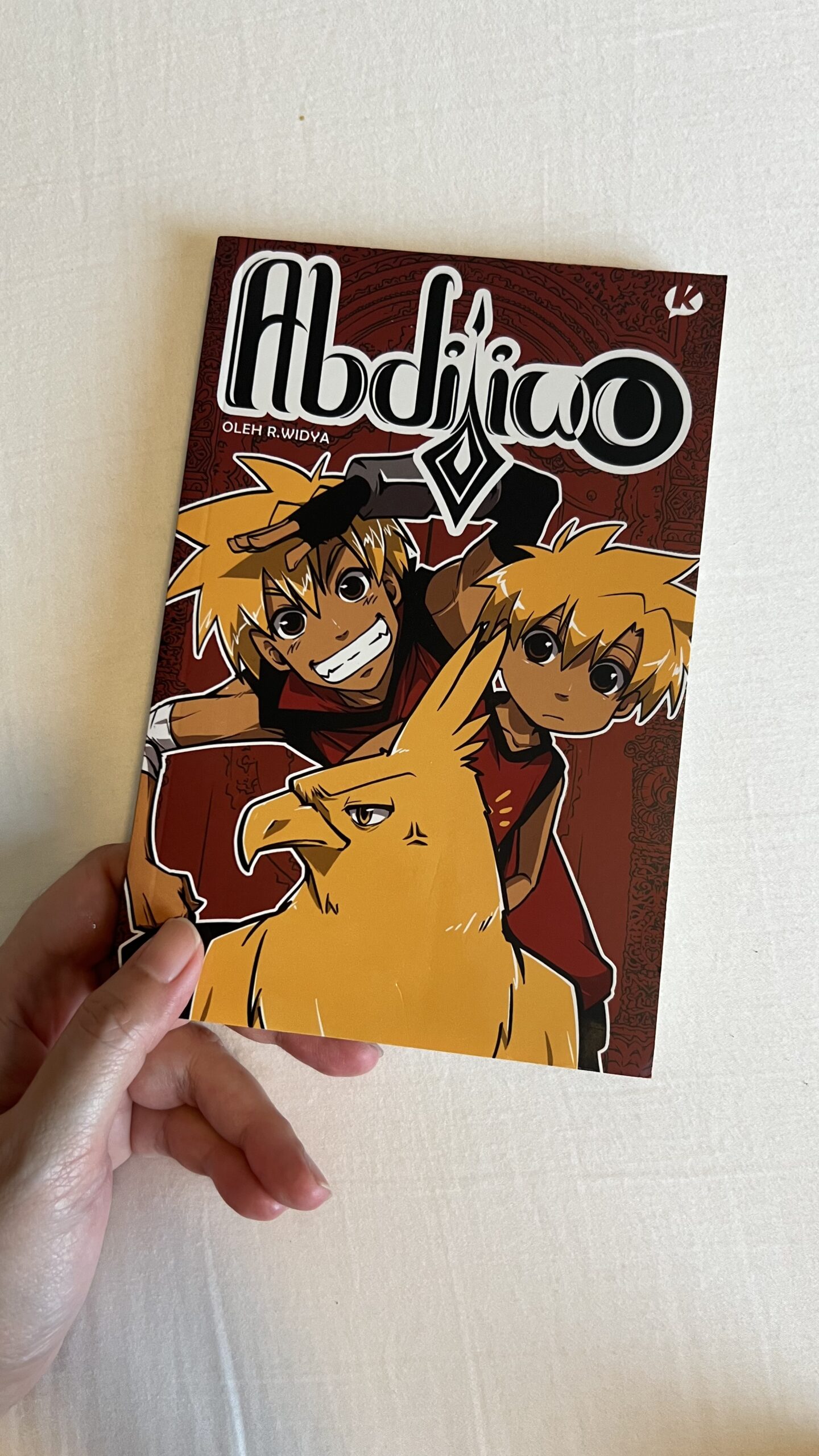
  • “Abdijiwo” by Retno Widya
  • “The Maid” by Nita Prose
  • The Liebermann Papers on BBCPlayer